All posts by: Catalina Sofia Dansberger Duque


Christy Ford Chapin begins Library of Congress fellowship, continuing history faculty’s trend of research achievement

WhenChristy Ford Chapin, associate professor of history, began teaching at UMBC in 2012, she started by connecting curious students with the history of the American health care system. Her first book, Ensuring America’s Health, was an in-depth history of the country’s health care and health insurance system. This fall, as the recipient of a prestigious Kluge Fellowship, Chapin is immersed in the banking and finance collections at the U.S. Library of Congress, rather than in conversation with her students. While the archives are not quite as action-packed as the classroom, her enthusiasm for digging into the nitty gritty of U.S. history remains contagious.


Chapin loves how historians seek answers buried in documents, archives, museums, libraries, basements, attics and forgotten filing cabinets. “We have to be like private investigators. I have to beg, borrow, and plead to get documents,” says Chapin. “I was really intimidated by the research aspect early on in my graduate career, but then I fell in love with the hunt for primary sources and the process of putting together pieces of the evidence puzzle.”


Through her current Kluge Fellowship, as well as an inaugural fellowship last spring atthe Ed Snider Center for the History of Capitalism at the University of Maryland, Chapin examines how the United States shifted from an industrial manufacturing economy to a financial economy for a new book on post-WWII finance. She’s energized by seeing several of her history colleagues pursue other high impact research areas through fellowships around the globe in what has been a particularly exciting year of achievement for the department’s faculty.


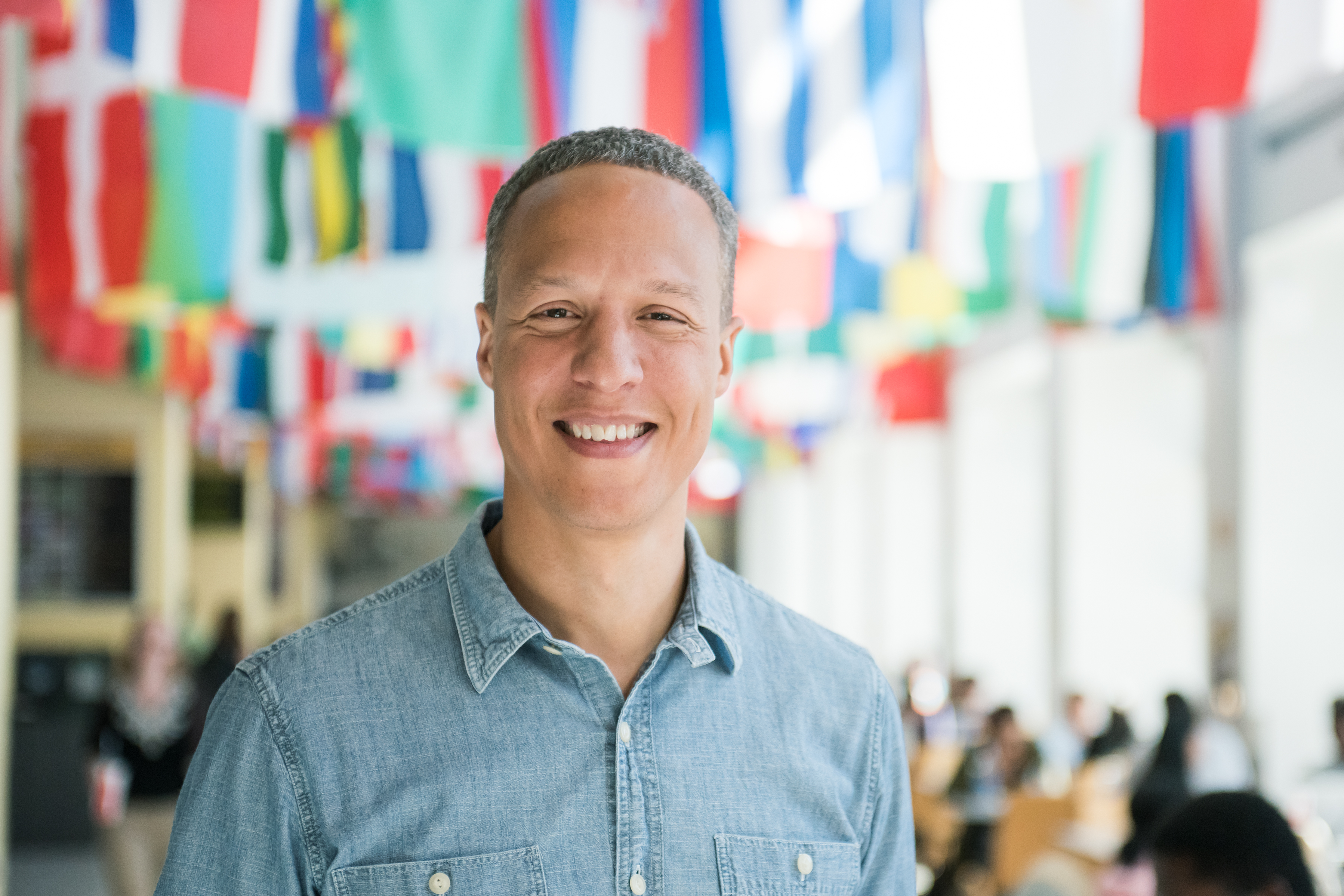
While in Beijing researching her first book in 2011, Meredith Oyen, associate professor, came across documents that discussed cooperation between the People’s Republic of China and the UN-affiliated International Refugee Organization well into the 1950s, when the PRC was not recognized by the UN. They dealt in part with the resettlement of Jewish and European refugees in China after WWII.
The documents reflected a great mystery. I asked myself, ‘Why did this organization stay in China all these years?’  I had to search other archives to start to figure it out.” Oyen was determined to learn more and followed the paperwork trail to Shanghai, Taipei, London, and Washington D.C. where she held a U.S. Holocaust Memorial Museum Fellowship in 2016-17 that helped her find even more clues.

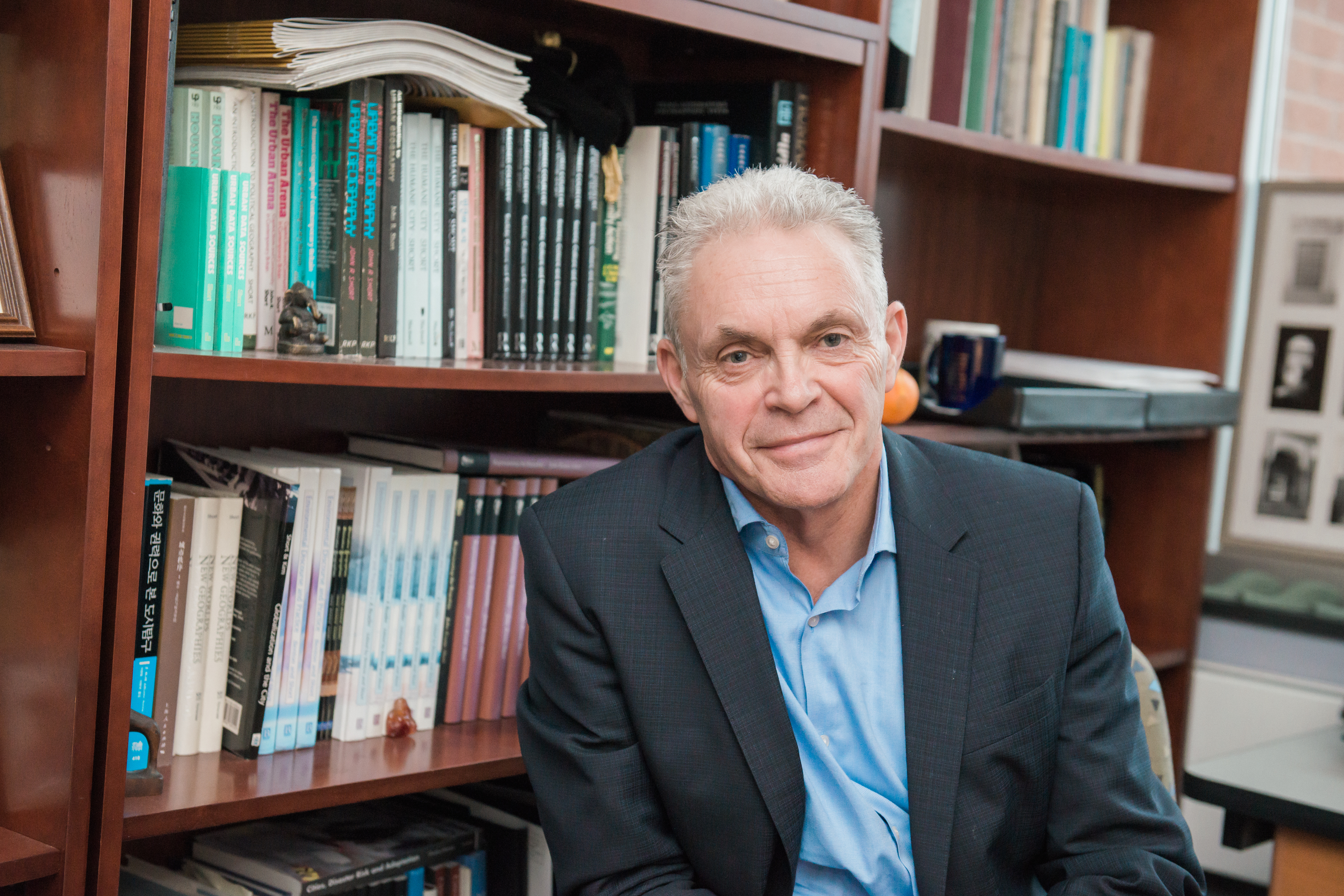
Meredith Oyen. Photo by Marlayna Demond ’11 for UMBC.
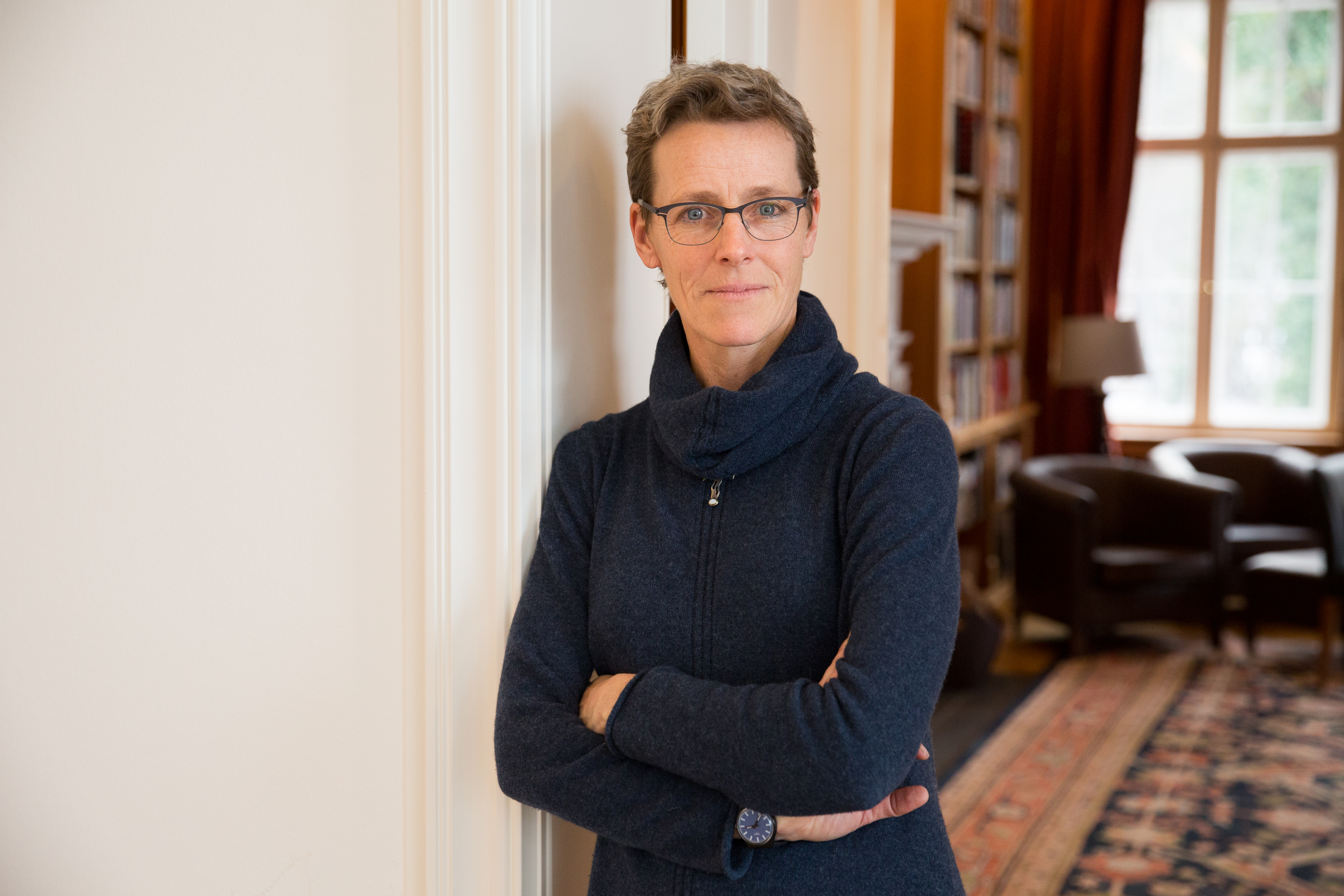
At the same time, Marjoleine Kars, associate professor and chair, and Kate Brown, professor, pursued Braudel Senior Fellowships at the European University Institute in Florence, Italy. There, Kars worked on her book about one of the largest rebellions of enslaved people in Atlantic history, which occurred in 1763 in the South American Dutch colony of Berbice. Brown continued to expand her research on the lasting health and environmental impacts of the Chernobyl nuclear disaster in new directions. 

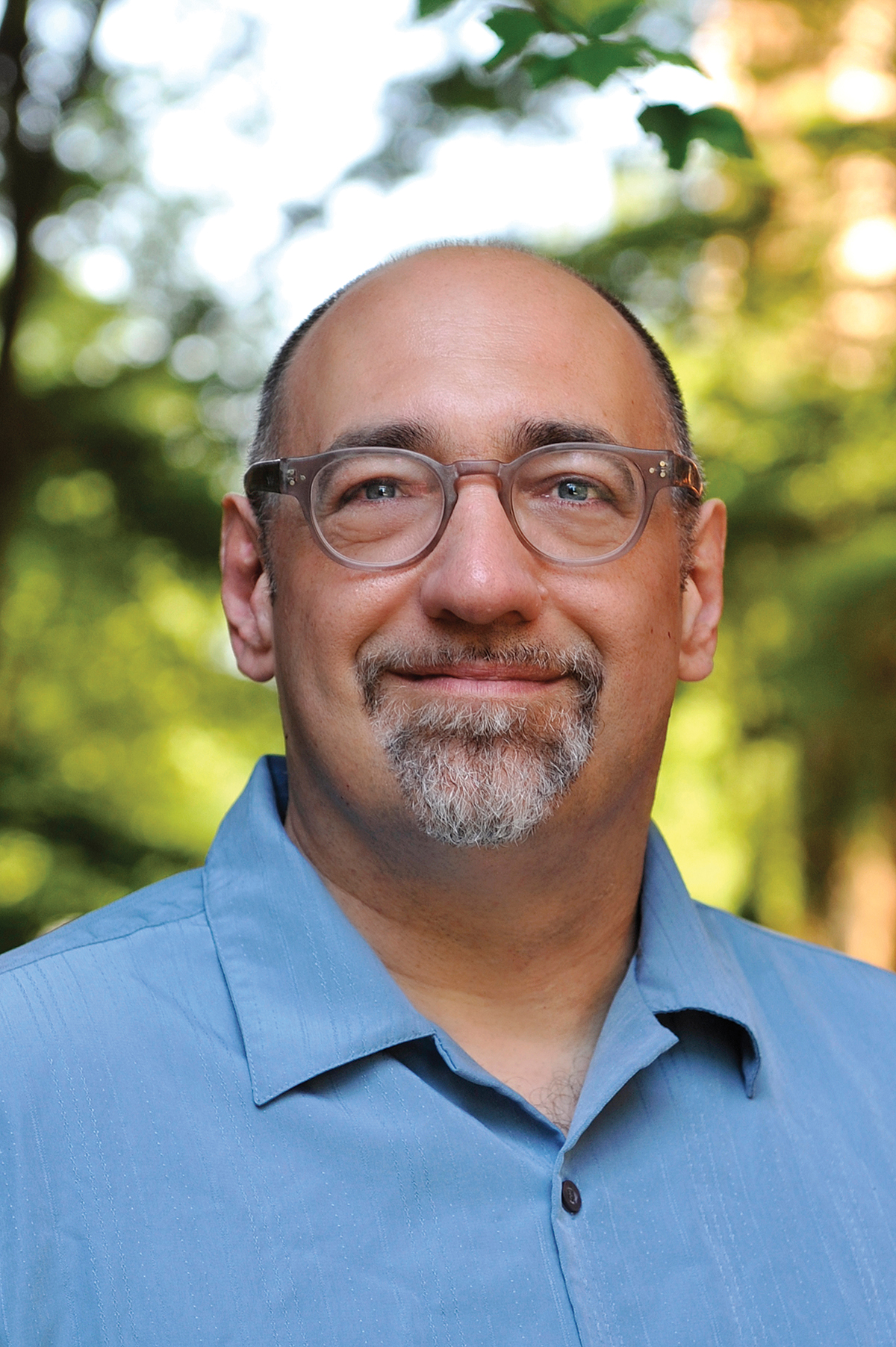
Kate Brown. Photo courtesy of Annette Hornischer.

Brown also received a highly prestigious Andrew Carnegie Fellowship to study the health effect of Chernobyl and a Berlin Prize from the American Academy in Berlin.

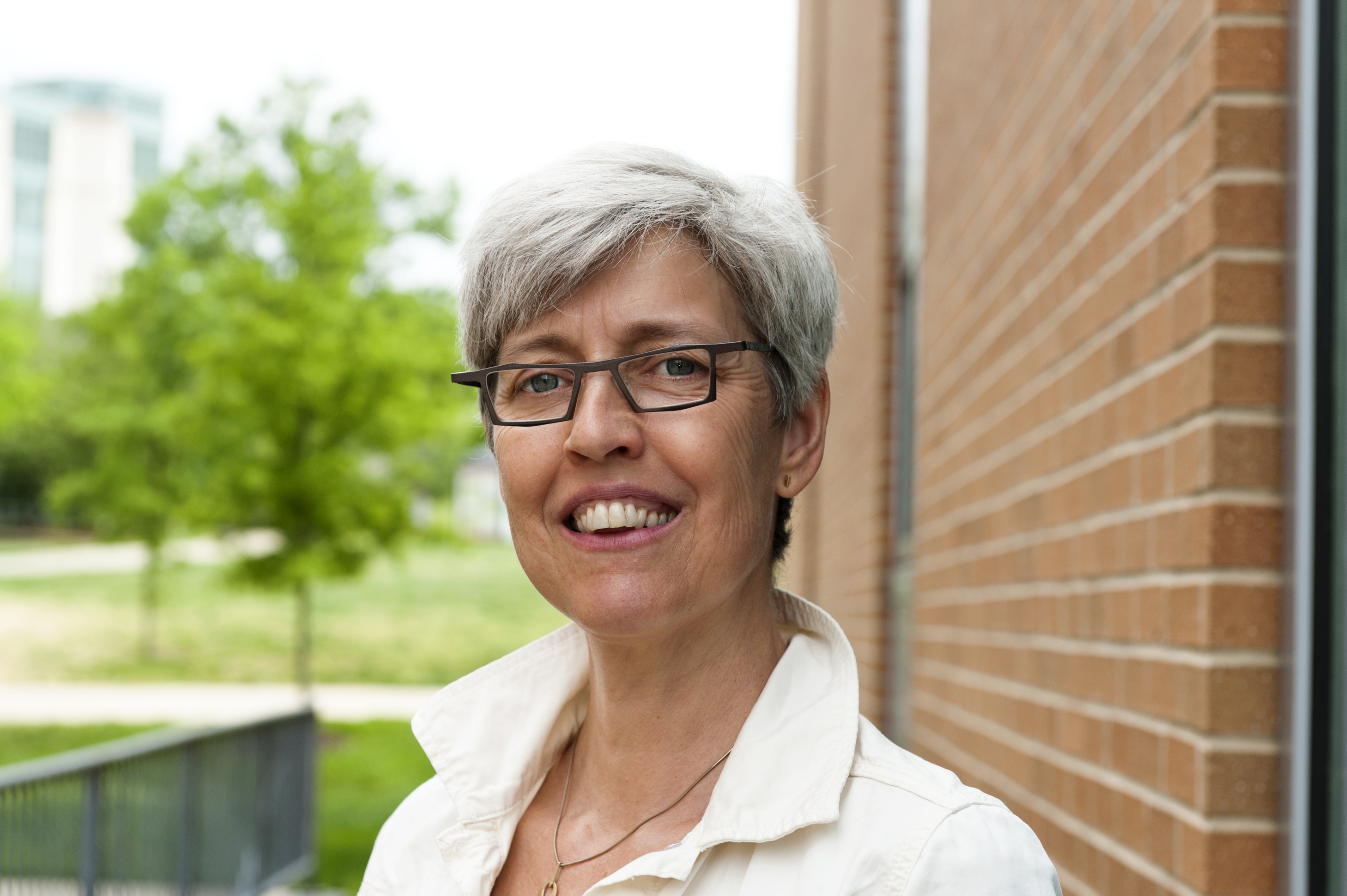
Headshot portrait of Rebecca Boehling wearing a gray collared blouse.
Rebecca Boehling. Photo courtesy of Annette Hornischer.

Prior to Brown receiving the Berlin Prize, Professor Rebecca Boehling received the prestigious award in fall 2016 for her work on denazification in post-WWII Germany, comparing the approaches of the United States, Great Britain, and France.
Kars shares how these types of intensive research and international exchange opportunities have far-reaching benefits for the individual faculty members who experience them. “Faculty come back from research leave with new ideas about teaching, research projects, new directions for their own work, and they bring that energy into the classroom,” she says. “Our students benefit from reenergized faculty who are on the cutting edge of their profession and are able to connect them with research monies, fellowships, and graduate school mentors.”

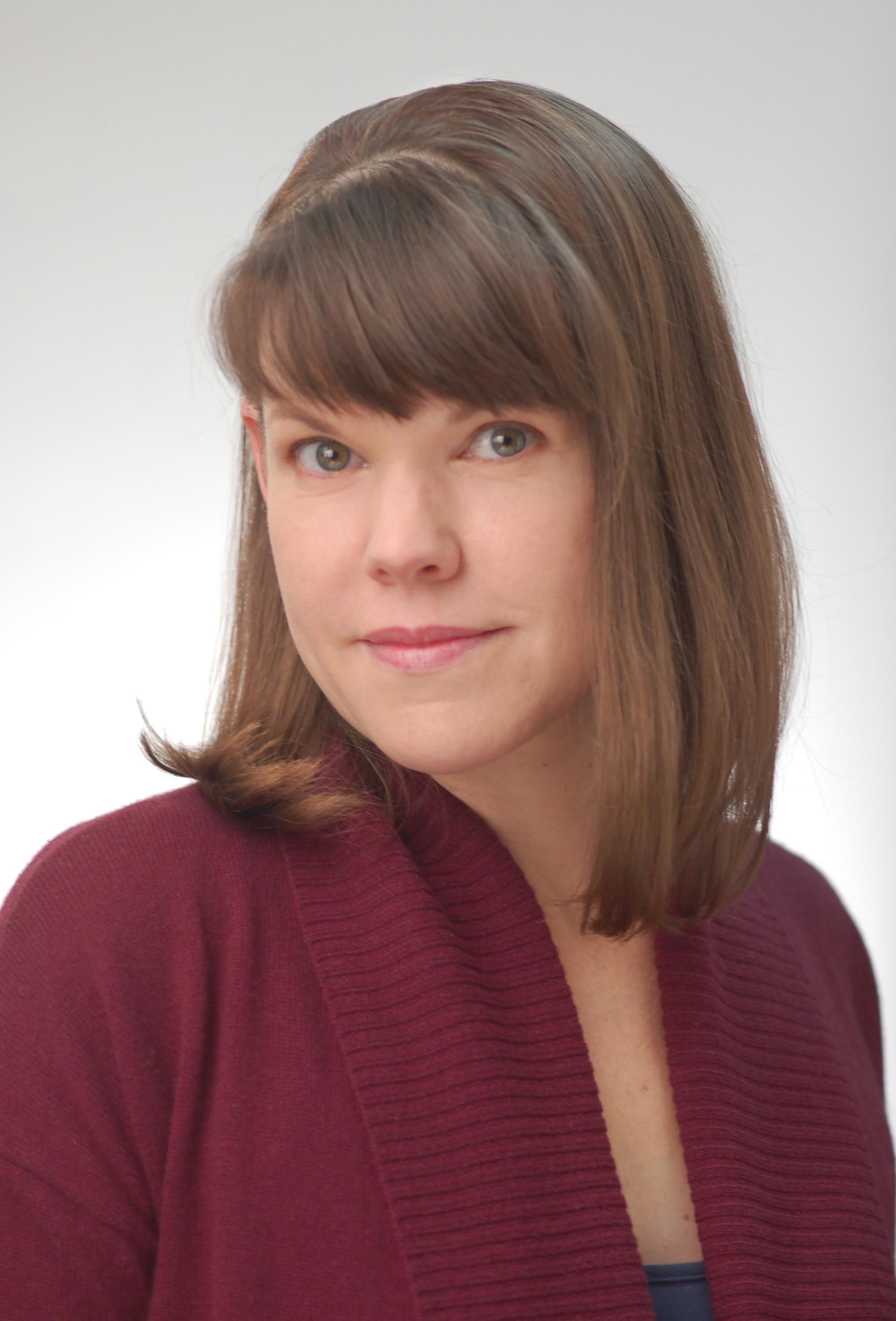
Marjoleine Kars. Photo by Marlayna Demond ’11 for UMBC.
In order to reach this level of success, Kars notes, history faculty have also depended on support from each other—in terms of sharing feedback, resources, and responsibilities—and from the broader university. She particularly credits a multi-tiered support system of seed funding—in the form of summer fellowships and research money from the College of Arts, Humanities, and Social Sciences, The Maryland Institute for Policy Analysis and Research, and The Dresher Center for the Humanities—as well as the help of Rachel Brubaker, associate director of The Dresher Center, with writing and submitting grant applications.
“This kind of support has been invaluable to our faculty as they work to hone their research and explore new opportunities for growth,” says Kars. “When I think about what has made the difference in our successfully competing for such major national and international fellowships, one core aspect of UMBC comes to mind: our collaborative community of scholars. This is what makes it possible for us to explore unique research opportunities around the world, and what draws us back to UMBC each time, to share what we’ve learned.”
Banner image: Christy Ford Chapin presents at Hilltop First Talk. Photo Marlayna Demond ’11 for UMBC.

UMBC’s Gloria Chuku receives international award for influential scholarship in Africana studies

Gloria Chuku, chair and professor of Africana studies, and affiliate professor of both gender and women’s studies and language, literacy, and culture, has received the 2017 Ali Mazrui Award for Scholarship and Research Excellence from the board of the Toyin Falola Annual Conference on African Diaspora (TOFAC).

The award honors the legacy of Kenyan-born professor Ali Mazrui, known for his research on African history and critical analysis of western influence in Africa. It acknowledges scholars whose academic work is substantial, rigorous, and original, and has a far-reaching impact on one or more disciplines within African(a) studies.

Chuku was honored as the first woman to receive the award at a special event during this year’s TOFAC gathering, held in July at the Adeyemi College of Education, in Ondo, Nigeria. Previous recipients include Nimi Wariboko, professor of social ethics at Boston University School of Theology, and Sabelo Ndlovu-Gatsheni, founder of the Africa Decolonial Research Network at the University of South Africa.

Chuku’s research spans continents and explores, in-depth, complex issues related to gender, cultural, ethnic, and religious differences and their intersections. Her first book, Igbo Women and Economic Transformation in Southeastern Nigeria 1900-1960 (Routledge, 2005), remains the most comprehensive study on Igbo women, covering all Igbo subculture zones.

“Through my undergraduate and graduate studies I realized that not much had been written on Igbo women,” says Chuku. “I remembered my grandmother, my mother, and of course all the powerful women of Igbo descent who accomplished a great deal, and whom I see as heroes and heroines. Their histories and experiences had not been captured and recorded. I thought, that is an area I should focus on when I have the opportunity to do my doctorate degree.”

In addition to honoring influential scholarship, the award also celebrates transformative leadership in higher education, and serves as a recognition of Chuku’s commitment to mentorship and student success.

“My goal is to help students advance their knowledge, their writing skills, and their analytical interpretation of historical evidence, as well as to graduate on time, be able to appreciate cultural diversity, and become better prepared to achieve their goals in life,” Chuku shares. “If I can help in a little way to help them accomplish their goals, I’ve done something.”

Chuku also presented a paper during the TOFAC conference. Using data from Belgian, English, French, German, and Portuguese colonial and mission education policies, she discussed formal education and women’s agency in colonial Africa. In addition to presenting, Chuku chaired a panel on indigenous education and knowledge systems in Africa, exploring values, crafts, trade, skills, and knowledge acquisition before Islam, Christianity, and Western education were introduced.

Connecting all of these projects is Chuku’s underlying passion for helping scholars, students, and broader communities better understand the past, present, and future of Africa.

Toyin Falola, the namesake of the TOFAC conference, will present UMBC’s annual W.E.B. Du Bois Distinguished Lecture (part of the Social Sciences Forum series) this fall. Falola is professor of history and Jacob and Frances Sanger Mossiker Chair in the Humanities at the University of Texas, Austin. The lecture will discuss contemporary African immigrant communities in the U.S. It will be held on November 8, 7 – 8 p.m., in the UC Ballroom.

Banner image: Gloria Chuku, chair of Africana studies. Photo by Marlayna Demond ’11 for UMBC.
Susan Sterett and Anne Brodsky begin new social science leadership roles at UMBC

UMBC’s College of Arts, Humanities, and Social Sciences is starting fall 2017 by welcoming new leaders for both the School of Public Policy and Maryland Institute of Policy Analysis and Research (MIPAR).

Susan Sterett, the new director of the School of Public Policy, comes to UMBC after serving three years as a professor in the Center for Public Administration and Policy and director of the Metropolitan Institute at Virginia Tech. Prior to that, Sterett was the program director for law and social sciences at the National Science Foundation (NSF) and an associate dean for the University of Denver’s Arts, Humanities, and Social Sciences academic unit. She is also currently co-chair of the Committee on the Status of Women in Political Science of the Western Political Science Association.

Sterett views higher education as having an essential role in American society today, and voices from the School of Public Policy as having great potential to impact national conversations on major issues.

“Universities can broaden our horizons and invite us to bring our inquiry to our communities,” she says, emphasizing, “UMBC’s proud tradition of excellence and public service are evident in the problems faculty and students in the School of Public Policy study, and the connection to communities that they bring.”

Sterett received her Ph.D. in jurisprudence and social policy from the University of California, Berkeley. Her research, teaching and writing focus on what people and institutions do with law and policy, particularly around social welfare issues. Her publications include the books Public Pensions: Gender and Civic Service in the States, 1850-1937 (Cornell University Press, 2003) and Creating Constitutionalism?: Professional Politics and Administrative Law in England and Wales (University of Michigan Press, 1997).

As director, Sterett says, “I plan to foster the success of current and incoming faculty, work to partner well across the social sciences, and deepen outreach to potential students, while supporting the School’s continued excellence in the policy areas of public management, health equity, environmental justice, and education equity.”

UMBC also celebrates Anne Brodsky‘s new appointment as interim director of MIPAR and special assistant to the dean for social sciences.

“I’m excited to join the wonderful MIPAR staff, help MIPAR continue its critical role in supporting public policy and the social sciences at UMBC, and explore next steps MIPAR can take to advance the cutting edge scholarship and community engagement being done in this area by our faculty, staff, and students,” she shares.

Brodsky received her Ph.D. from the University of Maryland, College Park in clinical and community psychology, and joined UMBC’s faculty in 1997. She is a professor of psychology and served as associate dean in UMBC’s College of Arts, Humanities, and Social Sciences from 2012–2016.

In 2016-17 Brodsky participated in the prestigious American Council on Education (ACE) fellows program. She was one of just 29 fellows from across the nation to participate that year, selected for their tremendous potential as leaders in higher education. Upon the announcement of her ACE fellowship, she shared, “I am particularly interested in issues of access, inclusion, participation, and retention at all levels of the university, as well as initiatives to promote the co-equal synergy of STEM, the social sciences, and all the liberal arts – a synergy that is necessary to contribute to changes in the real world that serve to enhance the university’s value to the community.”

Brodsky is a community/clinical psychologist whose teaching, research, and practice focus on individual and community resilience in relation to violence, poverty, racism, sexism, and other forms of oppression. She has worked with both immigrant and nonimmigrant communities in the Baltimore-Washington D.C. area, particularly with single, low-income mothers. She has also traveled extensively throughout Pakistan and Afghanistan for research, and works in the U.S. to raise awareness of the experiences of Afghan women. She is the author of With All Our Strength: The Revolutionary Association of the Women of Afghanistan (Routledge, 2004).

Don Norris, who served as director of MIPAR for 28 years and as director of public policy for ten years, including the transition of UMBC’s public policy programs from a department to a school, will now transition to an emeritus role. He notes that he looks forward to the vision and skill sets Sterett and Brodsky will bring to their new positions, reflecting, “After my 28 years at UMBC, I leave with excitement about the new directions and contributions that Susan Sterrett and Anne Brodsky bring to the School and MIPAR.”

Dean Scott Casper of UMBC’s College of Arts, Humanities, and Social Sciences shares in this excitement, commenting, “Susan Sterett brings to the School of Public Policy an impressive range of academic and administrative experience, including her important work at the NSF. Anne Brodsky’s contributions to UMBC and to community psychology are legion, and her ACE fellowship has deepened her already national field of vision. I look forward to their leadership in thinking expansively about and across the social sciences at UMBC.”

Banner image: Susan Sterett, the new director of the School of Public Policy. Photo by Marlayna Demond ’11 for UMBC.