All posts by: UMBC News Staff


Announcing Our New Dean of COEIT, Dr. Julia Ross

To: The UMBC Community
From: Provost Philip Rous

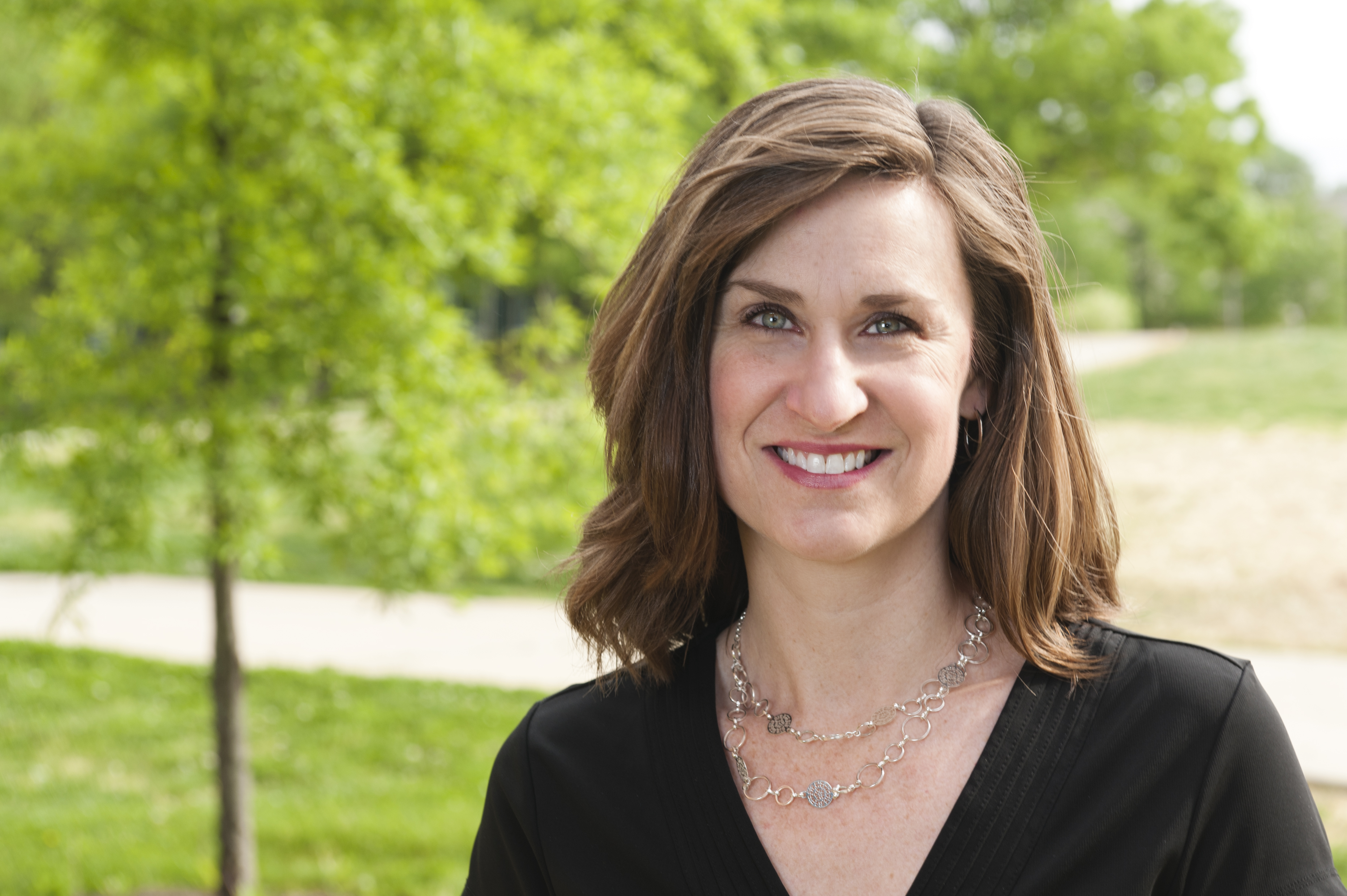
I am delighted to announce the appointment of Dr. Julia Ross as Dean of the College of Engineering and Information Technology (COEIT). Dr. Ross will begin her new role on August 4, 2014. Dr. Ross’s appointment brings to a successful conclusion a national search that was begun at the start of this academic year.

Dr. Ross received her Ph.D. from Rice University and joined UMBC’s faculty in 1995. Dr. Ross is currently the Constellation Professor of Information Technology and Engineering and professor of chemical, biochemical and environmental engineering. From 2006 to 2013, Dr. Ross served as chair of her department and one of her many accomplishments was a successful merger of two academic programs to form the Department of Chemical, Biochemical and Environmental Engineering. Most recently, Dr. Ross served as Special Assistant to the Provost for Inter-Institutional Research Initiatives and has been instrumental in enhancing research relationships and collaborations between UMBC and the University of Maryland, Baltimore, including the development of the UMB-UMBC seed grant program.

Dr. Ross has a distinguished record of scholarship in the field of bioengineering and engineering education, and is the author or co-author of over 50 peer-reviewed publications and the K-12 INSPIRES Curriculum. Since joining UMBC, she has been awarded nearly $7 million in external grants as PI to support her research. In 2008 Dr. Ross was elected as a fellow of the American Institute of Medical and Biological Engineering, and in 2013 she received the prestigious American Council on Education fellowship, the nation’s premier higher education leadership development program preparing senior leaders to serve American colleges and universities. Dr. Ross is known for her commitment to shared governance and for advancing opportunities for women and underrepresented minorities in engineering and information technology.

As dean of COEIT and as a member of UMBC’s senior leadership team, Dr. Ross will advance the mission of the university and the college by building strategically upon its strengths in the research and scholarly achievement of faculty, graduate and undergraduate students, while supporting continued success and excellence in the teaching and service missions of the college’s academic departments and programs. Dr. Ross will develop and promote activities that support and build a diverse faculty, and oversee faculty recruitment and development, promotion and tenure, and the appointment of department chairs and center directors. Dr. Ross will identify, develop, expand and sustain public and private partnerships and sources of research and extramural funding. She will collaborate with on-campus and off-campus partners and stakeholders to identify and engage in innovative strategies to strengthen research activity and infrastructure, technology transfer, venture creation and other economic development initiatives. She will also represent the interests of the college and the university to various constituencies both inside and outside of the UMBC community, and participate in campus-wide shared governance processes.

On behalf of the entire UMBC community I would like to express my sincere appreciation for the dedication and commitment of the members of the search committee, under the outstanding leadership of Professor Anupam Joshi, and for the contributions to this process made by our faculty, staff and students. UMBC is very fortunate to have someone of Dr. Julia Ross’s impressive experience and talent to serve as our next Dean of the College of Engineering and Information Technology. Please join me in congratulating her.
Learn more about Dr. Ross.

Safe House of Hope: Helping People Dream Again

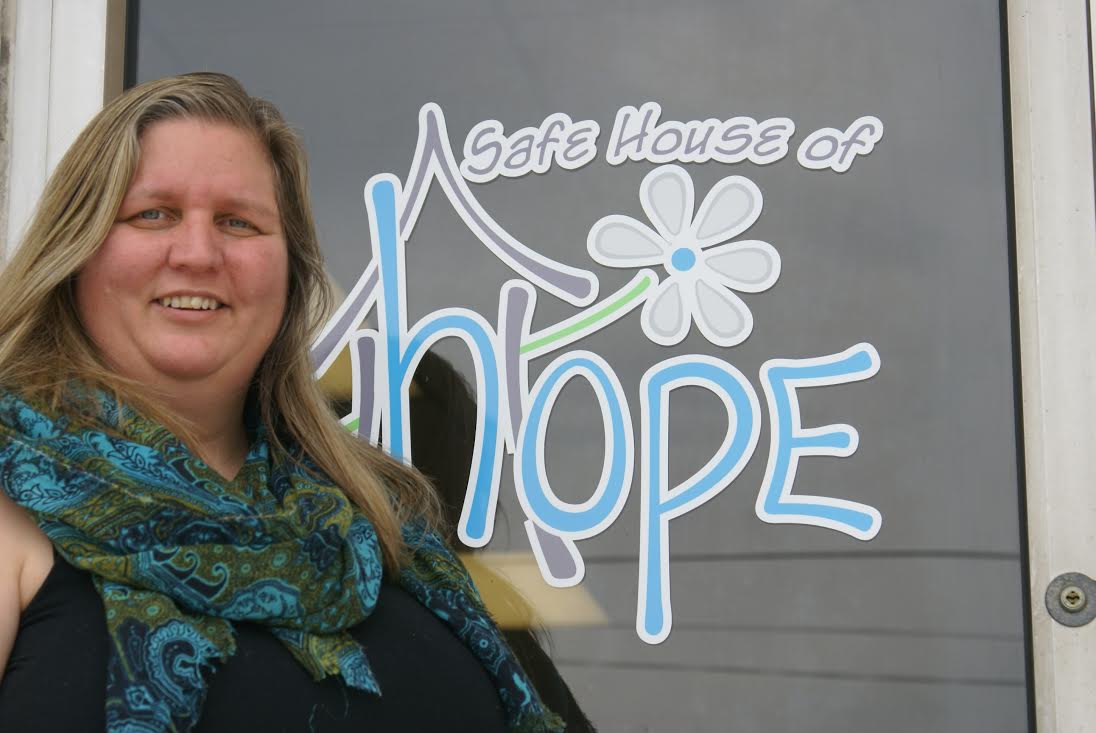
Everyone needs a place where they can feel safe. When people don’t feel secure, it is harder for them to experience love, belonging, and fulfillment. Enter Safe House of Hope. Founded in 2007 by Denene Yates ‘10, health administration and policy, Safe House of Hope is a place where women exploited through human and sex trafficking can feel safe. Yates feels uniquely connected to the women she now serves. She says she grew up without much love and support, and now, as a mother of seven, she understands the value of having a place of safety. Yates says starting this non-profit has been one of unexpected turns and discoveries – an adventure she never imagined.

unnamedShe took her first steps on this path when she got involved with You Are Never Alone (YANA), an organization that provided advocacy for women who had been victims of prostitution and sex trafficking. At first, she helped the group manage their budget, but she found herself drawn to YANA’s mission – she wanted to help the women YANA served gain the life-changing opportunities they had so long been denied.

“This is an epidemic, a big money industry,” Yates points out. It’s chilling to consider, but Yates explains that there are currently 27 million slaves worldwide – more than any other time in history – and that last year alone, the human trafficking industry made $33 billion.

Unfortunately, despite its critically needed mission, YANA struggled to support itself as an organization, and was faced with closing its doors. Sad to leave something she felt so passionate about, Yates was determined to keep YANA’s mission alive. After some time spent studying at UMBC, the fire inside was rekindled and the idea for Safe House of Hope was born.

UMBC helped turn her idea into a reality. She worked with her professors to design independent study courses that would allow her to transform the research and work of building an organization into college credit. She also found invaluable resources in the university’s Public Health Department, which emphasized the importance of prevention and improving health care systems. Yates even turned to UMBC’s Alex. Brown Center for Entrepreneurships and the Shriver Center for guidance and support as she worked through the process of becoming an established 501c3.

“I would not be here today if it weren’t for UMBC’s helpfulness in regards to providing resources, skills, and means to start this organization,” explains Yates. Now, Safe House of Hope is not just established – it’s flourishing. In fact, in 2013, the organization moved to its very own building on Curtis Avenue in Baltimore.

With its own facility and more space, Safe House of Hope has been provided with the opportunity to expand its services. Not only does it maintain its own building, but Safe House of Hope also has an emergency shelter, six beds, a drop-in center, a 24/7 talk line, a street outreach team, host families (families trained to have a client to live with them for a period of time), and a whole faculty of staff who work on community outreach activities such as Zumba, GED classes, and Bible studies. This year, Yates hopes to expand drop-in centers to three other communities with known street prostitution.

Yates considers herself part of a group of abolitionists determined to end modern-day slavery and encourages others to join her in this aim. She always tells her volunteers and those considering joining her team, “with just 10 hours of your time each month, we can change lives.” Not only does Yates believe this, she knows it. She has seen women’s lives altered before her very eyes – they find themselves homes, get jobs, and become self-sufficient. Because Yates knows that change is possible, she won’t stop fighting to make it happen.

While Yates does admit that starting a business – particularly one with work that can be so emotionally demanding – is challenging, it is this belief in the potential for change that pushes her to keep moving forward. It’s common for her clients to feel so stuck they won’t even want to think about tomorrow. But with hope in her eyes and passion in her voice, Yates explains that Safe House of Hope exists to “help people to dream again and to realize those dreams.” And being a part of that, she says, is worth every single second.

– By Jessie Orsburn

Have a story of your own to share?

President Hrabowski on Student Housing Podcast

President Hrabowski recently appeared in an interview on Join the Conversation, a podcast of the Student Housing Matters blog. In his interview, Dr. Hrabowski discussed his journey to become the president of UMBC, and the importance of passion and resilience in academic excellence. He also talked about how student housing impacts academic and personal growth, saying, “what student housing allows you to do is to give people a chance to know people from very different backgrounds… to become an independent learner and most important, to open their minds to differences of all types. ”

Join the Conversation features interviews with higher education leaders and authors on topics related to on-campus housing. Click here to listen to the podcast.

Announcing Our New Dean of COEIT, Dr. Julia Ross

A UMBC Community Message from Provost Philip Rous

I am delighted to announce the appointment of Dr. Julia Ross as Dean of the College of
Engineering and Information Technology (COEIT). Dr. Ross will begin her new role on
August 4, 2014. Dr. Ross’s appointment brings to a successful conclusion a national search that was begun at the start of this academic year.

rossDr. Ross received her Ph.D. from Rice University and joined UMBC’s faculty in 1995. Dr. Ross is currently the Constellation Professor of Information Technology and Engineering and professor of chemical, biochemical and environmental engineering. From 2006 to 2013, Dr. Ross served as chair of her department and one of her many accomplishments was a successful merger of two academic programs to form the Department of Chemical, Biochemical and Environmental Engineering. Most recently, Dr. Ross served as Special Assistant to the Provost for Inter-Institutional Research Initiatives and has been instrumental in enhancing research relationships and collaborations between UMBC and the University of Maryland, Baltimore, including the development of the UMB-UMBC seed grant program.

Dr. Ross has a distinguished record of scholarship in the field of bioengineering and engineering education, and is the author or co-author of over 50 peer-reviewed publications and the K-12 INSPIRES Curriculum. Since joining UMBC, she has been awarded nearly $7 million in external grants as PI to support her research. In 2008 Dr. Ross was elected as a fellow of the American Institute of Medical and Biological Engineering, and in 2013 she received the prestigious American Council on Education fellowship, the nation’s premier higher education leadership development program preparing senior leaders to serve American colleges and universities. Dr. Ross is known for her commitment to shared governance and for advancing opportunities for women and underrepresented minorities in engineering and information technology.

As dean of COEIT and as a member of UMBC’s senior leadership team, Dr. Ross will advance the mission of the university and the college by building strategically upon its strengths in the research and scholarly achievement of faculty, graduate and undergraduate students, while supporting continued success and excellence in the teaching and service missions of the college’s academic departments and programs. Dr. Ross will develop and promote activities that support and build a diverse faculty, and oversee faculty recruitment and development, promotion and tenure, and the appointment of department chairs and center directors. Dr. Ross will identify, develop, expand and sustain public and private partnerships and sources of research and extramural funding. She will collaborate with on-campus and off-campus partners and stakeholders to identify and engage in innovative strategies to strengthen research activity and infrastructure, technology transfer, venture creation and other economic development initiatives. She will also represent the interests of the college and the university to various constituencies both inside and outside of the UMBC community, and participate in campus-wide shared governance processes.

On behalf of the entire UMBC community I would like to express my sincere appreciation for the dedication and commitment of the members of the search committee, under the outstanding leadership of Professor Anupam Joshi, and for the contributions to this process made by our faculty, staff and students. UMBC is very fortunate to have someone of Dr. Julia Ross’s impressive experience and talent to serve as our next Dean of the College of Engineering and Information Technology. Please join me in congratulating her.

2014 May Commencement Ceremonies

From: Philip Rous
Provost and Senior Vice President for Academic Affairs

President Hrabowski and I cordially invite you to participate in the Commencement Ceremonies of the Undergraduate and Graduate School Programs. Doctoral and Master’s degrees will be conferred on Wednesday, May 21, 2014 at 10:00 a.m. in the UMBC Retriever Activities Center (RAC). Baccalaureate degrees will be conferred on Thursday, May 22, 2014 at 1:00 p.m. at the 1st Mariner Arena. As you know, these events mean a great deal to our students, their parents, and guests, so I hope you will make a special effort to share in their celebrations. You are welcome to participate in both ceremonies.

REGALIA

Faculty and staff who still want to order regalia may do so through May 5, with a late fee of $25. Regalia cannot be ordered after May 5.

Regalia will be available for pick-up Wednesday, May 7 through Friday, May 16. Faculty and staff must pick up regalia at the Bookstore during this period. If you have any questions, please call Gail Dupree at the Bookstore, at x 53904.

GRADUATE COMMENCEMENT – May 21 at 10 a.m.

LINE UP: Faculty/staff line up will be on court 1, in the multi-purpose gym (except mentors of Doctoral students, see below). Please enter the RAC at the main entrance. Line up will be directly downstairs, where light refreshments will be available. Faculty and staff may leave their belongings in this area, which will be monitored by a Student Marshal.

Mentors of graduating doctoral students are asked to line up with their students in the basement of the Sondheim Building, not in the multi-purpose RAC gym.

The procession begins promptly at 9:50 a.m.

R.S.V.P.: If you have not already done so, please be sure to R.S.V.P. if you plan to participate in the procession. For planning and seating purposes, we need the name of each faculty member who will process and any special mobility needs you may have. Click on this link to respond by Monday, May 5, 2014.

UNDERGRADUATE COMMENCEMENT – May 22 at 1 p.m.

LUNCH AND BUSES: You are invited for lunch at 11:00 a.m. at the 1st before the Undergraduate Commencement. Bus transportation from UMBC to the Arena will also be provided, leaving at 10:30 a.m. for lunch and 11:30 a.m. for ceremony only.

LINE UP: For the Undergraduate Ceremony, faculty and staff should line up at 12:15 p.m. at the 1st Mariner Arena. The procession begins promptly at 12:30.

R.S.V.P.: If you have not already done so, please be sure to R.S.V.P. by Monday, May 5, 2014, if you plan to participate in the procession for the Undergraduate ceremony. Click on this link to reply. Following is the information we need for planning and seating purposes.

  • Your name, whether you will come for lunch, and, if you need a bus to the Arena, whether you want the 10:30 or 11:30 a.m. bus. You will need the 10:30 bus if you come for lunch.
  • Please let us know if you have any special mobility needs. The 10:30 bus will be equipped with a lift.

For additional information about the 2014 May Commencement Ceremonies, please visit the Commencement website. We look forward to your participation in the Ceremonies.

Ellen Handler Spitz, Honors College, Publishes Chapters in New Book

A Spirit that ImpelsHonors College Professor Ellen Handler Spitz has published two chapters in a new book out this month titled, “A Spirit that Impels: Play, Creativity, and Psychoanalysis.” The contributing authors in the book look at creativity through a psychoanalytic lens and analyze great works such as The Scarlet Letter, Mahler’s Eighth and The Miracle Worker, as well as great artists Van Gogh and Lennon/McCartney.

The book brings together papers presented by scholars at an annual creativity seminar organized by the Erikson Institute of the Austen Riggs Center. The authors explore the central questions of how to understand the creative process, contributions of psychoanalysis to that understanding, and what opens up for psychoanalysis by engaging with creativity. For more information on the book, click here.

UMBC Hosts First Lavender Celebration

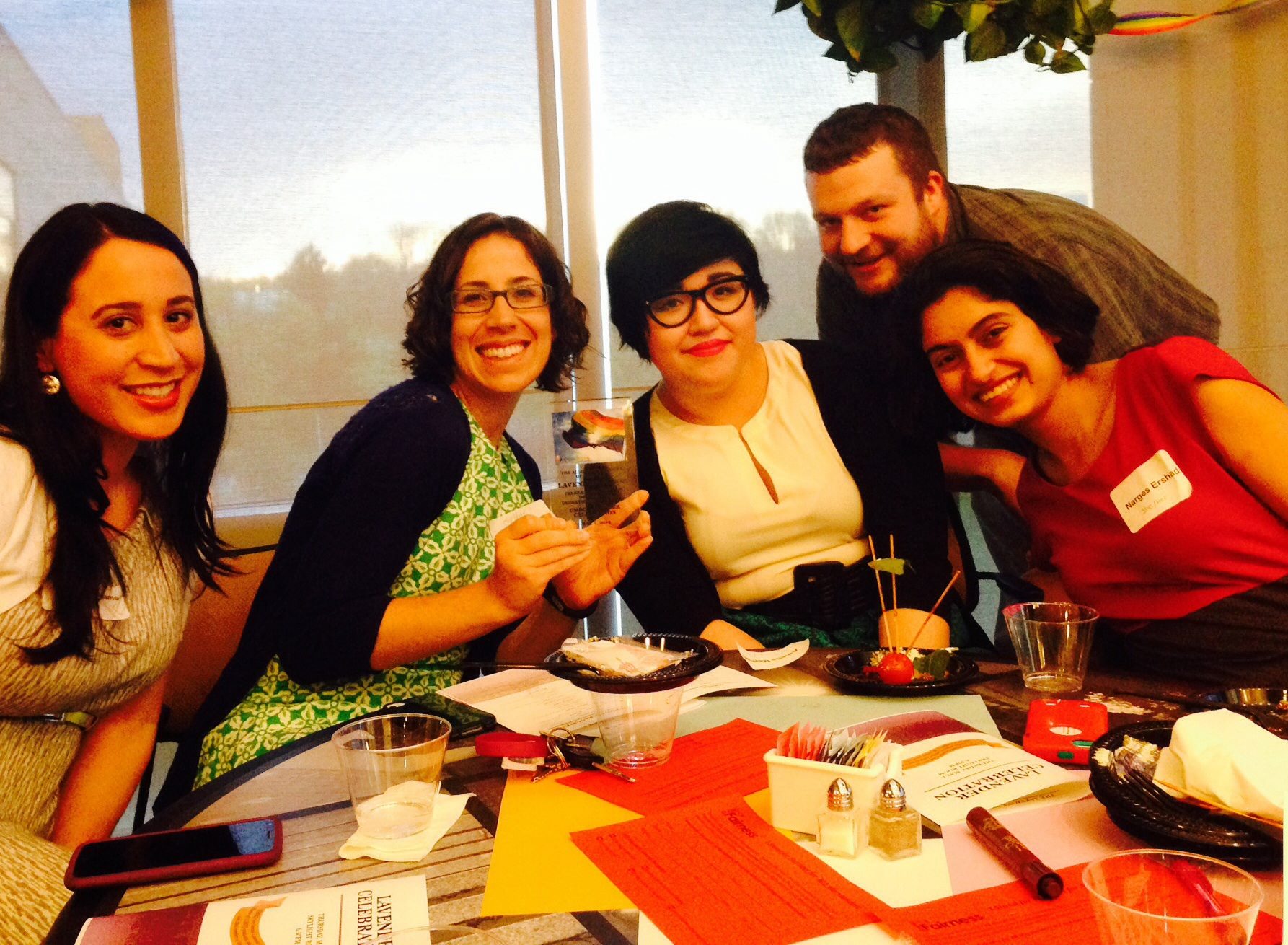
Lavender Celebration - WC Allied Office Winner 2014On May 1, UMBC hosted its first annual Lavender Celebration to honor graduating LGBTQ students and the contributions of allied community members to supporting campus inclusivity. Lavender Celebrations began at the University of Michigan in 1995, and the idea has spread to college campuses nationwide as a way to acknowledge and honor graduating LGBTQ students.

Nancy Young, Vice President for Student Affairs, opened the ceremony by praising the students’ active involvement in academics and campus life, saying, “You represent some of our most accomplished students.” Kim Leisey, Associate Vice President for Student Affairs, recounted UMBC’s LGBTQ history and the Lavender Celebration’s place in it.

The ceremony honored students, faculty, staff, departments and alumni who have contributed to making UMBC a safe and inclusive campus.

UMBC Celebrates Grand Opening of Science Learning Collaboratory

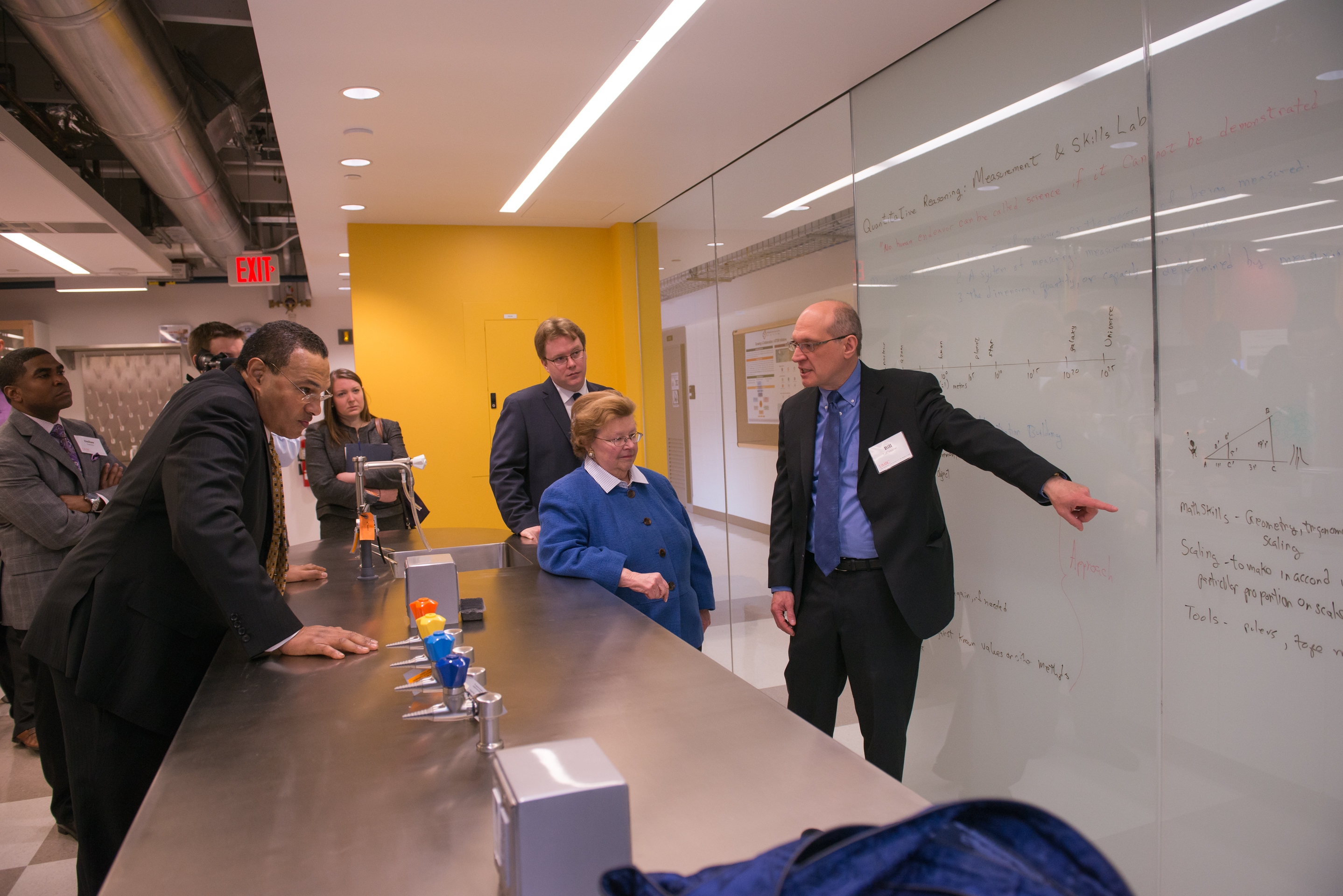
CollaboratoryOpening-4756On April 28, UMBC celebrated the opening of the Science Learning Collaboratory in a festive event featuring remarks by Senator Barbara Mikulski, Howard Hughes Medical Institute (HHMI) President Robert Tijan, President Hrabowski and CNMS Dean Bill LaCourse.

Located in the Meyerhoff Chemistry Building, the Science Learning Collaboratory is an innovative, interdisciplinary lab created through a partnership between UMBC and HHMI.

The event’s speakers discussed how important hands-on lab experience is to inspiring and preparing students in the sciences. Senator Mikulski remarked, “Right here at UMBC, you’re teaching the warriors of the future to go out and do things that no one had ever dreamed before.”

In the spirit of hands-on interdisciplinary learning, during the event faculty and students presented experiments that explored what “measurement” means in different fields: measuring something big (physics), measuring something small (biological sciences), measuring something invisible (chemistry and biochemistry), measuring matter (mechanical engineering), and measuring what matters (geography and environmental systems).

Click here to view Senator Mikulski’s remarks and here to read about the opening in the Baltimore Business Journal.

U.S. Treasury Deputy Secretary Raskin Visits UMBC to Deliver First Policy Address

raskinSarah Bloom Raskin, Deputy Secretary of the U.S. Treasury, visited UMBC on April 29 to make her first official policy address.

Raskin met with UMBC students for a roundtable discussion before her speech on college affordability and student debt. In her remarks, Raskin emphasized the importance of a college education for economic mobility and also explored key questions the U.S. Treasury is asking with regard to student debt, to make sure students make informed choices and strong educational investments. After her address, Deputy Secretary Raskin and President Hrabowski participated in a public discussion further exploring these issues.

Click here to read Deputy Secretary Raskin’s remarks, and see the links below for media coverage of the policy address.

 
Treasury official: College should be cheaper (CNBC)
Top Treasury Official Calls Out Education Department Over Student Loans (Huffington Post)
Obama administration flags big growth in student debt (Reuters)
Enrollment in Student-Debt Forgiveness Programs Soars in 2014 (Wall Street Journal)
Raskin’s first speech raps banks over student-loan defaults (Market Watch)
US Treasury sounds alarm over student loans (Yahoo! News)
Home Prices Made ‘Only a Partial Recovery,’ Raskin Says (Bloomberg Businessweek)
US’s Raskin: Need To Address Student Loan Debt To Protect Econ (MNI)

Advancing Excellence: Innovative Curriculum and Pedagogy

This is the third in a series of articles on the four focus areas that are part of UMBC’s strategic planning process.

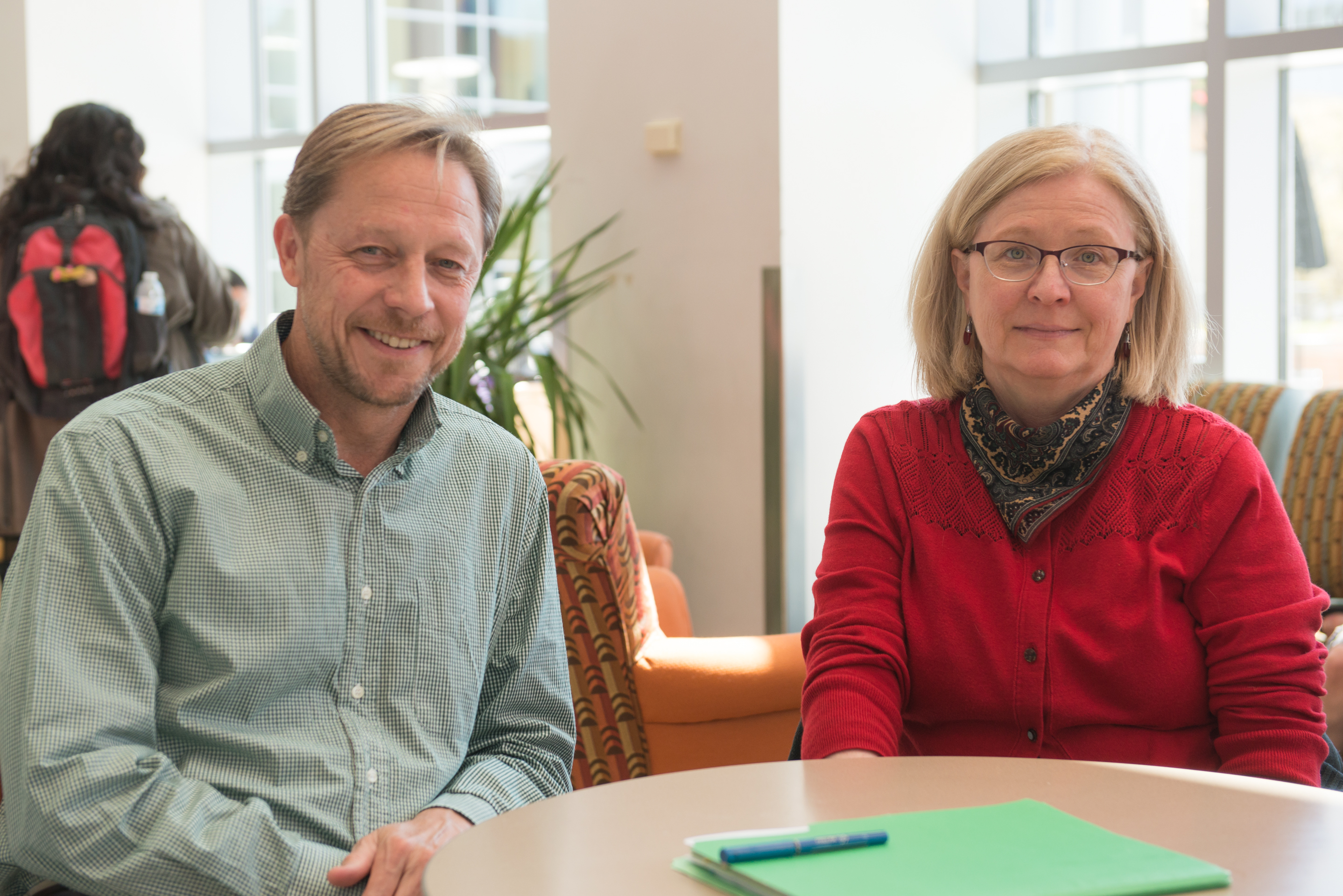
StrategicPlanning-2168The primary goal of the Innovative Curriculum and Pedagogy strategy group is to develop strategies and goals that will enable UMBC to continue its leadership in innovative curricula and academic programs that support and enhance undergraduate and graduate student success; prepare students for meaningful careers, lifelong learning, and engaged citizenship; and thereby maintain and enhance UMBC’s position as a national leader in undergraduate and graduate education.

Jeff Leips, associate professor, biological sciences, and Carole McCann, professor and chair, gender and women’s studies, bring significant experience in building programs at UMBC to their roles as co-chairs. Leips has helped implement major curriculum and program changes in UMBC’s undergraduate biological sciences, including new interdisciplinary minors. McCann has spent her career building the emerging scholarly area of gender and women’s studies, and also was part of the workgroup that developed the new global studies program.

The Innovative Curriculum and Pedagogy strategy group is examining the current profile of faculty, students and mix of programs; lessons learned from studies of retention and graduate rates at UMBC and elsewhere, as well as additional measurements for success; best practices at peer institutions and nationally for supporting curricular innovation; how best to balance existing and new programs and instructional duties of faculty; enhancement of classroom infrastructure, technology and faculty development; and best practices in faculty rewards and recognition. (A complete list of the Innovative Curriculum and Pedagogy strategy group research questions is available here.)

McCann says that one of the challenges that comes with studying curriculum and pedagogy is anticipating the changes that inevitably come with each new generation of students. “Classes aren’t static. Faculty have to reinvent classroom strategies and need the support to develop new approaches to student learning. At the same time, UMBC’s commitment to diversity takes continued thinking and planning.”

Leips adds, “It’s hard to predict anything except that change will happen, and whatever we develop, we know that will eventually change as well. So we look for ways to help keep the classroom flexible. For example, the “clicker” technology we’ve used in recent years to engage students in biological sciences is already changing. We have to keep up with technology and integrate changes, using them effectively for the benefit of our students.”

The group also will need to look at graduation and retention rates at UMBC and other institutions. “These are very important factors in our strategic planning. It’s one way of getting a sense of whether we are meeting students’ needs,” explains McCann. “But then we have to go beyond the stats and think about how we can measure our effectiveness in terms of what kinds of professional and public lives our students go on to. There’s also a balance in what programs we offer with regard to traditional liberal arts education; it’s not just about the latest fad in classroom techniques.”

“Any university has to facilitate our ability to respond quickly to change, both in the classroom and in the world,” says Leips. “We also need to think creatively about infrastructure and faculty support.”

Leips said he and McCann are thinking about creating subcommittees within the group to do research into teaching and learning at UMBC, and also what peers are doing. “We’re committed to doing the research to address the questions, not assume we already know the answers, as we engage with the group and the campus,” he shared. They also will engage with focus groups, meet with stakeholders, and attend faculty meetings.

“It’s an important moment for UMBC,” McCann reflects. “We’re used to relying on a simple organizational structure, and our work is now more complex and diverse. How do we build a process so we can support our planning, what to do, when to do it, and for what purpose? We can’t do everything at once, but we can plan.”

Rethinking Intellectual Activism Recap

13823811124_d2968e1829_zOn April 12, 2014 over one hundred graduate students, faculty, staff, and community partners gathered in UMBC’s Performing Arts and Humanities Building for the Rethinking Intellectual Activism graduate student conference. Presenters represented UMBC’s Language, Literacy and Culture (LLC) Doctoral Program and the departments of Geography and Environmental Systems, Public Policy, Psychology, and Sociology, as well as universities across the country, such as UCLA, MICA, George Mason, and the University of Louisville, and the world, such as University of Oxford, England, Sabancı University, Turkey and North South University, Bangladesh.

Presenters and attendees discussed a variety of topics connected to the notion of Intellectual Activism. They included: Social Justice Through Critical Participatory Action Research; Politics of Race, Ethnicity, Religion, and Gender; New Critical Perspectives on Service Learning and Community Engagement; Researching Political Action, Discourse, and Organizations; and Politics of Art and Art as Activism.

Dr. Kaye Whitehead, Assistant Professor of Communication at Loyola University and a graduate of the Language, Literacy and Culture Doctoral Program at UMBC, delivered the keynote speech, titled In Search of Your Magis: Taking a Moment to ReThink, ReEvaluate, and ReDiscover Intellectual Activism. In her speech grounded on the central question, “What kind of a scholar do you want to be?” and interwoven with episodes from her own inspiring life story, Dr. Whitehead talked about the importance of scholars finding their own paths to be/come intellectual activists or activist intellectuals who fight for social justice and make a difference in both others’ and their own lives through their knowledge practices.

Thanks to all the co-sponsoring academic departments, programs, and offices across the campus, whose support made this conference possible: LLC Doctoral Program; Office of the Vice President for Research; Department of Gender and Women’s Studies; LLC Graduate Student Organization; Department of Modern Languages, Linguistics, and Intercultural Communication; Department of American Studies; Department of Sociology and Anthropology; Department of English, and B’PAR Graduate Student Organization. Thanks also to the campus community of students, faculty members, and staff members, without whom this conference would remain as a dream. Next year’s LLC Graduate Student Conference is expected to add to the critical dialogues stimulated in this year’s conference.

Round-Up: UMBC In the News, 5/2

One of the things that makes UMBC great is how wonderful our alumni, students, faculty and staff are. Because of these amazing people, UMBC often finds itself “in the news,” so each week, we’ll be sharing with you a round-up of the most newsworthy achievements from our community.

Check out all the other great campus news on Insights Weekly.