
All posts by: UMBC News Staff


In Demand

Shriver 2010 Interns

Learn how some UMBC students spent their summer engaged in applied learning.
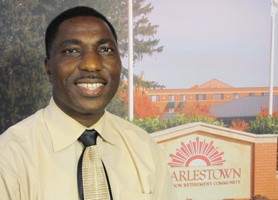


Kola Bakre
Intern
Erickson Retirement Communities – Charlestown, Catonsville, Maryland
Major:  Management of Aging Services
Expected Graduation Date: May 2011

Position Description:
As an intern, I learned about the process of community building and leadership development. I gained valuable knowledge and experience, and practiced a variety of skill sets including group facilitation, event planning, publicity and display arrangement, among others.

“Charlestown is a great organization that will help shape your future. I couldn’t have asked for a better internship. I enjoyed the exposure and support I got from different departmental heads and co-workers in the community.”
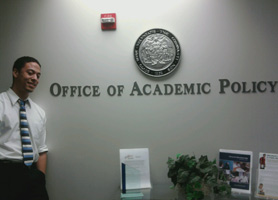

Nadeesha Ranasinghe Arachchige

Richard Blissett
Governor’s Summer Intern
Maryland State Department of Education, Division of Academic Policy, Baltimore, Maryland
Major(s): Bioinformatics and Computational Biology
Expected Graduation Date: May 2011

Position Description:
In my position, I had the opportunity to observe and participate in many different aspects of the field of education. I visited an academy that helps biology teachers, looked at the issue of racial bias in the SAT, reviewed and cataloged nominations for parent involvement, put together content for STEM materials and participated in Maryland’s Race to the Top effort.

“An internship is a learning experience, so while it can also be where the rubber meets the road, I think the most important thing about this real-world experience is that it helps you figure out what kind of car you want to drive.”
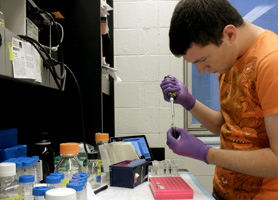

Brian Brown
Summer Intern
Johns Hopkins Bloomberg School of Public Health, Baltimore, Maryland
Major(s): Biochemistry and Molecular Biology
Expected Graduation Date: May 2013

Position Description:
I worked in the Malaria Research Institute with Dr. David Sullivan on the malarial pigment, hemozoin. This summer, I had a three-part project. First, I investigated the conditions required to grow large hemozoin crystals in order to further understand their morphology by X-ray diffraction. I also worked on determining a pattern in the susceptibility to hydrogen peroxide degradation of hemozoin crystals produced by Plasmodium parasites with certain genes knocked out that code for hemozoin formation. And finally, I tried to understand if a group of antimalarials called quinolines inhibit heme degradation by performing a hydrogen peroxide degradation assay.

“I really liked being given pretty much full responsibility for my work. I received guidance from my mentor, but in the long run, all the data I gathered and presented was my own, and I found that exciting. Having credits on my transcript that show that is just the icing on the cake. If it weren’t for the Shriver Center, I’m not sure where I would have been this summer, or if I would even be participating in my first-ever research experience!”
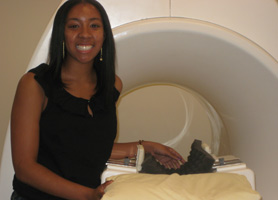

Sarah Blusiewicz

Elisia Clark
Summer Intern
Harvard University, Cambridge, Massachusetts
Major: Biochemistry
Expected Graduation Date: May 2012

Position Description:
For my internship assignment, I used fMRI techniques to study the hippocampus, which is a part of the brain that is involved with memory, and try to read what people are thinking. Volunteer subjects participate in a virtual maze while in the MRI machine. At the beginning of this maze they are shown a face or an object and have to work their way through the maze to find that same face or object hidden in a room, while using their memory skills. I used Multi Voxel Pattern Analysis to train and test this program in Matlab with incorporated intelligence to help tell me what the person is thinking at different parts of the maze, which gave us some information on what parts of the brain are being activated during decision making.

“Choosing to spend my summer participating in an internship helped me to gain experience in my field of interest for graduate school.  Prior to starting this position I didn’t have any knowledge of this subject. But I wasn’t scared to try and learn something new, and my experience has been very rewarding!”

Jillian Dembek

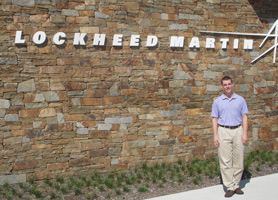
Thomas Davis
College Student Technical Specialist
Lockheed Martin, Information Systems & Global Solutions, Gaithersburg, Maryland
Major: Computer Science
Expected Graduation Date: May 2011

Position Description:
At Lockheed Martin, I provided technical support on government-related contracts awarded to the company.  To that end, my work ranged from documenting various processes, to testing software and lab-based computer workstations, and preparing software and related media for delivery to various government customers.

“Through interning with Lockheed Martin, I have been afforded the opportunity to extend my classroom learning to an ever-growing, ever-changing information technology field, and have come out of this experience with a set of tools that will prepare me for my future work.  The Shriver Center has started me in the right direction toward a rewarding career after college.”

Iffat Fatima

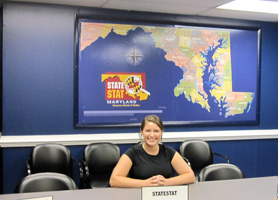
Hannah Dier
Governor’s Summer Intern
Governor’s StateStat Office, Annapolis, Maryland
Major(s): Political Science & Media and Communication Studies
Expected Graduation Date: Spring 2011

Position Description:
As a StateStat Intern, I supported analysts in developing and monitoring performance measures for state agencies, prepared meeting memos and summaries, attended weekly Stat meetings with participating state departments, and developed social networking web pages. Because I also participated in the Governor’s Summer Internship Program, I was also responsible for participating in a group policy analysis project. My group’s topic was cell phone confiscations in correctional facilities.

“I have been involved with the Shriver Center since I began participating in service- learning at the beginning of my freshman year at UMBC. In the past three years, the Shriver Center has been a great asset as I have explored different volunteer and internship positions that complement the work that I am pursuing through my majors.”

Iffat Fatima

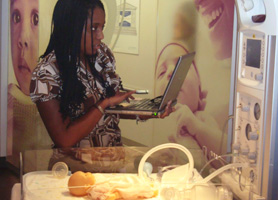
Deanna C. Easley
Early Identification Program Intern
GE Healthcare, Maternal Infant Care Site (MIC), Laurel, Maryland
Major: Mechanical Engineering
Expected Graduation Date: May 2012

Position Description:
As an intern, I was at the forefront of helping the company release some new product offerings by working cross-functionally with other teams on and offsite to ensure necessary tasks get done in a timely manner. For the first part of the summer, I essentially filled the role of a lead project integrator. For the latter half of the summer, I assisted in the creation of a design for a product in order to satisfy customers of a specific market and help expand the current product offered more globally, which will help increase revenue for the company.

“Some of the benefits of participating in this internship have been building long-lasting relationships, career building and hands-on experience. The value of hands-on experience to apply what has been taught in the classroom is priceless.   I got to be a large part of upcoming projects, and sometimes I even worked with the engineers that created some of the products MIC currently offers.  Being in that environment exposed me to what it would feel like to work for a company, because interns are fully involved and observe projects.”

Iffat Fatima

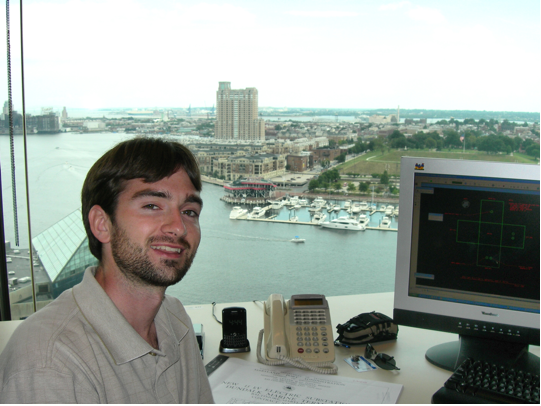
Jonathon Edmands

Maryland Department of Transportation Fellows Intern
Maryland Port Administration, Division of Engineering, The World Trade Center, Baltimore, Maryland
Major: Mechanical Engineering
Expected Graduation Date: December 2011

Position Description:
I was involved in multiple large-scale contracts for the World Trade Center Baltimore (WTCB) and for Baltimore’s critical Marine Terminals.  My efforts focused on the review of electrical and mechanical components of each contract, including the review of technical specifications, special provisions, and CAD drawings.  I attended many site visits to confirm existing conditions for certain contracts and to address any issues or discrepancies in the drawings.  I also participated in a land survey study and attended progress meetings for ongoing MPA projects.  Additionally, I had many opportunities to apply my mechanical engineering knowledge and experience by analyzing heat exchangers and general HVAC systems at the WTCB, and by contributing to a manhole survey project involving generation of electrical manhole drawings using the “MicroStation” CAD software.

“The MDOT Fellows Internship Program, organized through the Shriver Center at UMBC, was an excellent match in terms of my work experience and college background.  The engineering and professional experience I gained was invaluable.  My mentors made an effort to get me involved in contracts/projects of interest as much as possible.  I received college credit, earned a stipend and developed a profound interest in pursuing a future career choice with the MPA.  I give many thanks to the Shriver Center for helping me out with the internship application and placement process.”

Iffat Fatima

Adam Gerber
Summer Intern
Institute of Mental Health (NIMH) at the National Institutes of Health (NIH), Bethesda, Maryland
Major: Interdisciplinary Studies, Neuropsychology
Expected Graduation Date: May, 2013

Position Description:
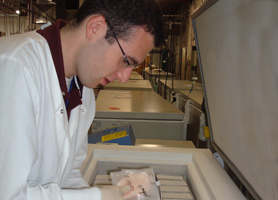
Along with two other interns, we investigated risk genes shared between autism spectrum disorder and schizophrenia that would correlate the two diseases.  I also had the opportunity to observe schizophrenic patients during rounds.

“Interning at one of the premiere institutions for research, I had the fantastic opportunity to engage in research with fellow peers and to bring the classroom into actual practice.  Observing schizophrenic patients during rounds put into perspective how crucial my scientific research could impact the lives of people who have these disorders.  NIH has motivated me exponentially to continue my journey at UMBC in the area of neuroscience.”

Iffat Fatima

Andrew Guseman
Summer Intern, Fuel and Air Controls Design
GE Aviation, Cincinnati, Ohio
Major: Mechanical Engineering
Expected Graduation Date: May 2011

Position Description:
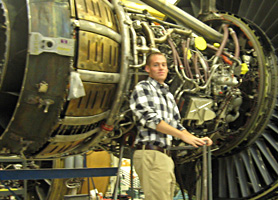
As an intern, I worked in the fuel and air control design group within GE Aviation.  We designed the fuel system of airplane engines including all the fuel-draulic components. I worked to develop the fuel system architecture for future engine designs and made a software model to analyze fuel flow data for the GEnx engine.

“Summer internships are great because they give you real exposure to the working world.  It’s nice to see how the things we learn in the classroom are actually used in real life, they aren’t just random theories thrown into textbooks.  It’s also a great way to stay busy over the summer, make some money and jump-start your career.”


Riley Hansen
Document Publishing Intern- Print & Mail
T. Rowe Price, Owings Mills, Maryland
Major(s): Financial Economics and Business Technology Administration
Expected Graduation Date: May 2013

Position Description:
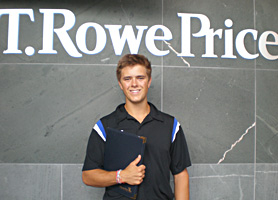
My internship position entailed negotiating, purchasing and coordinating offset printing and direct mail services for the full T. Rowe Price enterprise. I also collaborated with the firm’s marketing groups to provide direct mail services related to marketing and shareholder communications. This position required me to analyze and manage material production for legal compliance.

“This internship with T. Rowe Price truly allowed me to meet great people and develop relationships that will last a lifetime.  I feel very fortunate to have this opportunity to intern with T. Rowe Price; not only does it allow me to gain great work experience but I also earn college credit.  The Shriver Center is a great tool for helping students of any age find an internship that appeals to a person’s interests. I could not have attained my internship alone, I am very thankful for the help that was provided by the Shriver Center!”



William Hathaway
Intern
The National Geographic Society, Washington, DC
Major:  Environmental Studies
Expected Graduation Date: May 2011

Position Description:
I worked within the Image College for the National Geographic Society.  My work mainly consisted of editorial projects and helping to add photos from early editions of the National Geographic Magazine into the collection and researching said photos to ensure accuracy of captions.

“You get a feel of what it’s like to work in an area/industry you are interested in, and contacts are everything- especially in photojournalism.  It is crucial to have people that can vouch for you and who actually know who you are and what you can do.”


Alesia Hovatter
Health Policy Analyst Intern
Centers for Medicare and Medicaid Services (CMS), Office of Clinical Standards and Quality (OCSQ), Quality Measurement and Health Assessment Group (QMHAG), Division of Ambulatory Care (DAC), Baltimore, Maryland
Major:  Public Policy—Concentration in Health Policy, Ph.D.
Expected Graduation Date:  May 2012                          

Position Description:                 
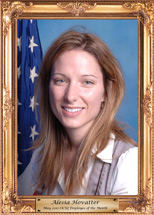
As a health policy analyst, I compose regulation language and develop briefing documents/materials, in collaboration with staff across CMS, for the Electronic Health Record Incentive Program rule.

“Growing up in rural Virginia I always wanted to work for the federal government and The Shriver Center helped guide me down the path to make this happen.  My internship led me to a full-time job at CMS.  The benefits of an internship with the federal government are many.  I began my internship with CMS in April 2009, and I have had the opportunity to work with many knowledgeable staff across CMS on the Resident Assessment Instrument for the Minimum Data Set (MDS) 3.0 to most recently working as a rule writer.  Every day at CMS has been challenging and rewarding, especially during the recent passage of the American Recovery and Reinvestment Act and health care reform legislation.”
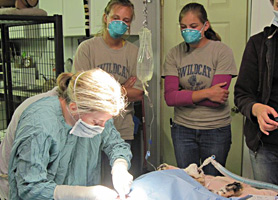


Grace Kahler
Animal Care Intern
The Wildcat Sanctuary, Sandstone, Minnesota
Major: Psychology- Animal Behavior
Expected Graduation Date: May 2011

Position Description:
We fed, cleaned and cared for over 100 wild cats that have been abused, neglected, abandoned or orphaned. From hybrids (Bengals and Savannahs) to lions and tigers, we help every day. We provided enrichment from frozen blood balls, to scents and paper mache monsters. We built new enclosures for old and incoming residents. We read case studies and books on the residents of TWS and learned what goes on behind the scenes. We had individual intern projects and put lots of sweat, blood, and hundreds of band aids into them. There is nothing glamorous about the work of an intern, but at the end of each day we lie down with a smile on our faces.

“The best part of my internship was knowing that every day I have improved the lives of these amazing animals. Remember to keep the wild in your heart, not in your home.”



Jennifer Mercer
Intern – Victim/Witness Waiting Room
Baltimore City State’s Attorney’s Office – Juvenile Division, Baltimore, Maryland
Major(s): Interdisciplinary Studies – Women and Law
Expected Graduation Date: May 2012

Position Description:
The office where I worked is designated as a special area for crime victims and prosecution witnesses to wait until the assistant state’s attorney assigned to the case is ready to talk to them about their testimony and/or to take them to court. My responsibilities included signing people in, notifying their assistant state’s attorney that they are present to testify, preparing victims’ contact information for attorneys and support staff and sending letters to victims and witnesses reminding them of their attorney’s need to speak with them prior to their hearing date.

“Handling numerous case files every day has taught me about the impact of juvenile delinquency in Baltimore through the eyes of the victim and the juvenile, as well as parents, schools, the justice system, and the citizens of Baltimore. Most of all, my contact with victims of crime has encouraged me to further pursue the field of criminal law in order to prevent others from enduring the pain of victimization. Working alongside the devoted professionals in the State’s Attorney’s Office has strengthened my resolve to fill their shoes in the future.”



Jamal Molin
Cybersecurity/Networking Intern
SAIC (Science Applications International Corporation), Columbia, Maryland
Major(s): Computer Engineering
Expected Graduation Date: May 2011

Position Description:
I worked on a number of cyber and networking defense projects for scientific, engineering, and technology applications to solve problems of vital importance to the nation and the world, in national security, energy and the environment, critical infrastructure and health.

“The UMBC Shriver Center was very supportive during my search for a summer internship. I am grateful that the Shriver Center opened my eyes to this opportunity to intern at SAIC, a Fortune 500 company.  I am thankful that, as an undergraduate, I get to experience computer engineering work on the professional and corporate level.”



Katrin Patterson
Walter Sondheim Jr. Maryland Nonprofit Leadership Program
Heathcote Community, Freeland, Maryland
Major(s): Anthropology and Gender & Women’s Studies
Expected Graduation Date: May 2011

Position Description:
I interned at Heathcote Community, an intentional community in northern Baltimore County. It was a crash-course in gardening, cooking, marketing, fundraising, budgeting, managing a non-profit, living in a community and more. My assumptions about relationships, truth, and contemporary society were challenged on a regular basis, and every day brought an opportunity to learn something new.

“The benefits of interning over the summer are plenty! I didn’t have to worry about another job or classes, I received credit for work that I think is meaningful, I feel supported by my university, and I increased my skill set and enhanced my marketability.”



Jeddalyn Puzon
Business Systems Analyst Intern
PNC Financial Services, Strongsville, Ohio
Major(s): Information Systems and Visual Arts: Photography
Expected Graduation Date: May 2011

Position Description:
I worked as a part of the Technology Department of PNC Financial Services. I helped with managing the different projects that occurred during the National City acquisition such as closing and updating projects through the project management tool, Clarity. I also designed databases for project audits that organized and simplified the way records were kept for project managers.

“Interning for PNC Financial Services the summer before my senior year is possibly one of the best decisions I have ever made. I learned and experienced first-hand the roles of the business analyst and project manager in a corporate setting, which has helped me decide the path that I need to take after graduation. I believe that networking with people that had the same goals as me has helped my professional growth.”
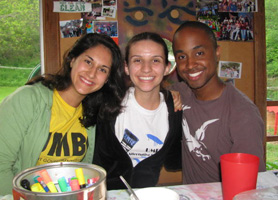


Yasmin Radbod
UMBC Fellow/Project HEALTH Volunteer
STEM at North Bend Elementary/Middle School and Cherry Hill
Project HEALTH at St. Agnes Hospital in Baltimore, Maryland
Major(s): East Asian History and Geography
Expected Graduation Date: May 2013

Position Description:
As a UMBC Fellow, I spent two days a week with North Bend middle school students. It is a summer enrichment program called Learning Through Experience and is funded through a grant from the Maryland Higher Education Commission called ACCES: Adventures in College & Career Exploration in STEM (Science, Technology, and Math).

For Project HEALTH, I visit the clinic at St. Agnes Hospital once a week for two hours at a time to consult with clients to find out if they have any needs such as housing, food, employment, insurance, etc. I connect them with resources and follow up with my clients until the case is closed.

“My studies at UMBC serve the purpose of giving me the skills I need to assist others, whether that be refugees, indigenous populations, people placed into poverty, my family, my friends, my neighbors or my coworkers. The Shriver Center, meanwhile, gives me the hands-on experience necessary for me to be successful in the human rights work I plan to pursue in the future.”
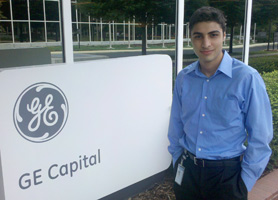


Michael Rahimi
Information Management Leadership Program (IMLP) Intern
GE Capital, Stamford, Connecticut        
Major: Information Systems
Expected Graduation Date: May 2011

Position Description:
At GE Capital, the environment is fast paced and interns are empowered to drive deliverables for the projects they are assigned to. I learned that information technology is not just about support. IT’s value is in improving everything and anything that touches internal and external customers. Working for a global company means that it is common for members of your team to be located all over the world. Every day brings a new challenge and the whole experience is incredibly rewarding.

“I have gained invaluable corporate experience working for one of the largest and most innovative companies in the world. I networked with experienced professionals who provided me with industry insight and offered me motivation and mentoring. On top of all these opportunities, I gained academic credit in the process.”
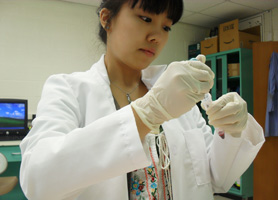


Jacqueline Ross
Research Assistant Intern
Maryland Psychiatric Research Center, Baltimore, Maryland
Major(s): Psychology and Biology
Expected Graduation Date: MAY 2011

Position Description:
I conducted schizophrenic research – understanding adolescent brain development and how gonadal steroids like estrogen and testosterone impact this process to influence behaviors that are disrupted in mental illness. The research examines sex-specific neuroanatomical, behavioral and brain gene expression changes that occur during adolescence in the context of preclinical models of psychiatric illness.

“My internship at the MPRC gave me so much not just as a student learning at a research center, but as a new scientist in the biopsychology field. From giving surgical implants to running assays, I was able to continually hone my lab techniques. To be involved in research that can potentially apply not just to the scientific community, but also to the general population, brought a great feeling about and purpose to my contribution.”
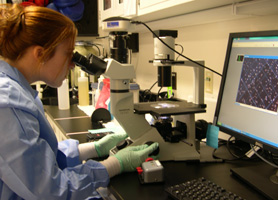


Kaitlyn Sadtler
Technical Aide
Johns Hopkins University Applied Physics Lab, Laurel, Maryland
Major: Biological Sciences
Expected Graduation Date: May 2011

Position Description:
JHUAPL has a summer internship program for undergraduate students. I worked in the Applied Biology, Chemistry and Nuclear Sciences Group, and researched bioremediation to degrade trace explosives, and a detection method for enterotoxins.

“The internship allowed me to experience a real laboratory setting. No matter how many lab courses you take at school, nothing compares to having the ability to research a topic that could introduce something completely novel to an ever-expanding field, and allows you to meet new people and talk with them about their research.”
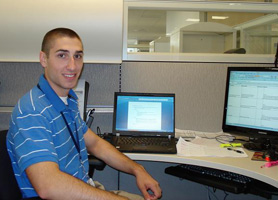


Daniel Sallitt        
IT Intern/Associate
CareFirst BlueCross BlueShield Corporate HQ, Owings Mills, Maryland        
Major: Information Systems
Expected Graduation Date: May 2012

Position Description:
I was a member of the Information Technology Best Practices & Planning Team at CareFirst BCBS, a major health insurance provider in Maryland and Washington, D.C. Our team was responsible for tracking all of the projects in development in the Information Technology division of CareFirst. We generated comprehensive reports and regularly presented our findings to the VPs, the CIO and CEO. The IT division at CareFirst employs over 600, so it was a great way to experience working in the corporate world for the first time.

 “The representative from the Shriver Center that I met with, Casey Miller, personally emailed me and recommended the summer intern position at CareFirst, so I took his advice, applied and ended up having a great experience. I would recommend this internship to any undergrad information systems major, and I may not have even applied for it if it wasn’t for the Shriver Center.”
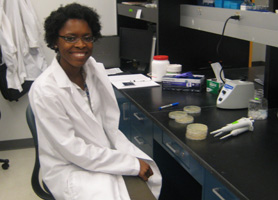


Christelle Samen
Summer Intern
Johns Hopkins Malaria Research Institute, Baltimore, Maryland
Major(s): Biochemistry and Molecular Biology
Expected Graduation Date: May 2011

Position Description:
My project was to investigate whether selected species of the mosquito’s natural bacterial flora are mediating inhibitory activity on the development of Plasmodium (the parasite responsible for malaria) through the IMD innate immune pathway. To carry this out, I injected Anopheles gambiae mosquitoes, co-fed them with field-isolated bacteria and P. falciparum, and counted oocysts to determine parasite infection levels. Further assays using Anopheles cell lines and selected bacteria were performed to investigate the capacity of the bacteria to activate anti-Plasmodium immune effectors and identify potential bacterial candidates for Plasmodium control agents.

“Choosing to spend your summer participating in an internship allows you discover strengths and weaknesses, identify areas of interest and determine what career path is best for you.”



Maria Satyshur
Marketing Intern
Urbanite Baltimore and Light Industries, Baltimore and Millersville, Maryland
Major(s): Media and Communication Studies with minors in Journalism and Music
Expected Graduation Date: May 2011

Position Description:

Urbanite: I was part of the marketing team for Urbanite magazine, a Baltimore-based magazine about arts, culture, food, news, sustainability and anything else you could think of. I worked on a presentation analyzing Urbanite’s use of social media with the launch of its new e-zine campaign and website. I also worked at local events like Artscape and on other marketing efforts.

Light Industries: I was a marketing intern for Light Industries Technology Solutions. I surveyed customers from a recent merger in efforts to better understand our communications with them and how we might work with them in the future.

 “Getting an internship through the Shriver Center meant that I knew I was going to be in a place where learning was a priority.”
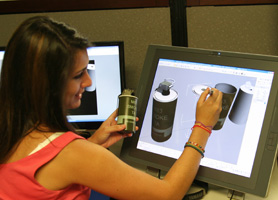


Anne (Griffy)Tanenbaum
Contract Intern
Internship through Oak Ridge Institute for Science and Education (ORISE), Edgewood, Maryland
Major: Graphic Design
Expected Graduation Date: May, 2011

Position Description:
I did design work for the Conceptual Modeling and Animation Team at ECBC, in the Edgewood branch of the Army Research Lab. I used Photoshop to create real-looking textures and then applyed them to the surfaces of objects (such as smoke grenades) that are modeled in 3-D and animated to help soldiers understand what they look like and how they work. I also designed the interface of a website in Flash that includes a gallery of the many projects my team has done for customers.

“It was wonderful to have an internship because I was paid, received credit from UMBC and gained invaluable experience in the world of applied graphic design. Without this crucial step between school and a career, I would definitely have a much harder time getting hired after graduation.”



Abigail Urbanas
Pricing and Estimating Summer Intern
AAI Corporation, Hunt Valley, Maryland
Major(s): Financial Economics and Accounting Certificate
Expected Graduation Date: May 2011

Position Description:
I worked in the Pricing and Estimating department at AAI. Our main goal was to take the estimates we received from the engineers and project managers to come up with the most accurate price we can for our customers. In addition, we provided many graphs, charts and reports to assist our project manager in selling our product to our potential customer. I  worked with Excel to create macros, which helped us import information more efficiently and create easy to comprehend and organized reports and charts.

 “My internship has taught me so much about where I can go with my education and what I can do in the future. It was also wonderful knowing that my internship would appear on my transcript, and I earned extra credits for the fall semester. Since I am planning on taking the Certified Public Accountant exam (which you need 150 credits in order to take) it was a really nice way of earning extra credits.”



Daniel Wienhold
Engineering Intern
Baltimore Gas & Electric (BGE), Front Street Office, Baltimore, Maryland
Major: Mechanical Engineering
Expected Graduation Date: May 2012

Position Description:
As a mechanical engineering intern, I worked in the Program Management Unit which is part of the Regulatory Programs Department. I met with project/program managers to discuss their individual programs and then formulate process flow charts for each. These charts were posted on one of the company’s websites to inform new hires of the programs/projects. I also managed the restoration/replacement/relocation of light poles that are within violation of new clearance codes. The mitigation cost for my 34 light poles was $144,000 and is part of a $5.5 million program.

“One of the benefits of having an internship like this is the real-life experience that gives you a feeling of what you might be interested in after college. It’s also a great experience to work on your communication, networking and team-building skills. You become more competitive in the job market.”

Winning Season

Winning Season

After competing in three international Society of Automotive Engineers (SAE) events this year, UMBC finished in second place for the 2010 season. The UMBC Baja team is the number one team in the U.S. (first place went to Ecole de Technologie Superieure (ETS) of Montreal.).

“We finished in the top ten in all three events. Only seven other teams in the history of Baja have done this,” said Steve Storck, a Ph.D. student in mechanical engineering and captain of the Baja team. As a long- time member, this is a long-awaited achievement.

In April the UMBC Baja team traveled to Greenville, South Carolina, to compete in the first SAE Baja race of the year. Along with 100 international teams, they competed in five dynamic events: acceleration, towing, suspension and traction and maneuverability. There were also static events such as design and cost. Impressively, UMBC placed 15th in the design category, and took the number one place for most cost-effective vehicle. In the end, UMBC placed sixth in the overall competition, the highest ranking in the history of the program.

In May, the team, comprised of 11 UMBC mechanical engineering students, competed in the second SAE event of the year in Bellingham, Washington. UMBC went up against over 100 international teams and for the first time the team took second place overall in the design event. They were one of 34 teams to finish the maneuverability course, and went home with an eighth place title, another top ten finish.

In June the team traveled to Rochester, New York for the last SAE event. For the first time, the UMBC Baja team competed in a race that required water maneuverability. The system the team put together was built only days before the race, and finished 31st in that event. Once again, UMBC took first place for cost effectiveness.

After all three events had passed, UMBC held the title of second place overall, and number one in the U.S.

“We were told we were doing things that no other team had ever done,” said Caroline Scheck, who is the only female member and project manager of the UMBC Baja team. She is entering her second semester as a master’s student this year.

The innovation of the UMBC team’s design came from the need to budget and find new ways to improve on the vehicle without compromising cost effectiveness. The challenges they faced — and the long hours spent coming up with inexpensive alternatives and reinventing parts — paid off.

“The program really pushes the envelope in terms of hands-on experience you can’t get in class. Many of our team members get offers from top companies,” said Storck. One of the companies is their sponsor, Lockheed Martin, which supports the team financially along with the mechanical engineering department. One member, Sam Markkula, is currently an employee there.

“We learn everything from budgeting, to shipping, to building a gear box from scratch,” explained Storck.

Scheck, who has redesigned the gear box that will be used in the upcoming racing season, said the Baja team has provided her with an in-depth, hands-on engineering experience that would have been tough to get inside a classroom.

Building the gear box was just one of many challenges for the Baja team. They earned their number one spot with some innovative thinking after being faced with a tight budget and the struggle to find people interested enough to dedicate early mornings and late nights to developing the vehicles.

As team members graduate or get tied up by other obligations, the team worries who will keep UMBC Baja speeding along. Not only is it difficult to keep new undergraduates who show up to meetings interested in the program, but it’s also tricky generating attention for the team.

“The win this year will help generate interest. But getting someone to a race, that will hook them. It’s addicting,” says Storck. “You don’t need to know anything about vehicle design to be a part of the team — the demands of Baja competition cut across majors from mechanical engineering to business to art. But getting people to that first race, that’s the challenge.”

Team members Caroline Scheck, Steve Storck, Chuck Herbert, Sal Nimer, Dave Outen, Rich Glendening, Eric Meyer, Justin Jones, Pete Mech, James Clerkin and Sam Markkula are enjoying their title and look forward to events for 2011, and redesigning and improving the car.

(8/20/10)


Learning Through Experience

Learning Through Experience

Students from North Bend Elementary/Middle School in Baltimore have a better grasp on their potential careers, thanks to a program called Learning Through Experience (LTE) offered by the Shriver Center at UMBC. LTE is a component of the year-long Adventures in College and Career Exploration in STEM (ACCES) program, funded by the Maryland Higher Education Commission. Cherry Hill Elementary/Middle School also serves as an ACCES partner. 

The LTE program promotes learning by increasing awareness of a variety of careers, particularly in science, technology, engineering and math, and encourages students to work to achieve their lifetime goals. For many of these students, certain careers may feel out of reach.

“The world that these children have been exposed to has created a hyper culture in which almost everything that they are taught stresses automatic success,” said Eugene Stovall, the primary teacher liaison at North Bend. “We take ordinary adolescents and show them extraordinary careers through hands-on training.”

The three-week career and college building experience, which ran late June through mid-July, gave students an in-depth look at the professional world through guest speakers and field trips to Baltimore businesses and organizations. In addition, students had the opportunity to experience life on a college campus with an overnight stay at UMBC.

“It was similar to a career day but expanded into three weeks,” said Lori Hardesty, Shriver Center program coordinator of service-learning, K-16 partnerships. “Students had the opportunity to directly interact with professionals, hearing what inspired them to pursue their chosen careers as well as some of the challenges they overcame to get there.”

Many of the LTE participants would like to attend college, but need guidance and support in navigating the college access process.  While at UMBC, Undergraduate Admissions Associate Director Tyson Brown met with the group, discussed the admissions process and answered numerous questions related to specific courses and entrance examinations.  LTE participants also received an extensive tour of UMBC’s Imaging Research Center (IRC), where they learned about several projects that combine interactive programming and art production techniques utilized within the video game industry. Many were excited by the opportunity to interact with the technology and ask questions about design and production.

Other visits included Bank of America where students gained practical knowledge about budgeting and credit card life cycles, and local Quest Diagnostics, where students toured a medical diagnostic laboratory with Jim Hong ’73, biological sciences.  Students were exposed to the disciplines of microbiology, hematology, cytology and chemistry.  Hong remarked that the students had “some of the most intelligent questions we have received on lab tours.”

“Students have begun a relationship with the career specialists they’ve met, which allows them to intern with companies and businesses in the future,” said Stovall. “Not only does it ensure an investment in the future for businesses and the success of these students, but it ensures that signs of a brighter economy and education in America are close at hand.”

LTE and ACCES are just two examples of The Shriver Center’s and UMBC’s commitment to service. These types of programs helped contribute to the University’s selection to the 2009 President’s Higher Education Community Service Honor Roll, announced this spring. 

For more information on Shriver Center programs, visit www. shrivercenter.umbc.edu.

(8/6/10)


Advancing Science

Advancing Science

For their prestigious scholarship, Robert Provine, professor of psychology, and Michael Summers, Howard Hughes Medical Institute (HHMI) investigator and professor of chemistry and biochemistry, were named fellows by the American Association for the Advancement of Science (AAAS). The AAAS fellowship is an honor shared only by top leaders in science.

Provine is a neuroscientist engaged in studies of the development, evolution and neural mechanisms of behavior. His approaches are comparative and interdisciplinary, and, at various times, he has studied the neural basis of embryonic behavior, the development and evolution of bird flight and machine intelligence and control. His recent work, which has been highly praised in numerous international publications, is focused on laughter, yawning, tickling and behavior contagion in terms of long-term behavior development and evolution. His work has been mentioned in The New York Times, Time and Newsweek, among others.

“I believe in following the path of discovery – wherever that leads – regardless of discipline,” said Provine. “AAAS represents that same spirit as does their prestigious journal, Science.”

Summers is unraveling the internal architecture of HIV (the retrovirus that causes AIDS), striving to understand how it and other retroviruses assemble and how they package their genetic material so that they can infect other cells. He and his team have solved the three-dimensional structures of three proteins that make up the virus, and they are now using this information to decipher the way HIV proteins interact with each other and with the cells they infect. Recently, they have made discoveries in terms of understanding how parts of the virus get to proper sites in the cell. In addition, two of his National Institute of Health grants were competitively renewed.

“This means an enormous amount to me,” said Summers. “AAAS is one of the few national organizations that pays attention to issues of education and policy in the U.S. as they pertain to science.”

AAAS seeks to advance science, engineering and innovation throughout the world. Provine and Summers join the ranks of other well-distinguished UMBC researchers and educators who are AAAS Fellows including President Freeman Hrabowski; Sandra Herbert, professor emerita of history (and Darwin expert); Anthony Johnson, professor of physics; Thomas Cronin, professor of biological sciences; Govind Rao, professor of chemical and biochemical engineering; and G. Rickey Welch, dean emeritus.

Both Provine and Summers feel honored to the join the fellows. AAAS includes a variety of science disciplines and issues – something important to both Provine and Summers. They share their recognition with all undergraduate and graduate students, past and present, who have worked in their labs.  

“I look forward to contributing to AAAS,” said Summers, “and I hope to take information with me about what our students – what the young people in science do here – that can help the nation do the same.”

(7/30/10)


Going the Distance

Going the Distance

UMBC students often take their learning experience out of the classroom by interning at local companies, discussing ideas with visiting scholars, or doing service in the community.  For some students, prestigious awards help them to take their studies even farther: across the globe as they pursue opportunities in other countries.

This year, three recent students were awarded Fulbright awards to research or teach in other countries, while two current students received Boren scholarships to study in countries that are important to U.S. security interests.

Jessica Sadler ’09, English, Anna Gitterman ’10, biological sciences, and Michele Ko ’10, music, were awarded Fulbright fellowships for the 2010-2011 academic year.  Sadler and Gitterman will be teaching English, Sadler in Thailand and Gitterman in Argentina.  Ko will be going to Italy to study an obscure period of flute performance.

“Without a Fulbright Scholarship, working in another country would be a lot harder and less secure,” said Sadler.

“UMBC students are very competitive for Fulbright awards,” said Brian Souders, associate director of study abroad in the office of international education services.  Across the country, only about one in four students who apply for a Fulbright award receives one.  This year, three of UMBC’s four applicants were awarded the prestigious scholarship.

“When I found out I had received the Fulbright, I was at a part-time job, driving around in a golf cart. I almost drove into a lake when my mom told me over the phone,” said Ko. Her research goal is to resurrect the flute concertos of the Neapolitan Period.

Gitterman hopes that her experience in Argentina will improve her Spanish language fluency. “I am currently applying to medical schools and believe that understanding Spanish is an incredible skill as a physician. During a shadowing experience at a local hospital I witnessed the devastating effect a language barrier has on the relationship between a physician and patient,” she said.

In addition to UMBC’s Fulbright awards, two students were awarded Boren scholarships. The purpose of the Boren scholarship is to help fund language-intensive study abroad experiences for undergraduates in countries that are strategically important to national security.

“It helps students to study and become more familiar with languages in non-traditional study abroad areas,” said Souders.

Vivian Ekey, ’11, political science and modern languages and linguistics, will be studying Portuguese in Brazil and working on an independent research project on Afro-Brazilian Politics. “I’ve always been fascinated by Brazilian culture and how it is marked by a confluence of cultural influence,” she said.

Priyanka Oza, ’11, health administration and public policy, will be studying Hindi in India.  She hopes that studying in the country will help her to explore her Indian heritage, and while there she will be doing an internship and directed research project related to public health issues.

“India and the United States share similar health care concerns,” she said. “By studying such issues in India, I will be better prepared to deal with health care issues in the U.S.”

(7/23/10)


22 Yards

22 Yards

For many players on the UMBC Cricket Club, the sport runs in their blood. That passion, combined with the team’s motivation and strength, has helped them achieve a ranking of third in the nation by American College Cricket.

“It feels great to know that the hard work we have put in as a group over the years has finally paid off,” said President Anand Patel ’10 M.S., mechanical engineering

The UMBC Cricket Club, also known as 22 Yards, was formed by cricket enthusiasts in 2004 and now has nearly 150 members. The game, which first originated in southern England in the 16th century, is similar to baseball with each team consisting of 11 players using a bat-and-ball method. UMBC’s team was recognized by the Sports Club Council in 2005 and is now a member of the Washington Metropolitan Cricket Board (WMCB), an organized Cricket League that follows standards set by the Marylebone Cricket Club.

“The team took some time to build and has grown stronger every season,” said Vice President Chirag Vani ’10 M.S., computer science. “UMBC is now considered a strong team in the league and starts most of its matches as favorites to win the game.”

The team is currently placed in the Division I of the WMCB league. They won the 2008 Round Robin Championship for Division I, the 2009 Board of Directors T20 Championship and finished third in the 2010 All America College Cricket Championship organized by American College Cricket.

Many on the team credit this success to the group’s collaborative spirit.

“The guys on the team are passionate about the sport and are willing to go that extra mile,” said Vani. “It has always been a team effort. The team owes its ranking and success to team spirit and the respect each member has for his peers.”
Although each player on the team has different experiences with the sport, many have been playing since childhood.
“Being born and raised in India, Cricket runs in my blood. I grew up playing cricket almost everyday with friends and was a part of my high school’s cricket team,” said Patel.

The 2010 season for the Cricket Club is now underway, and the team is holding strong – defeating some of the strongest teams in the 2010 All American College Cricket Championship. 

To learn more about the Cricket club, click here.

(7/3/10)


Gamers Delight

Gamers Delight

A video game called “Closure” featuring a mysterious world plunged into darkness co-created by UMBC sophomore Jon Schubbe won an Independent Games Festival (IGF) award for “Excellence in Audio.”

The game was also nominated in two other categories out of six possible IGF honors: “Technical Excellence” and the “Nuovo Innovation Award.” Closure was co-created by Tyler Glaiel, a student at Digipen Institute of Technology in Washington state and Chris Rhyne, a game developer from California.

Closure is a 2-D puzzle platform game in which parts of the world in blackness don’t exist physically. Your character illuminates his immediate surroundings by carrying small orbs of light. Everything in light exists and everything in darkness is a void.

“It is impossible to overstate how big a deal this is. The IGF is the Sundance Film Festival of video game development and winning this award makes Jon a leading practitioner in his field,” said Neal McDonald, assistant professor of animation and interactive media in UMBC’s Department of Visual Arts.

Schubbe, a visual arts major with a concentration animation and interactive media,  has been creating his own video games since he was 13. Winning the IGF award means he and his co-creators will likely be able to create a downloadable version playable on one of the three major video gaming consuls – the X-Box 360, Playstation 3 or Nintendo Wii.

It’s a major coup for an undergraduate student, but Schubbe said that doesn’t mean he is aspiring to work for a major video game developer. His dream is to do art and animation for small independent game developers or small animation studios.

“In the game industry now a lot of the indie developers are afraid that the mainstream developers are pushing the market towards a Hollywood-style feel for just about every game,” said Schubbe. “Keeping creative control as an independent developer allows you to create games that don’t feel like they were churned out on an assembly line.”

Watch a demo video of “Closure” online.

(5/14/10)


“Playing Pericles”

“Playing Pericles”

In UMBC’s version of “Pericles,” fields of corn are created with corn flakes, a watering can easily floods the town and toys come to life – all while the world is magnified in abstract images on screens in the Imaging Research Center (IRC). “Playing Pericles,” a joint collaboration by the IRC and Departments of English and Theatre, asks its audience: What does it mean to play – and – do you remember how?

Funded through a grant from the Alex. Brown Center for Entrepreneurship, the three groups have been working on the production since early September 2009. Quickly discovering the playful nature of the play, they decided to take a different approach to a Shakespeare classic.

“I used to watch my son and daughter play with toys, and they would just make up stories that would go on for hours,” said Alan Kreizenbeck, associate professor of theatre. “It seems like ‘Pericles’ was kind of like that. There are parts where you can see that Shakespeare is inventing stuff, so I thought wouldn’t it be cool to take toys, and make this like kids playing with toys.”

While Kreizenbeck thought of acting possibilities with toys, Assistant Professor of English Michelle Osherow turned her students into dramaturges during the fall semester, working tirelessly on understanding the play. They prepared study guides for actors, helped edit the script accordingly and edited videos on the idea of play that will be featured before the show begins.

“You had to be really open-minded to sign up for this project,” said Osherow. “My students wanted to help make Shakespeare more accessible and friendly, and through exploration and imagination, they were able to achieve that.”
Eric Smallwood, IRC technical director, worked on images for the screens with the help of students. The pictures chosen mirror the action taking place in the play, sometimes magnifying the toy in an actor’s hand or displaying a real cornfield or flood. Hoping to better convey moments, the screens enhance the understanding of this text.

“All students involved in this have really gone the distance and embraced the toys and playful nature we’re taking on,” said Osherow. “This is not an easy Shakespeare play, and they have all had such a collaborative spirit.”

Osherow, Kreizenbeck and Smallwood feel that the collaborative project has made them each more creative and playful personally. They are hoping to work together on more projects in the future.

“I’d love to think about further collaborations and fresh ways to present Shakespeare to people who are afraid of his texts,” said Osherow.

Even after the play is performed, “Playing Pericles” will live on. The performance will be videotaped and distributed to educational classrooms, serving as a tool for deeper understanding about social change using Shakespeare’s texts.

Be sure to attend a performance of “Playing Pericles” at 8 p.m. on Friday, May 7, and Saturday, May 8, or on Sunday, May 9, at 4 p.m. All performances will be in the Information Technology and Engineering Building, Room 108 (the IRC). Admission is free with one canned item to benefit Food on the 15th, a community service project that delivers groceries to economically challenged seniors in Howard County. Reservations are strongly encouraged as the IRC will only seat 40-50 people. Call the Theatre Box Office for more information at ext. 5-2476.

(5/3/10)


Pictures of Progress

Pictures of Progress

From the gruesome photograph of a lynching victim to the moving footage of Jackie Robinson’s first major league game, the images of the Civil Rights era motivated people to act, whether those actions were ignited by injustice or inspired by achievement. Yet there had never been a comprehensive examination of the ways images mattered throughout the struggle.

Six years ago, Maurice Berger, senior research scholar at the Center for Art, Design and Visual Culture (CADVC)  at UMBC, set out to change that.  With the backing of his colleagues at CADVC and two grants from the National Endowment for the Humanities, Berger began sorting through visual artifacts from the Civil Rights era to find those that best told the story of the decades-long struggle for Civil Rights.

“I have never felt more passionate about a project,” Berger said.

Now approximately 230 photographs, objects and video clips have come together to form For All the World to See: Visual Culture and the Struggle for Civil Rights, an exhibition co-organized by CADVC and the Smithsonian National Museum of African American History and Culture that will open at New York’s International Center for Photography on May 21.

“My father was a Civil Rights supporter before most white people even acknowledged the movement, so my initial inspiration comes from the dialogue I had with him as a young child,” said Berger. He has been studying and writing about race relations in many contexts—ranging from the historical to the personal—for over 25 years.

For All the World to See is the first exhibition to showcase the visual artifacts of the Civil Rights movement.  During the era represented in the exhibition, from the late 1940s to the mid-1970s, images were becoming an important part of society: photo magazines grew popular and people increasingly got news from their televisions. These mediums not only reported on events, but reflected and influenced society’s perception of the movement with how they chose to present African Americans.

“I want viewers to see that efforts to combat racism and segregation during the Civil Rights era were waged not only with fiery speeches and nonviolent protests but also, significantly, with pictures, forever changing the way political movements fought for visibility and recognition,” said Berger.

During the time Berger spent working on the exhibition, he was also writing a book of the same name. The book, which was published this year by Yale University Press, provides a historical background for the images and provided the script for the exhibition.  “The exhibition and the book influenced each other in innumerable ways,” said Berger.

The exhibition was designated a “We the People” project by the National Endowment for the Humanities. The goal of the “We the People” initiative is to support projects that explore significant events in America’s history and advance knowledge of the issues that define America.

For All the World to See will be on view at the International Center of Photography until September 12.  Then, it will head to the Smithsonian Institution’s National Museum of American History from June to October of 2011.  The exhibition’s last stop will be at UMBC, from September 2012 until January 2013.

(5/7/10)


Excellence Across Disciplines

Excellence Across Disciplines

On May 6, UMBC will become home to an honor society that reflects the diversity of student interests when the newest chapter of Phi Kappa Phi is installed.

“Phi Kappa Phi is the oldest all-discipline honor society in the country,” explained Beth Wells, assistant vice provost for academic affairs. It accepts students of any major who are in the top 10 percent of their senior class or the top seven and a half percent of the junior class. Distinguished graduate students, alumni, faculty and staff can also be invited to join.

Phi Kappa Phi members are eligible for fellowships, grants and awards through the society, which awards over $800,000 annually. “There’s quite a bit of support. The enterprising student can really do well,” said Marilyn Demorest, professor of psychology.

UMBC students have traditionally been invited to membership in Phi Kappa Phi through the University of Maryland chapter, which covered five of the University System of Maryland’s institutions. But because chapter leadership was spread over the five schools, not many events took place on each campus. And when it came time to nominate students for fellowships, the chapter was limited to sending just one nominee.

The idea to create separate chapters was introduced last year, and the old University of Maryland Chapter was closed to new members last June. This spring, four new chapters will replace it. UMBC’s chapter of Phi Kappa Phi will be known as the University of Maryland, Baltimore Campuses (UMB-UMBC) chapter, a designation that will be shared with University of Maryland Baltimore.

“We did go through a formal process of submitting a petition, creating bylaws and identifying potential charter members. It was rather abbreviated because they already had a history with each of the campuses,” said Demorest.

The 22 charter members for the new chapter include President Freeman Hrabowski and other campus leaders from UMBC and UMB. Over 700 students and alumni have been invited to be initiated at the installation ceremony, which will be held in the University Center Ballroom, of which about 500 are UMBC students. This includes the students who became eligible this semester, as well as students who became eligible after the University of Maryland chapter was closed.

As students are initiated, they will be invited to sign a chapter membership book, which the charter members will also sign. (UMBC alumni who were initiated into Phi Kappa Phi under the former chapter will remain members of that chapter, or they can change their chapter designation by calling 800-804-9880, ext. 11).

Now that UMBC is home to a Baltimore-specific chapter, organizers hope that Phi Kappa Phi will be more active on campus. Potential events include bringing speakers to campus and research presentations by members. “These are things we can do now that we have more than one person on the campus involved,” said Demorest.

(4/30/10)


Research, Scholarship and Creativity

Research, Scholarship and Creativity

Virtual dance spaces. Why people drink diet coke, fail to lose weight and continue buying it. The implications and effects of male breast cancer on survivors. The reduction of cosmic radiation among NASA. astronauts. 

This is just a sampling of the topics to be presented at two upcoming UMBC events that celebrate the research and creative achievements of undergraduate and graduate students.

The 14th annual Undergraduate Research and Creative Achievement Day (URCAD)  will be held Wednesday, April 28, followed by the 32nd annual Graduate Research Conference (GRC) on Friday, April 30. Both events recognize the research and creative achievements of undergraduate and graduate students by displaying their innovative and groundbreaking work.

Presented by the Office of Undergraduate Education, URCAD gives students valuable experience preparing for graduate school or future careers, and in many cases, competitive grants of up to $1,500 over an academic year to support selected work. More than 200 presentations or performances are scheduled for this year’s event.

“URCAD is truly a celebration of the robust quest for research and creative achievement that is a hallmark of UMBC,” said Joseph Morin, chair of the URCAD Faculty Committee and associate chair and lecturer of music. “All disciplines are represented including the virtual world where, this year, visitors can travel as an avatar through student-designed art galleries. The size, scope and depth of URCAD makes it clear that UMBC provides ‘outstanding opportunities for undergraduate research and creative projects’ as reported by U.S. News & World Report.”

Sponsored by the Graduate Student Association, the GRC on Friday, April 30, will include more than 110 graduate student oral and poster presentations ranging from gerontology to molecular biology. This year’s GRC keynote speaker is Tamara Lewis ’92, psychology, a member of the UMBC Alumni Board. Lewis is an education program specialist at the Maryland State Department of Education in the Division of Accountability and Assessment.

“With more than 110 presentations, graduate students are eager to share their research with their colleagues, faculty members and alumni,” said Jenness Hall, executive director of the GSA. “It is a wonderful day to show off these bright, articulate researchers.”

Selected highlights of 2010 URCAD and GRC presentations and performances include:

  • Antioxidants, such as Vitamin C, minimize and prevent the effects of Alzheimer’s disease, cancer and heart disease. However, Phillip Kang ’11, chemical engineering, has found that current methods of determining antioxidant amounts in supplements and food may not reflect bodily responses. His research aims to better categorize antioxidants, allowing diseases to be treated in a more specific and effective manner.
  • Cara Gibson ’10, American studies, examined the way Diet Coke is marketed as a “health” product in an increasingly unhealthy society. Focusing on advertisements, she studied who the marketing campaigns are targeted towards and what keeps customers coming back for more even as they fail to lose weight.
  • While in Argentina, Vivian Ekey ’11, Africana studies, observed Afro-Argentine cultural events and conducted interviews with Afro-Argentine leaders. She used her research to identify factors that unite and divide groups of African descent in Argentina, and her conclusions bring to light difficulties that Afro-Argentine leaders may face when speaking on behalf of a diverse population.
  • In his presentation about preimplantation genetic screening (reproductive technology marketed toward infertile couples), Richard Blissett ’10, bioinformatics and computational biology, argues that until the method is proven effective, it should only be offered in clinical trials. Until then, there should be greater efforts to communicate properly with patients and clinicians about risks.
  • NASA predicts that, during a three-year trip to Mars, astronauts will be exposed to various types of cosmic radiation. Lauren Long ’10, psychology, and Kirsty Carrihill-Knoll ’10, management of aging services, tested this theory with radiated rats, and information gained may lead to improved methods of protections against cosmic radiation.
  • By using the program Active Worlds, Franki Trout ‘12, dance, Danielle Viens-Payne ’10, modern languages and linguistics, and Kelly-Lynne Russell ’11, English, constructed an art exhibition in a virtual space that explores the idea of dance as something in which everyone participates in every moment of the day. Blurring the line between dancer and non-dancer, visitors must strain, bend and stretch their bodies in different positions to view works of art throughout the exhibition.
  • Michelle Renay Wilson ’10, visual arts, reveals the true story of three male breast cancer survivors. Through photos and written narratives, Wilson records the physical and psychological effects of this disease, and conveys the importance of awareness and early detection as critical to long-term survival.

URCAD will be held on Wednesday, April 28, 9 a.m. to 3 p.m. at the University Center and Fine Arts Building. For more information, visit the URCAD Web site.

The 2010 Graduate Research Conference will be held on Friday, April 30, 9 a.m. to 2:30 p.m. at the University Center.

(4/16/10)

Solid Gold Scholars

Solid Gold Scholars

Two UMBC students were awarded Barry M. Goldwater scholarships for the 2010-2011 academic year. The Goldwater scholarship is awarded to sophomores and juniors who have excelled in science, mathematics or engineering.

Nathaniel Kim ’11, B.S. Chemistry and B.A. Political Science, and Geoffrey Clapp ’11, B.S. Mathematics and Computer Science, have both done substantial amounts of research during their time at UMBC. Both students will be presenting at the Undergraduate Research and Creative Achievement Day on Wednesday, April 28.

Research is an essential part of the Goldwater application: each applicant must draft a research proposal in order to be considered for the award (they do not have to complete the research). Students must also be nominated for the award through their institution. A maximum of 300 awards are given out each year. This year, 278 awards were distributed among 1,111 applicants.

“Nate and Geoff had very solid applications, and they had great letters of recommendation. We had no reservations whatsoever about recommending them,” said Simon Stacey, associate director of the honors college, who helps to shepherd students through the process of applying for prestigious scholarships.

Though both students excel in their fields, they have very different interests and goals.

Kim hopes to earn his Ph.D. in chemistry and to one day become a university professor. “The support of my mentors has been integral to my success, and that really has put the impetus on me to give back to others,” he said.

He admits that he isn’t sure exactly where his political science degree fits into his future plans, but he can foresee a day when his two passions may intersect. “There aren’t enough scientists writing policy, and there aren’t enough politicians who know about the science of what they’re talking about,” he said.

Clapp plans to earn a Ph.D. in applied mathematics.

“I thought about applying for the Goldwater in my sophomore year. Then I looked at the research requirements and thought I had a lot of work to do, so I pretty much dedicated the last year to advancing my research,” said Clapp. The research outlined in his application is the same research that he will be presenting at URCAD: a mathematical study of how lamprey eels move.

“The hard work that they’ve done for the past two or three years is what gets them the scholarship,” said Stacey. “We know what a winning candidate looks like, and I think UMBC is a place that can have even more than two a year.” An institution can nominate up to four students each year.

The scholarship comes with up to $7,500 that the recipients can put towards tuition, housing and even books. But for both Kim and Clapp, the prestige of winning the award—which is one of the few awards that undergraduate students in these fields can earn in order to set themselves apart from their peers—is more valuable than the monetary prize.

And for Clapp, there was an even sweeter reward than money or recognition. “My parents were pretty amazed,” he said. “They got me an ice cream cake.”

(4/23/2010)