All posts by: Sarah Hansen, M.S. '15


Seven new UMBC grads to pursue Fulbright fellowships around the globe

Seven recent UMBC graduates will travel around the globe to teach and conduct research as Fulbright fellows for the 2017 – 18 academic year, setting a new record for the university. The UMBC fellowships range from teaching English in Colombia to using animation to recreate Viking Age artifacts in Norway. All will provide the graduates opportunities for transformative cultural exchanges.

More than 11,000 applicants across the United States apply to the program, sponsored by the U.S. Department of State, each year. The Fulbright U.S. Student Program recommends recipients based on academic or professional achievement and demonstrated leadership potential.

“A record number of UMBC students have been given a life-changing year of research or teaching as part of the Fulbright U.S. Student Program this year,” says Brian Souders, interim director of International Education Services and UMBC’s Fulbright Program advisor. The students “started their journey to the award a year ago, attending information meetings and Fulbright Boot Camps,” he explains. They also worked closely with Souders and faculty advisors to hone their research proposals and participated in on-campus interviews as part of the application process.

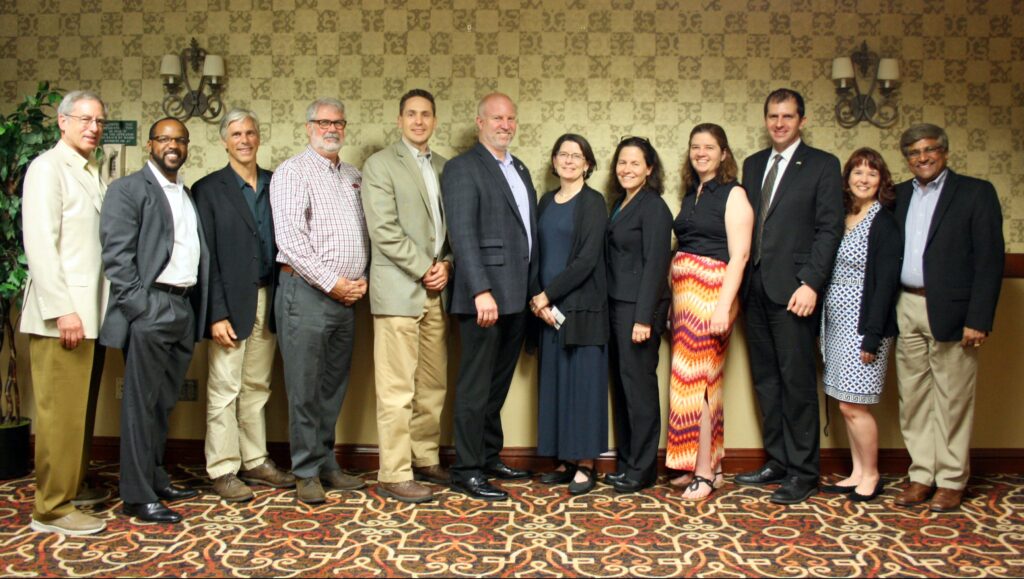
Fulbright recipients Michael Wolfe, William Klotz, and Kirsten Clark chat in the UMBC Commons. Photo by Sarah Hansen ’15 for UMBC.

Kirsten Clark ’17, Spanish, is looking forward to teaching English at EAN University in Bogotá, Colombia. “I have been dreaming of Fulbright since before I transferred to UMBC,” Clark says, “so I am beyond excited to finally take this next step in my career.”

Clark’s work with UMBC’s Shriver Center and English Language Institute have prepared her to take this next step. “I have not only vastly increased my Spanish proficiency, but I have been challenged to question my own assumptions about language and culture,” she says, “ultimately broadening my perspective to the diversity and complexity of the Spanish-speaking world.”

After returning from Colombia, Clark plans to pursue a master’s in Teaching English to Speakers of Other Languages so she can effectively “teach in a bilingual program and advocate for language and education access for immigrant youth in the D.C./Maryland area.”

Michael Wolfe ’17, physics, expects his research experience at RWTH Aachen University in Germany to bring out the best in his work as a scientist. “In my opinion, science thrives when faced with a multitude of interpretations and explanations,” he says. “Effectively exchanging ideas with scientists on an international scale is an essential skill the Fulbright Program will equip me with as a future physicist.”

Wolfe also shares, “The diversity of UMBC’s student body and faculty provided me with a unique perspective on the importance of intercultural exchange in the scientific community.”

William Klotz ’14, MLLI (Spanish/German), M.A.T. ’17, will teach English at the Secretaría de Educación Pública in Mexico during his Fulbright experience. “I plan on working in education as a language teacher,” Klotz says, “and the Fulbright will further prepare me in my own language education and give me valuable classroom experience outside of the U.S.”

Klotz thanks his UMBC mentors for pushing him to pursue this opportunity, saying they “are the ones who helped me get to where I am today.” Klotz is also featured in among UMBC’s exceptional graduates in the Class of 2017.

Fulbright recipient William Klotz. Photo by Marlayna Demond ’11 for UMBC.
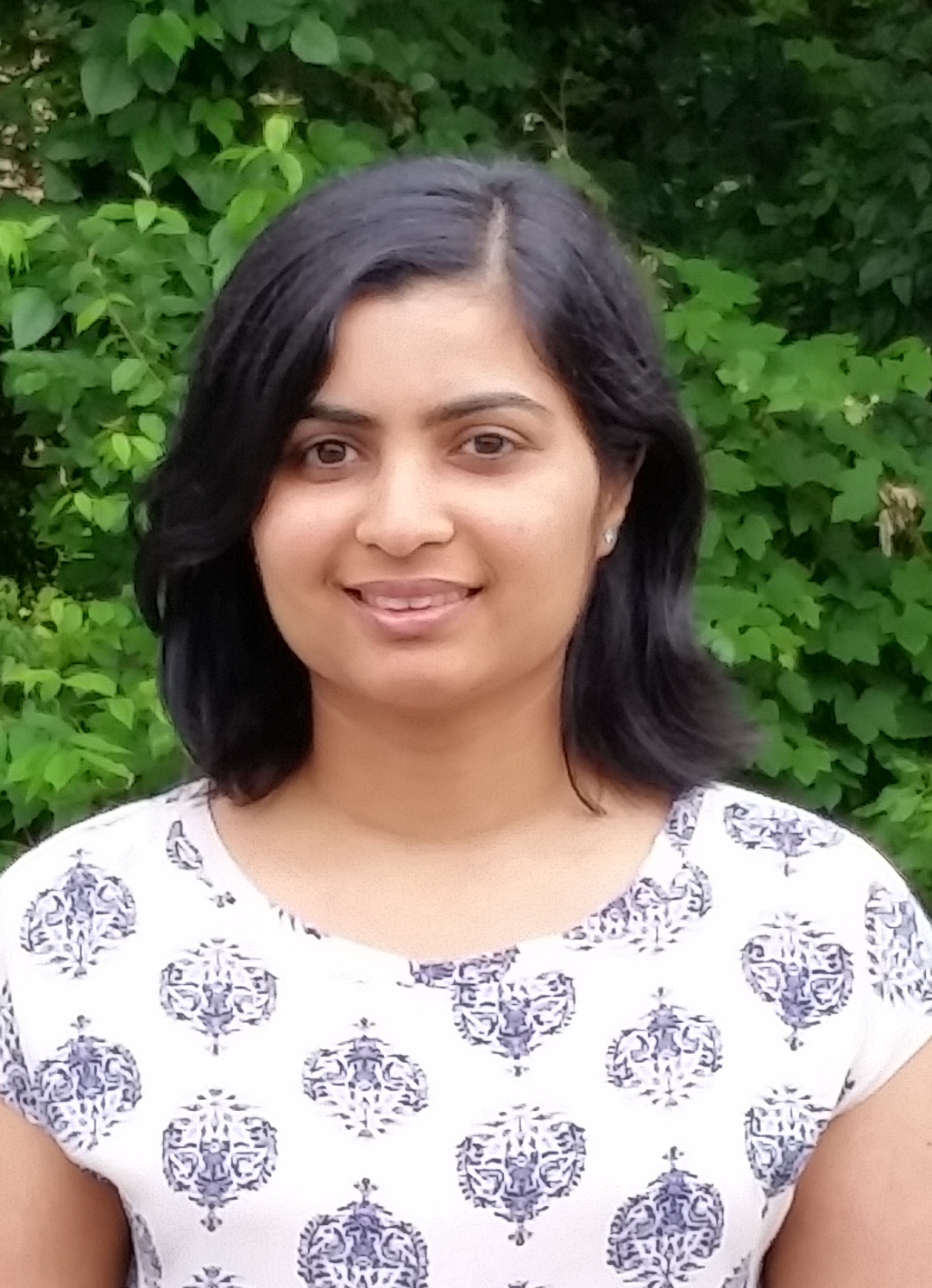
Jacqueline Wojcik ’17, visual arts, will combine her interests in digital animation and history in a unique research project in Oslo, Norway, creating 3D digital models of Viking Age ship burials. “This project aims to connect people with history through technology, and will explore the intersection of games, learning, and archaeological visualization,” Wojcik shares.

“UMBC fostered an interdisciplinary approach to learning, allowing me to develop the skill set to combine my love of animation, history, and programming,” says Wojcik, who was also highlighted in UMBC’s Class of 2017 feature. She anticipates her Fulbright experience will nurture these passions and support her future goal of developing a game exploring gender roles in Viking society.

Aaron Kennet ’16, political science, returned to the U.S. from a year of teaching in Russia driven to learn more, and through his Fulbright will travel back to Eastern Europe to teach English in Ukraine. He is thankful for the opportunity “to explore the territories of the Former Soviet Union, and enhance mutual understanding between the United States and Ukraine.”

Kennet is also grateful for the encouragement of UMBC mentors. Without these mentors, he explains, “I wouldn’t have had the support or confidence to move forward with my ambition of exploring and understanding the cultural nuances of Eurasia.”

Jacob Hippert ’17, cultural anthropology, will teach English in Malaysia, and Brian Shouse ’17, political science, will teach English in Bulgaria for their Fulbright fellowships. Kritika Chugh ’17, biological sciences, was selected for a fellowship in the Czech Republic, but was unable to accept the invitation. Justine Lottermoser ’17, biochemistry; Laura Riddering, Ph.D. candidate in geography and environmental systems; and Christina Smith ’15, global studies, were selected as alternates for the program.

The Fulbright Program is the flagship international educational exchange program sponsored by the U.S. government and is designed to increase mutual understanding among people of different nations. The program operates in more than 160 nations and receives support from governments, host institutions, corporations, and foundations across the globe. Participating in Fulbright fellowships will extend these emerging scholars’ interdisciplinary, culturally diverse experiences and allow them, as Souders says, to “go on to serve as cultural ambassadors of the United States.”

Banner image: Jacqueline Wojcik ’17; photo by Marlayna Demond ’11 for UMBC.

Carole McCann, feminist theory and population politics expert, named 2017 – 18 Lipitz Professor

UMBC has named Carole McCann, professor and chair of gender and women’s studies, the 2017 – 18 Lipitz Professor in the Arts, Humanities, and Social Sciences, in recognition of her ongoing leadership in both teaching and research. Through the professorship, McCann will embark on a complex new research project of both local and national significance: exploring the history and impact of Planned Parenthood  of Maryland.

The Lipitz Professorship is awarded to one UMBC faculty member per year and is funded by an endowment created by Roger C. Lipitz and the Lipitz Family Foundation “to recognize and support innovative and distinguished teaching and research in the arts, humanities, and social sciences at the University of Maryland, Baltimore County.”

Now entering her 30th year at UMBC, McCann joined the faculty as an assistant professor of American studies, just five years after the gender and women’s studies program (GWST) was founded. Becoming the program’s director in 1998, she stewarded its transition to full department status in 2014. The department just tenured its first faculty member, Amy Bhatt, and now supports 40 majors and 45 minors annually. Today, GWST courses are cross-listed in 13 departments, and more than 25 affiliate faculty across campus teach related courses, in addition to five core faculty.

“Carole McCann’s contributions to UMBC have been simply transformational,” says Dean Scott Casper, of the College of Arts, Humanities, and Social Sciences. “In developing gender and women’s studies, mentoring faculty members and students, and leading the university’s efforts to promote interdisciplinary scholarship, teaching, and thinking, she has made UMBC a stronger, better, more inclusive place.”

Upon receiving the professorship, says McCann, “I’ve been particularly gratified and humbled by the very positive response I’ve gotten from colleagues across the campus.” Those colleagues include faculty and staff she has come to know across all fields through her leadership of the Provost’s Task Force on Interdisciplinary Activities and essential role in developing the university’s strategic plan.

An expert on transnational feminist theory and the cultural politics of population, McCann was inspired to explore Planned Parenthood in Maryland after GWST alum working for the organization asked for her help with creating a history exhibit for a related event. “Doing research for that event really piqued my interest in knowing more,” McCann shares.

Her new research project will take her to an array of archives across the region. In contrast to the national Planned Parenthood organization, “There is very little written about the Maryland affiliate,” says McCann, “and in some ways it…reflected the tensions within the movement nationwide in a way that I think could be very interesting to highlight.”

McCann, who has spent her career studying reproductive justice issues, wants to “provide solid grounding for evaluating the organization…[as] a vital resource for supporting women and gender justice in the U.S.,” that has grown and transformed over time and continues to play a major role in public discourse related to health care and women’s rights today. She also hopes to partner with local institutions such as the University of Baltimore, and to pursue exhibitions and publication opportunities, to make the resources she finds more accessible for future researchers approaching the study of women’s movements, reproductive rights and policy, and related topics from a wide variety of perspectives.

Image: Carole McCann; photo by Marlayna Demond ’11 for UMBC.

Legends of Excellence Awards celebrate UMBC faculty and staff who inspire black and Latino students

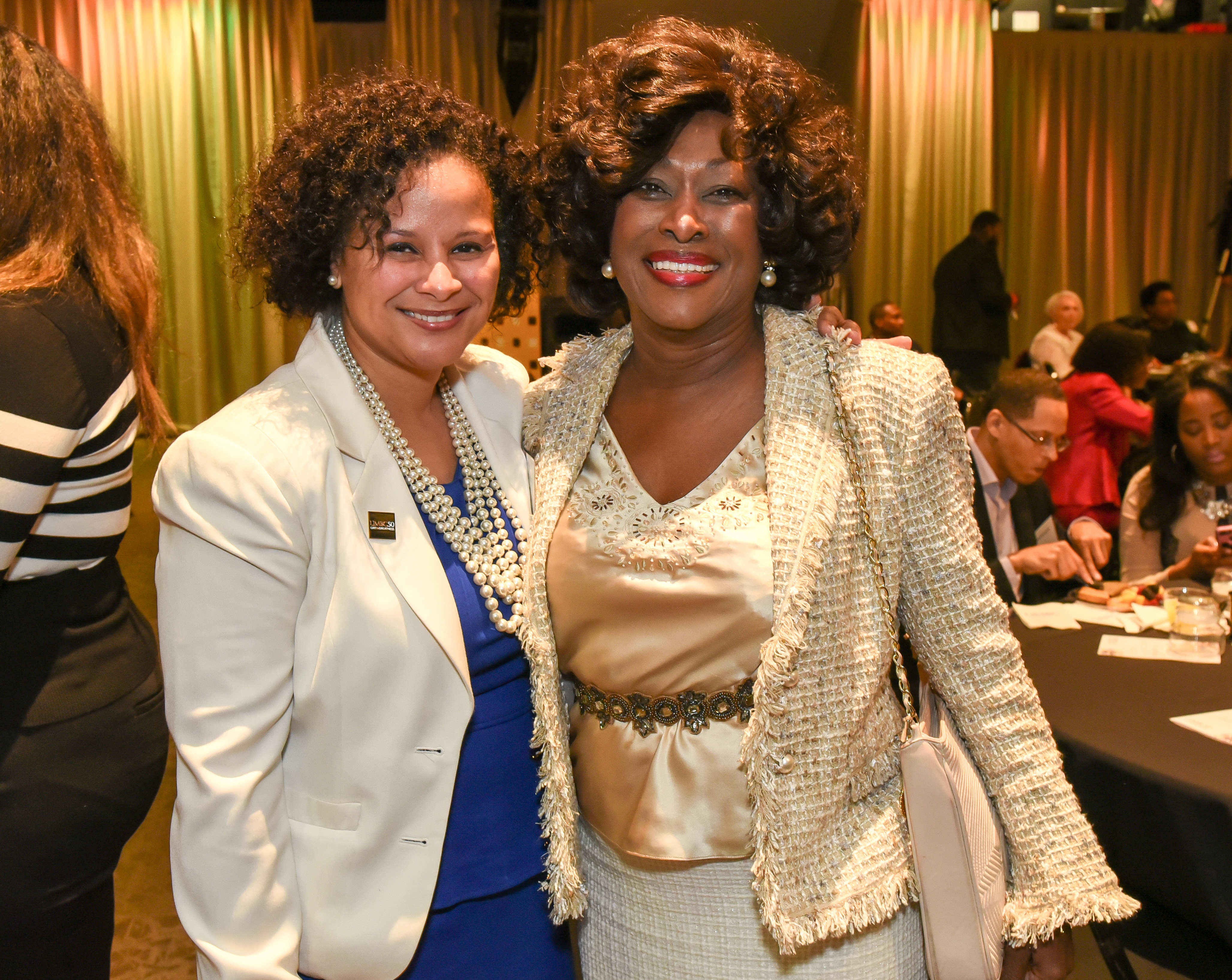
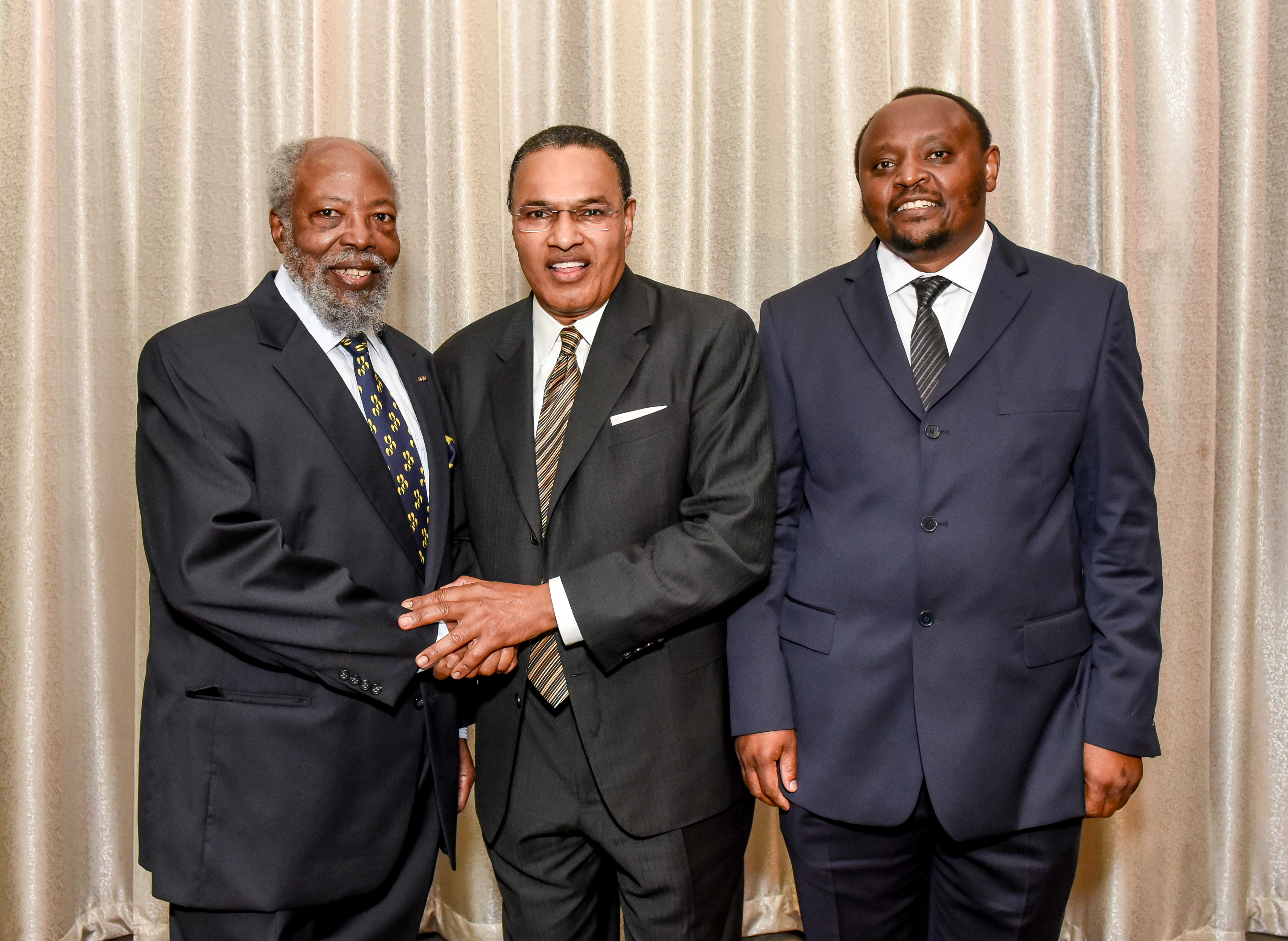
UMBC’s Legends of Excellence Awards Brunch, sponsored by the Chapter of Black and Latino Alumni every five years, recently honored four awardees who have played instrumental roles in the success of UMBC’s African American and Latino students. Recipients and nominators alike spoke about the supportive community that is UMBC, and how their time on campus transformed their lives.

“We consider the award winners legends because of the indelible marks they have made on UMBC’s African American and Latino students over the past 50 years,” shared Tamara Lewis ’92, psychology, and event co-chair. The work these legends did to support minority students “made a positive difference, and our students not only survived, but thrived,” added Cynthia Hill, former associate provost for student support services.

Stanyell Odom, director of alumni relations, helped organize the event. “The legends represent grit and greatness,” she shared, “and it is wonderful to have so many alumni come back to campus to recognize the extraordinary impact they’ve made in the lives of hundreds and thousands of fellow Retrievers.”

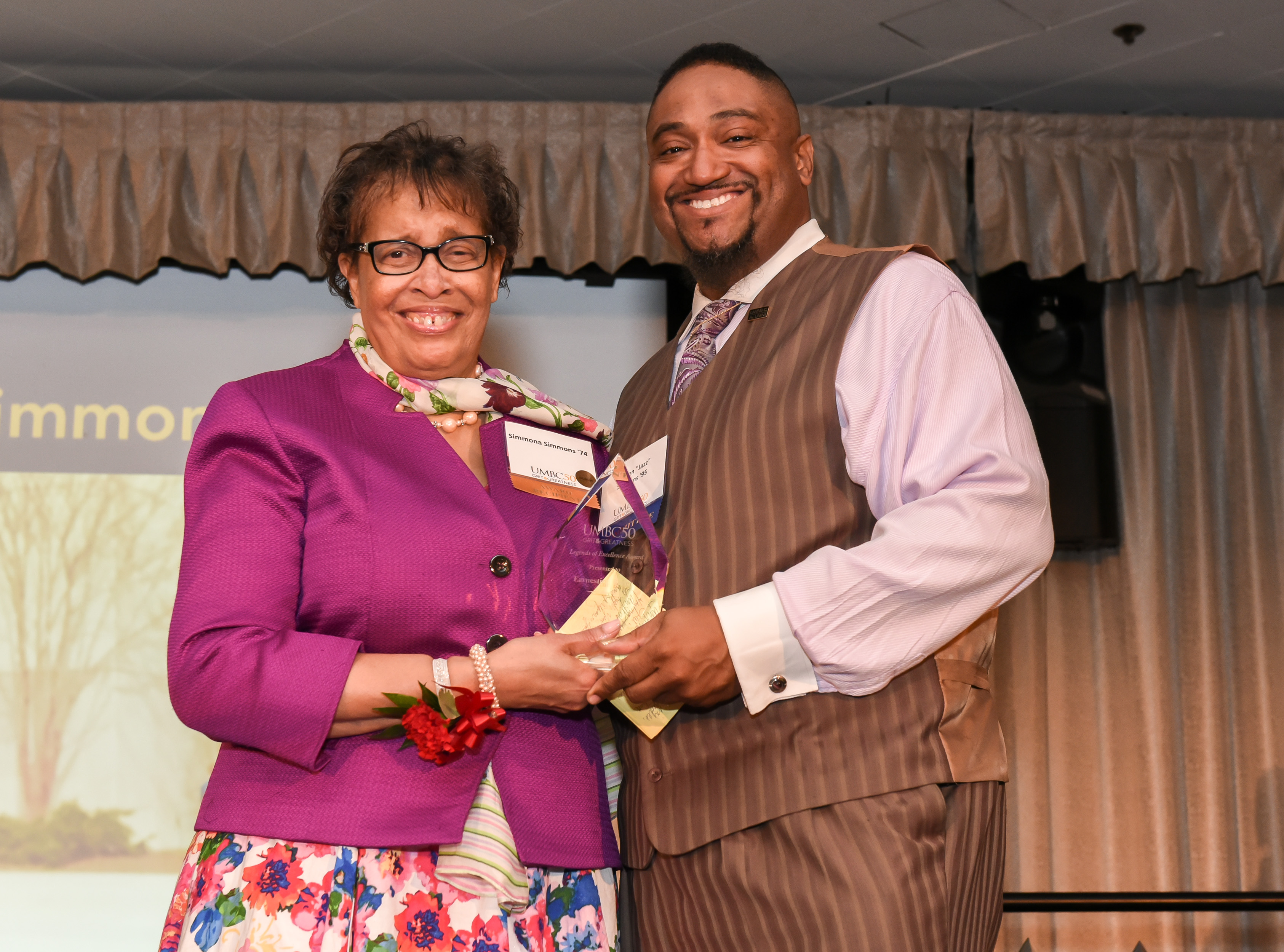
The first legend honored this year, Simmona Simmons ’74, American studies, started work at the Albin O. Kuhn Library as UMBC opened its doors in 1966 and has served in many roles within the library since then. She is currently the service and special projects librarian and the library liaison to the Africana studies department.

“I always loved working with students,” Simmons shared, “as they discover new information and mature, it is exciting to contribute a small part to their success.” As the only library staff member of color in UMBC’s early days, she made a lasting impact on the first generation of diverse UMBC students.

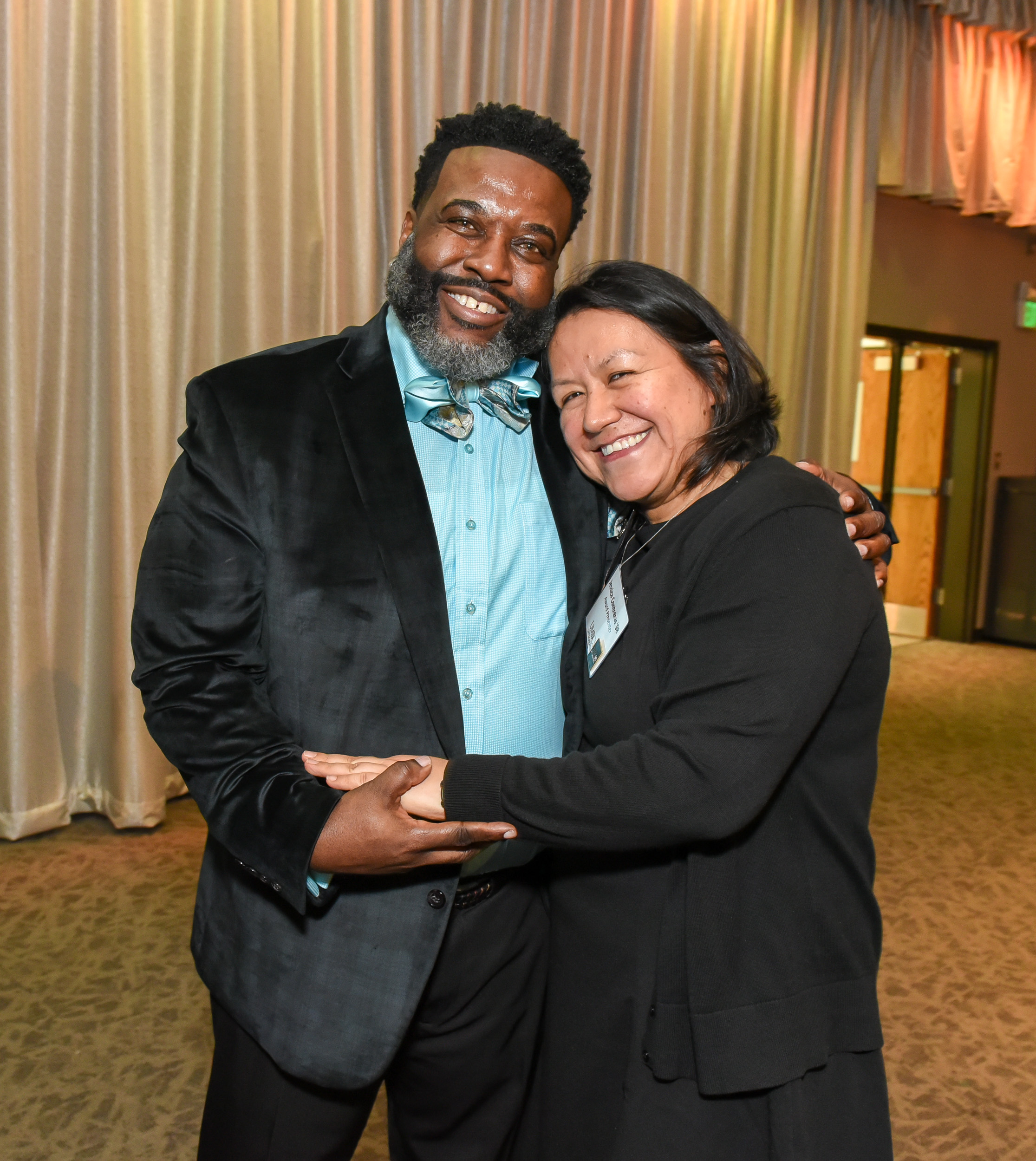
Jessica Contreras ’98, social work, thanked the next honoree, Rev. Jamie Washington, for his positive influence. “Dr. Washington’s personality and leadership gave me the guidance I needed to explore and learn what it means to be a leader,” Contreras shared. “From him, I learned how to make authentic and meaningful connections with people from all walks of life.”

Washington served in a variety of roles in Residential Life and Student Affairs at UMBC between 1986 and 2002, before shifting his focus to the ministry. He is currently CEO of Washington Consulting Group, named one of the top 10 global diversity consulting groups in the world in 2015; co-pastor of Unity Fellowship Church of Baltimore; and president and co-founder of the Social Justice Training institute.

Still, Washington manages to stay connected to campus by working with the Meyerhoff Summer Bridge Program and Residential and Student Life.  “While I have left UMBC, UMBC has not left me,” he shared. “It will be permanently in my spirit and my energy.”

Earnestine Baker is the “mother of the Meyerhoff Scholars Program,” according to Maceo Thomas ’93, M1, biochemistry and molecular biology. He adds, “Many African Americans succeeded because she did not give up, no matter our circumstances or where we came from.”

Baker served as the first director of the Meyerhoff Scholars Program, and was promoted to executive director in 2002, a position she held until her retirement in 2013. Along the way, she had a major impact on hundreds of students. And yet, Baker remains unfailingly humble.

“The thought that I am receiving this Legends honor today exemplifies my belief that when we achieve, it is usually because others helped us. So this is bigger than me,” she reflects. “It is about the more than 1,000 Meyerhoff Scholars whose lives touched mine, from the M1s who believed and validated the vision, to the M28s who are making their mark, carrying forth the legacy.”

Willie Lamousé-Smith, professor emeritus and former chair of Africana studies, arrived at UMBC in 1975. Some of his fondest memories involve standing with students as they demonstrated for racial equality. “UMBC would not be what it is today but for them,” he says.

Since his arrival on campus, Lamousé-Smith’s devotion to students in all areas of life, from academics, to finances, to health, has made a positive difference for hundreds of Retrievers. “The premier duty of educators—and parents, too—is to draw out and cultivate the talents encased in each student, within a nurturing and empathic environment,” he shares.

In his remarks, President Freeman Hrabowski commented that “many of you in this room began at UMBC and made a difference when the country was still trying to figure out if people of all races should come together, with all students of all types having a fair chance to succeed.” Today, Hrabowski says, “Everybody looks to UMBC to ask ‘How do you go about taking people from all kinds of backgrounds, and elevating them, and empowering them to be the very best?’”

The Legends of Excellence awardees are a big part of the answer to that question, along with so many other UMBC community members committed to the success of all students. Like the awardees, Hrabowski said, “We’re here because we celebrate the idea of inclusiveness.”

Banner image: Earnestine Baker (center, in gold) with nominator Maceo Thomas ’93 (left), Pres. Hrabowski (right), and Meyerhoff Scholars Program alumni.

All photos by Jay Baker for UMBC.

UMBC’s Tamás Várnai helps identify surprising source of light flashes from Earth’s surface

Tamás Várnai, research associate professor at UMBC’s Joint Center for Earth Systems Technology, has been instrumental in determining the source of unusual flashes of light spotted in images retrieved by an instrument on the National Oceanic and Atmospheric Administration’s Deep Space Climate Observatory (DSCOVR) satellite.

Rather than lightning or reflectance from Earth’s surface, the research team determined the source was reflections off of horizontally-oriented ice crystals embedded in clouds at very high altitudes. This unexpected finding was recently published in Geophysical Review Letters and garnered widespread news coverage.

Similar glints had been spotted in 1993 by famed scientist Carl Sagan, who noticed flashes of light in images taken by NASA’s Galileo satellite.  He only spotted them over water, suggesting they could be easily explained by reflections off the water’s highly reflective surface. Alexander Marshak, a scientist at the NASA Goddard Space Flight Center, made similar observations last year, but, unsatisfied with Sagan’s explanation, he pulled in colleagues, including Várnai, to investigate further.

Várnai developed an algorithm to sift through thousands of satellite images looking for the bright flashes, eventually turning up 866 glints between June 2015 and August 2016. Várnai’s algorithm detected flashes above both land and water, suggesting their source was not simply reflectance off Earth’s surface, as land isn’t reflective enough to create the flashes.

Várnai’s algorithm also compiled statistics on the location of the flashes. All of them were in places where the angle between the sun and Earth was the same as between the instrument and Earth. That meant that the flashes were caused by reflections from horizontal objects, even if not from Earth’s surface.

Finally, one more key observation enabled the team to solve the puzzle: the flashes were located at the high altitudes where clouds were found. This led researchers to conclude that the reflections were coming from high-altitude ice crystals in the clouds themselves.

“I’m excited about this, because the results show that it is possible to identify clouds containing horizontally-oriented ice crystals even from deep space,” says Várnai. “Such observations can help determine how common these crystals are, and whether they significantly impact the amount of sunlight that passes through clouds and warms the Earth.”

Those observations could have implications for studying climate change, because clouds are still one of the least understood, yet pervasive, factors contributing to Earth’s energy balance.

Next, the team plans to “examine the number, size, and brightness of detected flashes to learn about the prevalence and properties of horizontal ice crystals,” Várnai says. Combining that data with observations from other sources and weather models may reveal more about which conditions tend to generate the ice crystals in Earth’s atmosphere.

There are also possible applications beyond Earth. Várnai explains, “Detecting glints may help in using future satellites, such as the James Webb Telescope scheduled for launch next year, to characterize exoplanets orbiting distant stars.”

Read the original article in Geophysical Review Letters by Marshak, Várnai, and Alexander Kostinski of Michigan Technological University: “Terrestrial glint seen from deep space: Oriented ice crystals detected from the Lagrangian point.”

This research was featured by Phys.org, CBS News, Weather.com, Science Daily, Orlando Sentinel, Canada Journal, and others.

Image: Earth and the Moon, as seen by NASA’s Enhanced Polychromatic Imaging Camera (EPIC) on NOAA’s DSCOVR satellite; available here from NASA.

Breakthrough UMBC vision research finds protein holds promise to treat biological clock disorders

UMBC biologists Phyllis Robinson and Preethi Somasundaram may have identified a key factor that contributes to our understanding of biological clocks and associated disorders, such as non-24 and seasonal affective disorder. Their new research focuses on the role of melanopsin, a retinal protein, in aspects of unconscious vision that regulate the biological clock.

Unconscious vision, or non-image-forming vision, is an often-underappreciated function of the eyes. While we look around, our eyes are doing more than processing what we consciously see. Specialized cells in our eyes also constantly send messages to the brain that regulate our circadian rhythms, sleep patterns, pupil size, and even our mood. One of the brain areas these messages head to is the superchiasmic nucleus (SCN), which Robinson, professor of biological sciences, calls the “master clock.”

“The SCN controls a lot of physiological functions,” Robinson explains, “from appetite to the ability to do math.”

For our internal clock to work, the specialized cells must effectively respond to light, sending messages when light is present and turning off when things go dark. Robinson and Somasundaram have found that a modified version of melanopsin in the cells can result in messages continuing to be sent long after the lights go out, which affects various behaviors. In other words, broken melanopsin breaks our bodies’ master clock.

For her dissertation, Somasundaram, a Ph.D. candidate in biology, tested how mice’s pupils reacted when she exposed them to a flash of light and then placed them in darkness. The normal response in any mammal is for the pupil to constrict upon exposure to light and then dilate again in darkness. This reflex is important to protect the retina from damage caused by excessive light, and it allows us to see consistently under varying light conditions. In Somasundaram’s experiments, mice with normal melanopsin and modified melanopsin both constricted their pupils similarly when shown a flash of light, but it took the mice with modified melanopsin almost 100 times as long to dilate their pupils again in the dark—9.5 minutes compared to 4.6 seconds on average in normal mice.

“When you think about signaling,” says Robinson, “you want the signal to turn on when it detects something, but then turn off so it can detect something else.” By taking nearly 100 times as long to turn off, the broken melanopsin doesn’t transmit any new input to the brain during its extended “on” period, which affects behaviors that rely on that information.

Somasundaram also tested the effect of melanopsin on a longer time scale by looking at jet lag. She exposed the mice to an artificial time change of six hours (similar to flying from Amsterdam to New York). The mice with normal melanopsin took 5.6 days to adjust their activity to the new cycle, but those with broken melanopsin adjusted in just 2.8 days on average.

These two dramatic results, both shown for the first time in an animal, demonstrate that melanopsin plays a major role in clock-driven behaviors. If it turns out that human patients with clock-related disorders have the same kind of modification in melanopsin as Somasundaram’s mice, that would suggest further melanopsin research could eventually lead to treatments for these disorders.

Melanopsin is found in five subtypes of the specialized cells that regulate unconscious vision. Somasundaram’s work only tested a subset of them, so she and Robinson are now looking ahead to using CRISPR (a new, more realistic genetic modification technique) to test the other subtypes for melanopsin’s possible effects on behaviors like sleep and learning. This future research was just recently supported by a five-year grant from the National Eye Institute.

Many currently prescribed medicines target the class of proteins that melanopsin belongs to, but, Robinson explains, “There aren’t any drugs on the market that I know of that target the turn-off mechanism for melanopsin.” If melanopsin turns out to be the culprit behind biological clock disorders or behaviors like insomnia, that could change.

Photo by Alessandro Lorizzo, used under CC 2.0 license.

Michelle Starz-Gaiano’s new cell migration research may lead to more effective cancer treatments

Michelle Starz-Gaiano’s research on fruit flies seeks to uncover biological mechanisms driving embryonic development and is applicable to a variety of contexts. For example, her findings may help scientists and doctors better understand how cancers metastasize, leading to more effective treatments.

Starz-Gaiano, associate professor of biological sciences at UMBC, just received a three-year National Science Foundation grant to pursue research on a step in early fly development when a small cluster of cells migrates from one end of the developing egg to the other. While scientists have long understood that the process is driven by a chemical gradient—a higher concentration of a chemical signal at one end of the egg than the other—Starz-Gaiano thinks migration is more complicated than current models predict. “I don’t think the signaling molecules are where we expect,” she says.

The developing egg is bounded by follicle cells, with polar cells at each end of the egg. During early development, a cluster of these cells migrates, which is critical for normal development. This step is similar to metastasis, the process cancer cells undergo when they detach from a tumor and travel through the bloodstream.

In previous studies, Starz-Gaiano was surprised to find that the cells intended for migration did not form in the egg boundary symmetrically. That suggested that they were not uniformly receiving the protein that signaled migration.

Starz-Gaiano hypothesized that the cells beneath the polar cells were not in fact like dice laid end-to-end, with no spaces, as some scientists presumed. Instead, they were more like marbles, creating clefts between cells where the signal molecule could be trapped, therefore altering the selection of migrating cells and the start of the cell migration process.

Starz-Gaiano and collaborator Brad Peercy, associate professor of mathematics at UMBC, built a computer model to simulate the marble-like arrangement. Sure enough, the model recreated the asymmetrical cell pattern Starz-Gaiano and her students saw in real fruit flies, a result they published in 2015.

To validate the computer simulation, Starz-Gaiano’s new research calls for extensive imaging work with another collaborator, Tagide deCarvalho, director of UMBC’s Keith R. Porter Imaging Facility. Their goal is to identify individual signaling proteins within the egg to see if pools show up in the spaces between cells.

The standard cell migration model also ignores the fact that there are a lot of other cells in the way as the migrating cell cluster travels from one end of the egg to the other. This cellular obstacle course affects the migrating cluster’s path and speed, as well as the location of the signaling molecules throughout the egg. “The tissue landscape may be influencing signaling in ways we’re not appreciating,” says Starz-Gaiano.

The series of chemical reactions that controls cell migration in Starz-Gaiano’s fruit flies is markedly similar to what happens in other animals, including humans, so “it’s the perfect system for exploring this idea,” says Starz-Gaiano.

Starz-Gaiano points out that the passage of drugs through the body is likely also influenced by the structure of surrounding tissue. Understanding how surrounding cells affect the course drug molecules take through the body could lead to drugs that interact more actively with the blood vessels and organs they pass through, possibly increasing the amount of the drug that reaches the target, reducing required dosage and side effects.

Starz-Gaiano is excited to get started on the new project. Though challenging, it has the potential to create a paradigm shift in the cell signaling field. “It was a vote of confidence to be recommended for the grant,” Starz-Gaiano says, “and I can’t wait to get the answers.”


Mike Summers honored as “Best Academic” by Baltimore Sun

The Baltimore Sun has honored Mike Summers as the “Best Academic” in the region for 2017. Summers, Distinguished Professor of Chemistry and Biochemistry and Robert E. Meyerhoff Chair for Excellence in Research and Mentoring, is internationally known for his HIV research. By increasing understanding of the virus’ structure, members of Summers’ lab hope to discover novel ways of inhibiting its activity. Summers was inducted into the National Academy of Sciences on April 29, after being elected last year. Membership in the NAS is one of the highest honors a scientist can receive.

“For the Academy to recognize someone who tries to do quality research, but does it in an environment that is inclusive and involves undergraduates makes it so much more special to me,” said Summers.

Summers is deeply committed to supporting students from all backgrounds. One of Summers’ mentees, Heather Frank ‘17, biochemistry and molecular biology, is featured as an exemplar of the UMBC Class of 2017. “The amazing mentorship I have received at UMBC has brought me the courage and confidence I needed to apply to competitive graduate programs and pursue my Ph.D.,” Frank says. “The environment here provided me all the opportunities so I could become my best self.” Frank will pursue a Ph.D. in biochemistry at Harvard.

“Being at UMBC opened my eyes not only to existing disparities in science research and education, but also to possibilities for effecting change,” Summers reflects. “The satisfaction that goes with helping our students achieve their dreams, and showing colleagues elsewhere new ways that they can approach and support their own students, is a reward without measure.”

Best of Baltimore 2017 Best Academic: Michael Summers, UMBC

Image: Mike Summers (center) with UMBC students. Photo by Marlayna Demond ’11 for UMBC.


Danielle L. Beatty Moody receives competitive fellowship to enhance mentoring of diverse trainees

Just as the classes she’s teaching wrap up, Danielle L. Beatty Moody, assistant professor of psychology, will embark on a year-long learning experience of her own. She’ll join the 2017 – 2018 cohort of the Professional Mentoring Skills Enhancing Diversity program, or PROMISED.

“One of the central goals of the program is to strengthen and bolster support for the pipeline of individuals from underrepresented backgrounds in the biomedical sciences from graduate to faculty positions,” says Beatty Moody of the competitive, NIH-sponsored fellowship program funded by the National Research Mentoring Network. “That’s the ultimate goal.”

The fellowship includes an introductory three-day conference, independent online modules, weekly teleconferences with fellow PROMISED participants, and guidance from highly experienced mentors. All aspects of the program are intended to improve the fellows’ leadership and mentoring skills so they can effectively support aspiring researchers from a wide range of backgrounds.

Beatty Moody is looking forward to learning best practices for “mentoring and guiding individuals who desire to develop breadth and scope as researchers and professionals,” she says, which could include first-generation college students, immigrants, or people with disabilities, among others. She hopes to better support students in reaching their goals, based on their individual experiences, needs, and interests. “Mentoring is not a one-size-fits-all model,” she emphasizes.

By completing the program, fellows earn a certificate in leadership from the Institute for Clinical Research Education at the University of Pittsburgh, which is also the site of the initial conference. The leadership modules include topics such as better understanding the complexities of academia, setting the culture in a higher education context, and managing research teams.

Beatty Moody intends to share what she learns with UMBC colleagues, and hopes to support the commitment and growing interests around mentorship at UMBC. “I’m most excited about the culture that such opportunities have the capacity to develop,” she says.

As a psychologist, Beatty Moody’s research focuses on how health disparities—specifically, rates of cardiovascular disease—between people of color and other groups in the United States may be generated by social and cultural factors. Ultimately, she wants to take her work beyond the academic sphere. “Policy has always been a passion for me. It’s one thing to do the work and to demonstrate the significance of these linkages,” she says, but “it’s another to take that journal off the shelf and ask, ‘How do we implement something that will undo what these data are showing?’”

Beatty Moody is especially excited about the growing diversity of graduate students and faculty in the human services psychology program at UMBC, and the wide range of research topics they’re pursuing. “Programs like PROMISED enable us to shore up diversity in research questions and methodologies,” she says, “so that more junior scholars have a strong start in creating a foundation for a career that can ultimately support greater equity in our society.”

Image: Danielle L. Beatty Moody; photo by Marlayna Demond ’11 for UMBC.
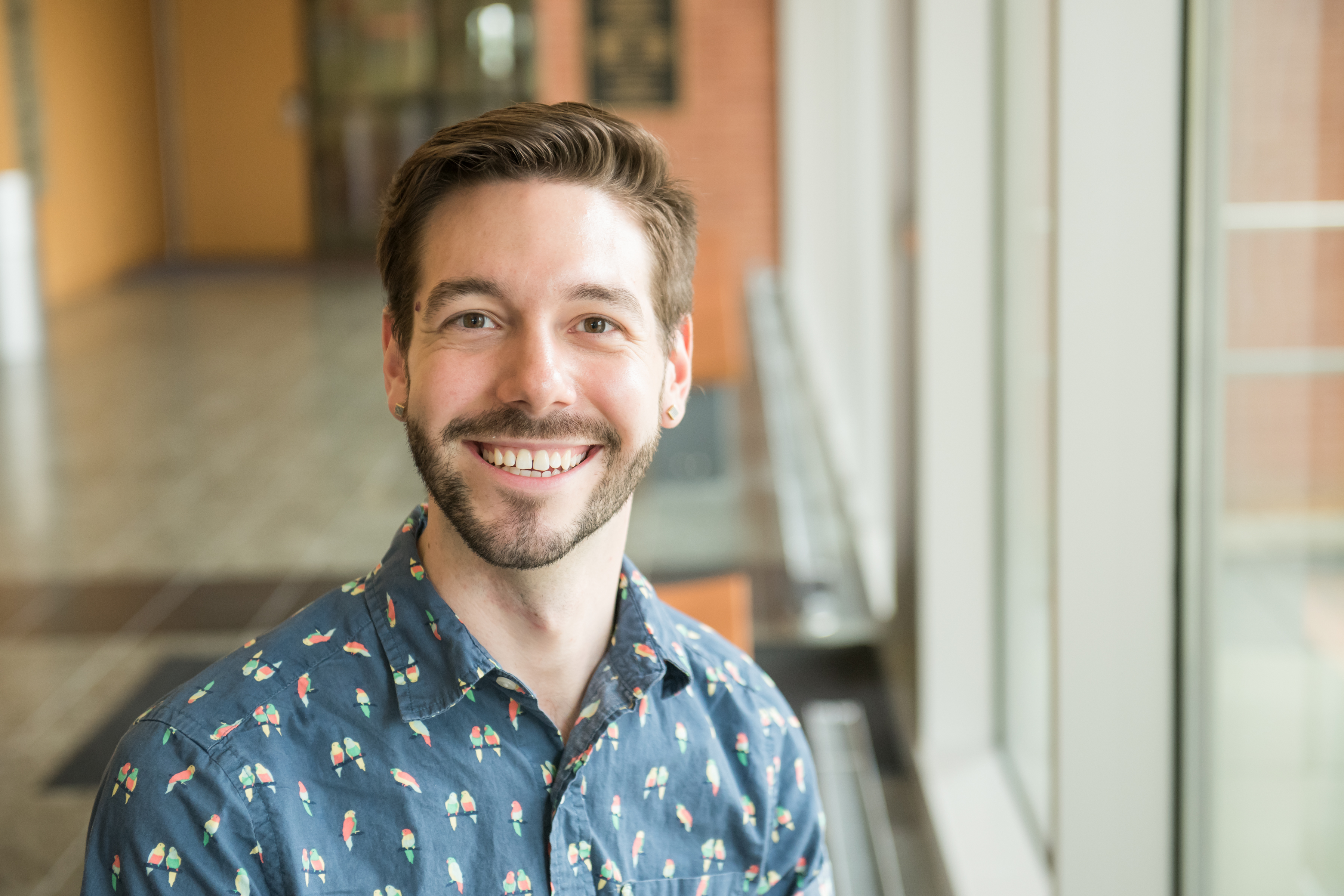
Hector Barrera to focus on business management at Northrop Grumman

Hector Barrera
B.S., Financial Economics; B.A., Health Administration and Policy
Magna Cum Laude
Hometown: Silver Spring, Maryland
Plans: Northrop Grumman Professional Development Program

The UMBC Career Center, in particular, has opened many doors for me in the business world. They have prepared me for job interviews, reviewed my résumé and cover letters, and they have provided me with the opportunity to make connections with many influential business leaders.

Hector Barrera took the lead on creating his own unique college path, seeking out help from experts and mentors along the way to access opportunities and open new doors at the intersection of financial economics and health administration and policy.
Focused on gaining valuable professional experience in both business and policy, Barrera completed competitive internships with the internationally regarded Nielsen Company in New York City and Harvard University’s John F. Kennedy School of Government.

On campus, he served as an undergraduate teaching assistant for Elizabeth Stanwyck, mathematics, and tutored his fellow students in microeconomics and statistics at the Learning Resource Center. He has also earned an Economics Alumni Association Charles F. Peake Scholarship and a Health Administration and Policy Council of Majors’ Scholarship in recognition of his exceptional academic achievement.
Barrera has accepted a full-time position in Northrop Grumman’s Professional Development Program, a rotational program for recent graduates to gain experience in business management.

Image: Portrait by Marlayna Demond ’11 for UMBC.
Samantha Furman pursues math solutions to medical problems in unique dual Ph.D. program

Samantha Furman
B.S. Mathematics
Magna Cum Laude
Hometown: Montgomery Village, MD
Plans: Ph.D., Computational Biology, Carnegie Mellon University and University of Pittsburgh

My favorite thing about UMBC is that I believe, ‘It is cool to be smart at UMBC,’ is true… The students here are extremely bright, which pushes me even harder to be the best person and student I can be.

Samantha Furman has embraced the research experience as a UMBC student, pursuing projects at the interface of mathematics and biology with mentors on and off campus. She’s studied mathematical modeling of muscle atrophy with collaborators at UMBC and UMB, and helped develop image analysis techniques to determine if patients are good candidates for immunotherapy through an internship at the acclaimed Sloan Kettering Cancer Center.

After graduation, Furman will continue to pursue research along these lines as a Ph.D. student in a special joint computational biology program between Carnegie Mellon University and University of Pittsburgh. “I want to apply my math and stat skills to medical problems,” she shares.

Furman is a Meyerhoff Scholar, MARC U*STAR Scholar, and NSA Scholar. “Without UMBC, I may not have found my passion for research because the Meyerhoff Scholars program introduced me to this beautiful world,” Furman reflects. “This university has given me all of the tools and opportunities to make me feel confident that I will be successful in my Ph.D. program.”

Furman has also served as a leader in student life on campus, including as treasurer of the club volleyball team, vice president of programming for the academic- and service-focused sorority Delta Phi Epsilon, and vice president of the Mathematics Honors Society.

Portrait by Marlayna Demond ’11 for UMBC.

Natalie DeNigris continues work with NASA while completing astronomy Ph.D.

Natalie DeNigris
B.S., Physics
Magna Cum Laude, Certificate: Honors College
Hometown: Kensington, MD
Plans: Ph.D., Astronomy, U Mass.-Amherst; Intern, NASA Goddard Space Flight Center

UMBC prepared me for a future in astronomy research by allowing me to get hands on experience with amazing mentors… I was also able to cultivate a passion for science education outreach which I hope to develop further in my graduate school endeavors.

Natalie DeNigris has combined her interests in astronomy and education throughout her time at UMBC. As a researcher with physicist Eileen Meyer, DeNigris has explored x-ray emissions from black hole jets, receiving an undergraduate research award to support her work. As a Sherman STEM Teaching Scholar Affiliate and a volunteer with the Shriver Center, she grew her passion for science outreach.

DeNigris has been honored as Learning Assistant of the Year in physics and received the Joseph F. Mulligan Award for physics. She was also named the Jacqueline Hrabowski Service Scholar for 2016 – 2017, a special recognition awarded to a student who demonstrates exceptional commitment to improving the lives of at-risk urban youth through academic support and community service activities.

As she graduates from UMBC, DeNigris has weighed a job offer from NASA and multiple graduate school acceptances. She has decided to attend University of Massachusetts, Amherst for a Ph.D. in astronomy while also completing an internship at NASA Goddard Space Flight Center. She has a standing offer to return to NASA as an electrical engineer following her Ph.D.

DeNigris shares, “Attending UMBC introduced me to talented, motivated peers who inspired me to apply for my current job at NASA and who supported my growth in the field of physics.”

Portrait by Marlayna Demond ’11 for UMBC.

Austin Gabel to continue developmental biology research through M.D./Ph.D.

Austin Gabel
B.S. Biological Sciences
Summa Cum Laude
Hometown: Clarksville, Maryland
Plans: M.D./Ph.D., University of Washington

Dr. Brewster and other lab members have helped encourage and teach me to become a confident scientist over the past four years, and my minors in Spanish and sociology helped refine my interests to focus on links between basic biology and social determinants of health.

As a Meyerhoff, MARC U*STAR, and HHMI Scholar, Austin Gabel’s time at UMBC has been highly research-driven. He has worked in Rachel Brewster’s developmental biology lab since his freshman year, seeking to learn more about how zebrafish embryos can survive in low-oxygen environments. This work has numerous potential applications, from organ transplant technology to stroke and heart attack treatment.

“One thing I enjoy about the Brewster lab is that I’m in charge of my own projects,” Gabel shares. “I really like this work and want to continue with research along these lines.” He plans to do that as he pursues combined M.D./Ph.D. degrees at the University of Washington. He hopes to eventually apply his research in clinical settings, to see directly how it benefits patients.

In addition to working in Brewster’s lab, Gable gained research experience at Johns Hopkins University. He also served as president of UMBC’s Food Recovery Network, a student organization that seeks to reduce food waste by recovering surplus perishable food and donating it to people in need.

Portrait by Marlayna Demond ’11 for UMBC.