We use cookies for analytics and, unless you opt out, advertising.
You can opt out of advertising at any time.UMBC uses essential cookies to run this site. With your permission we would also use analytics cookies (to understand how the site is used) and advertising cookies (to measure and target our ads on other platforms). Nothing else loads unless you accept. You can change your choice any time from Cookie Settings in the footer.Privacy Policy
EssentialRequired for the site to work (login, security, your cookie choice). Always on.
Color in Nature, co-authored byThomas W. Cronin, professor of biological sciences, covers the world of color from the first principles of physics to the use of color in art and design. An even mix of text and beautiful images, Color in Nature (Princeton University Press, November 2024)is written in an accessible style for any reader who harbors curiosity about color in our world, without sacrificing technical accuracy.
“The book is a comprehensive look at the roles of color in the biology of plants and animals, but also its role in human society and art,” Cronin says. The authors consider the roles of color in mating, hunting, fighting, deceiving, and hiding, and call upon disciplines such as physics, genetics, chemistry, physiology, and psychology. The book’s images support concepts in the text, but they “are also intended to be beautiful and to show off the diversity of colors and patterns in the natural world,” Cronin says.
Cronin contributed to the new book alongside six other authors from England, New Zealand, and the U.S. Contributors include experts in evolution, optical sciences, neuroscience, marine science, and the creative use of color.
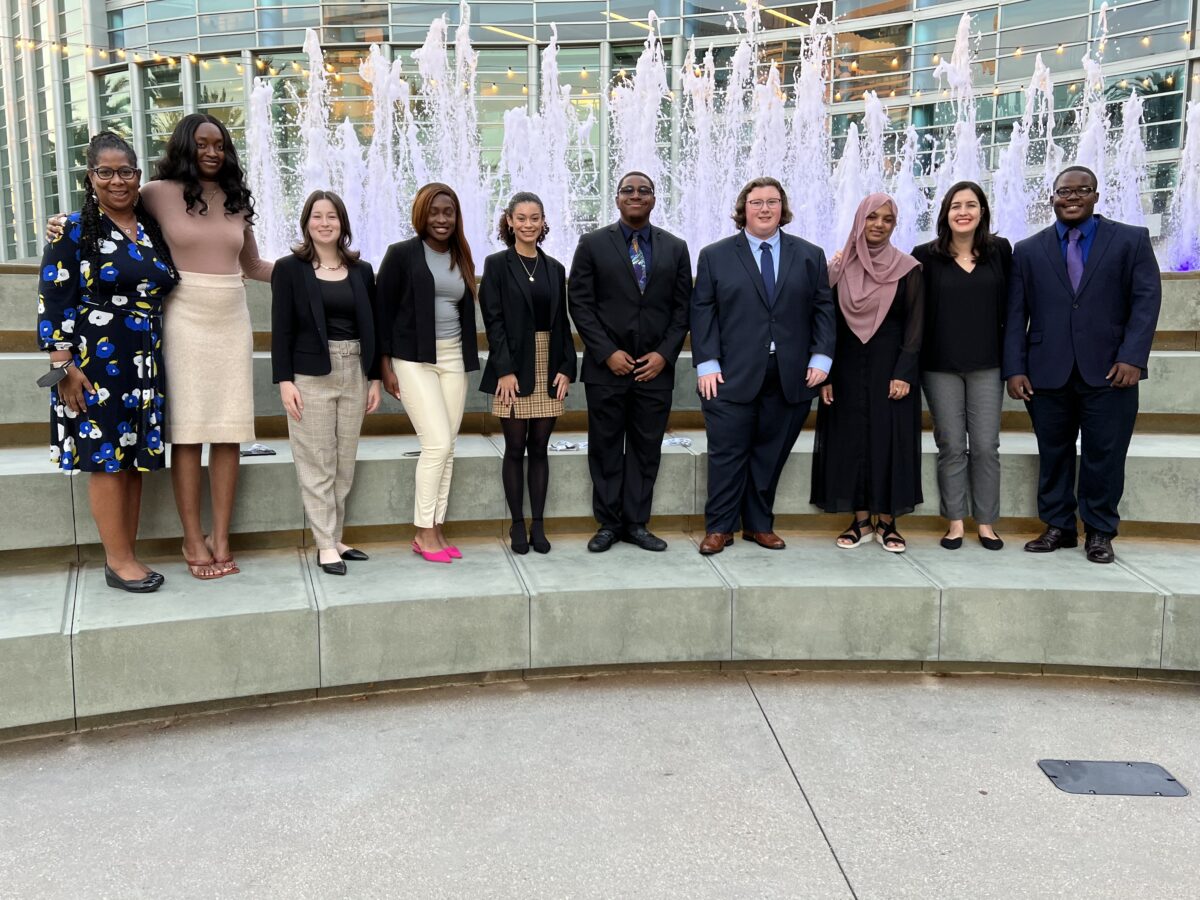
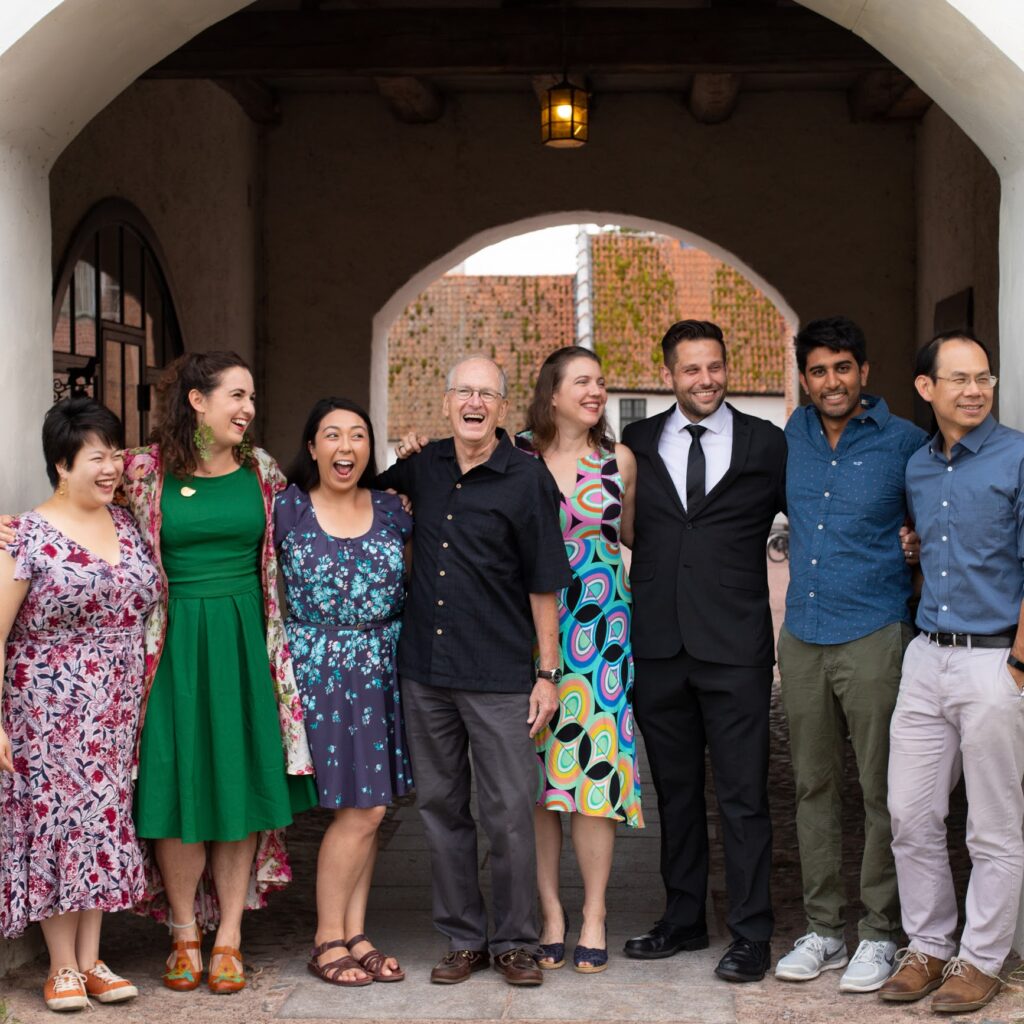
Tom Cronin, fourth from left, with current and former members of his research group at the International Conference on Invertebrate Vision in 2019. (Courtesy of Cronin)
Cronin’s four-decade career at UMBC has been primarily spent studying the unique visual system of mantis shrimp—unusual, wildly colored crustaceans with astoundingly capable eyes and a nasty punch. Cronin’s research group has also studied the chromatophores—light-sensing and color-changing cells—on the skin of cephalopods like squid, octopuses and cuttlefish.
According to the The Wall Street Journal, “Color in Nature provides an accessible scientific entrée into the colors of our world, with bold, glossy images and detailed diagrams.”
David Gascoigne, an expert birder and nature blogger at Travels with Birds, found Color in Nature to be “an eminently fascinating book covering an eminently fascinating topic which has relevance to every aspect of life on Earth. I will be referring to it often, and I will cherish its wisdom. I suspect you will, too.”
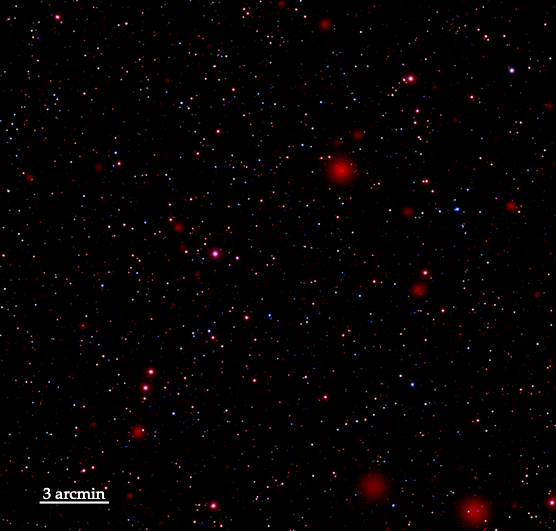
Nearly a year ago, a group of engineers and scientists including UMBC physicists became one of 10 teams to successfully submit a proposal to NASA to develop the Advanced X-ray Imaging Satellite (AXIS). In October, the AXIS team learned that they were one of the final two instrument designs selected for further development. Over the next year, each of the two teams will receive $5 million to flesh out their plans as part of what NASA calls a “Phase A study.” Then NASA will review the proposals and select one of these two instruments for construction and testing, with plans to launch in the early 2030s.
Adi Foord, assistant professor of physics, andEileen Meyer, associate professor of physics, serve on the AXIS leadership team, and during the proposal development phase, Foord co-led the sub-team focused on supermassive black hole evolution. The AXIS team is led overall by Chris Reynolds at the University of Maryland, College Park and deputy lead Erin Kara at MIT.
Adi Foord is on the AXIS leadership team. (courtesy of Foord)
X-rays come from extremely hot processes such as exploding stars or the accretion of black holes, so tracing them back to their source can paint a picture of galactic formation. As scientists search for life beyond Earth, X-rays could even offer clues about potentially habitable planets.
“We’re extremely excited that AXIS has been chosen for Phase A study! AXIS represents a huge leap forward in high-resolution and high-sensitivity imaging that will allow us to study the early universe and trace the growth of the earliest supermassive black holes,” Foord says. “It’s a unique opportunity to answer some of the most fundamental questions in astrophysics. With AXIS, we’ll have the sensitivity and resolution to detect faint X-ray signals from galaxies in the early universe, offering unprecedented insight into how supermassive black holes formed and evolved over cosmic time.”
A new kind of explorer
This simulated image shows how AXIS would see the sky. It shows a five million-second stare into space, and some of the earliest-detected supermassive black holes are visible. (Stefano Marchesi)
AXIS and the other satellite design selected for further study, PRIMA—also led by scientists in College Park—are competing to be the first in the new Probe Explorer class of NASA missions, which fit neatly between its flagship missions and smaller missions.
“Both of the selected concepts could enable ground-breaking science responsive to the top astrophysics priorities of the decade, develop key technologies for future flagship missions, and offer opportunities for the entire community to use the new observatory, for the benefit of all,” said Nicola Fox, associate administrator, Science Mission Directorate at NASA Headquarters.
“In observational astronomy we are now in the era of big and sensitive surveys of large portions of the sky,” Meyer adds. “AXIS is not only 10 times more sensitive than its predecessor, the Chandra X-ray Observatory, it also has the ability to make high-resolution images over a much larger sky area, or field of view. This is transformative for deep surveys, and AXIS will synergize with a lot of other missions and observatories operating in the 2030s.”
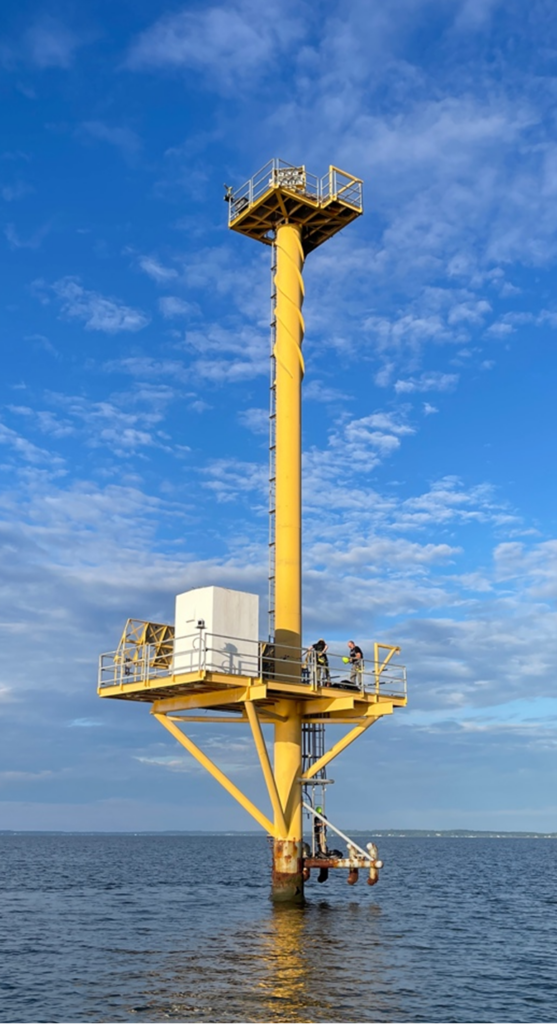
The PANTHYR instrument system is on the upper platform of the Chesapeake Bay Tower on the corner out of view. (Kevin Turpie, GSFC/UMBC)
Climbing 30-meter ladders and avoiding osprey nests might not sound like typical activities for scientists who usually work with equations and models—but it’s all in a day’s work for Kevin Turpie’s team, which includes an international group of scientists and engineers from UMBC, NASA, the Royal Belgian Institute of Natural Sciences (RBINS) and the Vlaams Instituut voor de Zee (VLIZ), also known as the Flanders Marine Institute, also in Belgium. Over the last 15 months, they have collaborated with Maryland Department of the Environment (MDE) staff, with the blessing of the U.S. Coast Guard, to install, monitor, and repair a new instrument on top of a Coast Guard navigation tower in Chesapeake Bay near Tolchester, Maryland.
The instrument, called the Pan-and-Tilt Hyperspectral Radiometer (PANTHYR) and developed by VLIZ, is one of multiple PANTHYRs deployed worldwide. Each is part of the WATERHYPERNET—a growing network of automated instruments that provide measurements to validate observations from space. The WATERHYPERNET concept was developed by RBINS and VLIZ and supported by the European Space Agency (ESA). Another instrument called the HYPSTAR is installed at some other WATERHYPERNET sites, and the Chesapeake Bay station may add one in the future.
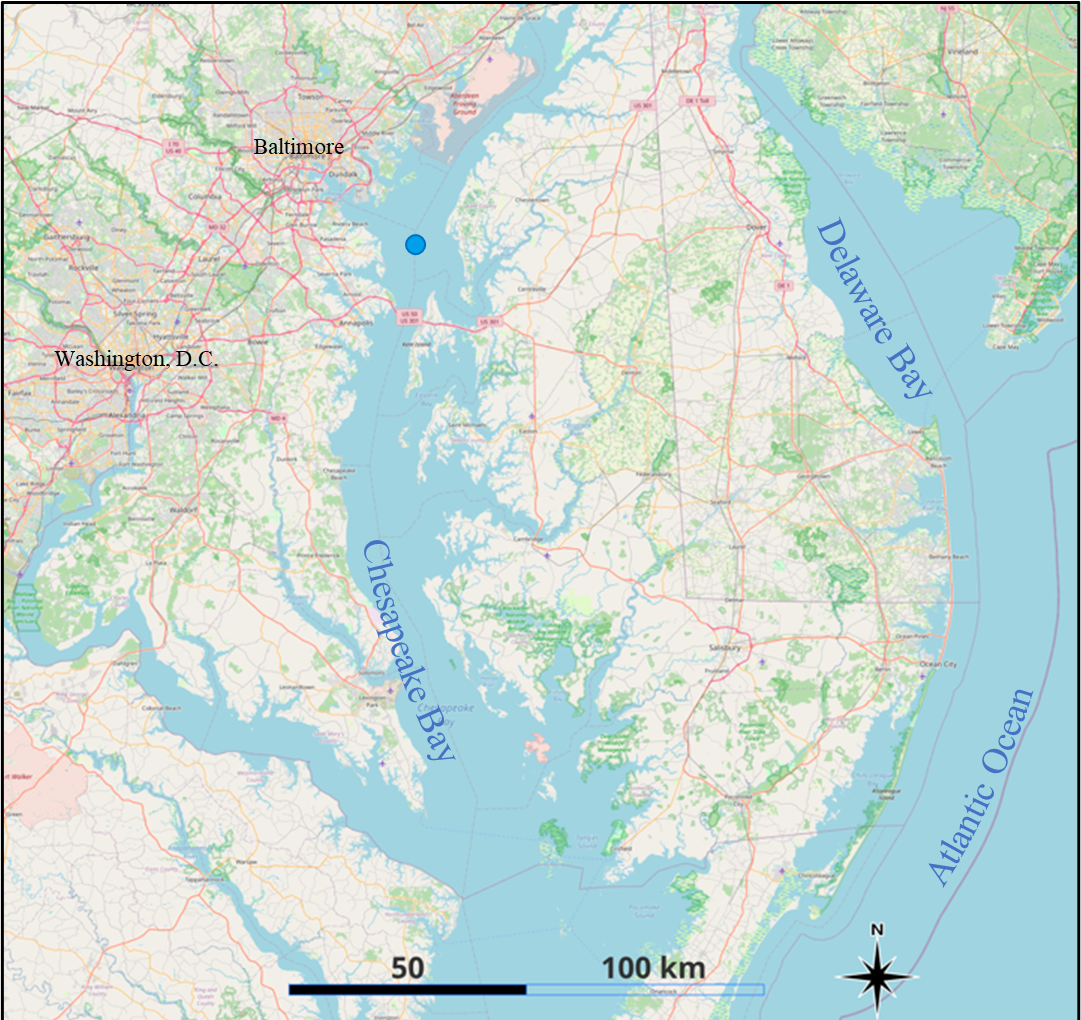
The Chesapeake Bay PANTHYR station is the first WATERHYPERNET station installed in North America; others operate off the coasts of France, Italy, Belgium, and Argentina. The new station “will provide a wealth of information regarding water quality and the environmental and ecological conditions in the Upper Chesapeake Bay,” says Turpie, a research associate professor with the Goddard Earth Science Technology and Research Center (GESTAR II), a UMBC partnership with NASA.
A “rigorous test”
The blue dot marks the location of the new Chesapeake Bay WATERHYPERNET station. (Courtesy of Kevin Turpie)
The Chesapeake PANTHYR will also help validate data coming from the Ocean Color Instrument (OCI) aboard the recently-launched NASA PACE satellite, which also carries HARP2, an instrument designed and built by UMBC researchers. The station will also provide data to validate many other satellite missions, including NASA’s future Surface Biology and Geology (SBG) mission, part of the upcoming Integrated Earth System Observatory.
“Observations from space are critical to understanding how our planet functions as a system and how that system is changing. But such measurements are done in the harsh environment of space, looking through the entire atmosphere, and always from several hundred kilometers away,” Turpie explains. “So, we need to compare those data against the same kind of measurements taken at the surface. PANTHYR offers a rigorous test for PACE and its ability to glean vital information about our world’s most critical coastal resources.”
PANTHYR is the newest instrument in the WATERHYPERNET, a global network of instruments managed by the Royal Belgian Institute of Natural Sciences and supported by the European Space Agency.
A challenging work location
The Chesapeake Bay PANTHYR station was installed in July 2023, but encountered challenges due to winter weather, complex logistics, and the collapse of Baltimore’s Key Bridge and subsequent environmental threat assessments. However, after a repair mission in September 2024, PANTHYR is up and running again, and data are streaming in.
Arranging each trip to service PANTHYR is complicated. MDE staff pilot the boats that take the researchers to and from the site, and only tower climbers with special training can access the instrument. Calm weather is a necessity. Plus, in the spring, there’s always a risk that ospreys or eagles will choose the tower for nesting. That makes the instrument inaccessible if young birds are present.
But the team is committed, because the data PANTHYR produces are valuable. Every 20 minutes, PANTHYR measures the intensity of light encountering the surface of the water, the brightness of the sky, and how much light is reflected back from the water’s surface. PANTHYR detects visible and near-infrared light. These are some of the same data collected by satellites like PACE. WATERHYPERNET instruments also help scientists develop improved algorithms for processing the data and monitor phenomena like harmful algal blooms.
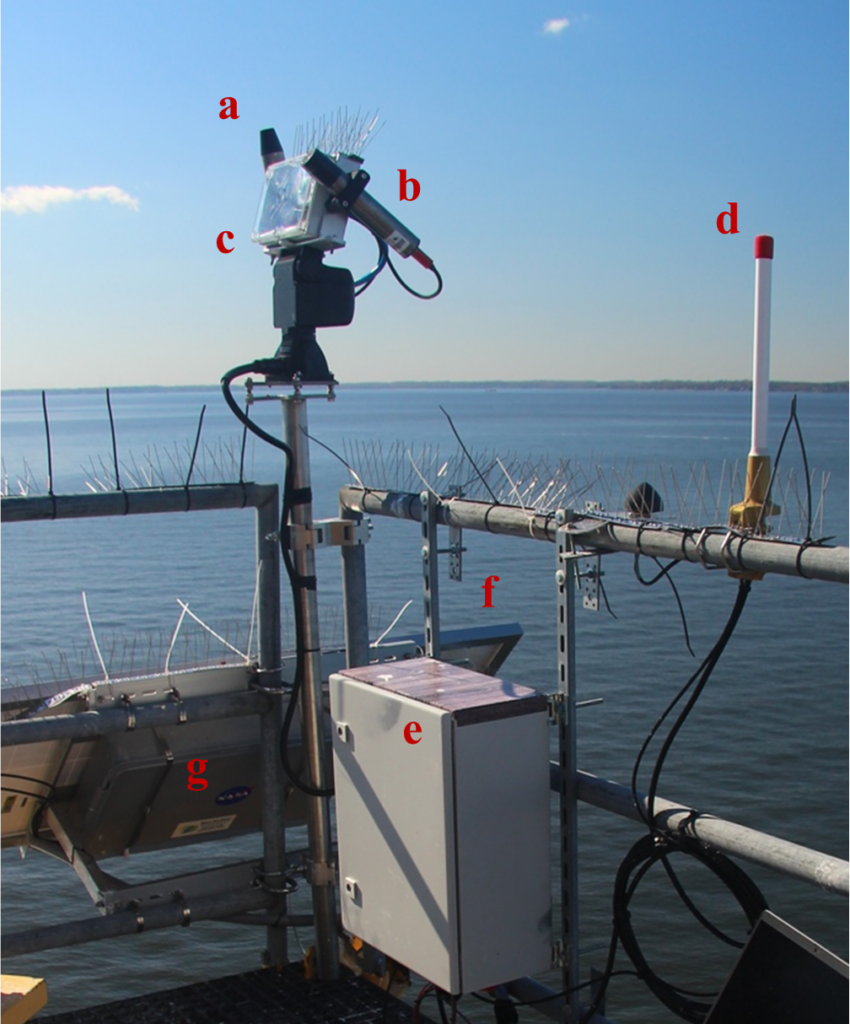
A closer view of the PANTHYR instrument on the tower’s upper platform. Components of the station instrument system include (a) solar spectral irradiance instrument, (b) sky and surface radiance instrument, (c) robotics package (with the “pan/tilt” device), (d) cellular antenna, (e) instrument control box, (f) photovoltaic panel, (g) power control box. (Photo by Dieter Vansteenwegen, VLIZ)
“Autonomous stations like this collect a wealth of validation information—more than we get from science cruises or other means, which can be very expensive,” Turpie says. “It’s exciting to get multiple observations a day of the changing water quality and ecosystem conditions of this important coastal estuary. For surface radiometry, this is very important in order to build up as many match ups with satellite observations as possible.”
Moving forward, UMBC is responsible for the maintenance and operation of the PANTHYR station. Turpie and his colleagues will be working hard to keep the station in tip-top shape so that it can continue to produce useful data and inform future satellite missions—with or without the “help” of neighborhood ospreys.
Matthew Fagan led development of the forest patches database that the current study relied on. (Marlayna Demond ’11/UMBC)
A new study in Naturefinds that up to 215 million hectares of land (an area larger than Mexico) in humid tropical regions around the world has the potential to naturally regrow. That much forest could store 23.4 gigatons of carbon over 30 years and also significantly help enhance biodiversity and water quality. The study showed that more than half of the area with strong potential for regrowth was in five countries: Brazil, Mexico, Indonesia, China, and Colombia.
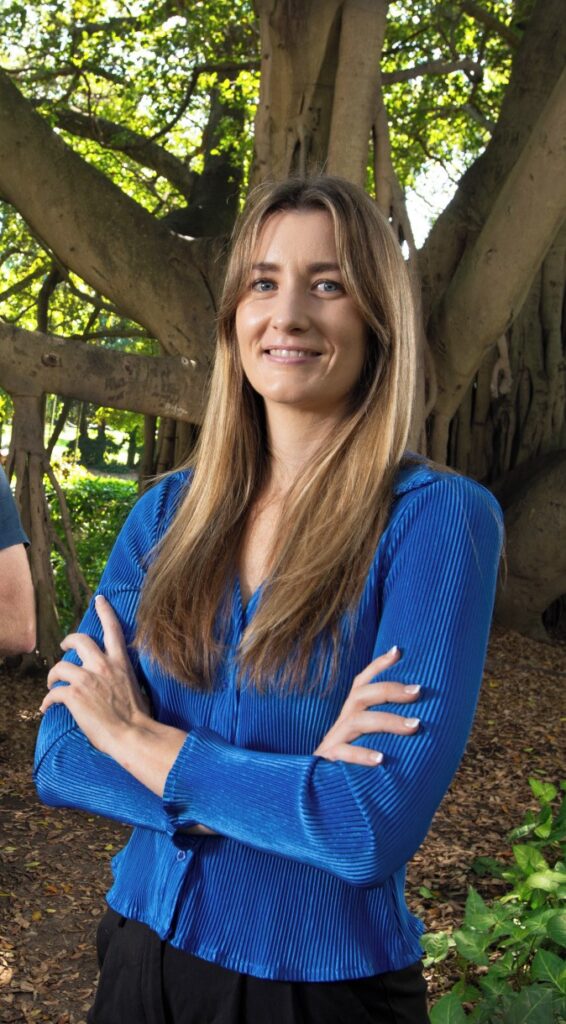
“Tree planting in degraded landscapes can be costly. By leveraging natural regeneration techniques, nations can meet their restoration goals cost effectively,” says the study’s co-lead author, Brooke Williams, a researcher at the Queensland University of Technology, Australia, and the Institute for Capacity Exchange in Environmental Decisions. “Our model can guide where these savings can best be taken advantage of,” she says.
A culmination of decades of work
Brooke Williams co-led the new research study. (Courtesy of Williams)
Matthew Fagan, associate professor of geography and environmental systems at UMBC and second author on the new study, developed a data set the authors relied on.
In that work, “We used satellite images to identify millions of small areas where tree cover increased over time. We then excluded the areas planted by humans with machine learning, focusing on natural regrowth,” Fagan says. The study tracked regrowth between 2000 and 2012, and then checked if the regrowth was maintained through 2015. “Those natural patches were the input data for this novel study,” he says, “the first to predict where future forest regrowth will occur, given observed past regrowth.”
The study, co-led by Hawthorne Beyer, head of geospatial science at Mombak, a Brazilian startup which aims to generate high-quality carbon credits through reforestation of the Amazon, and director of science at Institute for Capacity Exchange in Environmental Decisions, also pulled in global data sets describing factors like soil quality, slope, road and population density, local wealth, distance from urban centers and from healthy forest, and more. “Any time you build one of these global studies, you’re standing on the backs of so many other scientists,” Fagan says. “Each one of these studies represents years of work.”
The study found that the factors most strongly associated with high regrowth potential were a patch’s proximity to existing forest, the density of nearby forest, and the content of carbon in the soil. Those factors in particular “seem to do a really good job explaining the patterns of regrowth we see across the world,” Fagan says. Being close to existing forest, for example, is key to supplying a variety of seeds to the area to support diverse regrowth, Fagan explains.
Keeping it local—by supplying a global map
The end product of the study is a digital map of the global tropics, where each pixel—representing 30 x 30 square meters of land—indicates the estimated potential for regrowth. That map, made possible by n extensive international collaboration of researchers, is a boon to environmentalists worldwide hoping to advocate locally for their efforts.
“Our goal and our hope is that this is used democratically by local people, organizations, and localities from the county level all the way up to the national level, to advocate for where restoration should happen,” Fagan says. “The people who live there should be in charge of what happens there—where and how to restore really depends on local conditions.”
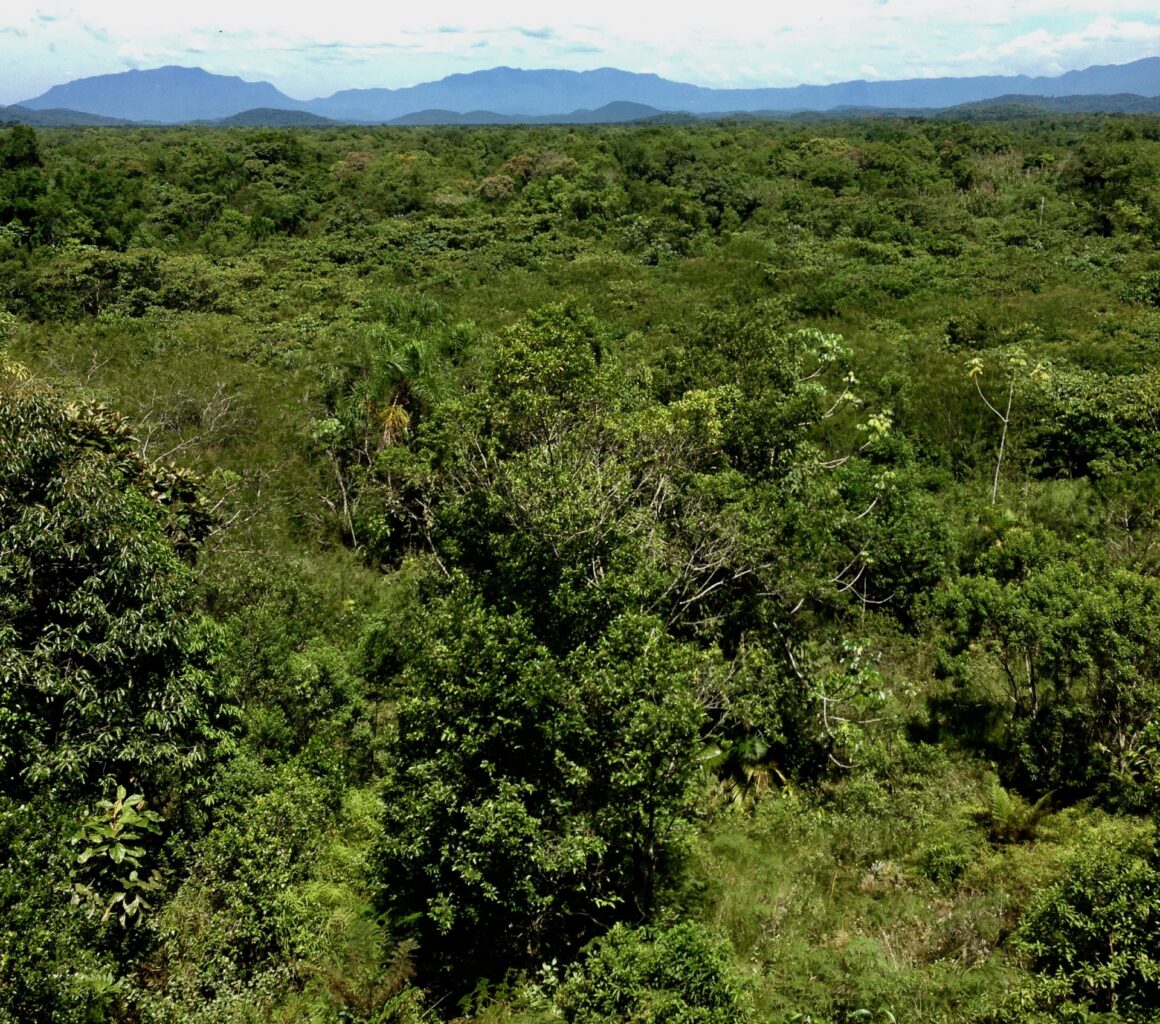
An example of forest regrowth in the state of Parana, Brazil. (Photo by Robin Chazdon)
Fagan points out that some of the potential regrowth areas the study identified are unlikely to be restored for a variety of reasons, such as being in active use for ranching or crops or located on prime real estate near roads and urban centers. However, a meaningful portion of the 215 million hectares is abandoned and degraded cattle pastures or previously logged forests, where encouraging natural regeneration would have minimal cost to local economies and a long list of benefits.
“If you restored that to rainforest, the benefit to water quality, water provision, local biodiversity, and to soil quality would be immense,” Fagan says. “It would also be an immense benefit for pulling carbon out of the atmosphere, so really it’s just a question of, ‘Where can we do this most efficiently?’ That’s what this paper is all about.”
On October 18, nearly a hundred mathematicians gathered at bwtech@UMBC South for the “Finite Element Circus.” “The circus,” as it is affectionately known by attendees, brings together a global group of mathematicians with research interests in the finite element method (FEM), a numerical technique for solving complex differential equations with its roots in engineering. FEM can be used to solve problems related to structural stress, heat transfer, fluid flow, and more.
In some ways, the circus is a typical academic conference: It’s packed with talks presenting fresh research results. But it is also so much more.
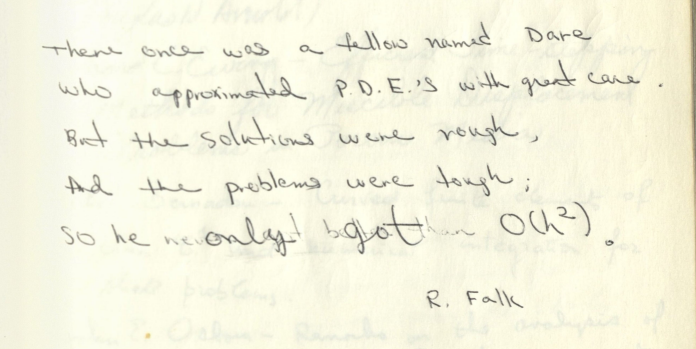
For example, at each circus, attendees add to the multi-volume “Finite Element Circus Book,” a handwritten booklet with a list of talk titles, signatures of attendees, yearbook-style comments, and even humorous math-themed poems penned for the occasion. Posters celebrate each circus—some hand-drawn—and researchers who run over their allotted speaking time get a friendly ribbing from the “ringmaster,” who keeps things running smoothly.
A handwritten poem from one of the earliest iterations of the Finite Element Circus.
Conceived by three mathematicians at a shopping center in Hyattsville, Maryland in 1970, at a time when the finite element method (FEM) was gaining momentum among mathematicians, the circus was first hosted later that year at the University of Maryland, College Park. Since then, it has grown into a tradition among FEM researchers and has been hosted at a range of institutions up and down the East Coast, including at UMBC in 1989, 2006, 2017, and 2024. Inspired by the East Coast circus, there is now also a Finite Element Rodeo held in Texas.
The finite element family
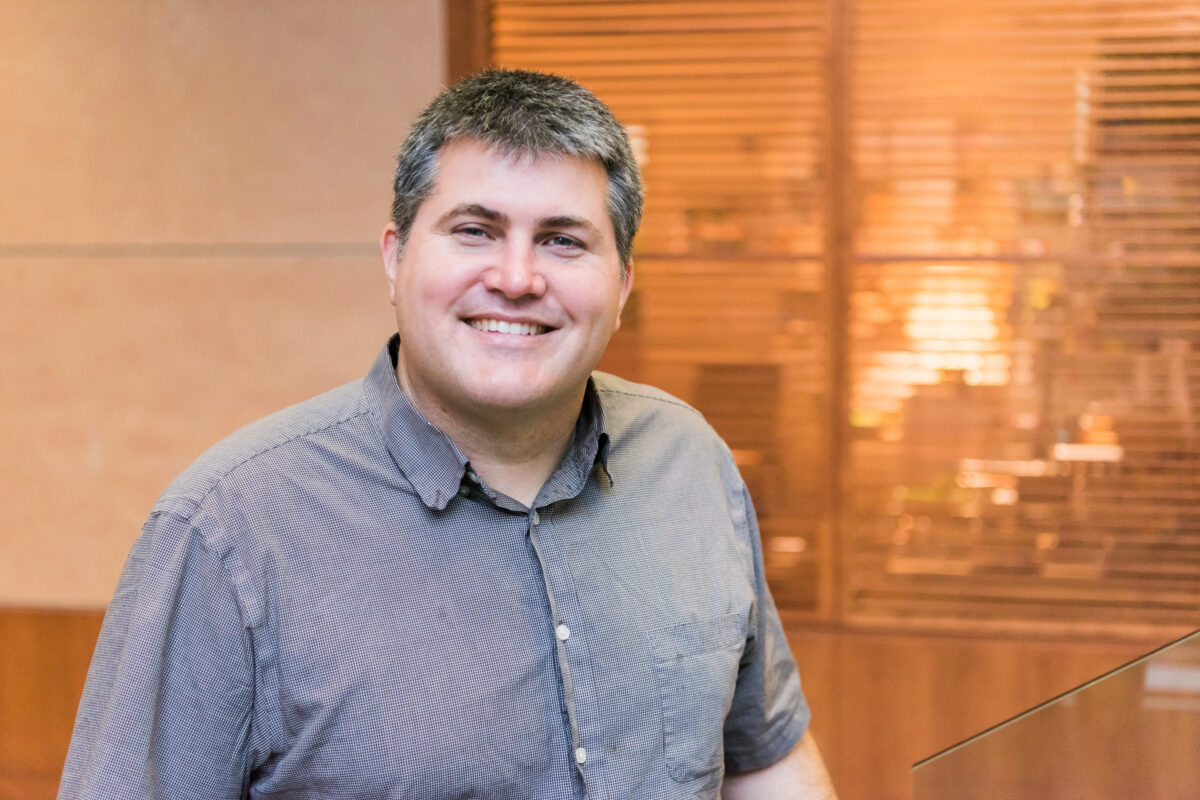
Andrei Draganescu, associate professor of mathematics, organized the UMBC circuses in 2017 and 2024 after attending regularly since 2011. His two Ph.D. advisors at the University of Chicago, Todd Dupont and Ridgway Scott, were among the first generation of circus attendees.
“So we are part of the history,” Draganescu says. “The circus really brings people together. It’s great that UMBC is part of the circuit.”
Manil Suri, professor of mathematics at UMBC, organized the 1989 circus. One of his Ph.D. advisors, Ivo Babuska, was a circus founder and served as the ringmaster for many years. Well known for his wit and high expectations, he kept the talks on schedule and encouraged younger mathematicians. Suri remembers giving one of his earliest research talks at the 1989 circus.
“Fortunately, my talk went well—one of many I’d give in the years to come,” Suri remembers. “The camaraderie was amazing, and after being an organizer, I truly felt I’d been initiated into the finite element family.”
The 1989 Finite Element Circus poster, drawn by Manil Suri. (Courtesy of Suri)
Like going fishing
After attending a couple of times, Draganescu quickly realized that “this was a fairly stable and very friendly crowd, and the meeting was small enough (50 to 100 people) that you had a chance to meet and talk to everybody. And then you could see them again in six months if you wanted to,” he says.
“One should not neglect the social aspect of this conference series, where you get to interact with people outside your immediate circle. We are certainly not math-creating machines, but normal people who thrive professionally and personally on these connections,” Draganescu adds. “I made a number of good friends through these conferences, and working together on some math problem with them is for us like going fishing together or playing together in a band is for others.”
For FEM researchers and colleagues in adjacent fields, the Finite Element Circus is a semiannual anchor point. It’s an opportunity to share research, strengthen personal connections, integrate new researchers into the family, and just have fun. There’s no tightrope or clowns, but if you’re into solving equations, it just might be the “greatest show on Earth.”
Most people wouldn’t guess horseshoe crabs—ancient arthropods with hard, round carapaces and long, spiky tails—when asked what animals you might find in a K-12 classroom. But Jessica Baniak ’23, biological sciences, is collaborating with the Maryland Department of Natural Resources (DNR) to shift kids’ perspectives of the alien-looking critters and create opportunities for inquiry-based learning.
Today, Baniak is a student in the ICARE program, an environmental science master’s program led by UMBC biology professor Tamra Mendelson. ICARE students study local environmental issues and include community partners on their master’s thesis committees.
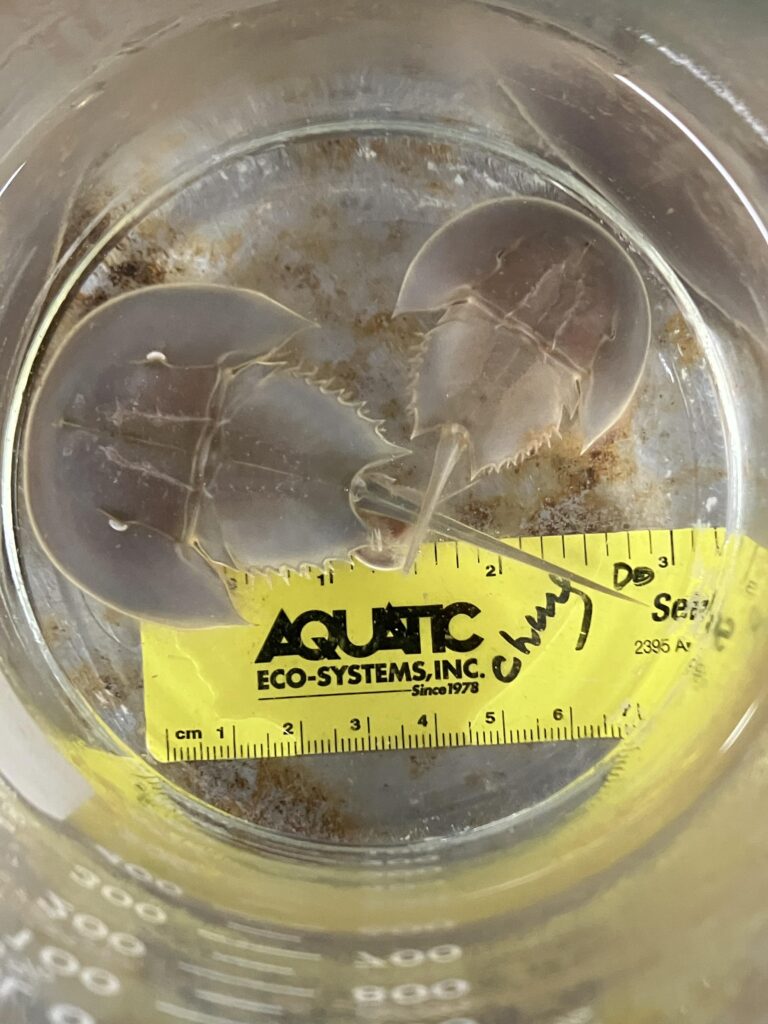
Horseshoe crabs congregate on Maryland and Delaware beaches to mate each spring, and the last two years Baniak has collected some of their eggs with a research permit from the Maryland DNR. Each female can produce upwards of 20,000 eggs. Baniak takes the eggs back to a lab at the Institute of Marine and Environmental Technology (IMET), a multi-institution research facility on Baltimore’s Inner Harbor, and raises them until they’re about a centimeter across.
Then Baniak delivers the baby crabs to elementary, middle, and high school classrooms in Howard, Carroll, and Baltimore counties. This year, 10 schools received crabs. Some teachers use the crabs in their curriculum, and some crabs are tended by student environmental clubs. Students run basic experiments that develop their science reasoning skills, like comparing growth rates in different hatchery setups.
Finding the sweet spot
These baby crabs are about six months old, and Baniak grew them at the highest temperature in her study—so they are a little larger than average. (Courtesy of Baniak)
It’s tricky to successfully raise the crabs to adulthood. Baniak visits each classroom a couple of times a year and makes suggestions to improve the crab habitats. Factors like feed, temperature, salinity, and more play a role in their survival. For her master’s research, Baniak is working out the ideal setup for successful crab-rearing with a focus on temperature. Higher temperatures produce faster growth, but some baby crabs perish in the heat. Cooler temps cut the mortality rate, but slow growth.
Baniak’s goal is to find the sweet spot that produces the most healthy crabs in a short amount of time. Why does efficiency matter? Because eager students aren’t the only ones interested in raising crabs.
Companies extract a compound from horseshoe crab blood that is used to detect bacterial contamination in pharmaceuticals. The blood can’t be harvested until the crabs are about 10 years old, Baniak explains, so raising them in captivity isn’t economical (it’s also challenging). Instead, reintroducing young crabs to their natural habitat is “a way that companies can help mitigate how much they’ve taken out of the wild,” Baniak says. Baniak’s work will help optimize these reintroduction programs for the industry—and at the same time, give kids a unique learning opportunity.
‘Everything all at once’
As a child, the National Aquarium in Baltimore—directly across the pier from IMET—inspired Baniak to pursue marine biology. Today her experiences range well beyond horseshoe crabs. As an undergraduate, she had a summer internship at an oyster hatchery. “During the breeding season—that’s when you work really long hours,” she says. “You have to do everything all at once.”
Counting surviving oysters, mating specific oyster pairs, and cleaning tanks—all while squeezing in work on experiments running at the hatchery—filled her days. One project involved developing a protocol to anesthetize oysters, which made it possible to collect tissue samples without killing the oyster. Baniak also assisted with the hatchery’s softshell clam initiative.
For another internship, she worked at the Maryland Pesticide Education Network, which promotes safer alternatives to harmful pesticides. During the academic year, she found time to participate in UMBC’s tae-kwon do club and play club volleyball.
Sharing the joy in science
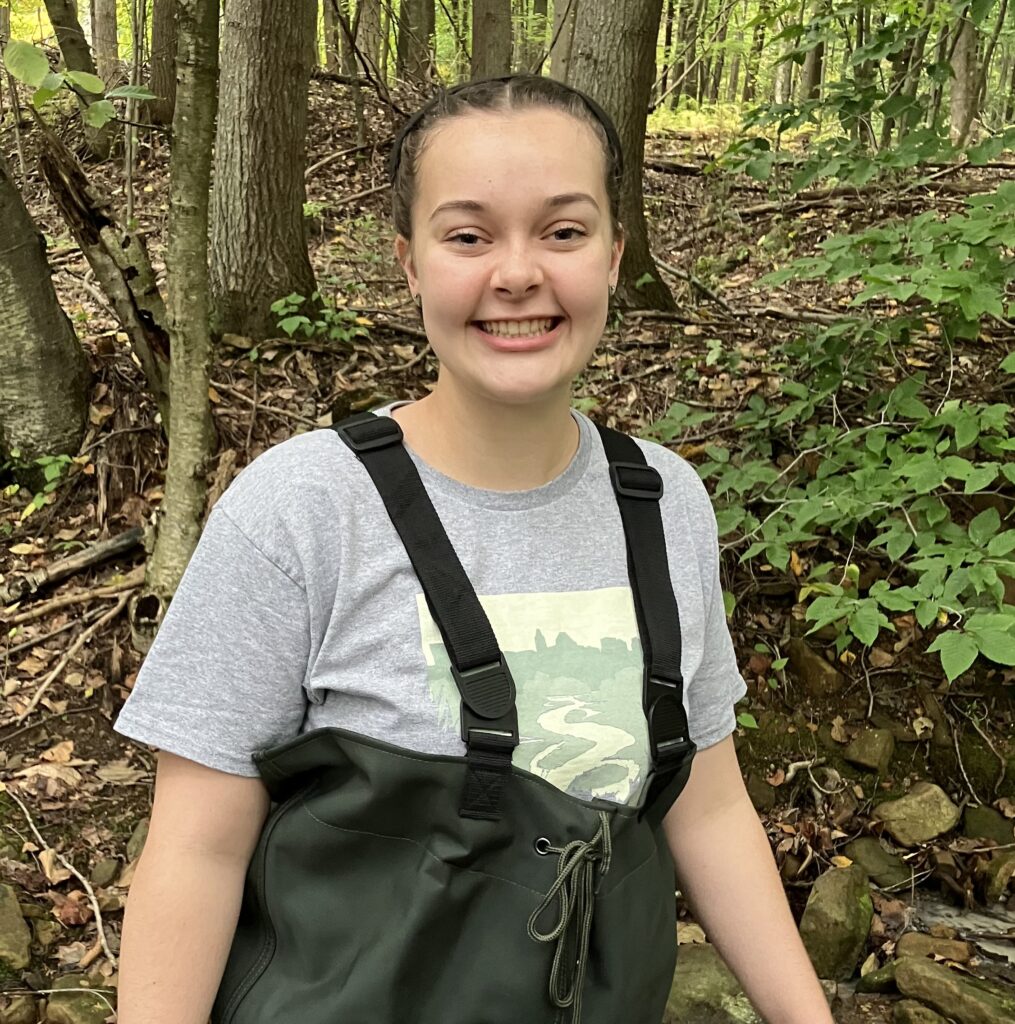
Jessica Baniak ’23 (Courtesy of Baniak)
After she graduates with her master’s next spring, Baniak hopes to move on to a role in a federal agency like the U.S. Fish and Wildlife Service. She wants to continue to contribute to outreach programs like the horseshoe crab project.
“That’s my motivation for continuing in science, because I want to make more programs like that,” Baniak says. “I like ICARE because you’re working with other people in the community and not just researching a really niche subject.”
After she transferred to UMBC during the pandemic to be closer to home, UMBC faculty members helped her stay committed to her biological sciences degree. Maggie Holland, professor of geography and environmental systems, “brought back the joy into science after returning from online learning,” Baniak says. “She seemed to genuinely care about me as a student and about the subject she was teaching.”
Mendelson, too, made an impact. “She’s put a lot of effort into the ICARE program and wants to see all of us succeed,” Baniak says.
At the end of the school year, Baniak will travel with the students to release their horseshoe crabs at Sandy Point State Park and watch them wriggle across the sand and swim into the Chesapeake Bay, heading for life’s next phase.
Kaitlyn Sadtler ’11, biological sciences, has been selected for the TIME100 Next list. In its fifth year, the list aims “to recognize rising leaders in health, climate, business, sports, and more—and by doing so, not just show the stories that are capturing headlines in 2024, but also introduce you to the people who we believe will play an important role in leading the future.”
Since 2019, Sadtler has been a tenure-track researcher and chief of the Section on Immunoengineering at the National Institute of Biomedical Imaging and Bioengineering. Her interdisciplinary research straddles bioengineering and immunology.
“I’m super excited and absolutely surprised to be included on the TIME100 Next list. Working in regenerative medicine, our lab gets to look forward to where we could build therapies to help regrow our damaged tissues after traumatic injuries,” Sadlter shared. “I’m also thrilled that there is excitement for bioengineering at the National Institutes of Health. Biomedical engineering is a field that’s able to connect the basic fundamental biology discoveries with clinical translation and application of those discoveries.”
In 2020, Sadtler led a study published in Science Translational Medicinelooking for undiagnosed COVID-19 cases in more than 9,000 blood samples that never-diagnosed participants mailed in. The study found that during the first several months of the pandemic, for every diagnosed case of COVID-19, an estimated 4.8 cases went undiagnosed. That suggested a total of 16.8 million undiagnosed (and therefore mild or asymptomatic) cases by July 2020.
Undiagnosed cases were more likely in certain demographic groups, including younger people, people in urban areas, and people without risk factors for severe disease. The findings provided important insights for the pandemic response by suggesting that immunity acquired from infection among the young and healthy population and in dense areas was higher than previously understood, meaning herd immunity might be reached faster than first anticipated.
After graduating summa cum laude from UMBC, Sadtler completed her doctorate at the Johns Hopkins School of Medicine and a postdoctoral fellowship at MIT. Sadlter has received numerous awards, and her 2018 TED Talk was one of the 25 most-viewed TED talks that year. Sadtler also presented at UMBC’s GRIT-X speaker series in 2022.
Some organisms are better than others at surviving without oxygen. “Humans don’t do very well without oxygen, but even humans have adaptive mechanisms,” says Rachel Brewster, professor of biological sciences. Zebrafish, however—the model organism Brewster studies—are champs at surviving with little or no oxygen. In fact, zebrafish embryos can last up to 50 hours under anoxia—that is, no oxygen at all.
Brewster’s lab includes wall-to-wall freshwater fish tanks, where two-inch zebrafish with blue and gold horizontal stripes swirl. Her team has been working with zebrafish for years, painstakingly figuring out just how they mitigate the effects of reduced oxygen (“hypoxia”) at a molecular level. “What we’re really interested in discovering is what adaptive molecules we might share in common with some of these highly hypoxia-tolerant organisms like zebrafish,” Brewster says. “And if we share those molecules, how can we control or modify their activity to improve outcomes?”
Solving the zebrafish puzzle
Being able to keep human tissues alive and undamaged under hypoxia for longer stretches of time has a range of potential benefits. Notably, it would expand the ability to deliver donated organs to transplant recipients most in need, in less developed geographic areas, or even in war zones—which is the reason the U.S. Department of Defense (DoD) previously funded Brewster’s work.
Over the last several years, her DoD-funded work and subsequent research supported by the National Institutes of Health (NIH) have led Brewster’s group on a swimmingly successful journey of discovery. Twists and turns, creative thinking, and challenging lab work have allowed them to place one puzzle piece after another to reveal the bigger picture of how zebrafish survive so long without oxygen. Brewster hopes other researchers will take her group’s work a step further, translating the fundamental knowledge they’ve brought forth into treatments that save human lives. In recognition of her group’s contributions, Brewster has just secured a five-year, more than $1.9 million grant from the NIH to continue solving the puzzle.
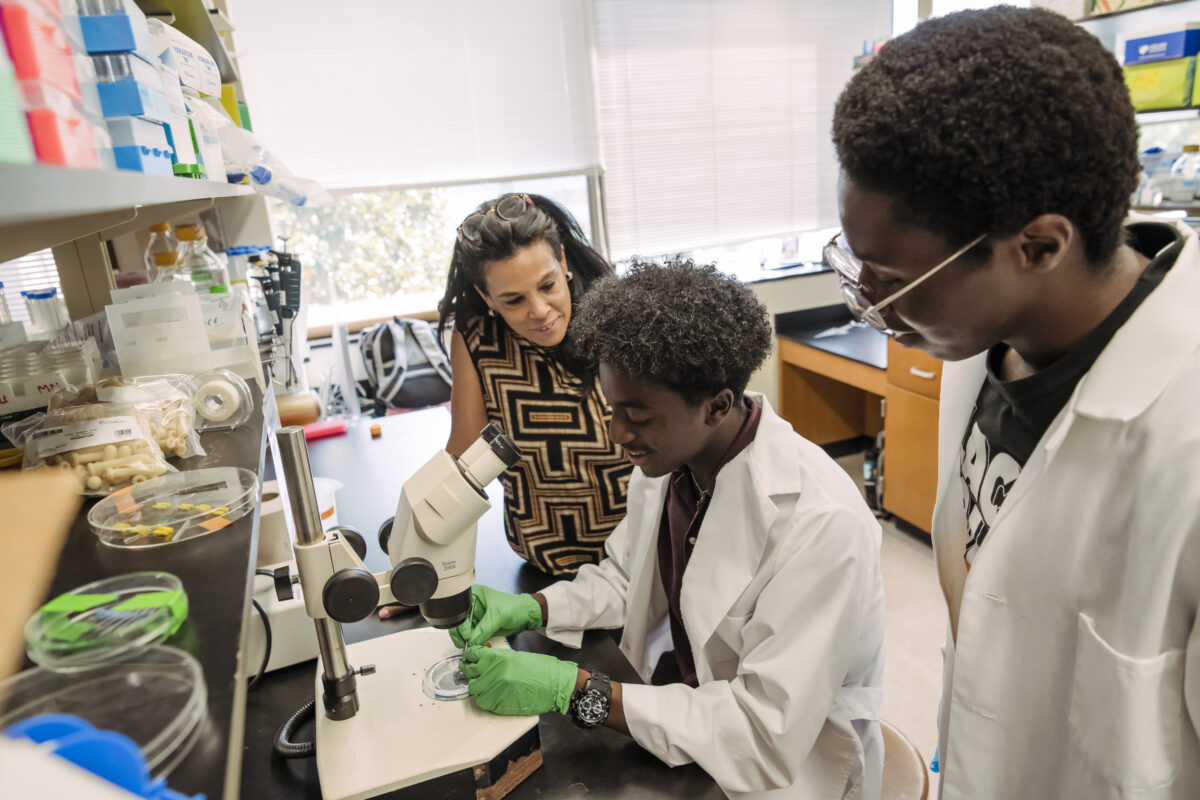
Rachel Brewster makes mentoring students the cornerstone of her work as a UMBC faculty member. Left to right: Rachel Brewster, Gabriel Otubu, and Felix Rene Siewe. Otubu and Siewe are senior biochemistry and molecular biology majors. (Marlayna Demond ’11/UMBC)
Equally important to Brewster, her research program creates opportunities for emerging scientists to learn the practical skills and habits of mind that will enable them to pursue their own scientific questions in the future. Her current team includes graduate students and several undergraduates, all of whom have contributed to creating new knowledge. “Research and training go together for me,” Brewster says.
The journey begins
Some organisms, including animals that fly at high altitudes, dive deep in the ocean, or live underground, excel at adapting to low oxygen. They typically reduce their metabolic activity when oxygen drops, therefore reducing demand as supply dwindles. “They reach a new status quo,” Brewster says.
Brewster initially expected that the molecules inducing that new status quo must be quick-acting metabolites—small molecules already present in cells—rather than large proteins that are energy-intensive to produce. So in 2016 she teamed up with Johns Hopkins scientist Young-Sam Lee, who has expertise in metabolites. She asked Lee, who is now at the Kentucky University School of Medicine, to identify which metabolites were more or less abundant in zebrafish embryos raised without oxygen compared to embryos that developed under normal conditions. Austin Gabel ’17, biological sciences, worked closely with Lee in summer 2016 to uncover the relevant metabolites.
The results showed that embryos raised without oxygen had, among other metabolites, more lactate. Lactate is a byproduct of glycolysis—the energy-producing process cells must rely on when oxygen isn’t available. That was “kind of a ‘duh’ moment,” Brewster says, but there was more to the story: Around the same time, other researchers were showing that high lactate levels in cancer cells triggered cell growth and blood vessel development via a protein called NDRG3. Brewster was surprised to see such energy-intensive processes triggered by low oxygen—but she wondered if members of the NDRG protein family functioned differently in healthy cells.
A surprising connection
Curious, Brewster and Jong Park, Ph.D. ’21, biological sciences, searched a database for NDRG genes in zebrafish, and found six. (There are four in mammals.) NDRG1a caught their attention, because it is involved in a process that requires an enzyme called a sodium potassium ATPase. That enzyme is one of the most energy-intensive enzymes in the cell, and organisms frequently reduce its production when oxygen is low. Interesting, Brewster thought.
Also, the ATPase and NDRG1a were expressed in exactly the same areas of the fish’s body—the kidney and skin cells called ionocytes, which are arrayed in a polka dot pattern on the surface of zebrafish embryos. Could NDRG1a be regulating the ATPase? Sure enough, a database of protein-protein interactions revealed that NDRG1a could interact with the ATPase. Now they were getting somewhere!
Rachel Brewster’s office is a welcoming space for students to come and ask questions. (Marlayna Demond ’11/UMBC)
A long and winding road
To check whether NDRG1a actually did regulate this ATPase, her team tested how normal zebrafish and zebrafish without functional NDRG1a performed with normal oxygen and no oxygen. Under normal conditions, they both behaved normally. But the zebrafish without NDRG1a died at much higher rates without oxygen, providing compelling evidence that NDRG1a is required for the fish to adapt to low oxygen.
That was exciting, because at that time, “NDRG had no distinctive regions that could help researchers infer its function,” Brewster says—in fact, its molecular function was hardly understood. “But the fact that it can bind to a lot of different proteins suggests that it can function as an “adapter protein.” Just like an adapter that allows you to connect a USB to a wall outlet, adapter proteins connect molecules that otherwise wouldn’t interact. In this case, NDRG1a connects the ATPase with proteins that carry it off either to be stored in the cell for later use or destroyed—both outcomes that stop its activity and eliminate its demand for energy.
Brewster’s lab then showed that NDRG1a can, indeed, bind directly to the ATPase. Plus, the interaction increases when there is more lactate present, independent of how much oxygen is available. “That was really exciting for us,” Brewster says, “because it suggests that the rise in lactate is functioning via NDRG to promote the downregulation of ATPase.”
An important implication of this finding is that lactate or a similarly-shaped molecule could potentially be used to alter NDRG1a’s activity, and therefore artificially induce an energy-conserving state, Brewster explains. That could potentially help retain organs in viable condition for longer between collection and transplant—and that could save lives.
To further demonstrate that point, Brewster’s lab showed that if cells don’t have functional NDRG1a, ATPase activity does not decrease even with high levels of lactate. That means lactate doesn’t regulate ATPase on its own, but requires NDRG1a as an intermediary.
Joy in the process
Based on all the evidence they’ve collected—in their own lab via experiments and through research in the literature and genetic databases—the Brewster lab’s current model of the system is this: When oxygen is low, lactate and NDRG1a increase. Lactate binds to NDRG1a in such a way that allows it to interact with the ATPase, guiding it either to storage or to the cell’s “garbage can,” which improves the organism’s ability to survive low oxygen by reducing demand from the ATPase for energy.
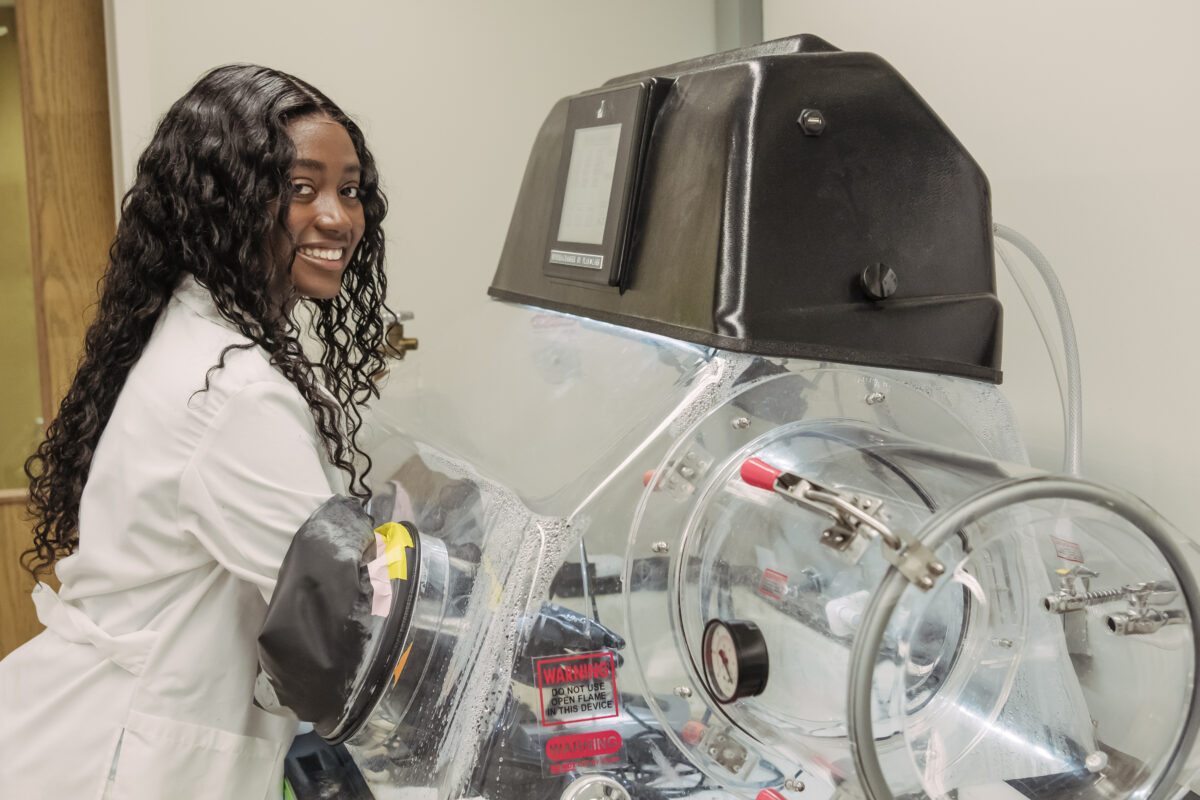
Briana Young, a senior biological sciences major, works in Brewster’s group. Here she stands near a device used to control the oxygen level for experiments. (Marlayna Demond ’11/UMBC)
While it might sound complicated (and sometimes it is!), this process is the joy of a biologist—untangling how molecules interact, using logic to define long chains of reactions, and designing laboratory experiments to fill in knowledge gaps. It’s incremental work like Brewster’s that takes science to new heights step by step. Brewster’s research group has already meaningfully moved the needle on understanding how organisms adapt to oxygen deprivation, but there is still so much more to do—and Brewster is wasting no time.
Filling in the picture
“While hypoxia is damaging, what is even more damaging is the return to normal oxygen,” she says. “You cannot be hypoxia tolerant if you are not also tolerant to reoxygenation. That had us wondering if NDRG is also involved in the reoxygenation phase.”
Brewster’s group has determined that as oxygen returns, NDRG1a continues to interact with the ATPase. That suggests NDRG1a is also important for the transition to reoxygenated conditions. The next experiment the team needs to do to determine whether NDRG1a is indeed critical for reoxygenation is complicated: They need to allow zebrafish to experience hypoxia with normal NDRG1a, and then remove functional NDRG1a just prior to reoxygenation.
“And that is not a trivial experiment,” Brewster says. “So that is one big aim of the new NIH proposal—to try to address the undoing of the hypoxia response.”
Another big goal of Brewster’s upcoming work is to look at other proteins that NDRG1a interacts with and explore their potential roles in hypoxia response. She also wants to investigate other members of the NDRG family. For example, muscle cells produce more NDRG1b under hypoxia, which occurs during intense exercise along with an increase in lactate. Ph.D. candidate Prableen Chowdhary is investigating NDRG1b’s role now. And other NDRG family members are known to be abundant in tissues that require a lot of energy, like the heart.
Lilian Gonzalez is studying the role of the protein NDRG1 in organisms’ response to hypoxia. (Marlayna Demond ’11/UMBC)
“It takes energy to save energy”
Curiously, Brewster also noticed that in the research literature, hypoxia is associated with hearing loss: Pilots, people who live at high altitudes, and people with oxygen-depleting diseases like sickle cell anemia or chronic sleep apnea all suffer from hearing loss at higher-than-average rates. Even more intriguingly, NDRG1 is expressed in the inner ear during hypoxia, and Ph.D. candidate Lilian Gonzalez is currently studying its role.
“NDRG seems to be protective, so it may be protective in the inner ear just like it is in the kidney and ionocytes,” Brewster says. “It might be down-regulating ATPase somehow to preserve those cells.”
Beyond NDRG, one of Brewster’s former students, Tim Hufford, Ph.D. ’23, biological sciences, discovered that cells begin producing larger quantities of many different proteins when oxygen drops. That finding officially sunk Brewster’s original hypothesis that metabolites, rather than new proteins, must be the first responders when reduced oxygen strikes. It also demonstrated that “it takes energy to save energy,” she says.
Hufford’s work “opened up a huge area of research, as we now know of hundreds of additional molecules that may play a critical role in hypoxia adaptation in addition to NDRGs,” Brewster says. “It’s more research than my lab could pursue in a lifetime,” she adds, encouraging the next generation to pick up the torch.
Finding purpose in student mentoring
Much fascinating research is in Brewster’s future—but she is far from alone in the endeavor. Brewster’s students are the drivers of the research, she says, and with the new grant, she might add a postdoctoral fellow as well.
“I am deeply committed to the students’ success,” Brewster says. More and more undergraduates in her laboratory are authoring academic papers, which will give them a leg up as they apply to graduate school or seek careers.
As a full professor, Brewster plans to dedicate her time at UMBC to “doing more of what I passionately care about,” she says. “And providing opportunities for people to truly excel in science is completely linked to the research. Because they are the people doing the research. And the students in my lab have done great things.”
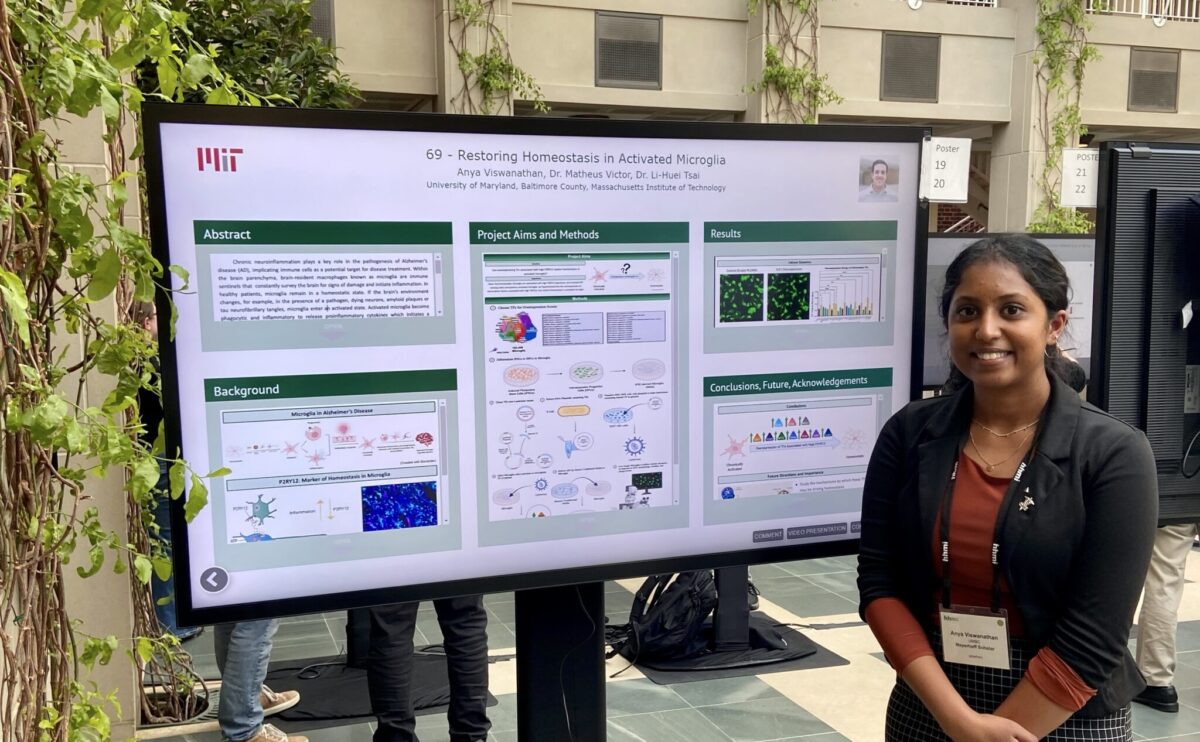
Anya Viswanathan presents her research from a summer internship at MIT. (Courtesy of Viswanathan)
She’s not exaggerating. Gabriel Otubu, a senior biochemistry major in Brewster’s lab, received the prestigious Goldwater Scholarship earlier this year. Last year, Soujanya “Anya” Viswanathan ’24, biological sciences, was also named a Goldwater scholar as was Dominique Brooks ’21, biological sciences, in 2019. Brewster also mentors graduate students as director of the G-RISE Program, an NIH-funded initiative that offers mentorship and training for STEM careers in academia, industry, or government to graduate students from a wide range of backgrounds.
It’s this commitment to mentoring that underpins Brewster’s research success, and she also sees it as one of her fundamental roles as a faculty member. “I want to be very intentional with the time I have left, and student training is something I care deeply about,” she says. “Anyone can be excellent in science. And that is what I strive for in my lab—to support every student to reach their potential, no matter where they’re coming from.”
Efavirenz is an important drug for treating HIV infection, but it has negative effects that can significantly impact patients’ quality of life over time. It causes neuropsychiatric disorders and neurocognitive impairment in roughly 50 percent of patients. The drug is associated with abnormal lipid levels in blood plasma, but the molecular mechanisms responsible for negative clinical observations are unknown.
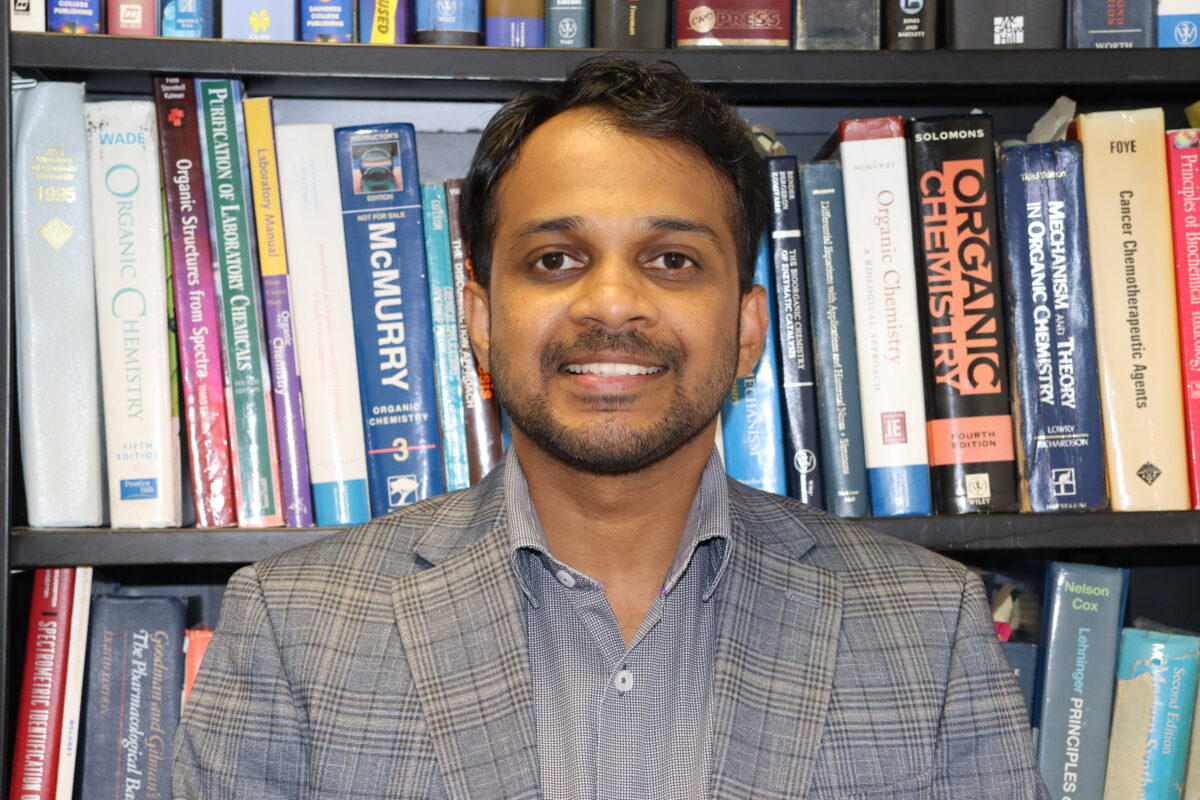
Nav Raj Phulara (courtesy of Phulara)
A new study in ACS Pharmacology & Translational Science led by chemistry Ph.D. student Nav Raj Phulara, used a novel combination approach to increase understanding of the relevant mechanisms. First, tissue imaging showed that Efavirenz alters lipid metabolism in mouse brains. Next, the researchers investigated all of the proteins present in the mouse brain sections and found that Efavirenz downregulates certain enzymes. All of these changes could be responsible for the drug’s negative neuropsychiatric effects. If proven so, new drugs could potentially be developed to block the negative activity of Efavirenz while allowing its positive effects to continue.
“Lipid abnormalities in the brain can lead to adverse effects like brain disorders and neurodegenerative diseases, and the brain is rich in lipids overall,” says Herana Kamal Seneviratne, assistant professor of chemistry and biochemistry and senior author on the new paper. “That formed the basis for investigating lipids in this study.”
The new combination approach could also be applied to investigate lipid metabolism in other systems, such as the heart and kidney. Two other students in Seneviratne’s group, chemistry Ph.D. student Nimalee Jayasekera and junior biochemistry and molecular biology major Anderson Rivas, are already examining lipid metabolism in heart tissue. The results could eventually lead to reduced tissue damage in people taking drugs with known cardiac toxicity, such as some chemotherapy drugs.
Novel approach, new perspectives
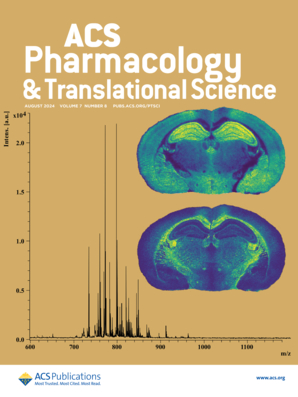
Pharmacology & Translational Science featured the study on its cover. The two images on the right show the results from mass spectrometry performed on the mouse brain samples. The different colors represent the abundance of a particular lipid at each precise location.
The approach employed in the new study improves on traditional methods. Previously, researchers were forced to grind up tissue samples into a homogeneous slurry before analyzing them. The mass spectrometry method Phulara and Seneviratne used to image the samples maintains their integrity, and therefore retains spatial information. The results indicate which lipids are present, their abundance, and precisely where each lipid is located in a heat map for each tissue section.
Comparing the results of these studies between mice who had and had not been treated with Efavirenz showed that the drug altered the abundance of multiple lipids, particularly in the hippocampus, thalamus, and corpus callosum regions.
Then, when the researchers investigated the proteins present in the samples (their “proteome”), they found that 12 enzymes were much less abundant in treated mice. That list includes proteins involved in energy metabolism and lipid production and metabolism. The enzymes associated with the lipid changes will guide further investigation into the molecular mechanisms behind the changes.
“Combining tissue imaging with proteomics is extremely powerful, and that is one of the novel aspects of this work,” Seneviratne says. Top-of-the-line instrumentation available in Seneviratne’s lab and UMBC’s Interdisciplinary Life Sciences Building made the work possible, as well as collaboration with UMBC cancer biologists Charles Bieberichand Apurv Rege, who supported the drug treatment studies and are co-authors on the paper.
Digging deeper
Herana Kamal Seneviratne (courtesy of Seneviratne)
Now Phulara is homing in on how the enzymes identified in the current study affect lipid metabolism. To do that, he’ll manipulate the enzymes’ expression in different brain cell types and observe the effects. Some of the cells will receive Efavirenz and some will not. Observing the effects on lipid metabolism in the two groups will help reveal how the enzymes regulate lipid metabolism under normal conditions and how the drug disrupts that process.
Phulara has started by growing mouse astrocytes, a type of brain cell. He’ll collaborate with neurologists at the Johns Hopkins School of Medicine for analyses of human cells. Seneviratne’s group is also working on developing proteomic techniques that retain spatial information, similar to the lipid mass spectrometry imaging methods the team used.
“The overall goal is, ‘How can we target the lipid metabolism in order to minimize the side effects associated with this drug?’” Seneviratne says.
Earlier detection for better outcomes
For drugs that cause heart damage, such as the common chemotherapy drug doxorubicin, looking at lipid metabolism might help discover new mechanisms by which the damage occurs and help clinicians recognize the damage earlier. Typically, damage is not detected until it is quite advanced and irreversible, Seneviratne explains.
“We want to know the earliest molecular signatures of the damage. We think lipid metabolism will give us early molecular markers,” Seneviratne says. He adds, “The approaches that we developed in this study could be broadly applicable to kidney toxicities or cardio toxicities or any toxicities, and neurodegenerative diseases as well.”
“It’s really exciting. We can even find novel molecular targets for different diseases using this approach,” Phulara says. “If we see altered lipid metabolism in response to a specific drug, then we can target that altered lipid metabolism by supplementing with another drug, so hopefully that can help combat the disease.”
An animated short co-directed by UMBC’s Robin Corbet, senior research scientist in the Center for Space Sciences and Technology, and Laurence Arcadias, an animation professor at the Maryland Institute College of Art, will screen at the Iron Mule Film Festival—a short comedy film fest—in New York City on October 7. Corbet and Arcadias will attend the screening and take questions from the audience about science, art, and how they can complement each other.
The playful and zany short film features animations representing the 2024 total eclipse. The soundtrack showcases a delightful and scientifically accurate track, “The Sun Song,” performed by The Chromatics, an a cappella group consisting primarily of NASA scientists.
A large group of astronomy researchers attending a meeting of the American Astronomical Society took part in a collaborative art and science workshop where they developed the animations just before viewing the eclipse.
“The Eclipse”
The final product “uses the first film ever made of an eclipse, produced by magician Nevil Maskelyne in 1900, as a basis,” Corbet explains, “but the astronomers and artists added quite a few of their own wild embellishments.”
The eclipse workshop was a project of AstroAnimation, an ongoing collaboration led by Corbet and Arcadias. AstroAnimation brings together art students at MICA and NASA scientists to produce animations based on cutting-edge science. The eclipse film represents AstroAnimation’s effort to expand its impact beyond the classroom.
Having trouble settling into your major? Wishing you had some useful tips to rely on as you navigate your science classes on campus? We asked five experts in the College of Natural and Mathematical Sciences (CNMS) for their best tips to succeed in majors in CNMS. We took notes, so you don’t have to—here is what they said:
1. Ask for help
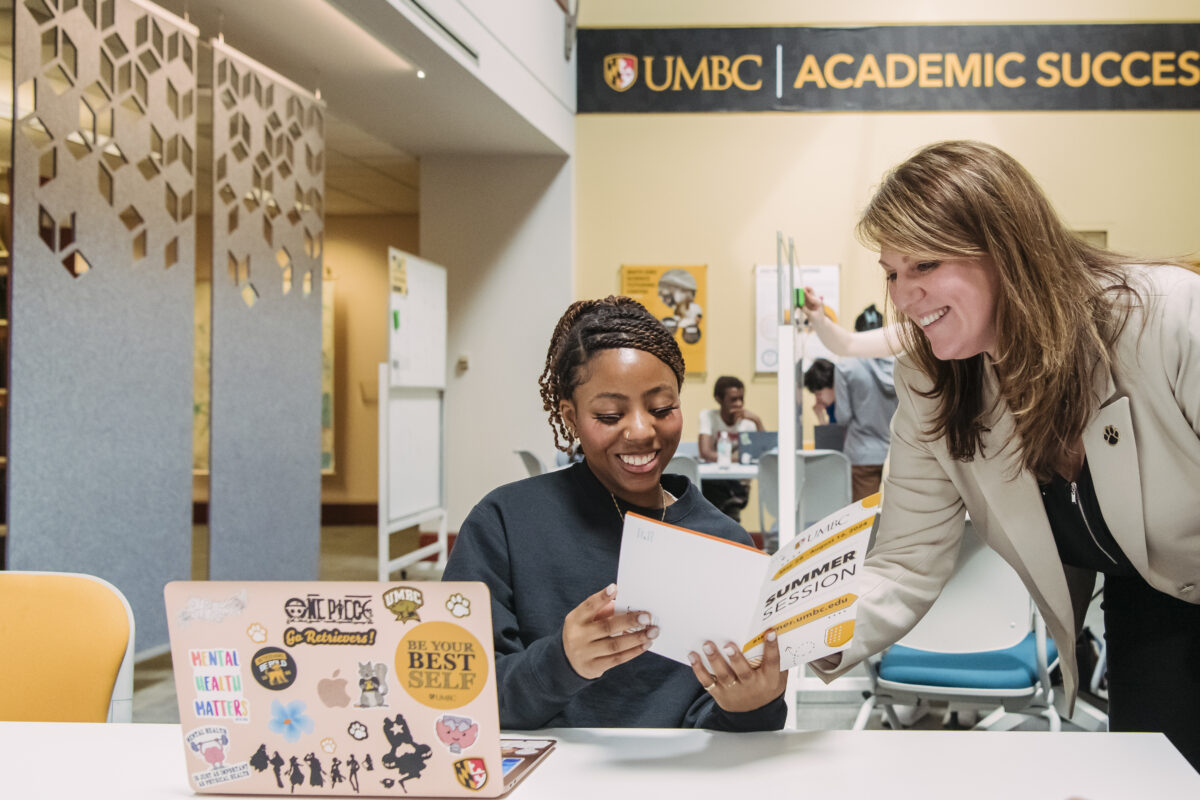
A common refrain from these experts is to ask for help earlier than you think you need it. Emma Barnaby, a student success coach in the CNMS advising office, says, “Learn how to ask for help when you need it. Use UMBC resources like the tutoring center and drop-in tutoring BEFORE you think you need them!” William R. LaCourse, dean, adds, “You are not alone. If you are feeling overwhelmed, talk to someone and seek help early. Your well-being is important to us.”
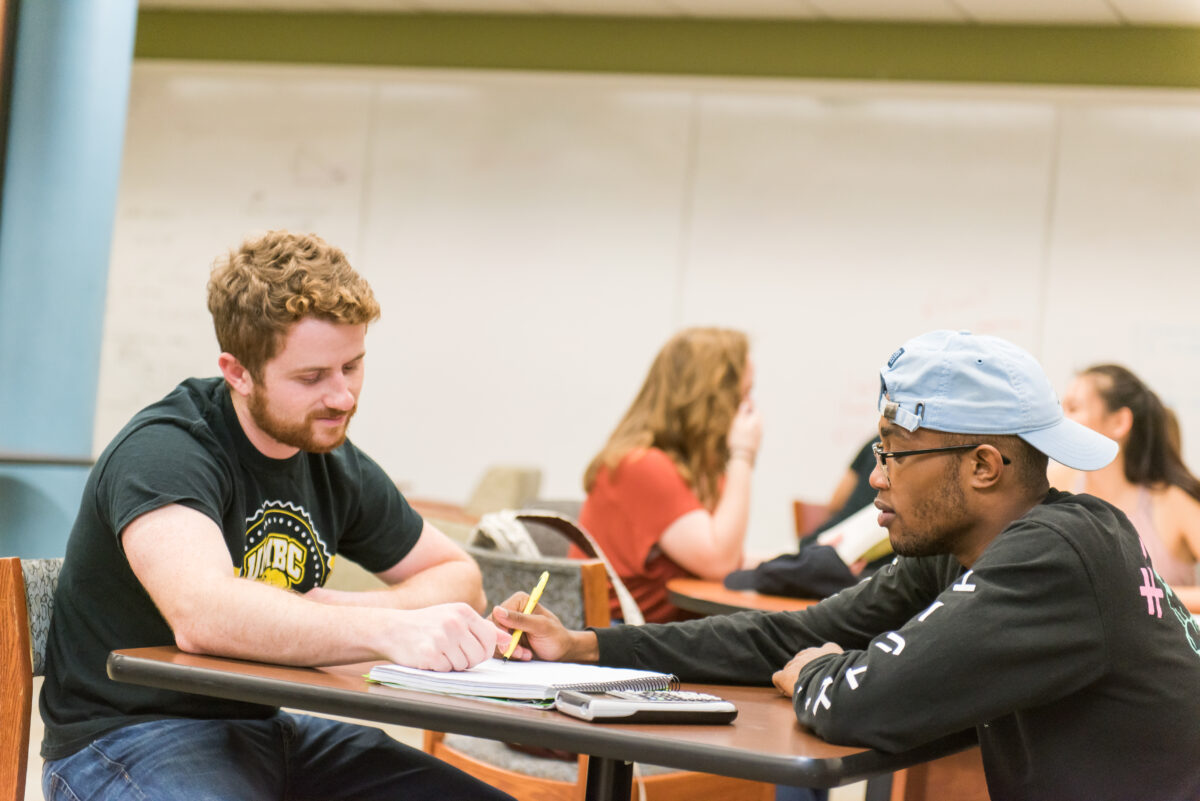
David Eisenmann, the biological sciences undergraduate program director, underscores how many options there are for students looking for assistance: “If you are struggling, do not be shy about taking advantage of all the resources available to you: TAs, office hours, SI PASS leaders, review sessions, tutoring, and CNMS staff!”
Amanda Knapp (right) leads UMBC’s Academic Success Center, which offers a range of supports to students. (Marlayna Demond ’11/UMBC)
2. Take control
Our experts also encouraged students to take measurable steps and track their progress. For example, “If you want to get good at something, commit to spending 30 minutes a day working on it,” Barnaby says. “Give yourself a phone reminder and cross off that day on a calendar when you’ve completed it—it’s super motivating!”
Eisenmann suggested a few other strategies. “My advice about how to succeed in a STEM course is based on things I have heard from my own students over the years. Students who have succeeded in my courses say they a) do assigned readings ahead of time so they are not clueless walking into lecture, b) take notes during lecture, c) go over their notes afterwards to fill in any areas they were unsure of, and d) work in a study group with other students.”
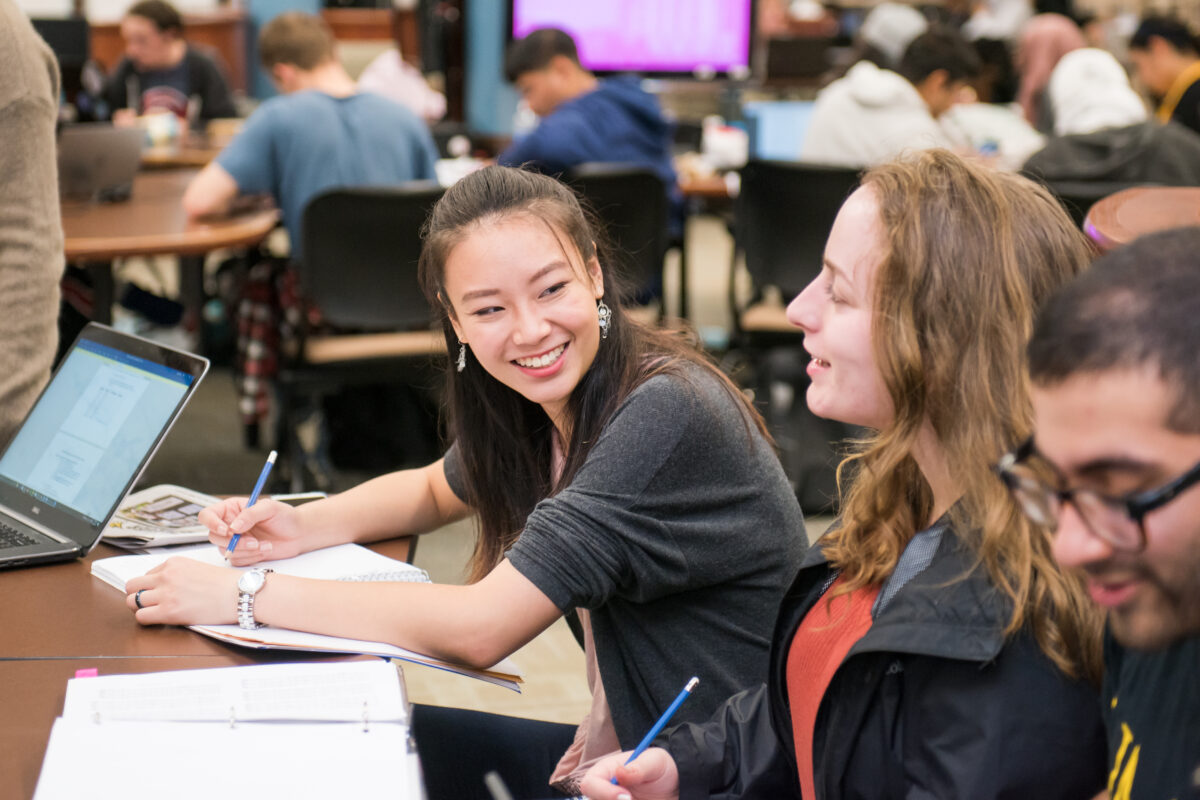
Students study together in the Retriever Learning Center, a 24-hour study space attached to the Albin O. Kuhn Library & Gallery at UMBC. (Marlayna Demond ’11/UMBC)
3. Build connections
“FIND YOUR PEOPLE!” That’s how Michelle Bulger, director of the Science and Mathematics Advising Resource Team (SMART), sums up her advice. “One of the best resources a student can create for themselves is to form a group of supportive people who can lift each other up when things are difficult and celebrate together when everything is going great,” she says. “If introducing yourself to your neighbors in the residence halls or your classmates in your courses sounds a little daunting, try joining a student organization for an activity or career that you are passionate about. Knowing that the people you are about to meet have an interest in common with you can make those introductions easier!”
CNMS staff Justine Johnson (far left) and Maria Cambraia (second from right) with students in the UMBC STEM BUILD program attending a research conference in 2022. (courtesy of Cambraia)
The same principle applies to your interactions with staff and faculty. “Connect with your instructors, teaching assistants, and older students on campus. Stay after class and ask questions that go beyond the class material,” recommends Maria Cambraia, assistant director for research and international affairs. “Share your interests and goals with them. You’ll be surprised to see how much people at UMBC care about you and are willing to help connect you with opportunities related to your interests once they know what you are looking for.”
4. Take the initiative
The experts agree: Go for your gold! “Don’t be afraid to ask for what you want, and be persistent,” Cambraia says. “Many students are so afraid to try something new, when the worst thing that can happen is receiving a ‘no.’ It can be hard to deal with that at first, but a ‘no’ should not stop you. Keep trying; sometimes, you’ll find something much better than your initial plan.” Eisenmann concurs that taking a risk is worth it—it can also help with step number three, above. “Do not be afraid to ask questions in lecture, after lecture, or in office hours,” he says. “Make yourself known to the professor as an engaged student trying to learn.”
(Marlayna Demond ’11/UMBC)
5. Find balance
Creating balance in how you spend your time and energy is key, our experts say. “Do not put all your energy into just classes and exams. You need to develop stronger roots, and part of this is finding your community,” Cambraia shares. “Dedicate time and energy to connecting with friends, family, and mentors. A sense of belonging is crucial for happiness and success. Focus on your classes for sure, but also put your energy on yourself, your mental health, staying healthy, and cultivating your hobbies. Finding an initial balance can be challenging, but you will get there!”
For Dean LaCourse, balance means embracing your uniqueness and also respecting input from people with more experience. “There is no one right way to go to college. Chart your own path and be yourself. Do not let others define you or distract you from your goals and dreams,” he says. “At the same time, it’s important to listen to your advisors and mentors. They have the experience of numerous students to guide you, and the heart to care about you as an individual.”
Learn more about our experts and what they do on campus:
Emma Barnaby
Emma Barnaby, Student Success Coach
Barnaby works with students who are struggling in their STEM courses: She focuses on time management, motivation, and study skills. If you come to her office, she hopes that you leave feeling better than when you arrived!
David Eisenmann, Professor and Undergraduate Program Director (UPD), Biological Sciences
In addition to conducting research here for 25 years, Eisenmann has taught a number of large and small upper-level biology courses. As UPD, he is in charge of making sure the department’s degree programs are rigorous and modern, and that they prepare students for careers and meet their educational goals. Wearing that hat, he also interfaces with the university administration, other departments, and individual students having issues progressing through their major.
Michelle Bulger (Tim Ford)
Michelle Bulger, Director, Science and Mathematics Advising Resource Team (SMART)
Bulger oversees a group of advisors representing two offices: CNMS Advising/CNMS Student Success (which serves CNMS students) and the Pre-medical and Pre-dental Advising Office (which serves any student who plans to pursue a career in medicine, dentistry, optometry, podiatric medicine, or veterinary medicine). In addition, she works with CNMS departments on class scheduling, with university admissions on recruitment for the college, and on events for the college.
Maria Cambraia, Assistant Director for Research and International Affairs
Cambraia oversees pipeline research training programs, scholarship programs, and science education research initiatives, and she provides support and insight into international affairs within the college. Over the past five years, she’s mentored approximately 100 students on campus, including students in the CNMS Scholars and STEM BUILD programs. Her primary objective is to demonstrate the beauty of science to them and instill confidence in their abilities to become successful undergraduate scientists, allowing them to transition to new research experiences. One of the most rewarding aspects of her role is collaborating with different departments and centers to create more opportunities for UMBC students.
Dean LaCourse (Melissa Penley Cormier, M.F.A. ’17/UMBC)
William R. LaCourse, Dean
The dean’s role is to ensure that the departments under the college have the resources to provide students with both a rigorous education and the support needed to be academically successful. The dean’s office and its staff work to help students avoid common mistakes and overcome personal and academic challenges. Dean LaCourse also teaches an introductory chemistry course for non-chemistry majors, where he empowers students by helping them understand how chemistry affects their everyday lives.
UMBC has been selected to participate in the Quantum Photonics Integrated Design Center (QuPIDC), which is led by Purdue University and also includes Los Alamos National Laboratory, Stanford University, Northwestern University, the University of Chicago, the University of Oklahoma, and Virginia Tech. The collaboration is one of 10 new Frontiers in Energy Research Centers recently funded by the U.S. Department of Energy. The centers support top-tier interdisciplinary teams as they pursue transformative basic research that will advance energy technologies. The quantum optics center will receive $13.9 million overall, and UMBC will receive $570,000.
QuPIDC aims to develop ways to generate states of light and matter with the property of “entanglement,” a unique phenomenon that was the subject of the 2022 Nobel Prize in Physics. The goal is to simultaneously entangle many photons and/or many electrons, which enables technologies like extremely precise measurement, faster-than-ever communication and computing, and much more.
UMBC’s partnership in the center leverages the university’s longstanding strength in quantum photonics and quantum information. In particular, Matthew Pelton, professor of physics and UMBC lead for the center, has expertise in developing quantum light sources and integrating them into photonic structures at the nanometer scale.
In addition, UMBC is well known for including many undergraduates from a wide range of backgrounds in hands-on research. The new center will only increase the number of students who can participate in the groundbreaking field of quantum technology.
“I’m very excited to have this opportunity to work with some of the world-leading researchers in quantum photonics,” Pelton says, “and I’m especially excited about the collaboration and networking opportunities that the center will provide for UMBC students.”




![a pen drawing of a large circus tent, with "THE CIRCUS IS COMING TO TOWN AT BALTIMORE" and "The finite element circus FE [star icon] NOVEMBER 10 - 11 '89, UMBC"](https://umbc.edu/wp-content/uploads/2025/02/circus-poster.png)