

What does it take for a single cell to become a functioning organism—and what does it take for a scientist to thrive amid the systems that govern the research enterprise? Mayank Chugh is exploring both questions at once. As an assistant teaching professor in biological sciences and director of UMBC’s Applied Molecular Biology (AMB) accelerated master’s program, he is entering his second year in a role that blends hands-on teaching, program leadership, and research that extends beyond the lab.
In developmental biology, Chugh investigates how organs take shape, focusing on the inner ear in zebrafish and the role physical forces play in its development. Through his ReForm Lab, launched during his postdoc at Harvard Medical School, he turns the same careful eye toward the institutional policies and hidden costs that influence who gets to do science. A new paper published in Nature Biotechnology led by Chugh examines the real-world burdens international postdocs face to maintain their visas and continue their work.
In the conversation below, Chugh talks about the unusual mix of responsibilities that defines his position, the students and skills at the heart of the AMB program, what drew him to science policy, the collaborations and community he has found at UMBC, and how others might begin expanding their own work beyond traditional research.
Q: What are the components of your role at UMBC, and how is it unique?
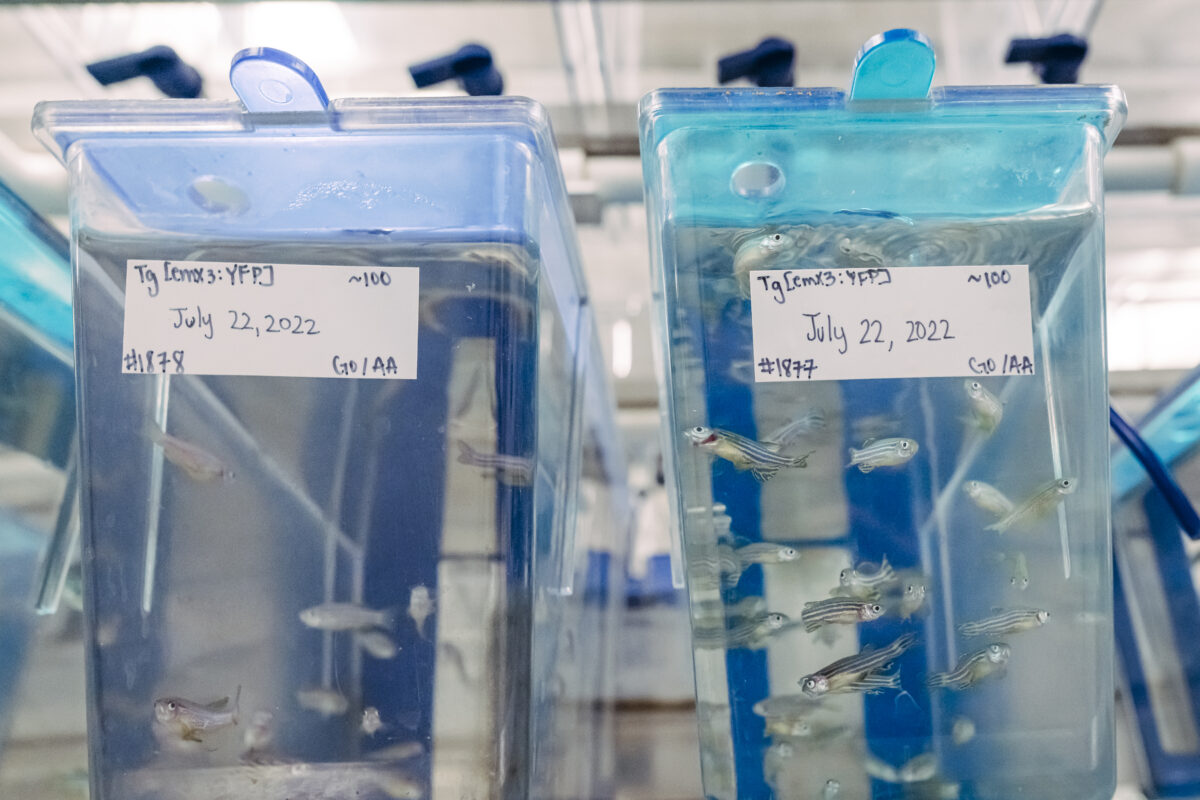
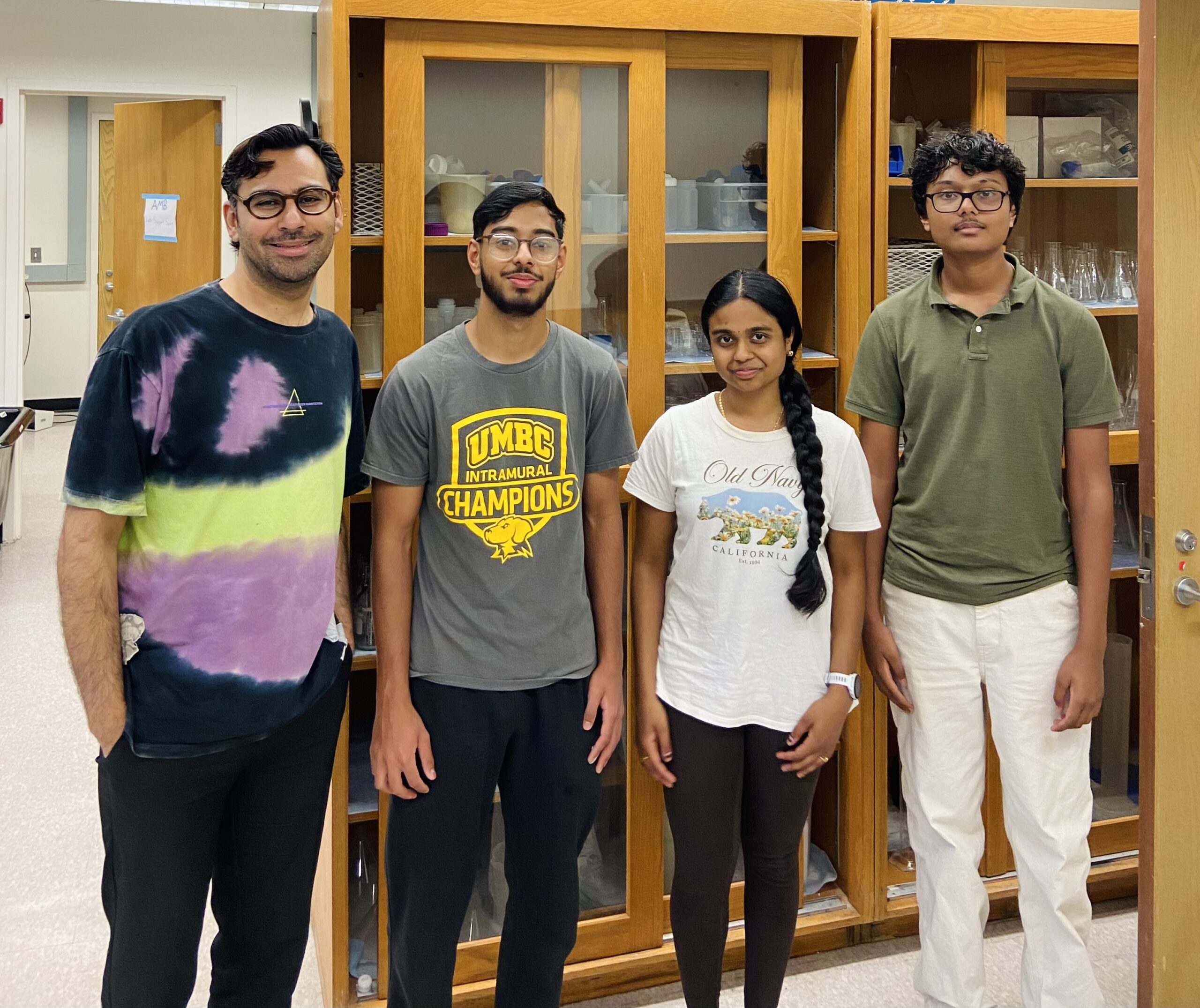
A: My primary role is director of the Applied Molecular Biology program, our department’s accelerated one-year master’s. I lead everything from recruitment through teaching and collaborations with other faculty, taking the students from when they apply all the way to graduation. It’s primarily a teaching position, but it’s unusual because I also have access to the teaching lab for my own developmental biology research. So in addition to teaching, I can recruit students to pursue research with me. Right now I have two high school students, one undergraduate, and one recent graduate working in the lab with me. We’re studying how the inner ear forms in zebrafish and how mechanical forces shape organ development and influence cell decisions. I collaborate with UMBC developmental biologist Rachel Brewster on the fish work. We share microscopy resources and she’s generously offered me space in the fish facility.
Q: Can you explain the purpose of the AMB program and who could benefit from it?
A: I believe the program is underrated. It’s an intensive one-year master’s that combines coursework with rigorous research and builds skills that can transfer anywhere. The students practice communication through weekly presentations, develop their writing skills through reports, and improve their time and project management out of necessity as they design and run experiments—all skills useful within and beyond science.
The program is great for undergrads with strong grades who lack substantial lab experience to gain a sense of what graduate-level science is like, so they can decide from an informed place whether a Ph.D. is right for them. A part-time option also serves working professionals who want to advance their skills. UMBC undergraduates can transfer up to 12 credits from their bachelor’s program if they plan ahead, which saves them time and money. AMB graduates head onto a range of next steps including jobs in industry, medical school, academic positions, and more.
Q: Why did you branch into science policy alongside developmental biology? What do you find most meaningful about that work?
A: I love basic research, but I’ve always cared about how science integrates into society. During my postdoc at Harvard I realized I did not want a traditional tenure-track path. I launched the ReForm Lab to examine the institutional structures and policies that govern who gets to do science, how we do it, and how it is evaluated. It’s highly interdisciplinary—today I collaborate with social scientists and others I never expected to work with.
My first ReForm Lab paper looked at postdoctoral compensation in the Boston area and showed how NIH salary guidelines ignore cost-of-living disparities across the country. Within two months of it being published, several institutions changed their policies. I got so many emails saying “thank you.” That tangible impact felt different from anything I’d experienced in basic research.
My new paper expands on that work. We surveyed hundreds of postdocs and quantified the often-invisible time, money, and psychological costs international scholars face, like having to travel back to their home country to renew their visas. We frame it as an administrative burden with real consequences for well-being and opportunity. The paper focuses solely on the data, but my personal opinion is that institutions could simply start with greater sensitivity toward scholars facing these challenges and offer practical support, like greater flexibility.
I’m also formally affiliated with the Human Context of Science and Technology program at UMBC. I love being part of that program; it gives me the chance to teach topics like the future of science and talk about race and gender in STEM. I recently organized a movie screening and discussion about Henrietta Lacks, whose local story is ongoing. Johns Hopkins is now constructing a Henrietta Lacks building in collaboration with her family.
Q: What do you appreciate about the UMBC community?
A: UMBC hits a Goldilocks size—neither too small nor too large. People are approachable and kind, and the department has been welcoming from day one. I’ve already begun collaborations and feel supported in doing interdisciplinary work. And the students are exceptional. Even those who arrive with limited lab experience repeatedly surprise me with how quickly they grow. The small size of the AMB program gives me the chance to connect with each student on a deeper level and continue to mentor them after they graduate, if they choose. I’ve helped students with their CVs, run mock interviews, and helped them make connections for opportunities. I’d say that has been one of the most rewarding parts of the role.
Q: What advice would you give others interested in expanding into science-policy work?
A: Use existing professional appointments as platforms. Join groups like the Scholars Strategy Network that connect scholars with policymakers and community builders. And for anyone at UMBC, feel free to just email me—maybe we could get a science and policy interest group started. The expertise is already here to engage in that way and benefit society with our work; we should put it to good use.