All posts by: Catherine Borg


UMBC-affiliated artists receive Zaentz fellowships for new collaborative projects

Three UMBC-affiliated artists have each received 2020-2021 fellowship awards from the Saul Zaentz Innovation Fund (SZIF) in Film and Media at Johns Hopkins University. SZIF cash awards are granted to nurture unique project ideas that have the potential for socio-political impact and that advance the art and craft of audiovisual media. 

In addition to receiving financial support for project development or production, selected fellows participate in ongoing mentorship and workshops with industry professionals.

Losing Winter

Lynn Cazabon is a professor in visual arts and CIRCA-IMET 2019-2020 artist-in-residence, and was recently named as the next director of UMBC’s Center for Innovation, Research, and Creativity in the Arts (CIRCA). She has received funding to develop Losing Winter.

Cazabon will work with Lee Boot, associate research professor and director of UMBC’s Imaging Research Center (IRC), to develop the Losing Winter mobile app. It centers on shared memories and emotions about the season of winter. The app will collect memories connected to the season of winter in the form of videos from participants all around the world. Cazabon will then incorporate them into an augmented reality audio-visual experience. 

Under the Bay

Lisa Moren, professor of visual arts and graduate program director of the intermedia and digital art MFA program, received an award to create Under the Bay. This augmented reality project will include collaborators Tsvetan Bachvaroff, a professor of biology at the University of Maryland Center for Environmental Science, and Marc Olano, associate professor of computer science at UMBC and director of the game development track.

Under the Bay will invite users to interact with the waters of the Chesapeake Bay, beneath the surface, delivering a story through augmented reality.

Professor Lisa Moren. Photo courtesy of Lisa Moren.

Moren was previously part of the first cohort of SZIF Fellows, receiving support to develop the app NONUMENT 01::The McKeldin Fountain.

Legacies

Angela N. Carroll ’06, visual arts, an adjunct professor at Stevenson University, received funding to develop a pilot episode for Legacies. She envisions this project as a 10-episode docuseries that chronicles a radical generation of artists active between 1960 and 1990. Each profiled artist will be someone known for substantial bodies of work that have critiqued, resisted, and engaged tumultuous and revelatory eras of political and social upheaval in the United States. 

Angela N. Carroll ’06. Photo courtesy of Angela N. Caroll.

Describing herself as an artist-archivist, research has been an integral part of Carroll’s art practice, traced to her time at UMBC and as a McNair Scholar.

Cazabon, Moren, and Carroll’s projects are among 19 funded for the 2020-2021 fellowship year. They were selected from among 27 artists chosen in January as 2020-2021 fellows in the SZIF mentorship program, which also includes Emma Ayala ’18, visual arts.

Johns Hopkins founded the fund in March 2016 through a $1 million grant from the Saul Zaentz Charitable Foundation. Zaentz was an Oscar-winning producer who died in 2014. The incubator supports Baltimore artists by helping them to connect with each other to develop and realize their ideas in Baltimore.

Banner image: Lynn Cazabon with her installation version of Losing Winter at the National Museum of Contemporary Art (MNAC) in Bucharest, Romania. Photo by Josef Polleross.

Jovan James ’13 Breaks Through at Sundance

For an independent filmmaker, recognition from the Sundance Film Festival is a big deal. This past January, Jovan James ’13, visual arts, along with co-director Elegance Bratton, presented their short film Buck at Sundance to an appreciative crowd of industry insiders.  

“It was incredible because you wonder when you make your work if someone is going to care about this, will it matter?” said James recently upon hearing the news that the film was selected for Sundance. “It feels great to be seen, to know that you are doing the right thing by telling stories that you want to tell, and not compromising.” 

Getting to Sundance is an incredible accomplishment on its face, as well as an important opportunity to network within a key professional community. For James it could also mean an auspicious entrance to a career in film, considering the results of early support from the Sundance Institute – think Ryan Coogler’s Fruitvale Station, Paul Thomas Anderson’s Hard Eight, or Quentin Tarantino’s Reservoir Dogs.

Portrait of Jovan James

Motivated to Make a Difference 

Completed in 2019, Buck is James’ MFA thesis film – the culmination of his graduate studies in the NYU Tisch School for the Arts Graduate Film program. It is a story about a young black man, Lynn, caught in the throes of a depressive fugue. Seeking escape, he resorts to debauchery with an older white lover Richard. But, rather than joy, he discovers that happiness is a more complicated proposition.

Aware of the mental health crisis facing the black gay community – noted by a rise in suicide rates and drug addiction as the rate of HIV infection hovers at 50% – James approached this project from a very personal perspective. He wanted Buck to tell a story that could speak to this community – his community –  and suggest a way towards a different outcome.

Young black men like Gemmel Moore, who was in the news after overdosing in the home of wealthy white political donor Ed Buck, were on the minds of the directors as they selected a title for their film, they said, along with the commodification of black male bodies, as the term references black male slaves and black male sex workers.

The Through Line: Collaboration

As a transfer student to UMBC from CCBC Essex, James lived on campus and enjoyed the grit of the community. He often found himself among other dedicated students working at all hours in the Fine Arts Building, making short films for classes and with close friends throughout his time at UMBC.

“A lot of my path, of course, began at UMBC…I met a lot of interesting people on campus…and I left the country on the study abroad program (in Milan, Italy in 2012 at Università Cattolica del Sacro Cuore), that was a big moment in my life.” He goes on to recount the sense at UMBC that to be great you had to work really, really hard and want success. “I’m thankful for that – it really gave me my sense of determination, and allowed me to experiment.”

Once at NYU, there was pressure to follow the “auteur model” of filmmaking, but the egoism in the approach went against the way he wants to lead. Collaboration has been an important element of his filmmaking, ever since the early days at UMBC and throughout production of the three short films he has released – The Jump Off (2017) and Tadpole (2018) preceded Buck – since entering the program at NYU. Bratton and his husband, producer and costume designer Chester Algernal Gordon, have become key collaborators.

Assistant professor Susan McCully recalls James from her playwriting class: “He was always front and center in class – completely focused. He challenged me frequently; it was always the kind of defiance that I yearn for from my students. His questioning was always about his growth, not about him protecting his ego. I’ve been following his journey through NYU and now in the world. I’m not surprised by his success. I’m proud that his work is ‘out’ and defiant and about people growing in the world.”

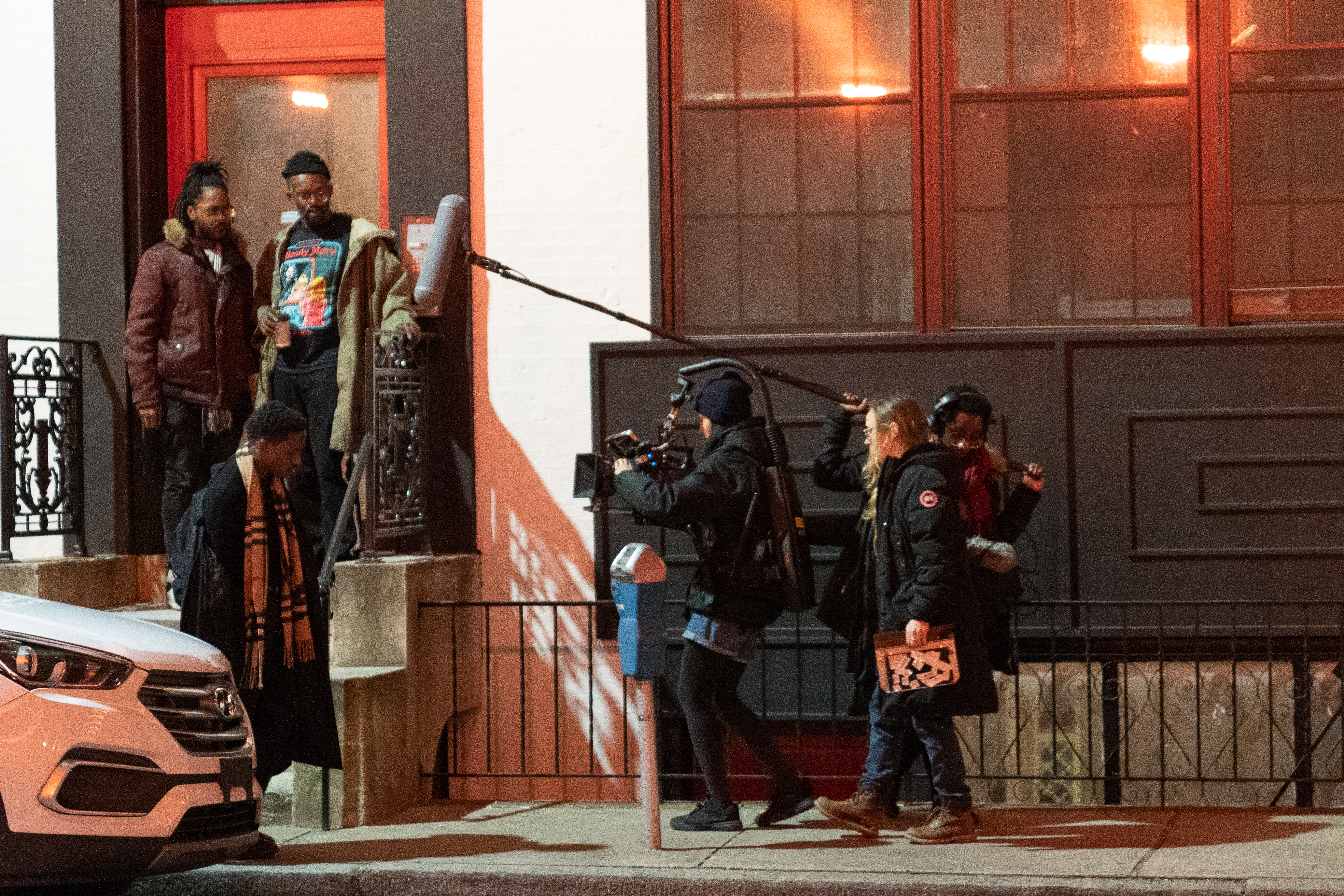
Jovan James on the movie set.

Bringing the Work Home

James currently lives in L.A. while interning at Bad Robot Productions in a coveted year-long internship program that gives him direct access to people who can help his career. (He recently had an opportunity to screen Buck for his colleagues, including Bad Robot head J.J. Abrams!) But, James can’t wait to share Buck in Baltimore, where so much of his inspiration comes from. News of an upcoming screening in Baltimore is forthcoming.

All three of James’ films have been shot in Baltimore and he hopes to shoot his first feature in his hometown. Buck was recently named an official selection of the 22nd Annual Maryland Film Festival and will be screened during the festival’s revised virtual edition from June 12 to 21.

“There are so many environments in Maryland that I want to use,” said James.“I want to bring that love and attention to my city…and money, jobs, and mentorship programs to teach kids to gaff, do sound, costumes, AD and also to direct, write and produce their stories!”

* * * * *

Header image: James (left) on set with his crew. Photo by Dawn Hall.

See more from Jovan James on Instagram and Twitter.

“Appreciate the differences”: How study abroad shaped four UMBC student experiences

Many students come to UMBC with the goal of leaving the familiar behind to take on new challenges and gain a fresh perspective. Once they’re on campus, that’s also what inspires some Retrievers to explore international learning opportunities.

Balancing course requirements, activities, research, and other responsibilities, while also pursuing study abroad, can prove challenging. But for these four UMBC students earning undergraduate degrees this month, it’s also been transformative.

Building self-confidence for any situation

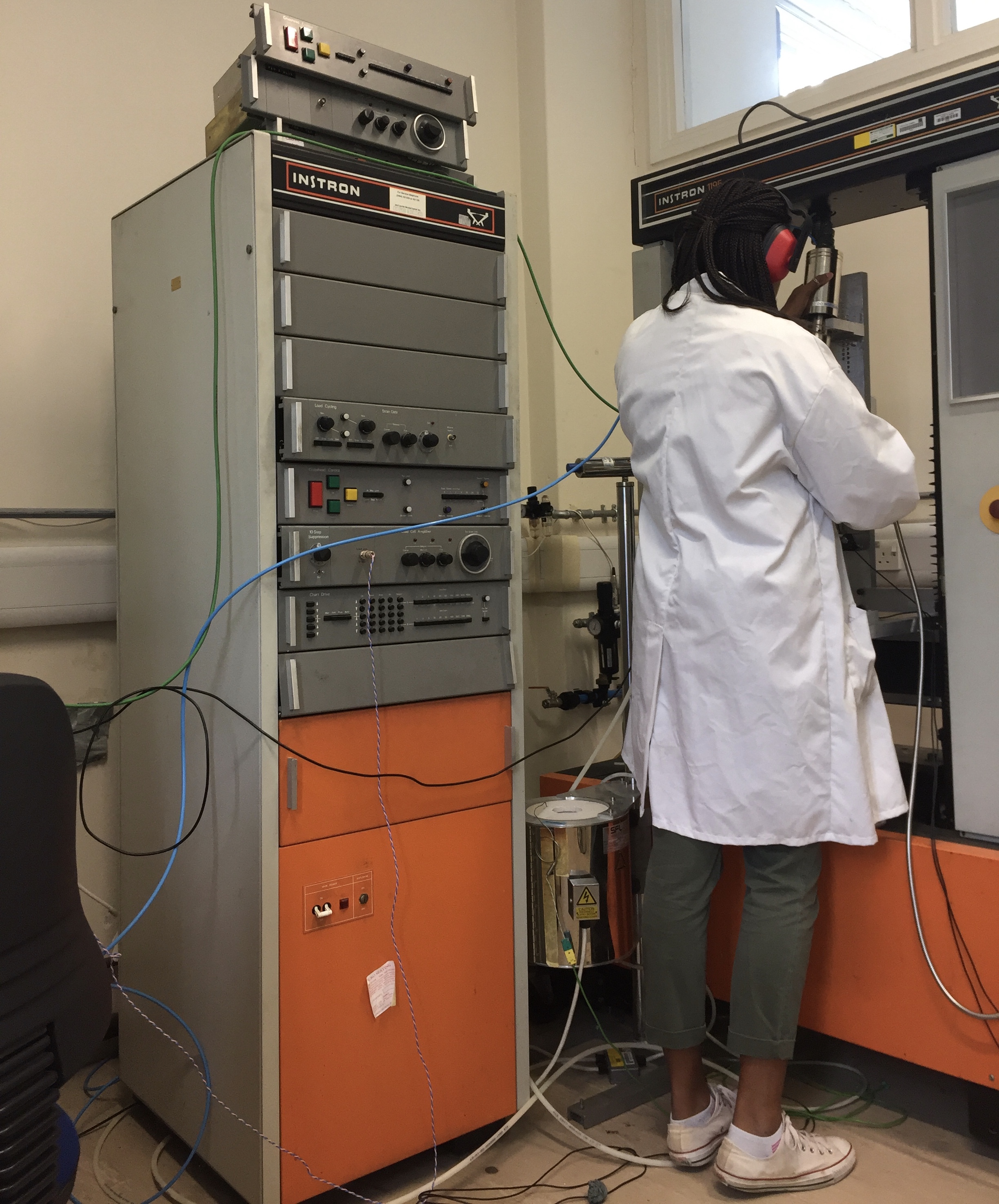
When Aliyah Smith ’19, mechanical engineering, started at UMBC as a Meyerhoff Scholar in 2015, she knew right away that she wanted to study abroad in her first year. She was also worried that it would be a challenge to graduate on time in an engineering major if she pursued study abroad, so she took a very strategic approach: an international summer internship. It worked out seamlessly, with Smith enjoying a nine-week mechanical engineering internship at the University of Oxford. That summer also left her with an intense travel bug.

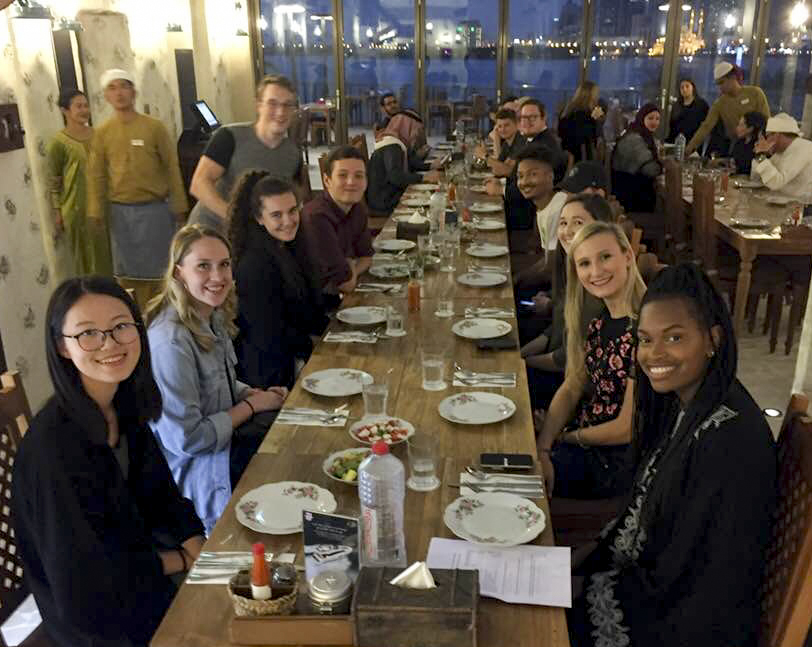
Smith became determined to find a semester-long study abroad opportunity that could fit her degree plan, and that could immerse her in a culture different from others she had experienced before. She spent the spring 2018 semester studying at American University of Sharjah, in the United Arab Emirates. With help from her department and UMBC’s Education Abroad Office, she coordinated her course plan to make all the pieces fit together.
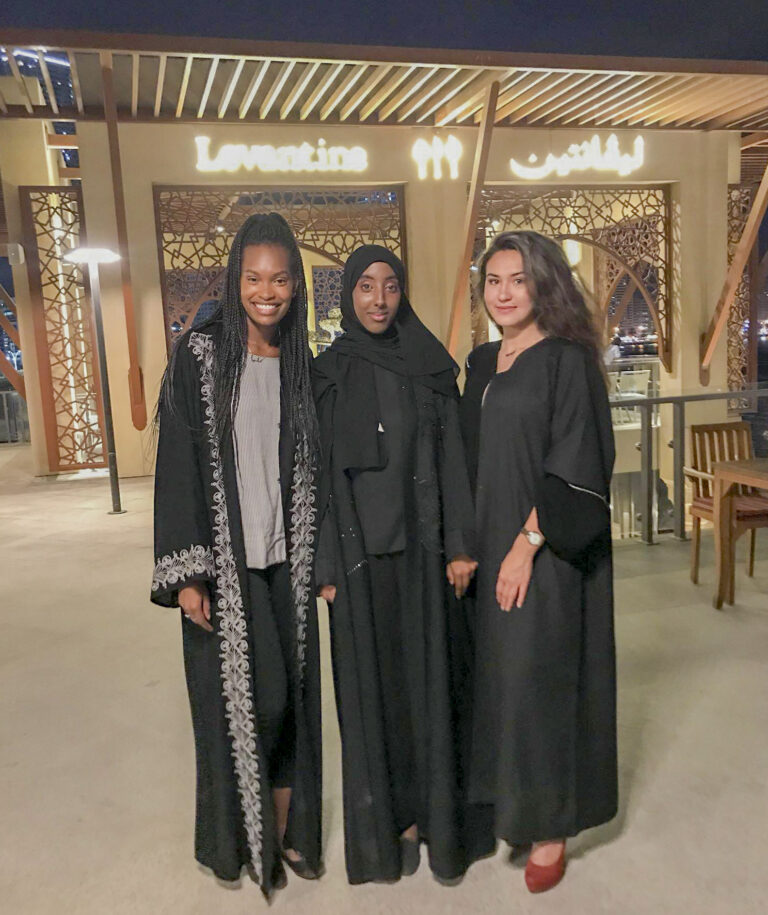
“As an engineering student and future engineer, I believe gaining a global perspective is imperative,” Smith says. “My goal as an engineer is to help solve the world’s problems and studying abroad has helped me view problems through a different lens.”

“Studying abroad has taught me how to connect and form relationships with people that are different from myself. It has allowed me to see the similarities and differences among cultures and more particularly, appreciate the differences,” Smith says.
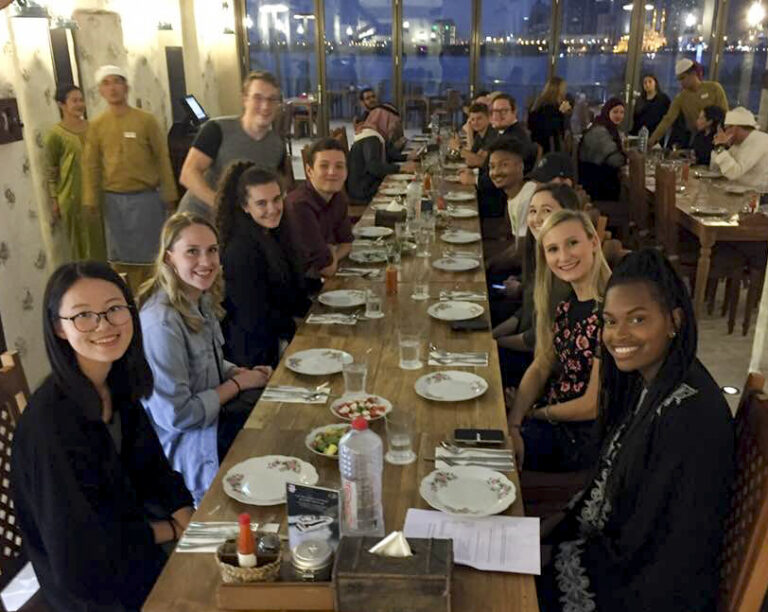
From a practical, professional angle, she notes, “Most research groups are comprised of engineers from around the world. It is very important that I know how to collaborate with the people in these groups.”

Smith’s international experiences have also helped her grow in ways that apply to aspects of her life beyond academics. “At eighteen, I had to figure out how to travel from country to country and problem solve on my own, forcing me to be more outgoing and self-reliant,” she shares. Through study abroad she grew her self-confidence and fine-tuned skills “that I can apply to any situation and in any job, such as interpersonal skills, diligence, and persistence.”

In the fall, Smith will attend Stanford University’s Ph.D. program in aeronautics and astronautics. She also recently shared her experience as a Meyerhoff Scholar in a special segment on WYPR, Baltimore’s NPR station.

Growing international experience

As a 14 year old, Gabriela “Gabi” Salas ’19 traveled to Ecuador for a service trip and was troubled by inequalities experienced by young women in the community where she worked. That trip “solidified my commitment to service” she says. It also led her to apply to UMBC’s Sondheim Public Affairs Scholar program and to major in global studies and gender and women’s studies, to prepare her to have an impact through her career.

On campus, Salas became actively involved with the Hispanic Latino Student Union and with the Global Brigades and Human Rights Brigade programs. An alternative spring break program with Global Brigades took her to Panama. “It did so much for me in terms of adding to my experience of working with Latin American women.” That trip also confirmed for her that working on reproductive health research and policy in relationship to Latinx women was the path she wanted to follow.

Salas earned an Undergraduate Research Award to develop a project on the use and accessibility of contraception for women students at UMBC, mentored by Amy Bhatt, associate professor of gender and women’s studies. She evaluated what contraception women at UMBC access through surveys and interviews. Her goal was to explore whether or not stratified reproduction is embedded in our society enough to impact the reproductive rights of college-aged women.

Salas also had the opportunity to spend a summer researching Mexican-American women’s reproductive health with a faculty member at Columbia University. This work furthered her interest in the field and her commitment to earning a Ph.D. to pursue sociological research on reproductive health. Along the way, she says, UMBC’s Sondheim Scholars and Shriver Center communities have supported her vision and goals, and helped her pursue her passions.

Seeing global challenges from different perspectives

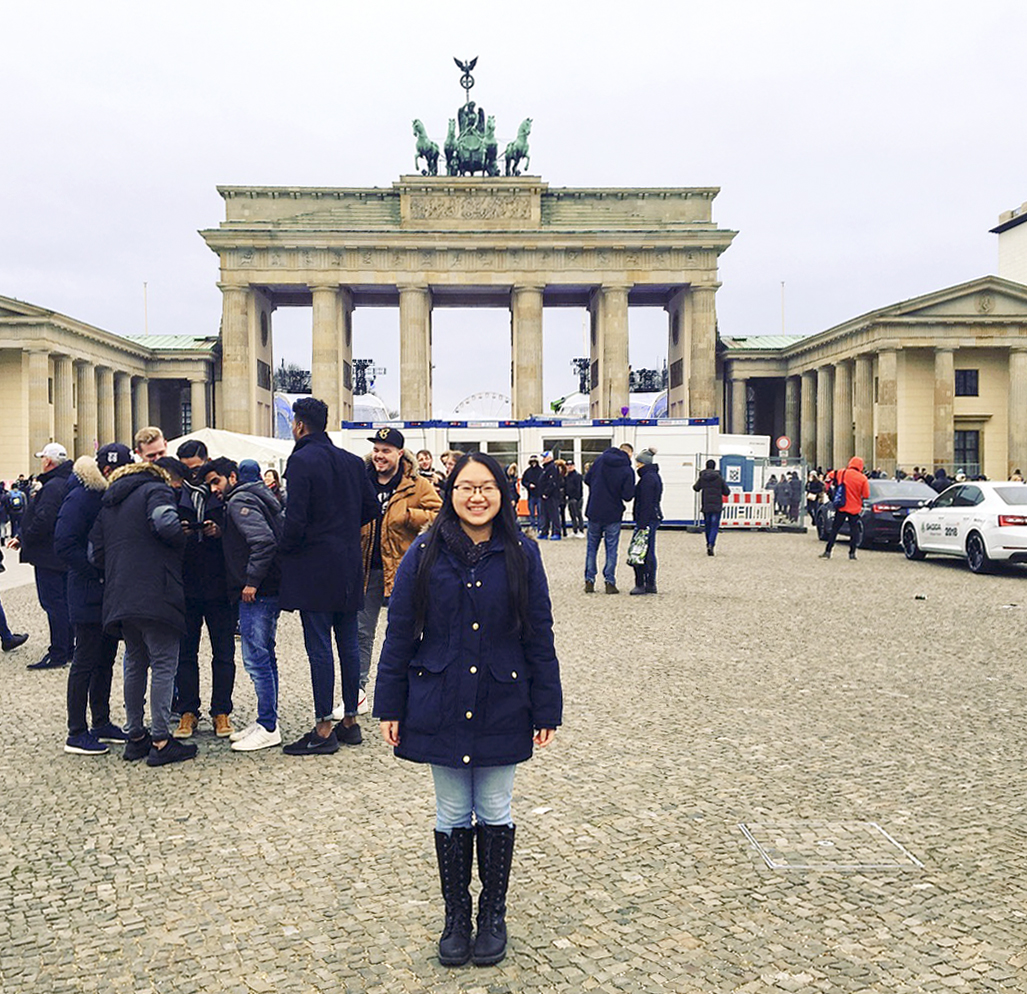
Emily Duan ‘19, mechanical engineering, had always been intrigued by German design and engineering and longed to experience an extended stay in a country where she did not speak the language.

The Center for Women in Technology Scholar got to do just that through the International Winter University program at the University of Kassel in 2018. During the three-week intensive study, language, and cultural immersion program, Duan completed an environmental engineering course on renewable energy sources, an intensive German language course, and lived with a host family in Kassel, Germany.

Duan noted that she studied in Germany with students from around the world and that doing so allowed her to “view global challenges from different perspectives.” She shares, “It taught me to approach problems cautiously to avoid making erroneous assumptions, as well as appreciate the value of diversity in a group.”

Duan was especially happy to find the winter program in Kassel as she devoted her college career summers to internship experiences. She worked in automotive and energy research at Oakland University in 2016, at Baltimore Gas and Electric with the Distribution Systems Operations Support Group in 2017, and as a Robotics Institute Summer Scholar at Carnegie Mellon University in 2018.

In the fall, Duan will attend North Carolina State University’s Ph.D. program in mechanical engineering program.

Bridging multiple fields and approaches

With a double major in applied mathematics and mechanical engineering, Lucas McCullum ’19 worried that study abroad would simply be out of reach. But he wasn’t willing to give up on the dream. He had a feeling that an immersive and boundary-breaking international learning experience could have a big impact on his perspective and his sense of life and career possibilities.

McCullum found a way to fulfill this goal through Public Health in the Netherlands, an intensive international learning opportunity conducted through the Council on International Educational Exchange in Amsterdam. The course “allowed me to take a step outside my comfort zone and tackle challenges outside of my traditional academic path,” he shares. It also complemented his core research interest: using medical imaging to improve health outcomes.

As it turned out, McCullum was the only engineering student in the cohort. Although he initially felt uncertain, he says, “I used this as an opportunity to grow as a person and student.” In the end, he says, “it increased my self-confidence and sense of individuality.”

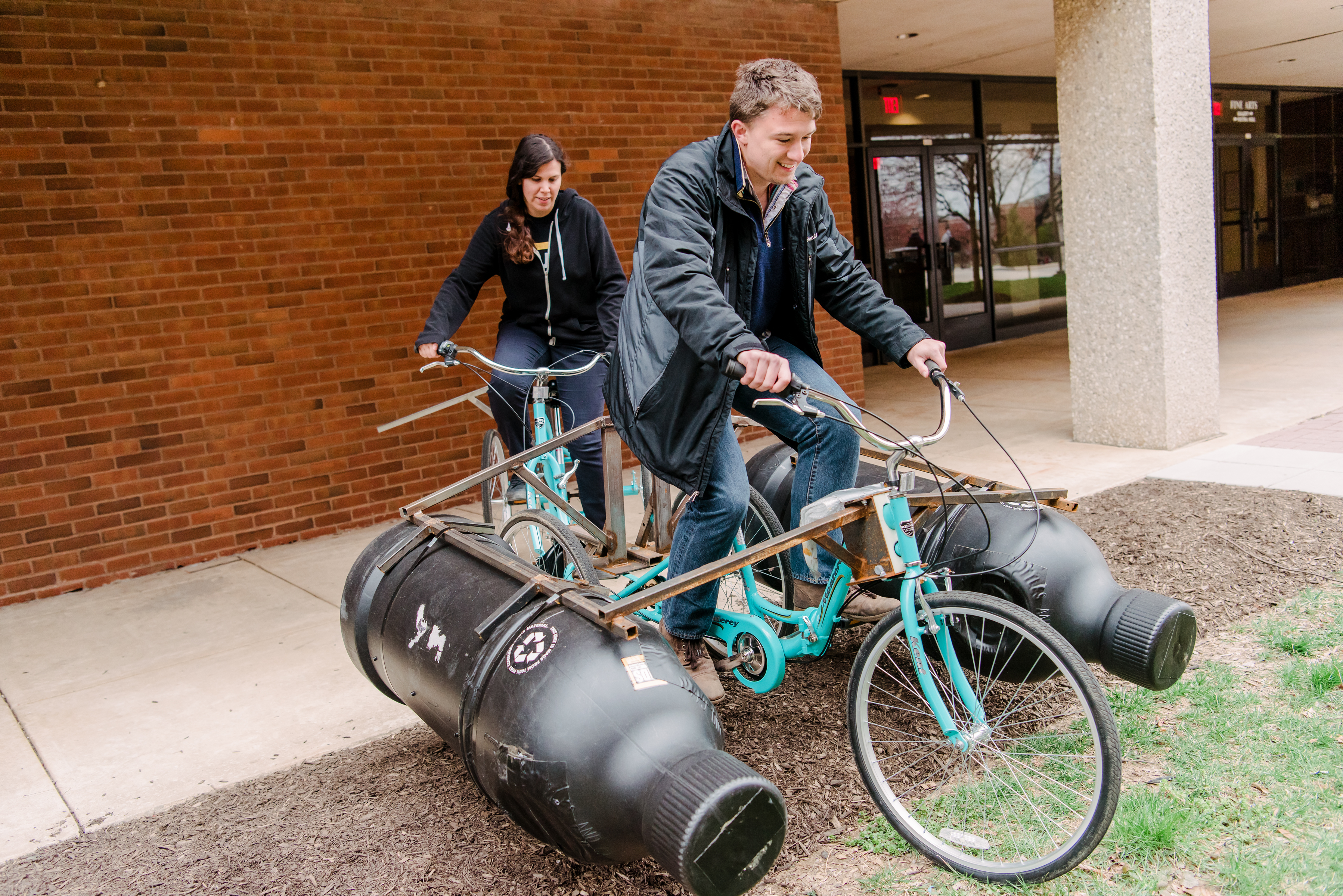
McCullum built off that experience and continued to grow his sense of confidence in collaborative problem-solving as a member of UMBC’s Kinetic Sculpture Race Team.
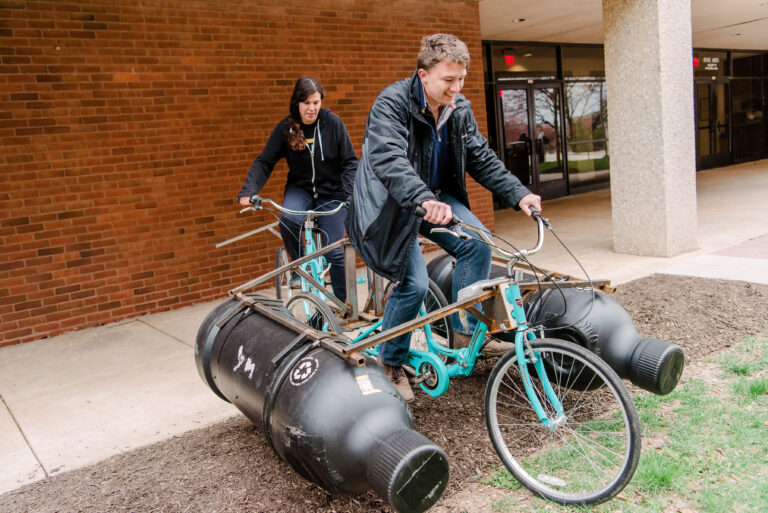
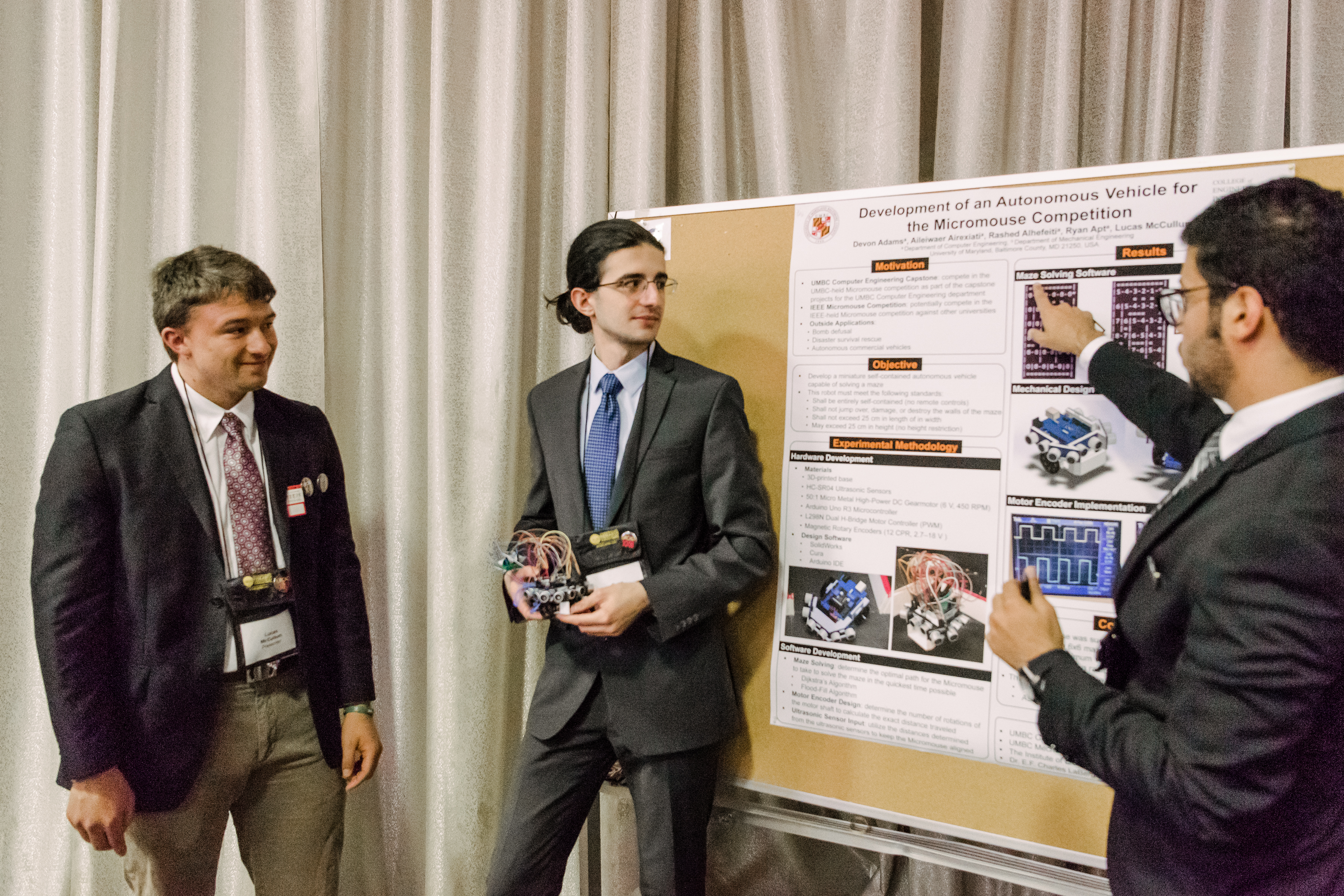
McCullum further pursued his interest in advancing medical imaging through research. He earned an Undergraduate Research Award to study the use of piezoelectric materials (which generate electrical charge in response to mechanical stress) for more cost-effective tumor screening. He has already presented this research at the 2018 conference for Smart Materials, Adaptive Structures, and Intelligent Systems (SMASIS), and it will soon be published in UMBC Review.

Mark Zupan, associate professor of mechanical engineering and a mentor of McCullum’s, sees tremendous value in his drive to explore diverse learning experiences. Zupan, a strong proponent of international learning opportunities, reflects that McCullum “has truly had an enriched experience at UMBC while completing an immensely difficult double major and actively and successfully performing multiple types of research.”
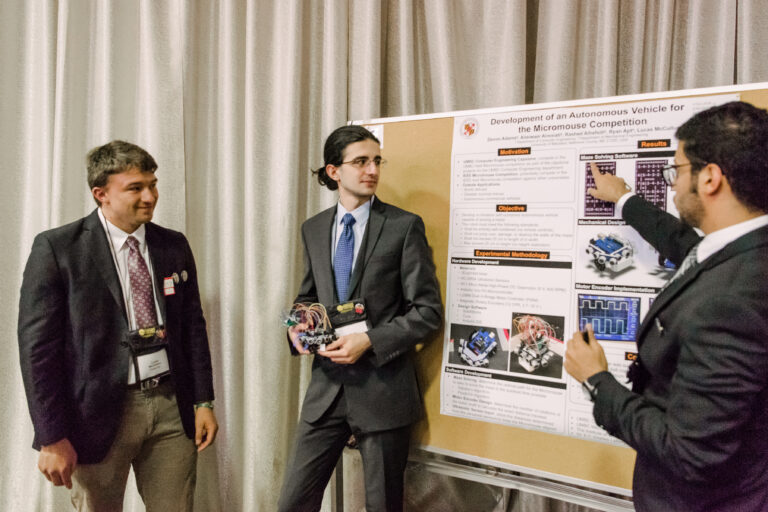
After commencement, McCullum will complete a summer internship with the National Renewable Energy Laboratory in Boulder, Colorado, where he will work with a supercomputer to simulate fluid flow around a wind turbine. Next, he will begin Stanford University’s interdisciplinary master’s program in computational and mathematical engineering, with a focus on imaging sciences.

McCullum looks forward to pursuing every new opportunity with a sense of anticipation and possibility. As he shared in 2017, when highlighted for his work as a student researcher, “I believe that when we open ourselves up to new experiences, we allow new doors to open and new lights to shine.”

Learn more about UMBC students’ international learning experiences and plans for the coming months through this feature on the fourteen UMBC students and recent alumni just selected for the Fulbright U.S. Student programa new university record.

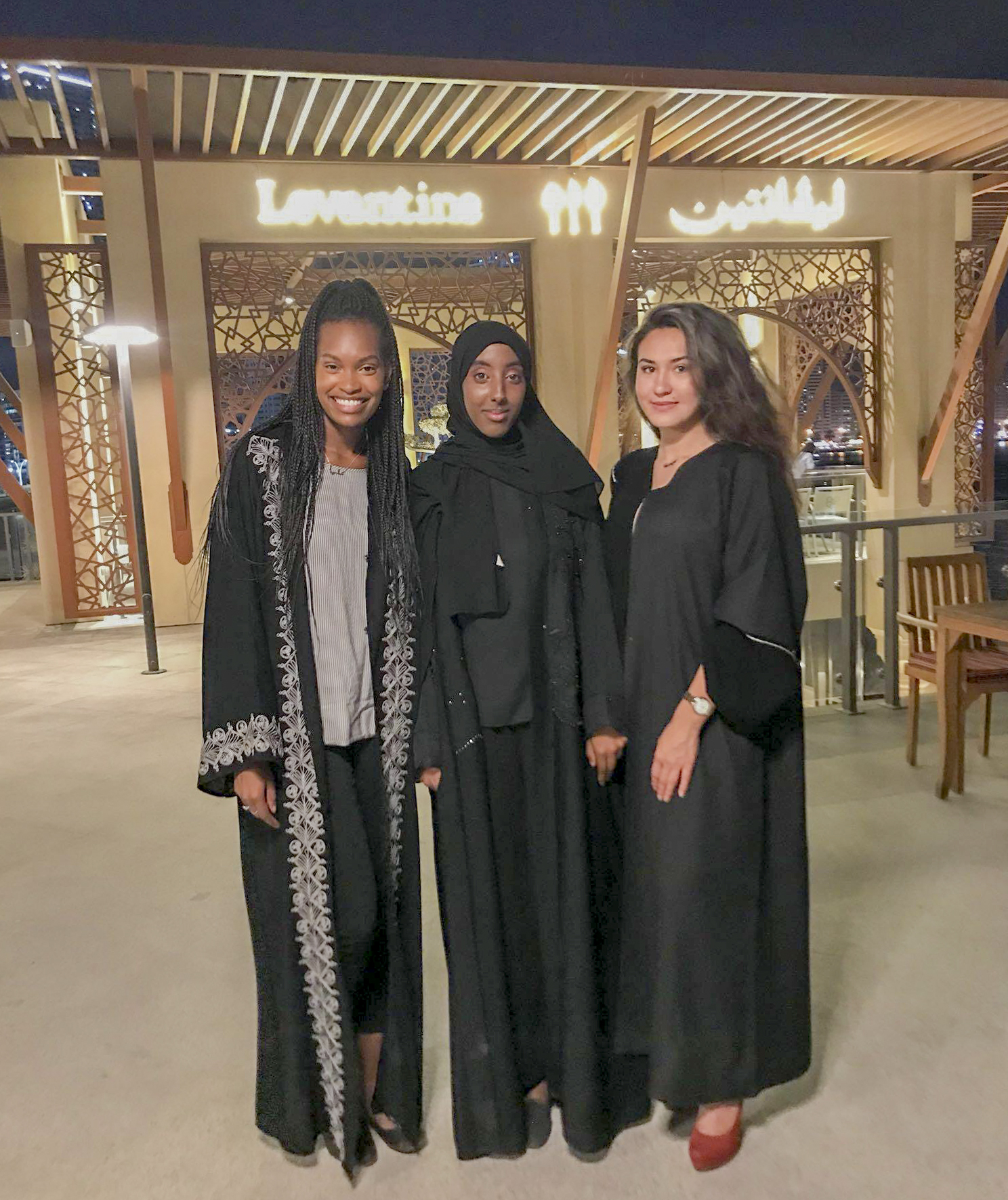
Featured image: Aliyah Smith visiting India during spring break while studying abroad in the UAE. Photo courtesy of Smith.

Depth of Field showcases UMBC’s spectacular photo collections

UMBC’s photography collection includes more than two million works, including rare and historic prints showcasing a range of formats, processes, genres, and technologies. Among these are the approximately one hundred images chosen for Depth of Field, an exhibit showcasing work acquired over the past decade.

Featured artists in the exhibition at the Albin O. Kuhn Library Gallery through December 19 include Albert Arthur Allen, Laurie Brown, Kristin Capp, Clarence Carvell BFA ’93, Chim (David Seymour), William Eggleston, Donna Ferrato, Robert Fichter, Todd Forsgren, Peggy Fox, Sally Gall, Ralph Gibson, Penny Harris, Sam Holden, Irina Ionesco, Walter Iooss, Lotte Jacobi, N. Jay Jaffee, Brian Jones, Nate Larson, David S. Lavine, Alen MacWeeney, Mary Ellen Mark, Fred McDarrah, Dorothy Norman, David Seltzer, Steve Szabo, Barbara Traub, Peter Turnley, and Robert VonSternberg. Additionally, the exhibition features daguerreotypes, painted photographs, and post-mortem photographs. Depth of Field is curated by Emily Hauver, curator of exhibitions for the Albin O. Kuhn Library Gallery.

Robert Fichter, Dürer with Red Flowers, from the series Florida Photogenesia, 1984, silver-dye bleach print. Collection 132, © Robert Fichter, used with permission

“The photography collections are really a treasure trove,” says Beth Saunders, the new curator and head of special collections and the gallery at the Albin O. Kuhn Library & Gallery. “I can’t think of another university collection with the depth and breadth of UMBC’s; it is truly remarkable.” Saunders, previously assistant curator in the Department of Photographs at the Metropolitan Museum of Art, oversees the management, preservation, and exhibition of UMBC’s photography, rare book, and archival collections.

An Enviable Collection

The Photography Collections at UMBC were established in the early 1970s, propelled by the purchase of over 5,000 photographs by pioneering social documentary photographer Lewis Hine. Today the collections contain more than two million photographs by Ansel Adams, Diane Arbus, Berenice Abbott, A. Aubrey Bodine, Bill Brandt, Eileen Cowin, Barbara Crane, Judy Dater, William Eggleston, Robert Frank, Roland Freeman, Lotte Jacobi, Alfred Cheney Johnston, Stephen Marc, David Plowden, Albert Renger-Patzsch, Walter Rosenblum, Jaromir Stephany (professor of visual arts, deceased), Steve Szabo, James Van Der Zee, Edward Weston, Minor White, members of the Photo-Secession, and hundreds of other artists.

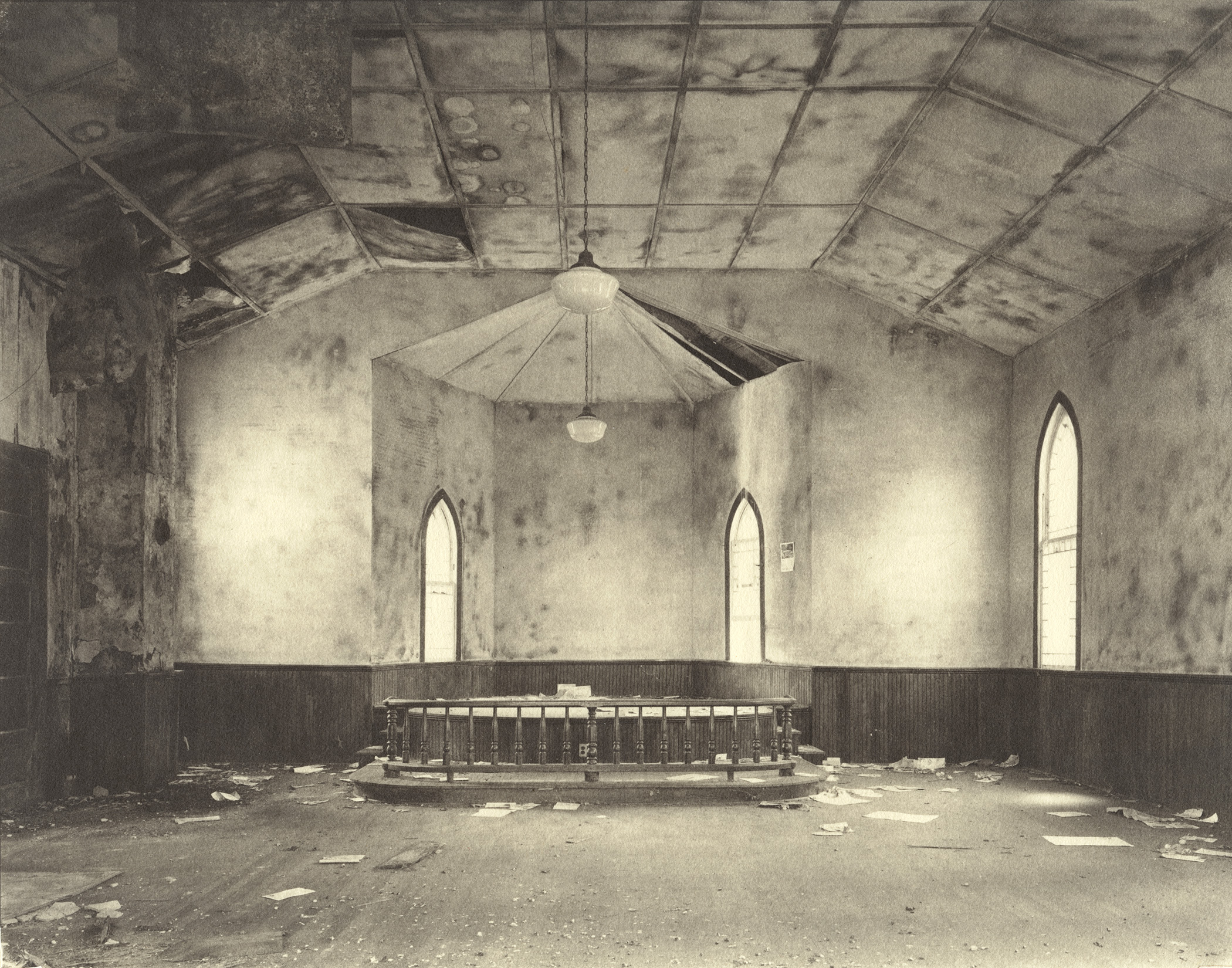
Steve Szabo, Interior, Christ M. E. Church, 1976, from the series Eastern Shore, platinum print. Collection 254 © Steve Szabo, used with permission

“I’m really looking forward to working with and promoting UMBC’s Special Collections, and hope to increase engagement among students as well as the local Baltimore and wider scholarly communities,” says Saunders.

Depth of Field will continue on display through December 19. The Library Gallery is open Monday through Friday from 10 a.m. to 4:30 p.m., with extended hours on Thursday until 8 p.m., and Saturday and Sunday from noon to 5 p.m. Admission is free. Additional information about the exhibition can be found here.

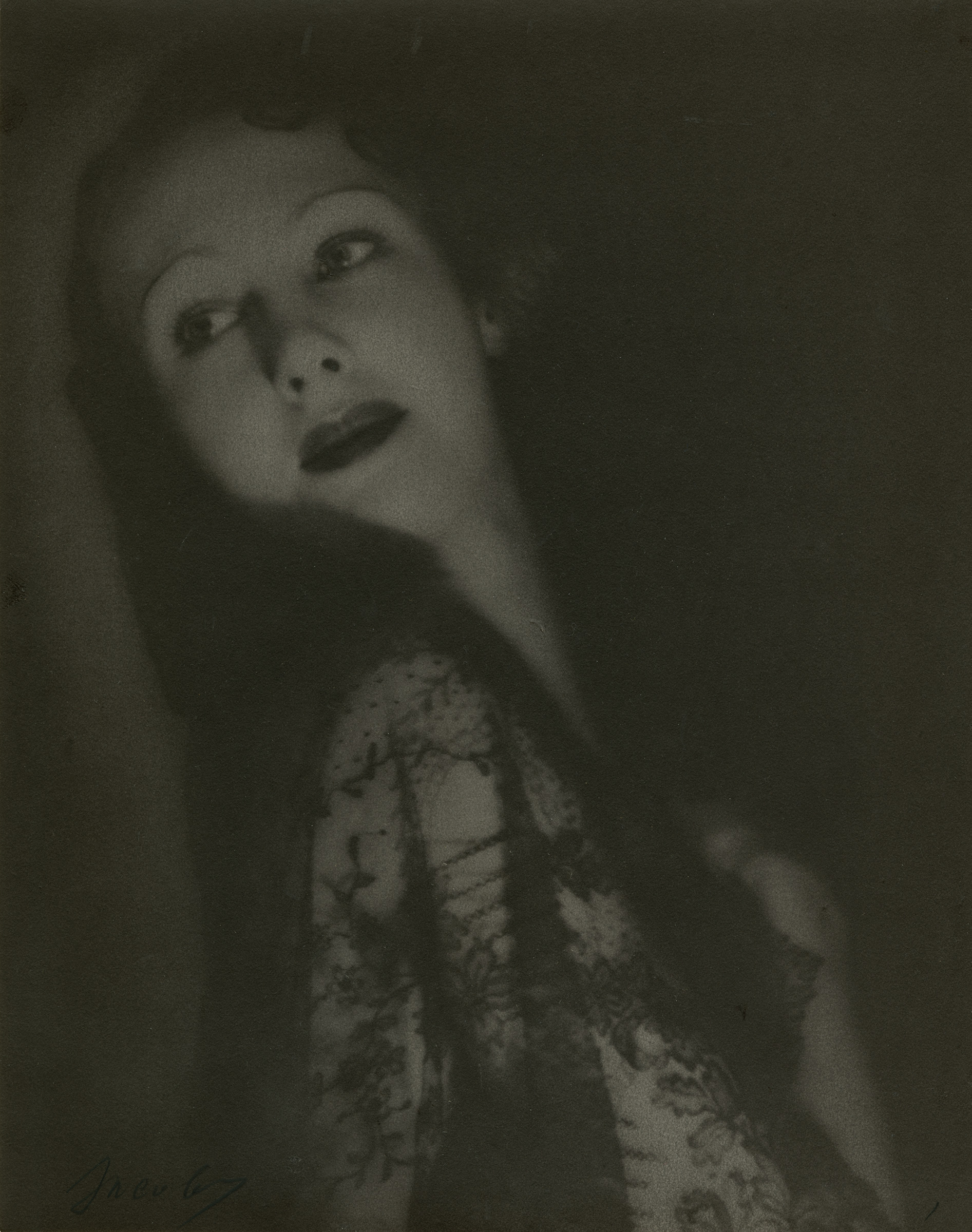
Lotte Jacobi, Marlene Dietrich, 1929, Platinum print, Accession no. P2013-31-014, gift of Louis Klaitman

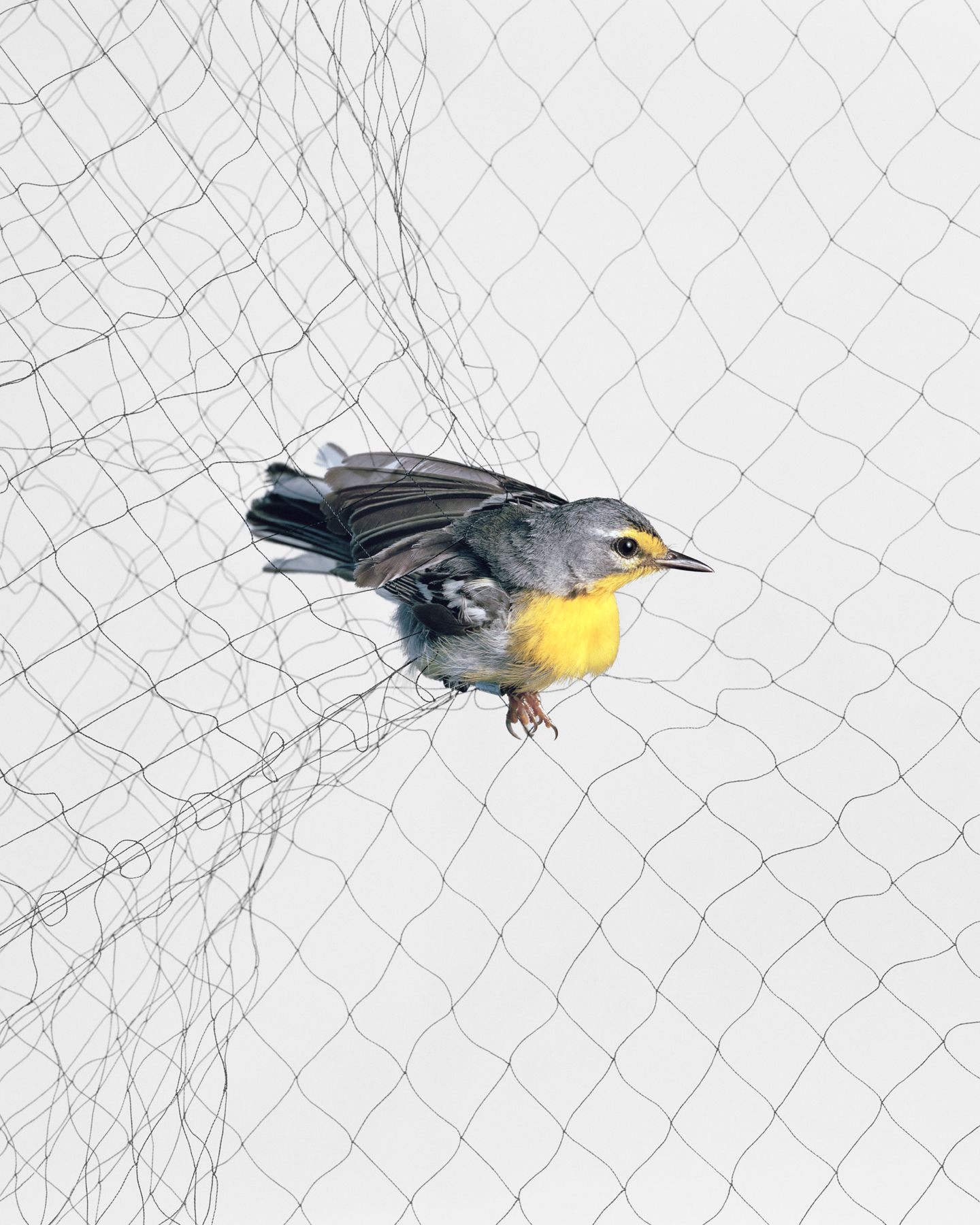
Todd Forsgren, Adelaide’s Warbler (Setophaga adelaidae), 2009, from the series Ornithological Photographs, Inkjet print, Accession no. P2016-07-001, gift of the artist

Sam Holden, [Iggy Pop], 2001, chromogenic color print, gelatin silver negatives, cross processed. Collection 255, © Sam Holden Archive, UMBC; Mina and Todd Holden, and Donna Sherman, used with permission

Studio of R. Yamamoto, Yokohama, Japan U.S. Sailor Earnest Estens, of the U.S.S. South Dakota, early 20th Century Cabinet card, Accession no. P2016-01-014

* * * * *

Header Image: Barbara Traub, Twin Peaks, 1994, gelatin silver print. Accession no. 2013-02-022,  © Barbara Traub, used with permission

* * * * *

Related Stories

UMBC welcomes Beth Saunders as the new curator and head of Special Collections

Library Gallery displays recent acquisitions in “Depth of Field” exhibition

A Designed Life: Modernism as Propaganda

Based on a decade of extensive archival research in Europe and the USA by curator Margaret Re, associate professor of graphic design, A Designed Life: Contemporary American Textiles, Wallpapers, and Containers & Packaging, 1951 – 1954 is a design history-focused exhibition on view at UMBC’s Center for Art, Design and Visual Culture (CADVC) through December 8, 2018. The exhibition will travel to the Center for Architecture in Sarasota, Florida in 2019.

The focus of Re’s research for the exhibition and a forthcoming book was three little-known traveling Department of State-sponsored art exhibits used “to connect consumer choice with political choice as well as the reception of European audiences to such cultural diplomacy in the post WWII years,” according to Re. The exhibits were part of a broader effort to promote American culture through art, which also included exhibits of Abstract Expressionist painting.

Some scholarship exists chronicling the outcome of these exhibitions, however, Re notes, “design exhibitions sent abroad that presented examples of consumer goods billed as readily available to American citizens are largely undocumented, especially those coordinated by the Smithsonian Institution and the Department of State.

American Goods on Display

A Designed Life (ADL) re-imagines, re-creates, and interprets three Cold War-era traveling displays of American-designed and manufactured goods commissioned by the U.S. Department of State that were circulated within West Germany in the early 1950s. ADL considers how the Department of State used “Contemporary American Textiles,” designed by Florence Knoll; “Contemporary American Wallpapers,” designed by Tom Lee; and “Containers and Packaging,” designed by Will Burtin, as part of a propaganda campaign to showcase the lifestyle choices, built environment, and affluence of the United States in order to promote the growth of democratic government in a divided Germany.

Each exhibit showcased the work of American and American émigré designers and manufacturers, many we now associate with modernism. Representative designers include Noémi Raymond and D.D. and Leslie Tillett (textiles); Ilonka Karasz and Ray Komei (wallpapers); and Walter Landor and Morton Goldsholl (containers and packaging). ADL also includes a stunning selection of Marshall Plan lithograph posters from the George C. Marshall Museum.

The exhibition and a forthcoming book (distribution via D.A.P./Distributed Art Publishers, Inc) have been made possible through support from the National Endowment for the Arts, ArtWorks, the Maryland State Arts Council, Baltimore County, The Coby Foundation, Ltd. and Knoll.

A gallery walk and meet-up with members the Society for History & Graphics is scheduled for Wednesday, November 28, 7 p.m. at the CADVC. Margaret Re will be available to discuss the objects on view and the research that lead to this installation.

* * * * *

Photos by Marlayna Demond ’11 for UMBC Magazine

Modernism Rediscovered (PRINT Magazine, October 29, 2018)
Steven Heller interview with Margaret Re

Inspired Career: Lafayette Gilchrist ’92, Africana studies

The first time Lafayette Gilchrist ’92 touched a piano was the summer before his first semester at UMBC. He was taking an English class in the Fine Arts Building and wandered into the recital hall, which was empty and completely dark with the exception of a single spotlight on the nine-foot Steinway piano. The 17-year-old felt drawn to it.

“It sounds like a movie but it is actually the truth. I sat down at the piano, put my foot on the pedal to the right and began to play; first I played just the black keys, then just the white keys,” said Gilchrist.

Today his life is music.  A celebrated jazz pianist and composer, he steadily leads both the New Volcanoes – a band he began as a quartet in 1993 and grew to an octet and sometime nontet over the years –  and the Sonic Trip Masters All Stars. Both are genre-defying bands that reflect his deep experience playing and listening to jazz, hip-hop, and African rhythms and his commitment to musical collaboration. In addition to the two bands and his solo work, he has been playing, recording and touring with saxophonist David Murray in his quartets and octets since 2000, touring and playing festivals around the world. And, this past spring, he received a Baker Artist Award for his years of hard work.

An Artist’s Beginnings

Gilchrist grew up in Washington, D.C., and later Prince George’s County, and was planning to join the Army until his mother and stepfather urged him to go to college. He agreed to try it for a year. He started at UMBC as an economics major that first year, in deference to the wishes of his mother, and graduated with a degree in Africana Studies in 1992 that still enriches his life today, he says. But most significantly, when he left UMBC he was a musician.

At the recital hall that first time at the piano, another student, Michael Wutah, from Salisbury by way of Ghana, wandered in and assumed Gilchrist could play. They ended up as first year roommates and musical friends for life. Lacking the formal training that most have before majoring in music in college, Gilchrist instead pursued a musical training of his own design while at UMBC, noting “the resources I was able to tap as a student were no less formative to me than had I been a music major.”

Checking out records and videos from the AOK Library to expand upon his musical and artistic knowledge, he spent evenings, as he puts it, haunting the practice rooms in the music department. “I had access to the best pianos at UMBC,” says Gilchrist, who sometimes was able to convince members of the cleaning crew to let him into the practice spaces.

He learned to play and compose at the same time, auditing Stuart Smith’s new music composition classes, and pestering his music major friends to help him translate his compositions to paper for weekly assignments as he caught up. He especially credits Michael Cerri, former head of music recording, with “helping me separate the distance of what was in my head to a recording.” So immersed was he in music, Gilchrist’s cousin, a fellow student on campus, occasionally had to find him in the practice rooms and remind him of his other classes.

Making His Mark

Gilchrist mentions that 2017 was a big year for him professionally. It’s a bit of an understatement.

His composition, “Assume the Position,” was selected in 2017 as the outro music of each episode of David Simon’s latest HBO series “The Deuce.” Gilchrist, who reworked the piece for the series, chuckles and says it’s his “moneymaker.” The new arrangement is included on Deep Dancing Suite, Lafayette Gilchrist & The New Volcanoes’ latest album, released in July.

That same year, the band released their New Urban World Blues album and the song and video  “Blues For Freddie Gray,” dedicated to the young West Baltimore man who died in 2015 of severe spinal injuries sustained while in the custody of the Baltimore City Police. Gilchrist, who lives in West Baltimore, remembers the days surrounding the death of Freddie Gray; the song was inspired by his experience and listening to the way friends and neighbors processed Gray’s death and the eruption in the city that followed.

I want to know that there’s a day that’s coming soon and fast
I want a justice and a peace that’s made to last and last
Don’t ya tell me
That we can’t all get it done
You see I got this little one on my shoulders.

— excerpt of lyrics from Blues For Freddie Gray


Gilchrist says “Blues for Freddie Gray is a cry…it’s a response” to the horrific events of Gray’s death and the fact that none of the police officers connected with his death was convicted of any crime.

“People don’t have guns, media, voices — the only power we have is in numbers,” says Gilchrist. “I thought what can I do to have an impact, I could get in the street, I could carry a sign, but that is not what I do best. What I do best is music.”

In May 2018, Gilchrist received a Baker Artist Award, an honor granted to accomplished artists, and a cash award that will help him continue to compose, perform, and record.

“I was surprised and honored,” he said. “As a Baltimore-based artist laboring in the vineyards for quite a few years, often taking more losses than wins in order to keep the band afloat and get the music out, the award means a great deal to me because it’s confirmation in many ways that it’s been worth it.”

While the process of composing and writing can be lonely, he says, “the Baker Artist Award for me is just another sign to know I’m not alone.”

— Catherine Borg

Header image by Theresa Keil.

Guenet Abraham receives Fulbright awards to teach graphic design and research a multimedia project in Ethiopia

Guenet Abraham, associate professor of graphic design, who received a 10-month Fulbright for 2017 – 2018 to teach graphic design and conduct research in Ethiopia for an upcoming multimedia exhibition, will extend her stay with the support of an additional Fulbright award for 2018 – 2019. She will continue teaching at the Alle School of Arts and Design at Addis Ababa University as well as conduct her research, which has taken her to the far reaches of the country.

The design courses Abraham has developed for the school, including a course in typography, are pilot courses aimed to help introduce a full graphic design curriculum. Her work includes direct instruction of students and mentoring of faculty. The curriculum will address the needs of university students well-placed to contribute design skills in the many sectors of Ethiopia’s growing economy.

“It is going very well in spite of challenges I am not used to in my teaching activities,” says Abraham, noting that there is no wifi in classrooms, many students do not own their own laptops, and there are limitations in computer lab facilities. “Despite these roadblocks, the students have universally embraced the course material. I am pleased to say that they continue to surpass my expectations. This has allowed me to continue to expand the learning goals.”

The additional year afforded through the second-round Fulbright will enable Abraham to continue teaching and working with faculty to draft a program that will continue long after the end of her stay.

In addition to teaching, Abraham is using the time in Ethiopia to research the rise and rule of The Coordinating Committee of the Armed Forces, Police, and Territorial Army – later named Derg – the brutal military regime that ruled Ethiopia from 1974 – 1992. Her historic and artistic research will culminate in a multimedia exhibition, Labyrinth of Memory, at the Center for Art, Design and Visual Culture (CADVC) when she returns.

The exhibition will present a depiction of the political violence, displacements, and disfigurements exacted by the Derg “for public consumption and debate,” as Abraham put it. “It stems from my belief that artists have the unique skills to address sensitive topics in ways that encourage contemplation and create dialogue. The trauma that Ethiopian society has faced is documented in tomes, but there are few monuments, exhibitions, explorations, and interpretations. The tragedies cannot be left to languish in archives or filed away in governmental reports. They must be given a proper place in the public’s memory.”

Her research has led her to explore many regions, such as sulfur lake in Dalol, Danakil Depression, to juxtapose natural and contemporary sound and imagery against the horrors of the Derg period.

Abraham’s extended stay in Addis is also a return. As civil war erupted, she departed with her family in 1974 and escaped the extreme violence that followed. “Since I left, the country has gone through two major regimes, the first one being the communist government of Mengistu which fractured the social fabric of the country. Soon after the present government toppled the Mengistu’s regime in 1991, the country split in two (Ethiopia and Eritrea) in 1992.”

The whole population of Ethiopia before the split was about 26 million, 450,000 in Addis Ababa. Now Ethiopia’s population is close to 100 million with over 6 million in Addis Ababa. “I simply do not recognize the country,” says Abraham. “The city is completely new and so are many aspects of the culture.”

Abraham also shared the unexpected feeling of “otherness” she has experienced in navigating a country that is both an old home and new place. It is not unlike what she encountered as a new American, she describes. Her approach has been to focus on the present rather than searching for what she remembers, she explains, saying, “I continue to immerse myself in the culture of today.”

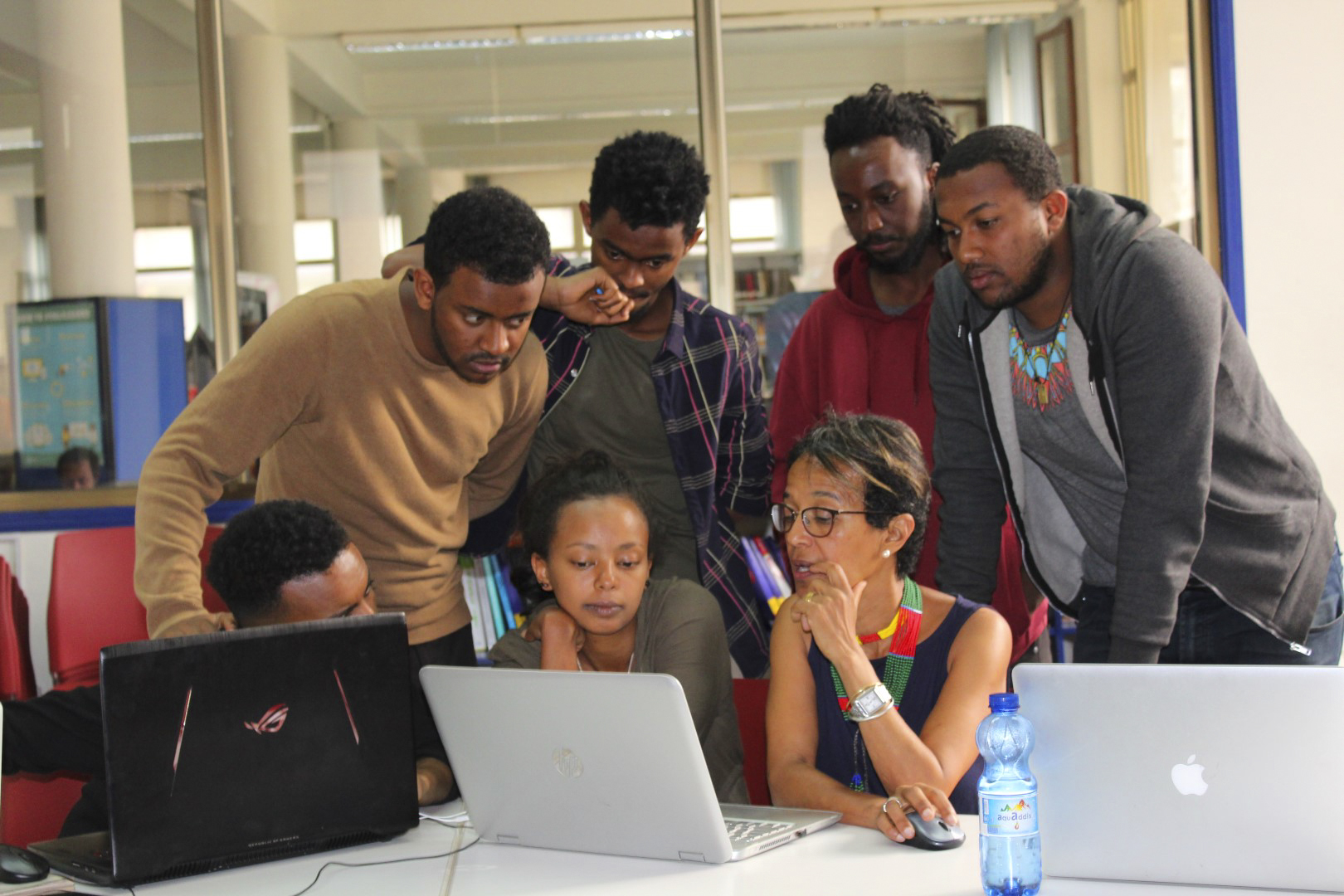
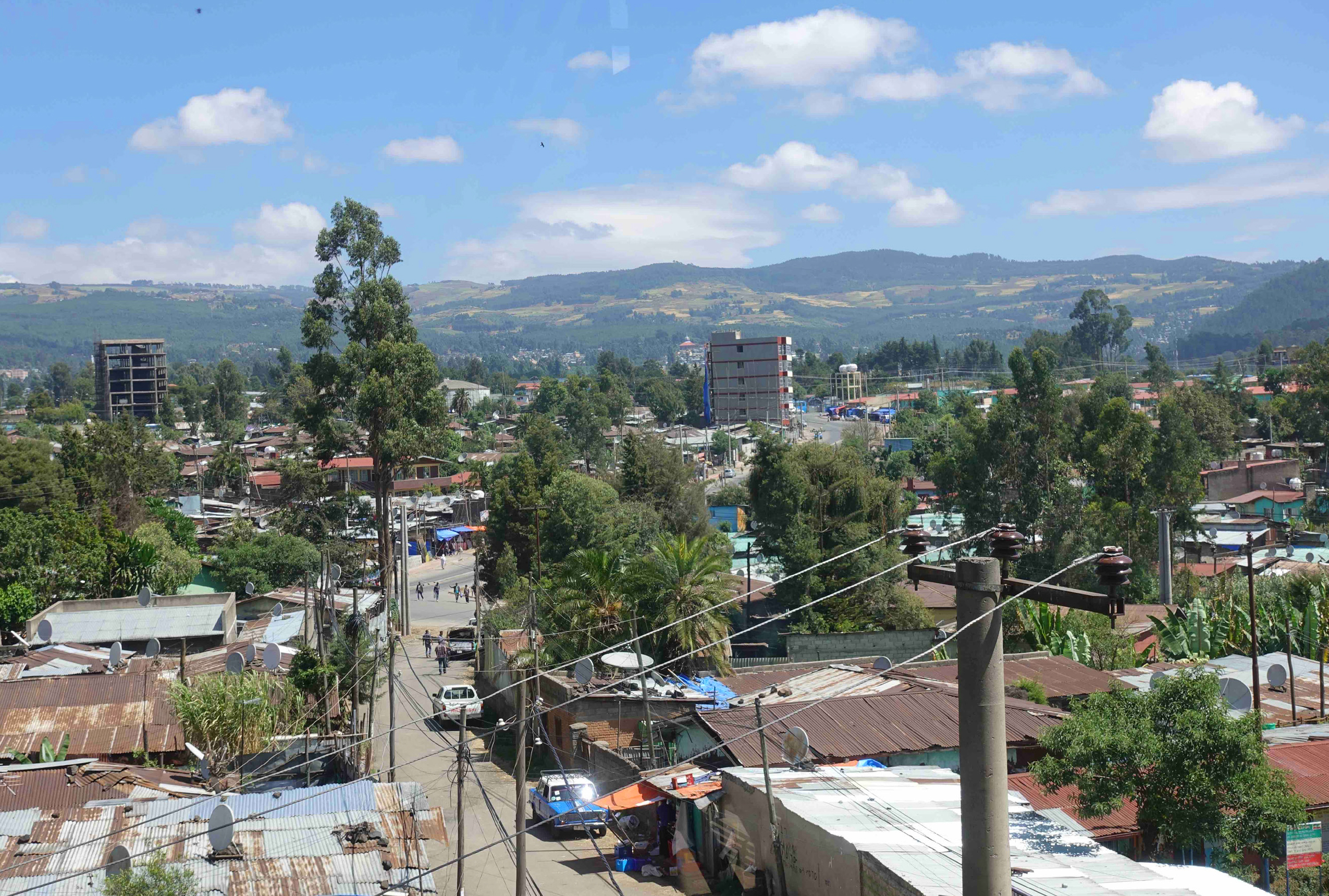
Images, from top: Guenet Abraham in the Ethiopian highlands, photo by Teddy Berhanu; Guenet Abraham with students, photo by Fitsum Seyoum; Guenet Abraham at the sulfur lake in Dalol, Danakil Depression, photo by Colton Flynn; Addis Ababa, Ethiopia, photo by Guenet Abraham.

Remembering Joseph Kohl ’87 and his Baltimore time capsule

Maryland Historical Society’s current exhibition Unscripted Moments: The Life and Photography of Joseph Kohl celebrates “one of Baltimore’s most distinctive and forward-looking photographers,” according to Joe Tropea ’06, history, ’08 M.A. history, Curator of Films & Photographs and Digital Projects Coordinator at MDHS.

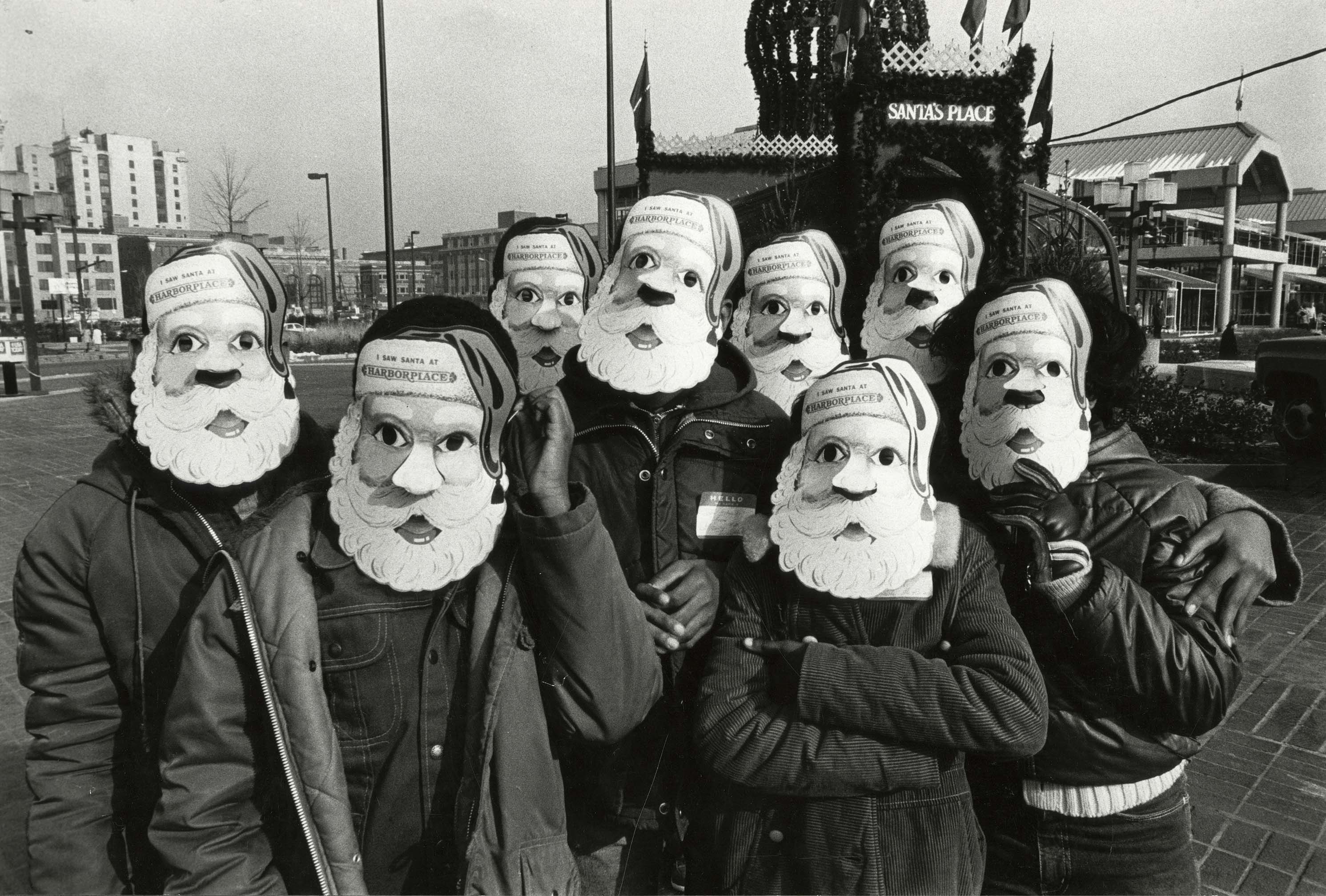
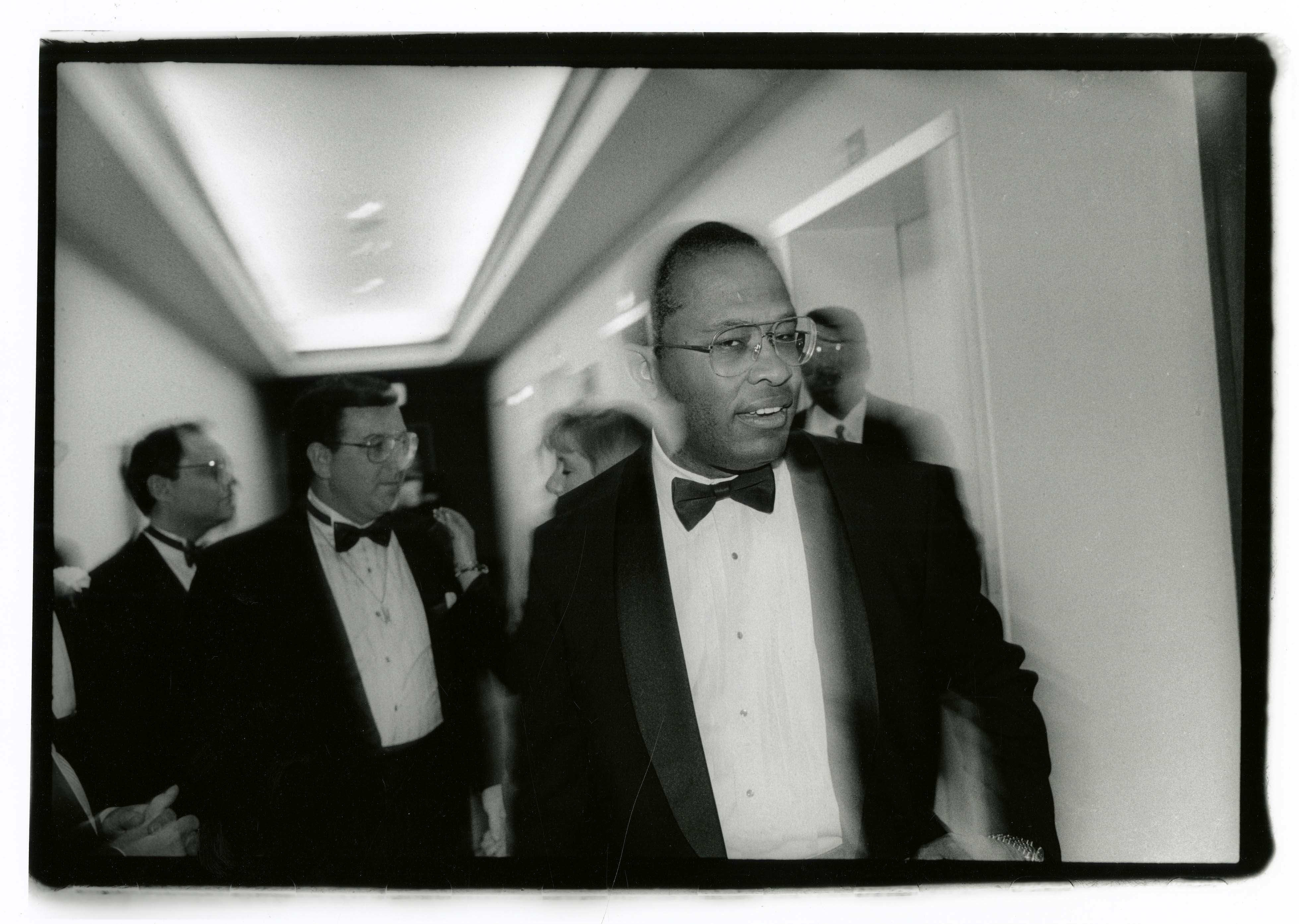
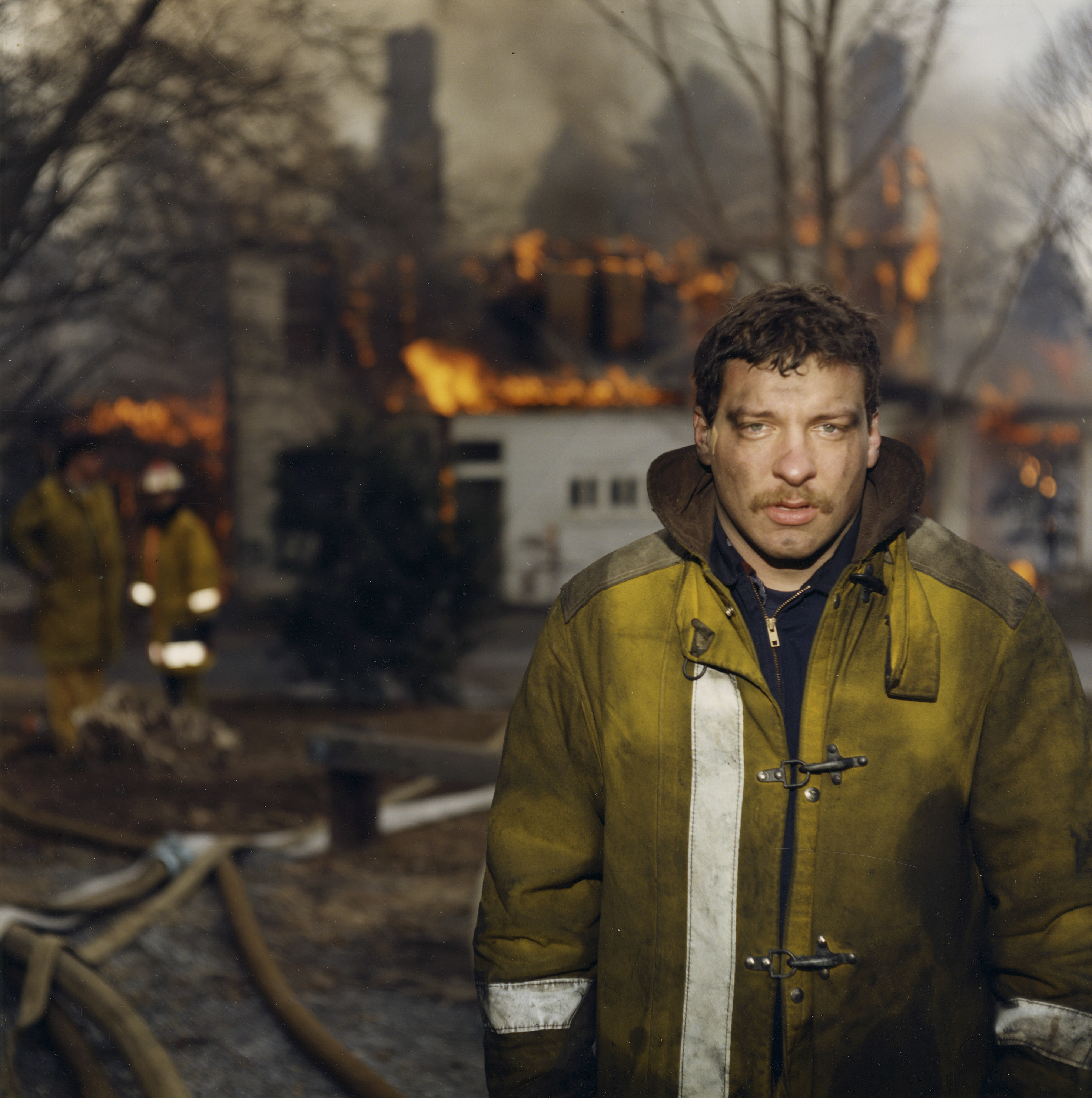
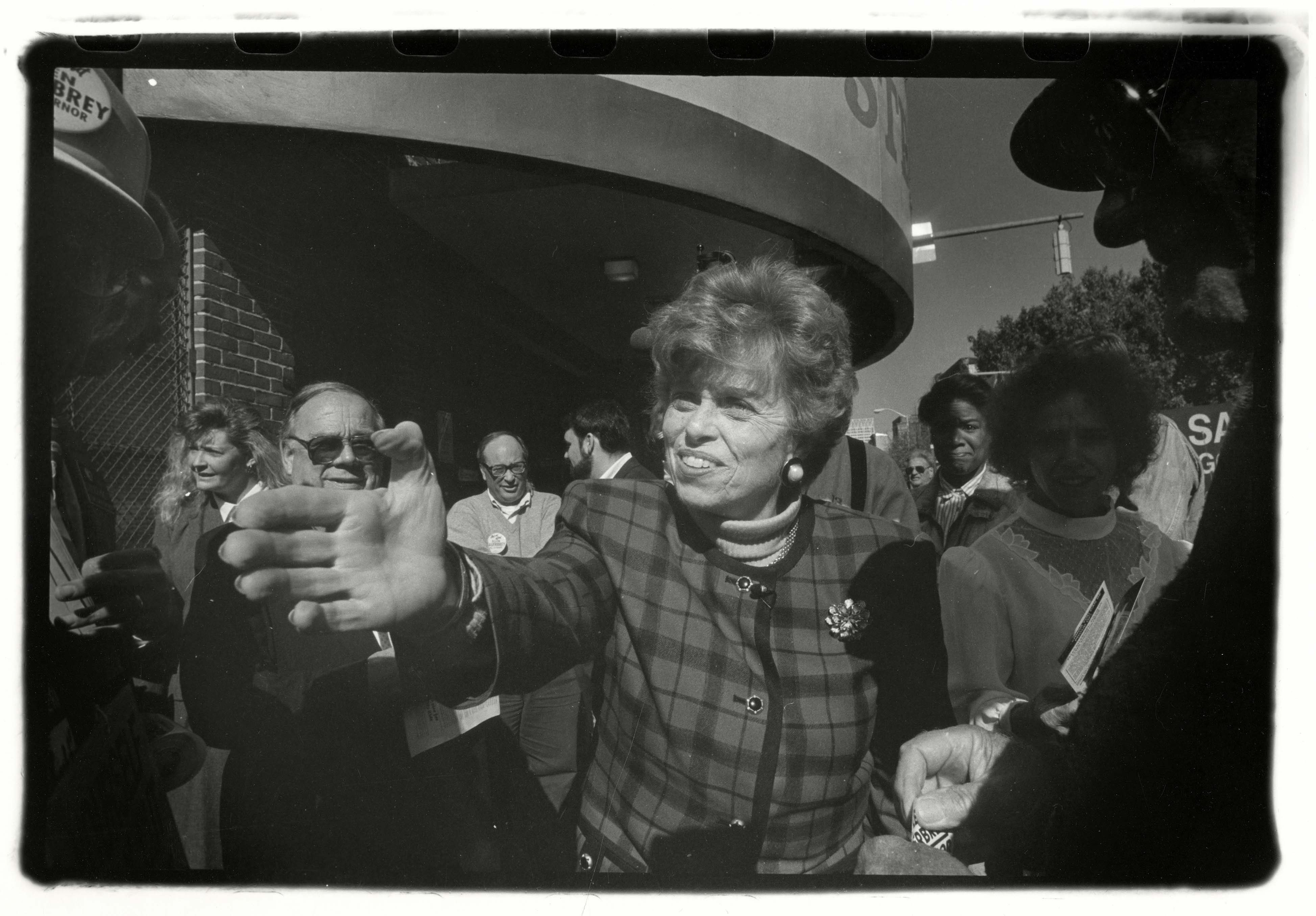
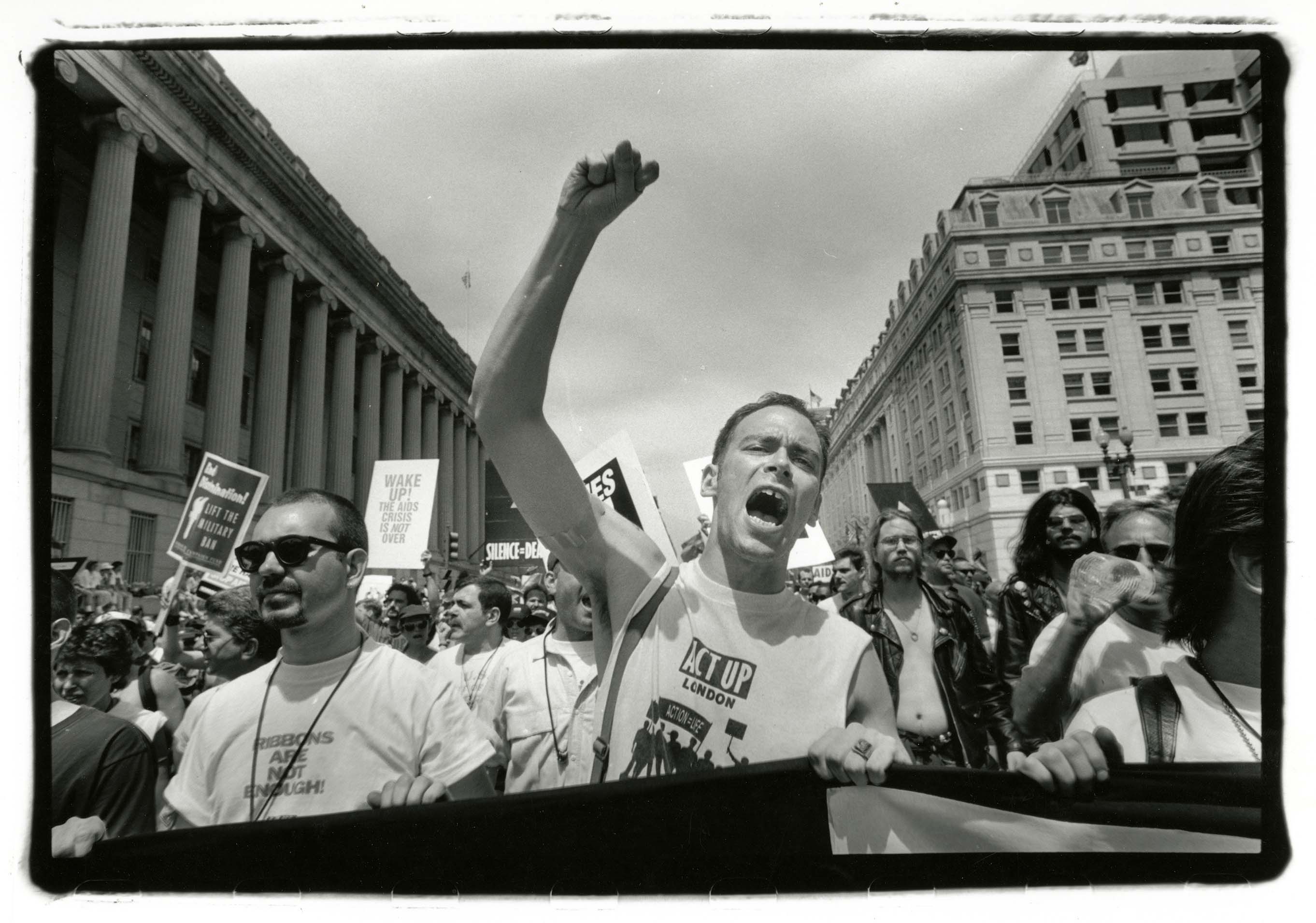
The exhibition, on display at MDHS in Baltimore through April 29, features a small sample of the vast body of work Joseph Kohl ’87, visual & performing arts photography, left behind when he tragically died in 2002 at the age of 44 from leukemia. A prolific news and fine arts photographer, Kohl covered Baltimore for a diverse collection of publications in the 1980s and ‘90s – City Paper, Afro-American, Village Voice, Easy Rider, Catholic Review, and Mid-Atlantic Gay Life – capturing spontaneous moments, whether or not he was on assignment. Outside of his journalism beat, he documented Baltimore’s alternative culture including “the city’s erotic sub communities, small venue-rock concerts, and queer nightlife” as the Maryland Historical Society notes in a statement accompanying the exhibition.

Many pictures in the exhibition, mostly in black and white, embody the gritty, quirky, working-class nature of Baltimore, as well as the politics and local celebrities of the age – from former mayor Kurt Schmoke to filmmaker John Waters. Though some seem surprisingly provocative material for a Maryland Historical Society show, they are an important record, says Tropea, calling them “a time capsule from the end of the last century.”

A short documentary film by Tropea (preview below) in also included in the exhibit, weaving an engaging narrative about Kohl and his work through interviews with friends, family, and associates, and additional photographs of Kohl’s not included in the exhibition.
[vimeo 238949279 w=640 h=360]
The MDHS holds approximately 55,000 of Kohl’s negatives and prints, which were acquired in 2003 after a posthumous retrospective exhibition at School 33 Art Center organized by Linda Clark and her late husband, professional photographer Carl Clark. In 2015, MDHS began an enormous undertaking to clean, inventory, rehouse, and conserve the entire collection led. Volunteers from UMBC, Towson and Johns Hopkins were instrumental to efforts to sort and organize the collection and to create the finders guide, said Tropea.

Andrew Holter ’12, English, history, ’17 M.A. history, was one of the volunteers involved in those preservation efforts. In a moving piece about Kohl and his work for the Baltimore Beat, he wrote:

In a place as segregated and traumatized by its own self as Baltimore in 2017, Kohl’s photos leave behind a vision of what it can be to live in a city—even what it might look like in the earliest stages of building what Dr. King called “the beloved community.” Everyone counts in Kohl’s Baltimore. His approach to the city followed the logic of what bell hooks meant when she wrote: “Making the choice to look at images or read about people different from oneself, irrespective of whether those images are positive or negative, opens up the possibility that positive curiosity will be awakened and lead to positive contact.”

Most of the images are undated and little known about those depicted in the images. This is also the case for most of the images on view in the exhibition, though a few of the photographed have been identified by visitors to the museum.

Though Kohl did not graduate until 1987, he was a fixture of UMBC’s photo department from the early 80s while already active as a photojournalist. Tom Beck, Chief Curator, Retired, Affiliate Associate Professor of Art, remembers having him as a student. He was a very serious, aspiring photojournalist who was committed with his whole being to a future career in the field…When in class, his camera bag was always close at hand for that moment’s notice when he would be called upon to shoot a subject.” Both Beck and visual arts department program specialist Chris Peregoy ’81, visual and performing arts, M.F.A. ’99, IMDA, also recall that Joe photographed for The Retriever in the early ‘80s. I knew Joe Kohl fairly well…(he) was a great alum and the photo community lost a talented photographer with his passing in 2002,” said Peregoy.

* * * * *
Unscripted Moments: The Life and Photography of Joseph Kohl will be on display at the Maryland Historical Society at 201 West Monument Street, Baltimore, through April 29. The entire Joseph Kohl Photograph Collection, PP284, will remain at the MDHS in perpetuity.

UMBC’s Maurice Berger receives ICP Infinity Award for New York Times “Race Stories” column

UMBC’s Maurice Berger, research professor and chief curator for the Center for Art, Design and Visual Culture (CADVC), and a major national figure in the field of media studies, has won the International Center of Photography (ICP) 2018 Infinity Award. The award, in the category of Critical Writing and Research, honors Berger’s acclaimed ”Race Stories” column for the Lens section of the New York Times.

ICP’s Infinity Awards are widely considered the leading honor for excellence in the field of photography and visual culture. The selection committee includes Isolde Brielmaier, assistant professor at NYU and executive director of Arts, Culture and Community, Westfield World Trade Center; Marina Chao, assistant curator of exhibitions for ICP; James Estrin, Lens blog co-editor and senior staff photographer for the New York Times; and Antwaun Sargent, writer and critic.

Since 1985, the ICP Infinity Awards have recognized major contributions and emerging talent in the fields of photojournalism, art, fashion photography, and publishing. The 34th annual ICP Infinity Award honorees will be celebrated at a gala on April 9 in New York City.

”I am honored to receive an award long considered important to the community of photographers, writers, editors, and curators of which I’m a part,” Berger shares. “To write monthly for the New York Times about the ways photography mediates the issues of race fulfills a long held dream. To have that work acknowledged and rewarded by my peers, in addition to the incredible support I get from Times readers, is truly wonderful.” 

Berger’s monthly “Race Stories” column explores the relationship of photography to concepts, themes, and social issues around race not usually covered in the mainstream media. He launched the column, in July 2012 and two years later received the 2014 Creative Capital | Andy Warhol Foundation ArtsWriters Grant in recognition of his writing.

The well-researched essays are written in a literary and reader-friendly style and explore a range of subjects and photographers. Predominantly focused on work from the civil rights era to the present, his writing has focused on a multiple issues: contemporary African American art and photography; the modern civil rights movement; Latino/a, Asian-American, and Native American photography; Asian and African photography; 19th-century and Civil War-era photography and race; and developments in Latino and Asian American photography. His work has also explored how artists and photographers of color have employed photography to combat stereotypes and prevailing ideas about race and identity in the United States.

Included in the series is a moving personal essay from December 2017, “Using Photography to Tell Stories About Race, that contextualizes Berger’s writing on race within his personal story. In the essay, Berger writes:

As a Jew, I have known anti-Semitism. As a gay man, I have known homophobia. But neither has seemed as relentless as the racism I witnessed growing up — a steady drumbeat of slights, thinly-veiled hostility and condescension perpetrated by even the most liberal and well-meaning people. It was painful to watch, and as my friends let me know, considerably more painful to endure.

“Continually observing this reality shaped how I understood racism: When people told me they had experienced prejudice, I believed them. I had rejected the liberal tendency to defensively dismiss the victim to protect the accused.”

ICP worked with Harbers Studio and MediaStorm to produce mini-documentary films on each of the 2018 Infinity awardees, including a  12-minute film on Berger:

The CADVC recently launched a webpage indexing all of the Race Stories essays that is updated monthly as new posts are published. “I wanted to find ways to make the ‘Race Stories’ series available to as broad an audience as possible,” says Berger. “I think it’s important for college and university students to read these essays. So putting them on the CADVC website has made all of them available, in one convenient place, to our students at UMBC as well as the thousands of outside visitors to our website.”

Berger shared further, “I always write my essays for The New York Times and curate my exhibitions on race and visual culture with young people in mind…because if you can inspire a young person to see the world in new ways, then you can inspire anyone. I get a lot of emails from high school teachers and college professors, who tell me they routinely assign my ‘Race Stories’ essays to their students. I’m an educator, first and foremost. The principal purpose of my work is to teach racial literacy through visual culture.”

In addition to Berger’s writing for the New York Times, his work regularly appears in other major publications, from Artforum and Aperture to Wired and the Los Angeles Times. His latest essay, “These Reenactments Put a Personal Face on the History of Black Protest,” appears in a historic April special issue of National Geographic on race. The magazine put together a team of photographers and race writers to explore one of the most complicated issues of our time. Berger’s writing engages with the work of Senegalese artist Omar Victor Diop, who explores the fight for civil rights in reenactment photos. His essay will also appear in an eight-page spread in the print issue.

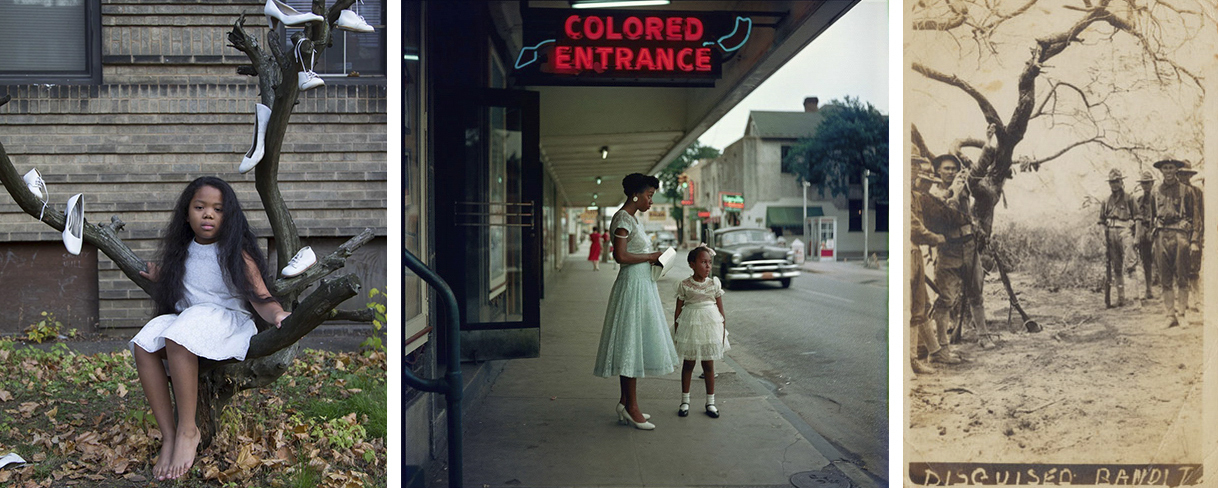
Top image: Maurice Berger, photo by James Estrin. Center images from left to right: Nona Faustine, Arbores autumnales puella, Queen Ming, the photographer’s daughter, 2016, Courtesy of the artist; Gordon Parks, Untitled, Mobile, Alabama, 1956, Courtesy of the Gordon Parks Foundation; Ken Gonzales-Day, Erased Lynching: Disguised Bandit, 2006

UMBC’s Susan McCully premieres Cone sisters drama “All She Must Possess”

The Cone sisters are beloved in Baltimore and known internationally for the art collection that is their legacy. Now, they are also the subject of All She Must Possess, a new production by playwright Susan McCully, assistant professor of theatre at UMBC. The Rep Stage in Columbia, Maryland, will host the play’s world premiere as part of the 2018 Women’s Voices Theater Festival this month.

The play focuses on the Cone sisters, Claribel (1864-1929) and Etta (1870-1949). Together, the siblings, Baltimore natives, built a massive collection of works by some of the most important artists of their time – Matisse, Picasso, Pissarro, Courbet, and Degas – amassing approximately 3,000 objects, including 500 works by Matisse alone.

Billed as a “highly theatrical celebration of Etta’s extraordinary life,” McCully developed the play after a year of deep research into an extensive collection of the sisters’ personal papers held by Baltimore Museum of Art.  The papers were donated by Etta to the museum, where the sisters’ art collection also resides, upon her death in 1949.

Notwithstanding their conservative dress and appearance, the sisters were renegades of their era. Neither married and Claribel became a doctor of medicine, specializing in pathology. Their impulses as art collectors, at first led by Gertrude Stein and her brother Leo, were ahead of the times and led to purchases of works considered provocative and even scandalous. One such work was Blue Nude by Matisse, which is brought to life in the production.

Speaking to Celia Wren of the Washington Post about the play, McCully theorized that as single women with comfortable incomes the Cone sisters had the freedom and energy to travel and develop their own interests, identities, and relationships. “The collection exists in a way because they were, at least, not heteronormative,” said McCully. The dramaturg, known for her work at the intersection of feminist and queer representation, also refers to Etta as “a kind of gay hero” who lived on her own terms, and had an intimate relationship with acclaimed writer and fellow art collector Gertrude Stein.

All She Must Possess is directed by Joseph Ritsch, who is directing UMBC’s spring production of Machinal and is adjunct professor in the department of theatre. He also directed UMBC’s production of the Amish Project in 2017. Keri Eastridge ‘17, theatre, appears in the role of The Writer; sound design is by William D’Eugenio ‘15, theatre; Julie DeBakey ‘09, theatre, is the stage manager; Sim Rivers ’17, theatre, is the assistant director; and Brittany Federici ‘17, theatre, is the assistant stage manager for the production.

Susan McCully is a scholar of feminist theatre and a dramaturg, as well as a playwright and performer. Her plays have been produced at colleges and universities, as well as fringe and alternative spaces throughout the U.S. and internationally. At UMBC, she teaches a range of courses in theatre history and dramatic literature, and works on the department productions in the role of dramaturg. She is a specialist in cross-gender casting and gender performance; she also teaches courses in queer performance and feminist representation for UMBC’s gender and women’s studies program

All She Must Possess will be performed February 8-25 at Rep Stage at the Horowitz Visual and Performing Arts Center at Howard Community College, 10901 Little Patuxent Parkway, Columbia, Maryland. Tickets: $10-40. Call 443-518-1500 or visit repstage.org.

Images, from top: Grace Bauer as Etta Cone, Valerie Leonard as Claribel Cone/ Gertrude Stein and Keri Eastridge as Writer in All She Must Possess; Grace Bauer as Etta Cone and Keri Eastridge as Writer in All She Must Possess. Photo by Katie Simmons-Barth, courtesy of Rep Stage.

See coverage in the Baltimore Sun and Washington Post.

UMBC receives NEA Art Works grant for Margaret Re’s “A Designed Life”

UMBC’s Margaret Re will develop the exhibition and catalog for A Designed Life: American Textiles, Wallpapers, Containers and Packaging (1951-52) through support from a new $30,000 Art Works grant from the National Endowment for the Arts.

Re, an associate professor of visual arts who teaches design, is both the exhibition curator and principal investigator of A Designed Life, which is based on three historically significant traveling exhibitions of contemporary mass-produced, American-designed consumer goods that were commissioned by the U.S. Department of State in the early 1950s. It recreates and interprets those early Cold War exhibitions—including American textiles, wallpapers, containers, and packaging—restating and interpreting part of each display as it might have appeared in the early 1950s.

The three historical exhibitions—Contemporary American Textiles designed by Florence Knoll; Contemporary American Wallpapers designed by Tom Lee, and Containers and Packaging designed by Will Burtin—were each developed as collections of industry-specific consumer goods, designed and manufactured in the spirit of American modernism. The Traveling Exhibition Service (TES), an organization later known as the Smithsonian Institution Traveling Exhibition Service, organized these exhibitions for display in post-WWII Germany and France on behalf of the U.S. Department of State in order to help promote the grown of democratic governments within postwar Europe.

UMBC’s Center for Art, Design and Visual Culture (CADVC) will exhibit A Designed Life September 13 – December 8, 2018. Symmes Gardner, executive director of the CADVC, notes that the exhibition “will be a first for the CADVC investigating decorative arts. The exhibition will foster a unique and timely interdisciplinary dialogue encompassing design, history and political science that is in keeping with the CADVC’s mission to build connections between visual culture and the society at large.”

[nivoslider id=”38426″]

This new NEA-supported exhibition project is the result of extensive research by Re, who first came across a drawing of the Knoll-designed textile exhibit at the Archives of American Art in Washington D.C., before rediscovering the other two design exhibits. Over several years she continued her research through the National Archives and Records Administration, Smithsonian Institution Archives, Carey Graphic Arts Collection at the Rochester Institute of Technology, Berlin’s Bauhaus Archives, and the Document Library in Kassel, Germany. Re received support from a $30,000 Coby Foundation grant, UMBC’s START fund for new directions in faculty research, the Dresher Center for the Humanities scholars program, a CIRCA Summer Faculty Research Fellowship, and a grant from the Kunststiftung des Landes Sachsen-Anhalt to complete the work of developing the project.

The project includes several important partners. Morgan State University’s School of Architecture and Urban Planning will build the recreated traveling exhibition components, led by Adam Bridge. A team from The Johns Hopkins Graduate Program in Museum Studies led by Karen Wizevich and Deborah Howes will help develop visitor knowledge of, interest in, and reaction to the topics found within this exhibition, as well as public outreach.

Re is excited for the potential of the exhibit to help audiences explore the U.S. Department of State’s decision in the early 1950s “to connect consumer choice with political choice as well as the reception of European audiences to such cultural diplomacy in the post WWII years.”

Some scholarship exists chronicling the outcome of Department of State-sponsored art exhibits used in a similar capacity as soft power to promote American culture, such as exhibits of Abstract Expressionist painting. However, Re notes, “design exhibitions sent abroad that presented examples of consumer goods billed as readily available to American citizens are largely undocumented, especially those coordinated by the Smithsonian Institution and the Department of State.”

A Designed Life, Re explains, “makes evident the political potential of design to connect people, their activities, experiences, needs and desires, and shape attitudes as it broadens insight into design’s relevance as a tool for diplomacy.”

Public programming, including lectures and the publication of a catalog, will accompany the exhibition at UMBC in the fall of 2018.

Images: Margaret Re; photo by Marlayna Demond ’11 for UMBC. Concept drawings for the exhibition A Designed Life; courtesy of Margaret Re.

Emily Eaglin tackles complex social issues through creative film and TV projects

Emily Eaglin
B.F.A., Visual Arts (Cinematic arts)
Summa Cum Laude
Hometown: Silver Spring, Maryland
Plans: Several film, television, and photography projects

UMBC has offered me a supportive, energetic, and diverse environment where I’ve been able to thrive independently on every creative, community, or academic project undertaken… I’ve learned the importance of critical feedback, community, and making my films an “us” effort versus a “me” effort.

Entering UMBC as a Linehan Artist Scholar, Emily Eaglin has combined creative scholarship with passionate engagement on social issues to develop several projects capturing the attention of local and national audiences alike.

Eaglin has worked to hone her approach and techniques in film and video to realize cinema’s powerful potential to communicate about the complex intersections of class, gender, and race with a mass audience. She has created several film projects and a web series, Marylandia (2016), while at UMBC —receiving two competitive student awards to support the research and production of that series.

Eaglin has also been very engaged in campus life as president of the student groups People United, Black Critical Direct Action Student Union (intercollegiate), and the Critical Social Justice Student Alliance. She is a member of the Honors College, Phi Kappa Phi Honors Society, Black Student Union, and UMBC Women of Color Coalition, and taught film through the Shriver Center’s SUCCESS program. She also took the stage to welcome incoming students and their families as a New Student Visit Day featured speaker during her junior and senior years.

Connecting with a range of departments across UMBC, Eaglin assisted Bill Shewbridge, media and communication studies professor of the practice, on a film collaboration with the U.S. Forest Service, served as Kate Drabinski’s teaching assistant for the “Studies in Feminist Activism” course in gender and women’s studies, and worked as a social media intern for the Imaging Research Center, UMBC Visual Arts Production Center, and UMBC Student Life.

Off campus, Eaglin worked as a production assistant and director’s assistant on Shots Fired, a FOX TV show that deals with police brutality and misconduct. This past March, she began work on an independent documentary film project in collaboration with the newly opened Smithsonian National Museum of African American History and Culture in Washington D.C. The project will include Emily’s documentation of five workshop sessions she is leading at an Anacostia high school, focused on examining systemic violence. It will continue through October 2017, when Eaglin will film a major student march in Washington D.C.

Eaglin is also pursuing several other creative projects through the summer and fall. She’ll create a television series on local artists of color for NBC4 in Washington D.C., help to develop a film program at the Baltimore School for the Arts and teach a master class at the acclaimed school, and raise funds for Sankofa, an art museum in Baltimore that showcases art of the African diaspora.

Portrait by Marlayna Demond ’11 for UMBC.