All posts by: Megan Hanks Mastrola


Ting Zhu receives NSF CAREER Award to develop “Internet of Things” technology

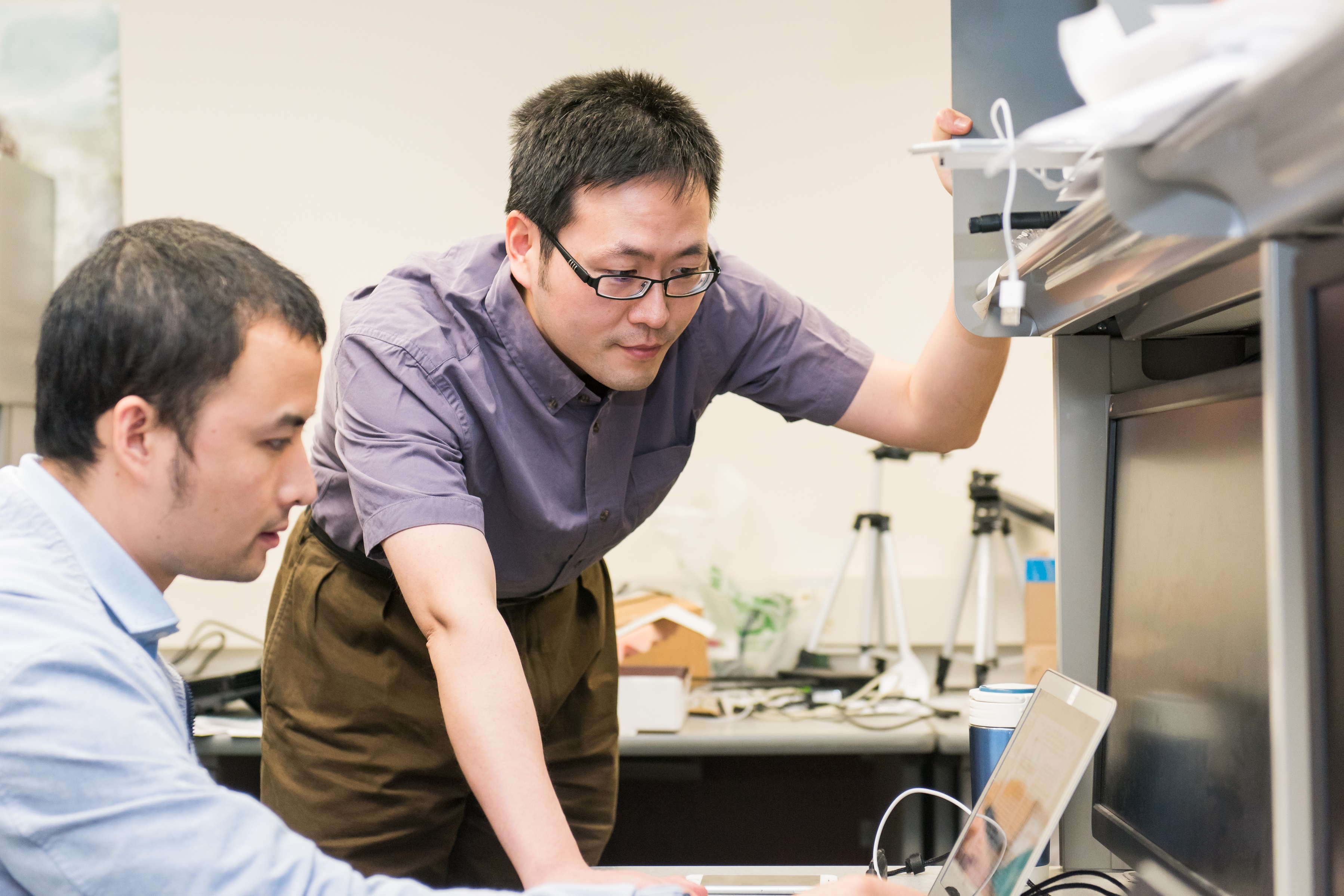
The National Science Foundation (NSF) has awarded Ting Zhu, assistant professor of computer science and electrical engineering, its prestigious CAREER Award for his work to significantly improve the existing sensing capabilities of common technologies, such as cell phones. The five-year grant will total nearly $500,000.

“We congratulate Dr. Zhu on his NSF CAREER Award, an important recognition of his inventive work and what it may mean for other fields,” said Karl V. Steiner, vice president for research. “Dr. Zhu’s recognition adds to our growing list of outstanding young faculty recognized by peers and national funding agencies for their potential to advance science and technology.”

Zhu’s research may have impacts on the daily lives of people who use their cell phones to track activities, like exercise and sleep. He finds that although many mobile phones have activity monitoring systems built in, these capabilities are often not used to their fullest potential.

“The purpose of my research is to enable Internet-of-Things (IoT) devices to conduct accurate, efficient, and scalable N-way sensing,” explains Zhu. “This award will allow me to leverage sensing capabilities from different IoT devices to significantly improve people’s daily life for applications such as personal health monitoring, indoor localization, and smart home automation.”

To integrate research with education, Zhu will collaborate with his colleagues at UMBC to disseminate his research to local communities and recruit underrepresented groups. His work also has potential applications for enhancing the teaching of sensing technologies in classrooms, and his lab will provide opportunities for diverse UMBC students to complete hands-on research related to sensing technologies, as well as potentially exploring connections with virtual reality and 3D scanning.

In the last two decades, UMBC faculty have received 34 NSF CAREER awards. Additional UMBC faculty honored with CAREER awards so far in 2017 include Lee Blaney, assistant professor of chemical, biochemical and environmental engineering, for his work on water contamination, and Tinoosh Mohsenin, assistant professor of computer science and electrical engineering, for her work on energy efficient implementation of deep learning technologies and machine learning algorithms that are developed to function similarly to the brain.

Photos by Marlayna Demond ’11 for UMBC.

UMBC faculty research works to reduce pollution in waterways

Each day, consumers use a broad range of personal care products, including antibacterial soaps, shampoos and conditioners, perfumes, cosmetics, and deodorants. In a recent article in The Conversation, Lee Blaney, assistant professor of chemical, biochemical and environmental engineering, describes how personal care products can negatively affect the environment and the health of animals and humans, and how his research is working to limit those harmful impacts.

Blaney explains that personal care products, as well as medications, make it into sewer systems after being flushed down toilets, sinks, or shower drains, eventually reaching wastewater treatment plants. Unfortunately, “[t]hese plants are not designed to treat the thousands of specialty chemicals in pharmaceuticals and personal care products,” Blaney notes. “Many of the active and inactive ingredients present in these products pass through our wastewater treatment plants and ultimately end up in rivers, streams or oceans.”

How does this occur? “Typical wastewater treatment plants are designed to treat multiple pollutants, including organic carbon from human and food waste; nutrients like nitrogen and phosphorus; and pathogenic bacteria and viruses that cause disease,” he writes. “They are not equipped to handle the many ingredients of concern that are present in personal care products.”

To reduce the impact these products have, Blaney says that the improvement of wastewater treatment technologies is crucial, as the chemicals in personal care products may threaten the health of people and aquatic animals, even when found at low concentrations. One approach Blaney suggests is more carefully testing and regulating the ingredients in personal care products to minimize their toxicity, as well as developing safer options than products currently available.

UMBC researchers across a range of STEM and social science fields are also working to reduce pollution in waterways by improving mechanisms to prevent pollutants that are already in the ecosystem from spreading through a watershed. For example, Matt Baker, professor of geography and environmental systems (GES), conducts research to better understand how direct runoff from agriculture and urban areas affects waterways. His work has demonstrated that thickly vegetated zones along the banks of rivers and streams, called “riparian buffers,” can significantly reduce the amount of pollution that enters these waterways and ends up in the Bay.

Chris Swan, professor of GES, is leading work that would reduce urban stormwater runoff in Baltimore City, which often finds its way to Chesapeake Bay. His research seeks to green vacant lots with native plants, whose roots will absorb some city pollutants. The research asks complex ecological questions, too, about how urbanization and climate change may affect the concept of “native species,” and engages communities in maintaining revived green areas.

Blaney, Baker, and Swan are just a few of the many UMBC faculty focused on challenges related to the intricate relationships people have with their environments. True of other challenges as well, Blaney says a “multi-pronged approach” will help today’s scientists, policymakers, and innovators to “continue to improve our quality of life without harming the environment.”

Read “There’s a new generation of water pollutants in your medicine cabinet” in The Conversation.

Header image: The UMBC Library Pond. Photo by Marlayna Demond ’11 for UMBC.

Daniel Ocasio, UMBC’s 2017 valedictorian, to pursue environmental engineering Ph.D.

Daniel Ocasio
B.S., Chemical Engineering
Summa Cum Laude, Certificate: Honors College
Hometown: Severn, Maryland
Plans: Ph.D., University of California, Berkeley

UMBC fosters a diverse community where everyone has a chance to thrive in their own unique way. As a Meyerhoff Scholar, MARC U*STAR Scholar, HHMI Scholar, and Honors College member, I have built a fortified support system that is rare to find.

Daniel Ocasio, valedictorian for UMBC’s Class of 2017, is a first generation college student who hit the ground running at UMBC, as an inspiring leader in research, academic, and student professional organizations.

Ocasio is a Meyerhoff Scholar, MARC U*STAR Scholar, Howard Hughes Medical Institute Scholar, and member of the Honors College. In 2016, he was one of three UMBC students to receive the prestigious Barry M. Goldwater Scholarship. He has also received the National Science Foundation’s highly competitive Graduate Research Fellowship and a GEM Fellowship, which provides opportunities for highly qualified students from underrepresented communities in applied sciences and engineering.

Much of Ocasio’s research has focused on water quality and water treatment. He credits working in the lab of Lee Blaney, assistant professor of chemical, biochemical and environmental engineering, with helping to push him beyond his expectations for the undergraduate experience, and to actively pursue a career as a researcher.

Ocasio founded the UMBC chapter of the Society of Hispanic Professional Engineers (SHPE), and received a notable recognition for presenting his research at a national SHPE conference. He has also presented award-winning research at the Annual Biomedical Research Conference for Minority Students and UMBC’s own College of Natural and Mathematical Sciences Symposium. Ocasio has twice served as vice president of the Tau Beta Pi engineering honors society, and has received a national Tau Beta Pi scholarship.

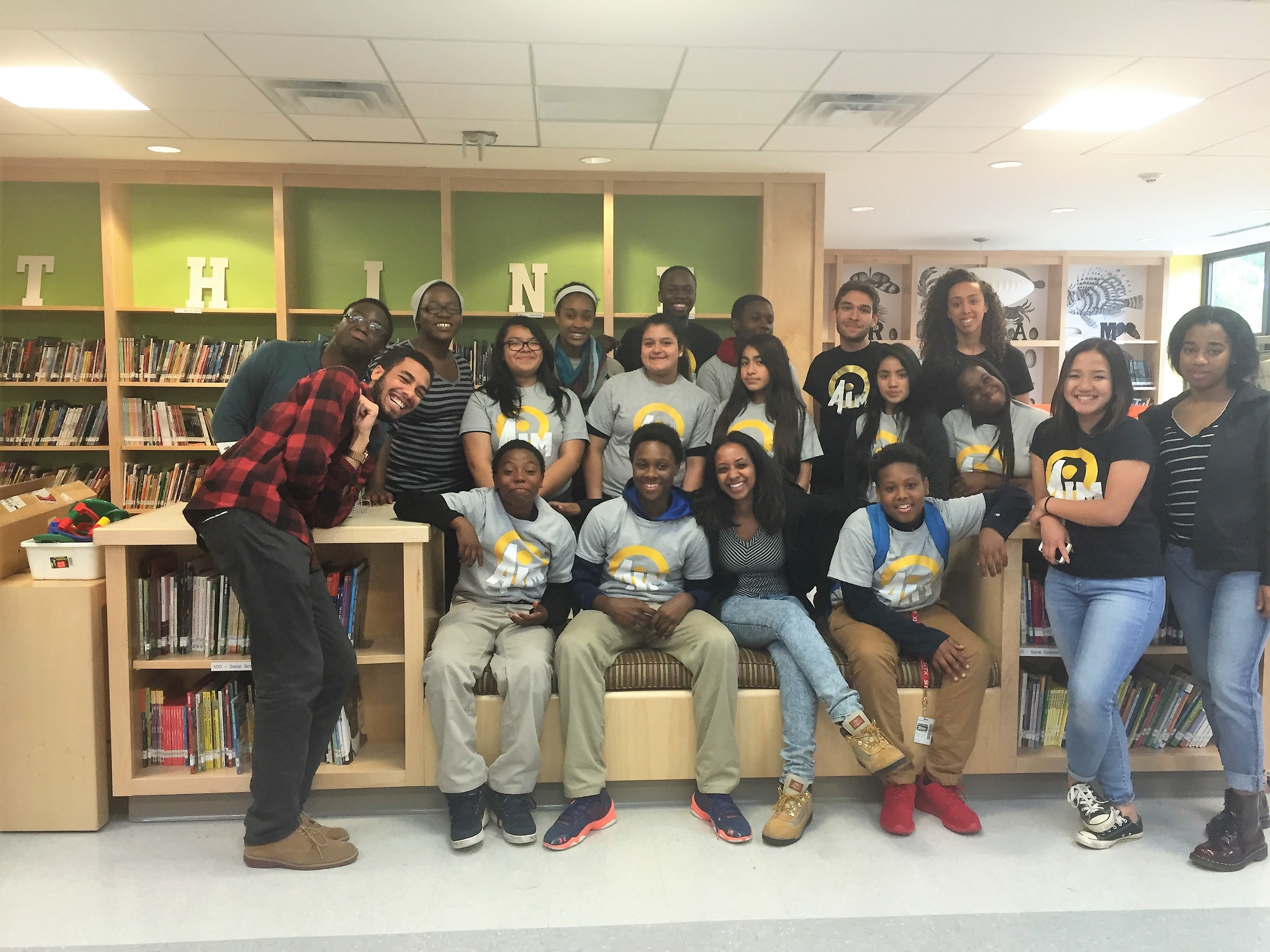
Outside of the classroom and lab, Ocasio cofounded a mentoring program for middle school students in Baltimore City: Achievement and Inspiration through Mentorship (AIM). The program prepares college students to serve as effective, committed mentors through a semester-long training, and facilitates their work with middle school students.

Ocasio will attend the University of California, Berkeley in the fall, where he will pursue his Ph.D. in environmental engineering. His research will focus on developing improved water treatment techniques and technologies.

Portrait by Marlayna Demond ‘11 for UMBC.

Gloria Opoku-Boateng becomes a user experience researcher after Ph.D. on gaming and mental acuity

Gloria Opoku-Boateng
Ph.D. Information Systems
Magna Cum Laude
Hometown: Laurel, Maryland
Plans: User Experience Research Scientist, Northrop Grumman Corporation

Here at UMBC, I was encouraged to go out and get experiences for myself. As a result, I interned at large tech companies, research labs, small consulting companies, and the federal government. I experienced it all and…I am now better positioned to move forward in a career direction that I am most comfortable with.

During her time at UMBC, Gloria Opoku-Boateng took advantage of the full range of opportunities available to support her growth as a research scientist. These included mentorship and support opportunities through UMBC and the University System of Maryland, as well as conferences, work and internships in government and industry.

On the path to completing her dissertation on how gaming apps and board and paper games enhance mental acuity in older adults, Opoku-Boateng worked closely with her advisor Anthony Norcio, professor of information systems. She also found support from peers through the PROMISE AGEP program, led by Renetta Tull, associate vice provost for graduate student development and postdoctoral affairs. 

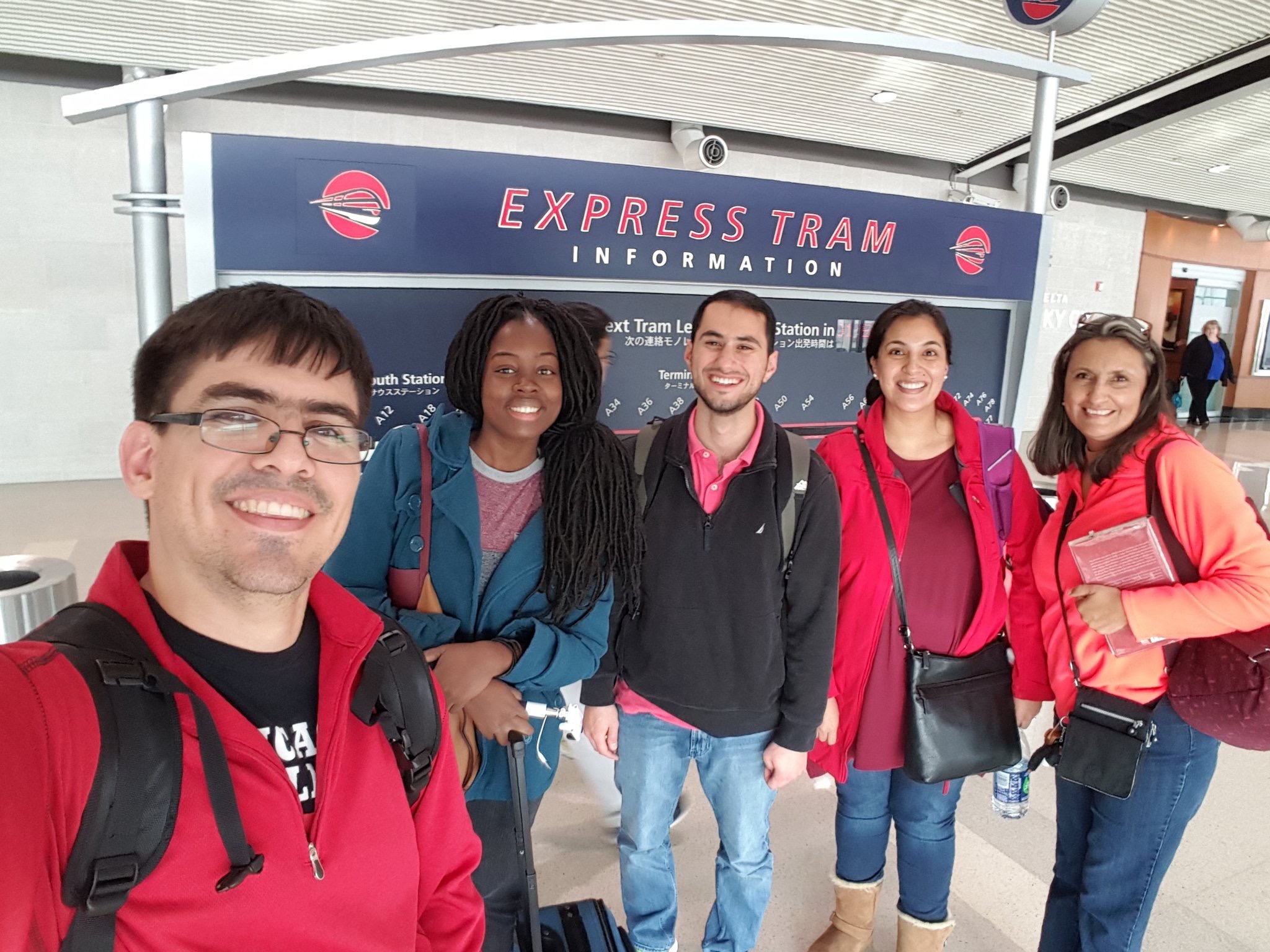
Opoku-Boateng actively participated in the Dissertation House program, through which, she says, “I felt that I had a community of fellow graduate students and mentors who understood my journey.” Through PROMISE AGEP and Dissertation House, Opoku-Boateng traveled to internationally to connect with global engineering and computing colleagues as a representative of UMBC.

Throughout her time at UMBC, Opoku-Boateng received scholarships and grants from IBM, Google, LinkedIn and Xerox, and attended several conferences, including the Grace Hopper Celebration of Women in Computing,, ACM Richard Tapia Celebration of Diversity in Computing, Healthcare Information and Management Systems Society conference, AMIA conference for informatics professionals, engineering-focused Global Students Forum, and Latin American and Caribbean Conference for Engineering and Technology.

At the Global Students Forum, Opoku-Boateng delivered a research talk on engineering artificial intelligence in consumer apps for personalized pain prediction and management. Additionally, in a project focused on United Nations Millennium Development Goals, she worked with a team to create an award-winning community empowerment program (dubbed “iHelp”) to reduce extreme poverty and hunger.

After receiving her Ph.D., Opoku-Boateng’s next step will be working as a user experience research scientist at Northrop Grumman.

Portrait by Marlayna Demond ‘11 for UMBC.

Andrew Lee, engineer who enjoys teaching robotics, pursues Ph.D. at University of Guelph

Andrew Lee
M.S., Mechanical Engineering
Summa Cum Laude
Hometown: Ellicott City, Maryland
Plans: Ph.D., University of Guelph

UMBC provides an environment in which professors are very easy to approach to assist with networking, job search, and research opportunities.

Andrew Lee has a passion for engineering and a goal to share that enthusiasm with younger students.

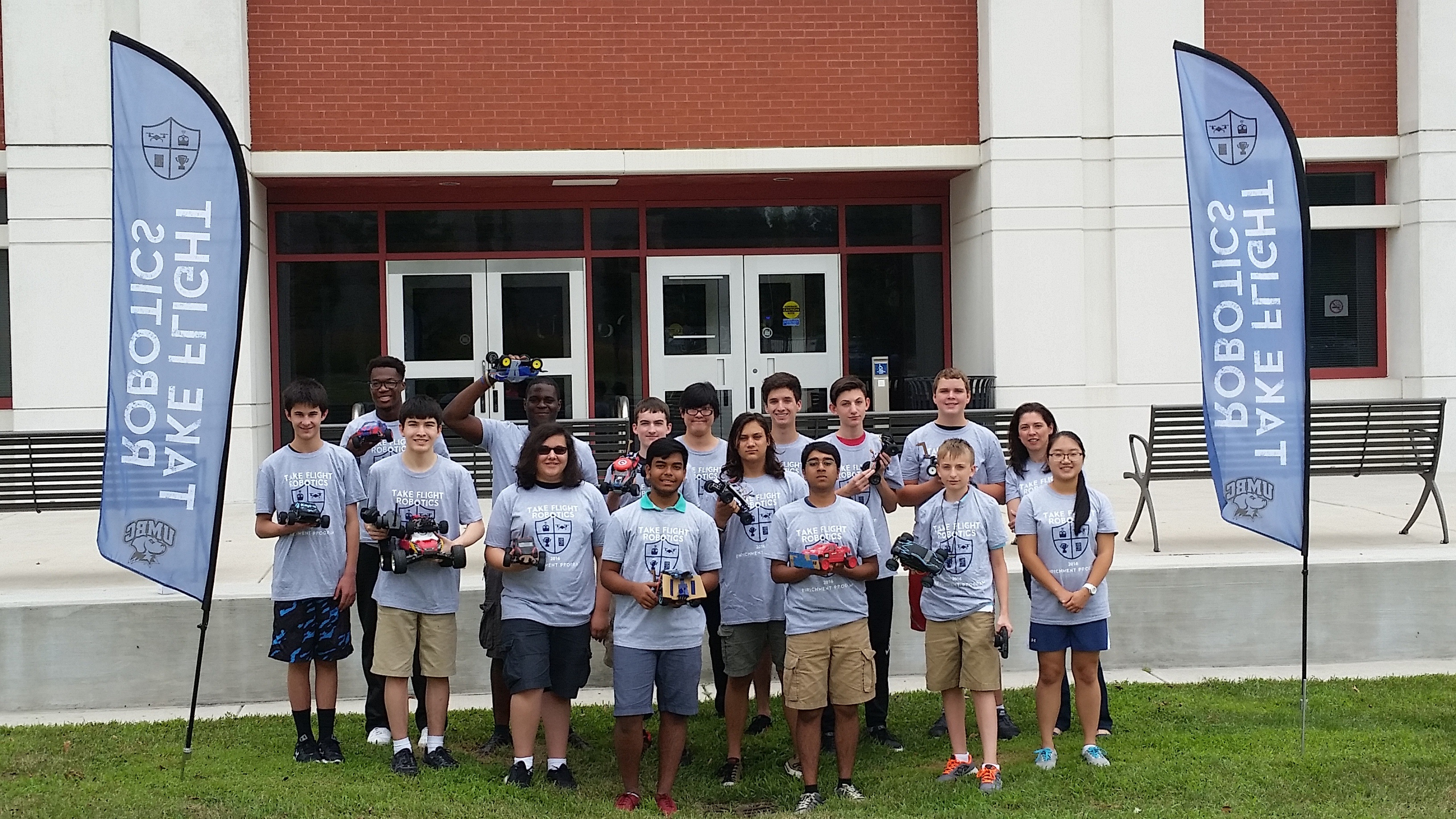
Lee has applied his mechanical engineering knowledge and STEM teaching skills as a camp assistant in the Take Flight Robotics program, a summer experience designed to engage and inspire high school interested in STEM fields. In 2015, Lee helped participants build and program their own small drones, and in 2016 he developed a new program to help them modify remote controlled cars using coding skills and microcontrollers.

The most rewarding aspect of Take Flight Robotics was realizing the potential of many gifted students,” said Lee. “When given the chance, they are very quick to learn.”

Lee’s master’s degree work is much more technical, but still with an eye on applications. He has focused on extracting the most accurate information possible about systems based on data from sensors, using intelligent methods including computer systems that are modeled on the human brain and nervous system.

This research earned Lee the offer of an Ontario Trillium Scholarship to pursue a Ph.D. in Ontario, Canada. Lee will continue his research in the Intelligent Control and Estimation Lab at the University of Guelph, where he will pursue his Ph.D.

Portrait by Marlayna Demond ‘11 for UMBC.

Natacha Ngea, future software engineer, reflects on the impact of mentorship

Natacha Ngea
B.S., Computer Engineering
Hometown: Yaounde, Cameroon
Plans: Software engineer, Harris Corporation

I have had multiple mentors and coaches at UMBC. Their support and feedback have been invaluable in succeeding and building my brand, and to find my voice.

When Natacha Ngea transferred to UMBC from Howard Community College, she knew that she wanted to pursue a degree in computer engineering and she hit the ground running. She became involved with the Center for Women in Technology (CWIT) as T-SITE Scholar. She also received a Returning Women Student Scholarship through UMBC’s Women’s Center, as well as a First Generation scholarship through the McNair Scholars Program, and Society of Women Engineers scholarship.

Ngea particularly credits relationships she developed through CWIT, the Women’s Center, and the Division of Information Technology, as an intern, for helping her access networking opportunities and resources that supported her success.

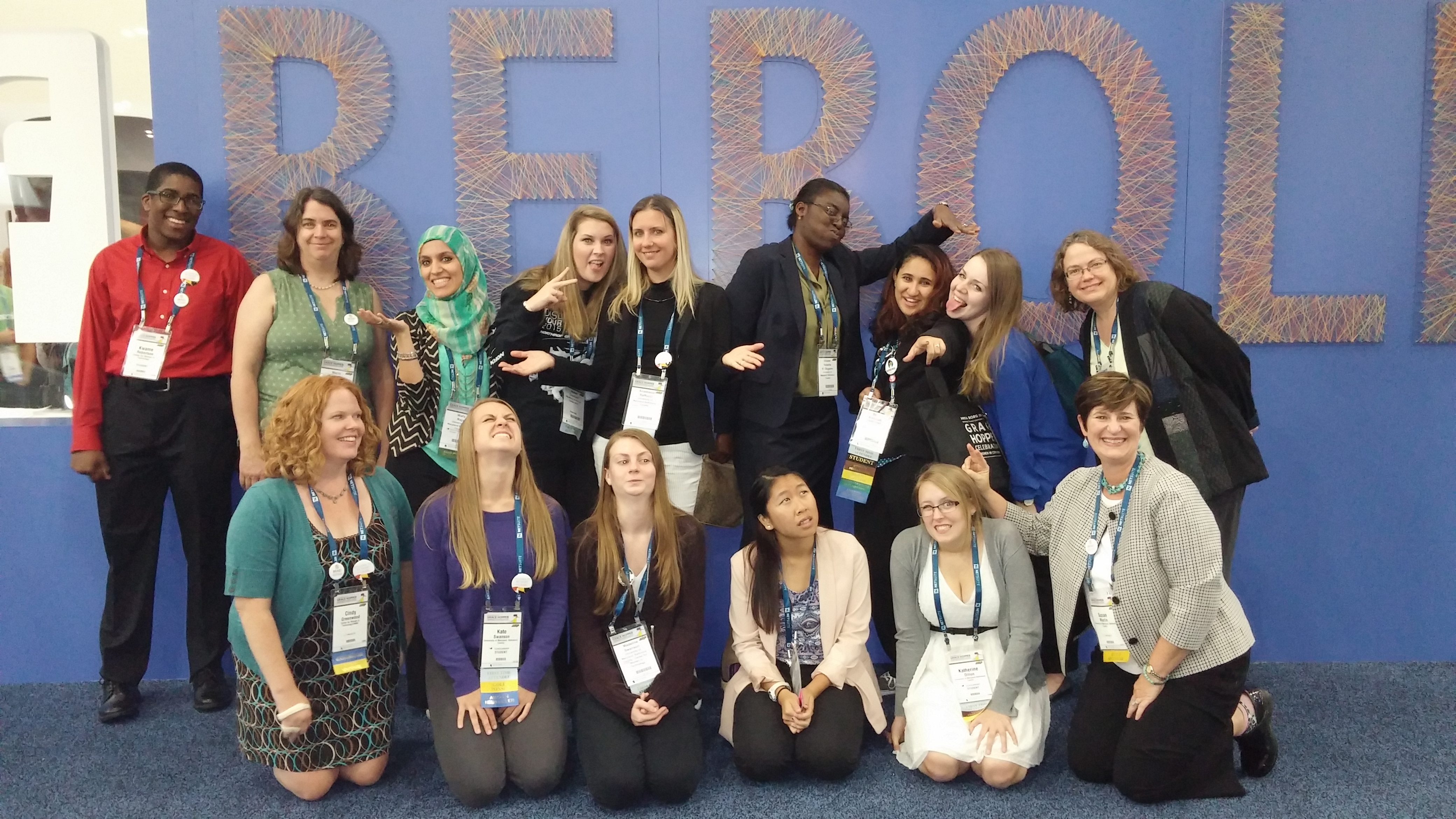
Ngea pursued a number of exceptional experiences during her time at UMBC. She earned a scholarship to attend the Grace Hopper Conference for Women in Computing, which inspired her to persevere through the challenges of completing her degree as one of few returning women students of color in a computing field. Through attending the conference, she secured an opportunity to intern at IBM in summer 2016.

After taking a course with Tammy Henderson, lecturer of Africana Studies, Ngea was inspired to become a mentor to fellow UMBC students, sharing knowledge gleaned from conferences and workshops, including the National Society of Black Engineers Convention. She also enjoyed working directly with low-income high school students, helping them to prepare for the SATs, and connected with fellow students through the Catholic Retrievers, Jubilee Choir, and Gospel Choir.

Portrait by Marlayna Demond ‘11 for UMBC.

Matthew Landen, peer mentor, pursues security-focused computer science Ph.D.

Matthew Landen
B.S., Computer Science and Mathematics
Summa Cum Laude
Hometown: Ellicott City, Maryland
Plans: Ph.D., Georgia Tech

UMBC has taught me the value of and need for collaboration. The world is currently faced with complex problems which cannot be solved by one individual.

In his time at UMBC, Meyerhoff Scholar Matthew Landen has excelled in the classroom, the lab, the theatre, and the boardroom.

Landen has pursued several research opportunities, presenting at Undergraduate Research and Creative Achievement Day and, most recently, working in the Multi-Agent Planning & Learning (MAPLE) lab led by Marie desJardins, associate dean of the College of Engineering and Information Technology and professor of computer science and electrical engineering. There he was particularly known for helping his peers understand complex concepts.

Landen also worked with students as a teaching fellow for Computing 101, and regularly volunteered to hold extra study sessions for students to support their success. In fall 2016, he became the head teaching fellow for the course, and worked closely with Stacy Branham, lecturer of information systems, to lead class activities, grade assignments, and answer students’ questions.

Landen’s exceptional work led to his induction into the Phi Kappa Phi honors society, and he recently received a highly prestigious and competitive graduate research fellowship from the National Science Foundation.

Beyond excelling as a student, peer mentor, and researcher, Landen has been actively involved in UMBC’s Musical Theatre Club for each fall showcase performance and each spring musical during his four years on campus. He has also served as webmaster for UMBC’s Student Government Association, collaborating with fellow computing students to design websites to help SGA stay organized, transparent, and effective as the primary governance body for UMBC undergraduates.

Landen will pursue his Ph.D. in computer science at Georgia Tech, with a focus on intelligent security systems.

Portrait by Marlayna Demond ‘11 for UMBC.

Gabrielle Salib, inspired to boost STEM access, focuses on human-centered computing

Gabrielle Salib
B.S., Interdisciplinary Studies (Human-Centered Computing)
Hometown: Millersville, Maryland
Plans: Ph.D., Drexel University

Throughout my four years at UMBC, I constantly met new people who inspired me to learn more and challenge myself to be a stronger student and a more empathetic citizen of our larger communities.The beauty of UMBC is that each personal community is celebrated within the larger entity and we’re a stronger university in simply being ourselves.

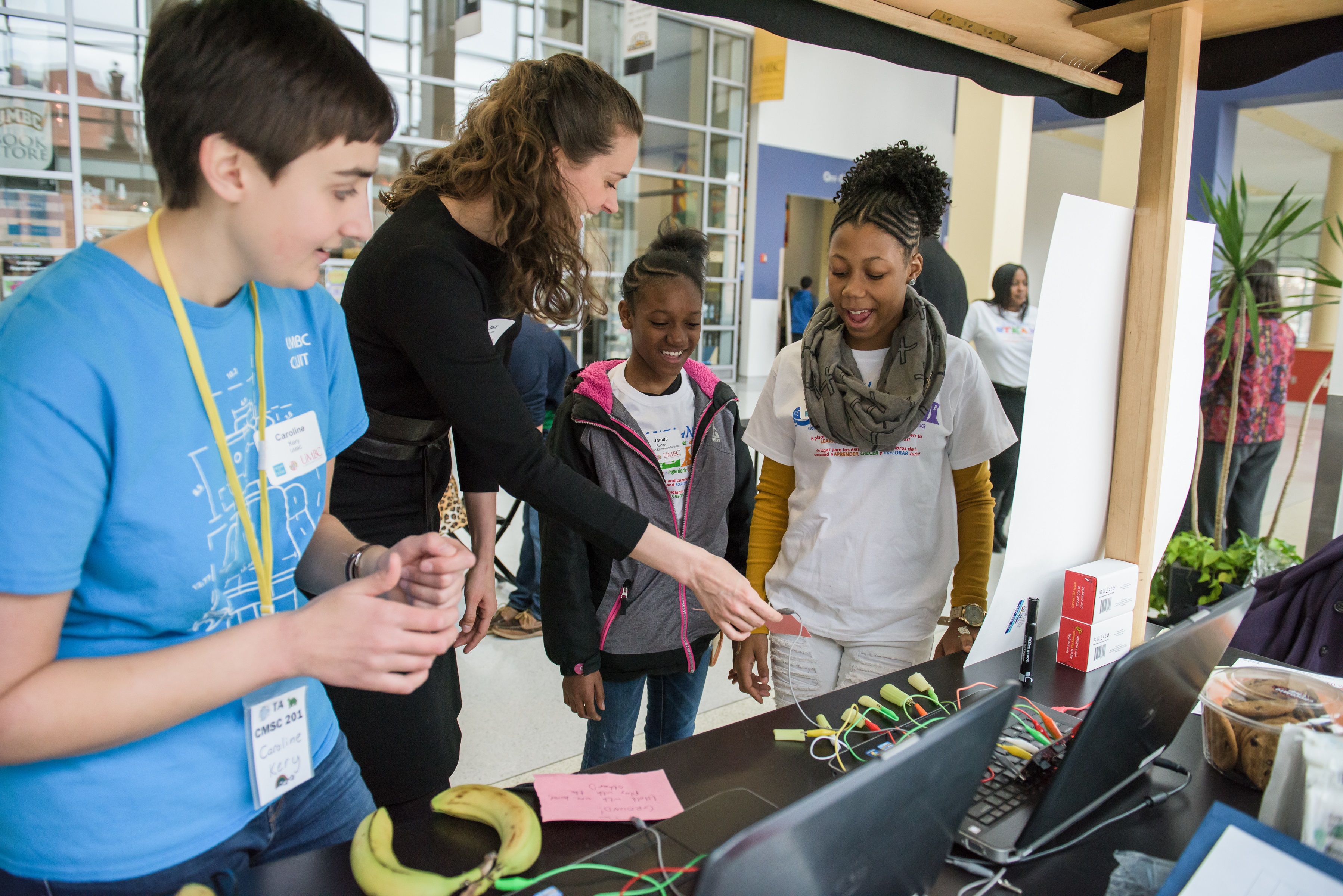
As president of the Computer Science Education Club, Gabrielle Salib led UMBC’s first Hour of Code event to celebrate National Computer Science Education Week. With support from Marie desJardins, associate dean of the College of Engineering and Information Technology, and professor of computer science and electrical engineering, the Hour of Code brought middle school girls from Baltimore City to UMBC for hands-on activities involving circuits and coding.

Salib enjoyed seeing UMBC faculty, staff, students, and community members come together through the event, to explore, learn, and share new experiences, and it inspired her to develop new collaborations and programing focused on diversity in tech. With the Center for Women in Technology, for example, Salib organized a screening and discussion of “CODE: Debugging the Gender Gap in Computer Science.”

Salib’s interest in the intersections of computing, education, and diversity let her to develop her own interdisciplinary studies (INDS) major in human-centered computing. She conducted research with Amy Hurst, associate professor of information systems, in the Prototyping and Design Lab, culminating in a capstone project on Female Engagement in Technically-Oriented Spaces, funded by NSF’s Research Experience for Undergraduates program.

The INDS department has awarded Salib the Zainab Damji Memorial Award for demonstrating leadership, service, and courage on the path to pursuing a career in education. In the fall, she will begin a Ph.D. program in human-centered computing at Drexel University with a focus on child-computer interaction, designing technology that holistically supports child development.

Photos by Marlayna Demond ‘11 for UMBC.

Andreas Seas pursues biomedical engineering M.D./Ph.D. while supporting next generation of diverse STEM students

Andreas Seas
B.S., Chemical Engineering
Summa Cum Laude, Certificate: Honors College
Hometown: Ellicott City, Maryland
Plans: M.D./Ph.D., Duke University

UMBC has provided an environment of brilliant, supportive students who have helped keep me motivated and excited, as well as a team of teachers and advisors who cared about supporting and pushing me.

Andreas Seas’ research interests and passions span all three colleges at UMBC, and have taken him from labs at UMBC and other top research institutions to concert halls and Baltimore City high school classrooms.

Seas was one of three exceptional UMBC students to receive the prestigious Barry Goldwater Scholarship in 2016. He is a Meyerhoff Scholar, MARC U*STAR Scholar, and recipient of a NASA scholarship, and has also completed research with biomedical and surgical faculty at the University of Nebraska Medical Center. His research on the mechanics of the femoral artery and the pathology of peripheral arterial disease led him to publish five peer-reviewed articles and submit seven abstracts to notable professional conferences. 

On campus, Seas has served on the UMBC Honors College Council, coordinating events and projects to complement the Honors College experience. His mentors include Mariajose Castellanos, lecturer of chemical, biochemical and environmental engineering; Jacqueline King, assistant director of the MARC U*STAR Program; Keith Harmon, director of the Meyerhoff Scholars Program; and Simon Stacey, interim vice provost and dean of undergraduate education. His academic achievements have earned his induction into three honors societies: Phi Beta Kappa, Phi Kappa Phi, and Tau Beta Pi.

When not in the classroom or the lab, Seas has served as a mentor in Baltimore’s Medical Education Resources Initiative for Teens (MERIT) Program, which works to support the next generation of diverse healthcare professionals. Connecting with peers, he has worked as a teaching assistant in biological sciences and a learning assistant in physics. Seas also enjoys the arts as a Greek folk dance instructor and as a viola player in the UMBC Community Symphony, where he is an assistant conductor.

In the fall, Seas will pursue joint M.D./Ph.D. degrees with a focus on biomedical engineering at Duke University.

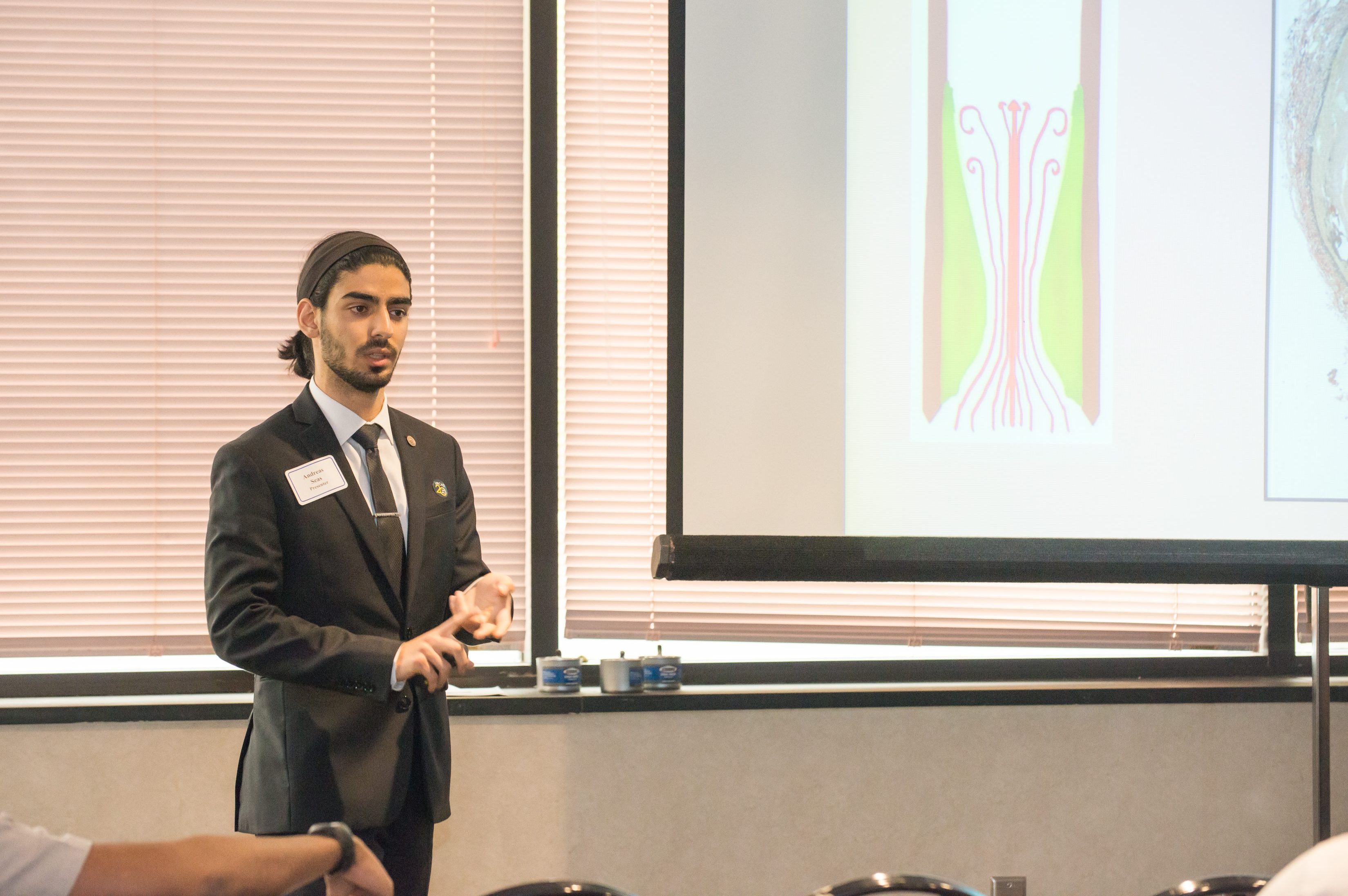
Image: Andreas Seas delivering a speech during URCAD 2016. Photos by Marlayna Demond ‘11 for UMBC.

UMBC’s 2017 NSF Graduate Research Fellows prepare for groundbreaking careers, from environmental engineering to computer science

Three current undergraduate students and one recent alumna have received highly competitive National Science Foundation (NSF) Graduate Research Fellowship Awards for 2017.

Daniel Ocasio ‘17, chemical engineering; Matthew Landen ‘17, computer science; Brandon Enriquez ‘17, economics and mathematics; and Hollie Adejumo ‘16, chemical engineering, all received fellowships.                 

“UMBC is proud to have four of our undergraduate students and alumni chosen for this nationally competitive award — selected from over 13,000 applicants– to support their graduate study that will lead to research-based master’s or doctoral degrees in science and engineering,” said April Householder, director of undergraduate research and nationally competitive scholarships. “Daniel, Matthew, Brandon, and Hollie affirm UMBC’s commitment to the twin goals of undergraduate research and a distinctive undergraduate experience, and we look forward to what they will accomplish in graduate school and their careers.”

Ocasio will use the fellowship funding to support a Ph.D. in environmental engineering at the University of California, Berkeley. He will study chemical contaminants in different kinds of water sources, and will develop technologies to treat the chemicals in the water for reuse applications. His work will include research with graywater, which is water from bathroom sinks, tubs, showers and washing machines. Repurposing both wastewater and graywater for drinking and other uses can help areas affected by water shortages manage water resources effectively.

“Being selected for the NSF GRFP, to me, is reassurance that I am prepared to excel in my graduate studies,” Ocasio said. “This opportunity will afford me freedom in my graduate research to pursue topics that may not otherwise get attention.”

In addition to the NSF GRF, Ocasio received the Ford Foundation Fellowship from the National Academies of Science, Engineering and Medicine. Ford Foundation Fellowships aim to increase faculty diversity at institutions across the United States. Ocasio also received the National GEM Consortium Fellowship, which enables underrepresented minority students to pursue graduate education in science and engineering.

Landen will pursue his Ph.D. in computer science, with a focus on security and privacy issues, at Georgia Tech in the fall.

“By joining this community of scholars, I know I would have the ability to excel in a scientific environment by engaging in collaboration with fellows of diverse experiences to create novel discoveries,” Landen said.

Enriquez will pursue his Ph.D. in economics at Massachusetts Institute of Technology. During his time at UMBC, he particularly values “how I am pushed by mentors to be innovative and creative,” he explains.

Beginning in fall 2017, Adejumo will pursue her Ph.D. in chemical engineering at the University of Michigan. Her research will focus on environmental biotechnology and water quality.

“I am both very humbled and honored to receive the NSF Graduate Research Fellowship,” she said. “This award will provide me with the flexibility and support that I need to pursue my interests and develop my research skillset.”

Adejumo also thanked her research collaborators and mentors, particularly Lee Blaney assistant professor of chemical, biochemical, and environmental engineering. “I attribute my success to their support,” she says.

This year’s range of NSF Graduate Research Fellowship awards continues a strong trend for UMBC. In 2016, six UMBC students and alumni from a diverse set of majors received the fellowship to pursue graduate study at Harvard Medical School and Stanford University School of Medicine, among other leading institutions.

Image: Daniel Ocasio, right, working alongside Lee Blaney, assistant professor of chemical, biochemical and environmental engineering, in the lab. Photo by Marlayna Demond ’11 for UMBC.

Baltimore Sun highlights UMBC programs that prepare students for rapidly evolving careers

The Baltimore Sun’s latest special section on education highlights several UMBC programs designed to prepare students to start or advance careers in new areas that combine the most recent innovations of different fields.

In UMBC’s master of professional studies program in biotechnology, students explore the intersections of science and business, preparing for a rapidly growing biotech job market as well as tech-focused entrepreneurial careers. “The program is a hybrid between an M.S. and an M.B.A.,” explains Sheldon Broedel, assistant graduate program director and instructor in the program.

Stephen Miller, associate professor of biological sciences and director of the biotechnology M.P.S. program, says it is particularly well-designed to prepare professionals who previously studied the sciences to commercialize technologies, start biotech enterprises, or contribute to the growth of existing biotech employers.

“We want their background in science to be a bridge to business,” he says, “and we work to get them placed where they gain experience.” The UMBC Career Center works with current students and recent graduates in their job searches and preparing for interviews.

The Division of Professional Studies continues to expand its degree offerings, with plans to launch additional programs in fall 2017. A new M.P.S. program in technical management is designed for professionals with 3 – 5 years of experience who want to develop strong leadership and communications skills. 

UMBC’s media and communications studies (MCS) program, highlighted in another Sun article in the issue, also focuses on an interdisciplinary approach to a field experiencing rapid technological advancement. MCS exposes students to current expertise in journalism, multimedia production, public relations, marketing, and even theater.

Donald Snyder, senior lecturer of MCS, notes, “We believe that flexibility is key to any interdisciplinary major, so we focus on larger debates and theories in mass communication and then bridge those ideas to practical applications.”

Snyder explains that all students majoring in media and communications studies must also complete an internship. He helped Giselle Nakpil ‘19, MCS, find an internship with the Institute for Public Accuracy, which gave her a window into media and communications related to politics and policy, new areas for her.

Yao Adantor ‘14, industrial psychology, was also featured in The Baltimore Sun’s special section on education, discussing his current M.P.S. program at the Maryland Institute College of Art.

Read the full articles in The Baltimore Sun’s special section on education.

Image: UMBC library. Photo by Marlayna Demond ’11 for UMBC.

START and SFF awards support UMBC faculty pursuing research in new directions

The Office of the Vice President for Research has awarded Strategic Awards for Research Transitions (START) and Summer Faculty Fellowship (SFF) awards to 24 UMBC faculty representing a broad range of departments across all UMBC colleges. START awards offer up to $25,000, beginning in July 2017, to faculty who wish to pursue new areas of research and compete more effectively for external funding and support. SFF awards offer up to $6,000 to non-tenured, tenure-track faculty pursuing research and projects during the summer.

Chris Swan, professor of geography and environmental systems, was awarded START funding to study the role of plant diversity in ecosystem services on urban vacant land. He is interested in understanding which native plants existed in Baltimore before modern seeding practices in the City began, and how plants native to Maryland can thrive in urban settings.

“Resources from the START award will go a long way in supporting our research into answering questions about how best to green vacant land in Baltimore City in order to meet sustainability action goals,” says Swan.
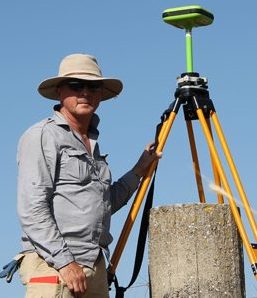
Michael Lane, assistant professor of ancient studies, will use START funding to study Mycenaean Northeast Kopaïs stratigraphy, adding to a body of research on the chronology of mainland Greece, the Greek islands, and the west coast of Turkey during the Late Bronze Age in the Aegean period. Lane will collaborate with the Hellenic Ministry of Culture and Sports in Greece.

Aaron Smith, assistant professor of chemistry and biochemistry, received START and SFF funding to study how infectious bacteria gain iron, which is essential for the organisms to grow in the human body. His research may have impacts for people with gingivitis and cystic fibrosis.

“The UMBC START and SFF awards are invaluable to myself and my laboratory, as it provides us with funding for additional lab equipment necessary to decipher the atomic-level details of iron-transport proteins that are utilized by pathogenic bacteria to establish infection within human hosts,” Smith explains. He adds, “the return on investment to UMBC of this award should ultimately prove high, as the START funding mechanism will allow us to generate a critical mass of results necessary to bring in greater external funding to support our research program for the long term.”

Ed Larkey, professor of modern languages, linguistics and intercultural communication, was awarded START funding to study the transcultural orbit of Israeli television through the adaptation of a comedy series. Larkey will use a combination of quantitative and qualitative data to study that ways heterosexual couples’ private interactions are depicted in modern Israeli society.

Corrie Parks, assistant professor of visual arts, will use START funding to create Black Butterfly, a multi-media work of art that will help viewers visualize the impact violent crime can have on communities. She will use statistics from a Baltimore City homicide map from 2017, and develop an animated portrait of a single grain of sand to represent each point on the map.
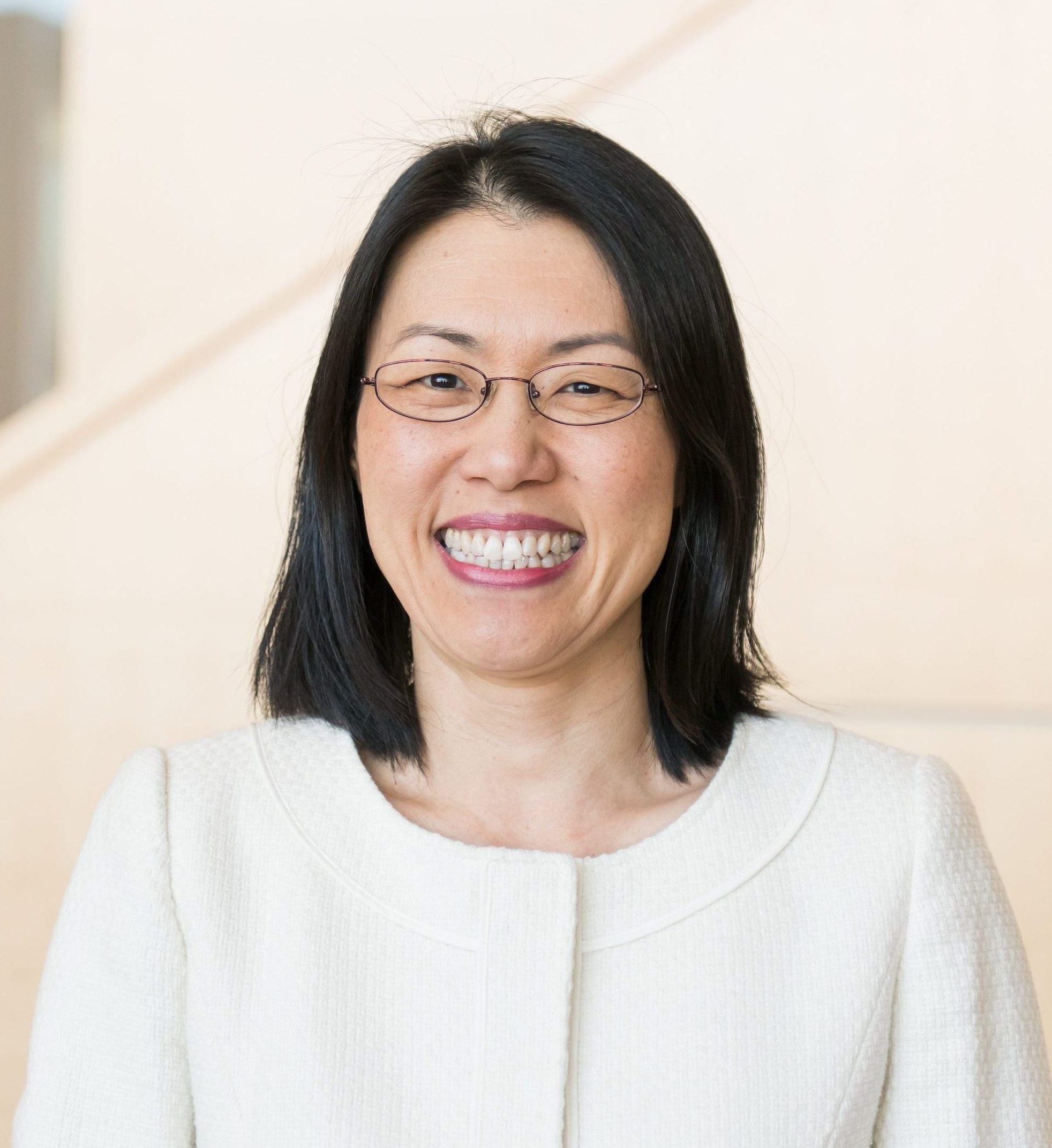
Sarah Shin, professor of education and special assistant to the provost for academic initiatives, was awarded START funding to study student and volunteer success through an intergenerational partnership. Volunteers from the Charlestown Retirement Community will tutor students at Lakeland Elementary/Middle School who are struggling with learning English. Shin will assess whether the students show gains in their literacy skills, and will examine what the tutors gain through the partnership. 

Deepa Madan, assistant professor of mechanical engineering, will use START and SFF funding to design and produce “a flexible generator that runs on waste heat and generates enough power to replace batteries used in wireless sensor networks.” She explains that the funding will allow her to enhance the properties of the thermoelectric materials.

“An important objective of my current research is to generate necessary data to demonstrate my readiness for undertaking externally funded major projects,” says Madan. “With the support of START and SFF awards, it now appears realistic that I will start writing these grant applications as soon as this summer.”

Brian Kaufman, assistant professor of music, received START funding to conduct research on and release recordings of three pieces composed by newer artists in wind ensemble music. Kaufman will work with each composer, a recording team, and the UMBC Wind Ensemble to complete the project.

Tom Cronin, professor of biological sciences, will study the brains of mantis shrimp, known for their highly complex sense of vision and unique behaviors.

Peggy Reassociate professor of visual arts, will use START funding to support a portion of “A Designed Life,”  an exhibition that re-creates and interprets three Cold War-era traveling displays of
contemporary American designed and manufactured goods that were commissioned by the U.S. Department of State in the early 1950s. The displays were presented in West German venues as part of a propaganda campaign to showcase the superior lifestyle choices, built environments and affluence of the United States.

associate professor of visual arts, will use START funding to create “A Designed Life,” an exhibit made out of containers and packaging materials. The exhibit, which will open at UMBC’s Center for Art Design and Visual Culture in October 2018, will show the possible political connections to people and their activities, experiences, needs, desires and attitudes.

Bedrich Sousedik, assistant professor of mathematics and statistics, will use SFF funding to develop algorithms to address problems in physical sciences and engineering that can be modeled by partial differential equations. Sousedik works to develop new methods that use computers to solve the equations using computers.

Christopher Tong, assistant professor of modern languages, linguistics and intercultural communication, received SFF funding for the project “Torrents of Revolution: The Writing of Environmental Disasters in Modern China, 1930-1949.” Tong will study highly complex environmental disasters in early 20th-century China through literature, environmental history, and disaster studies.
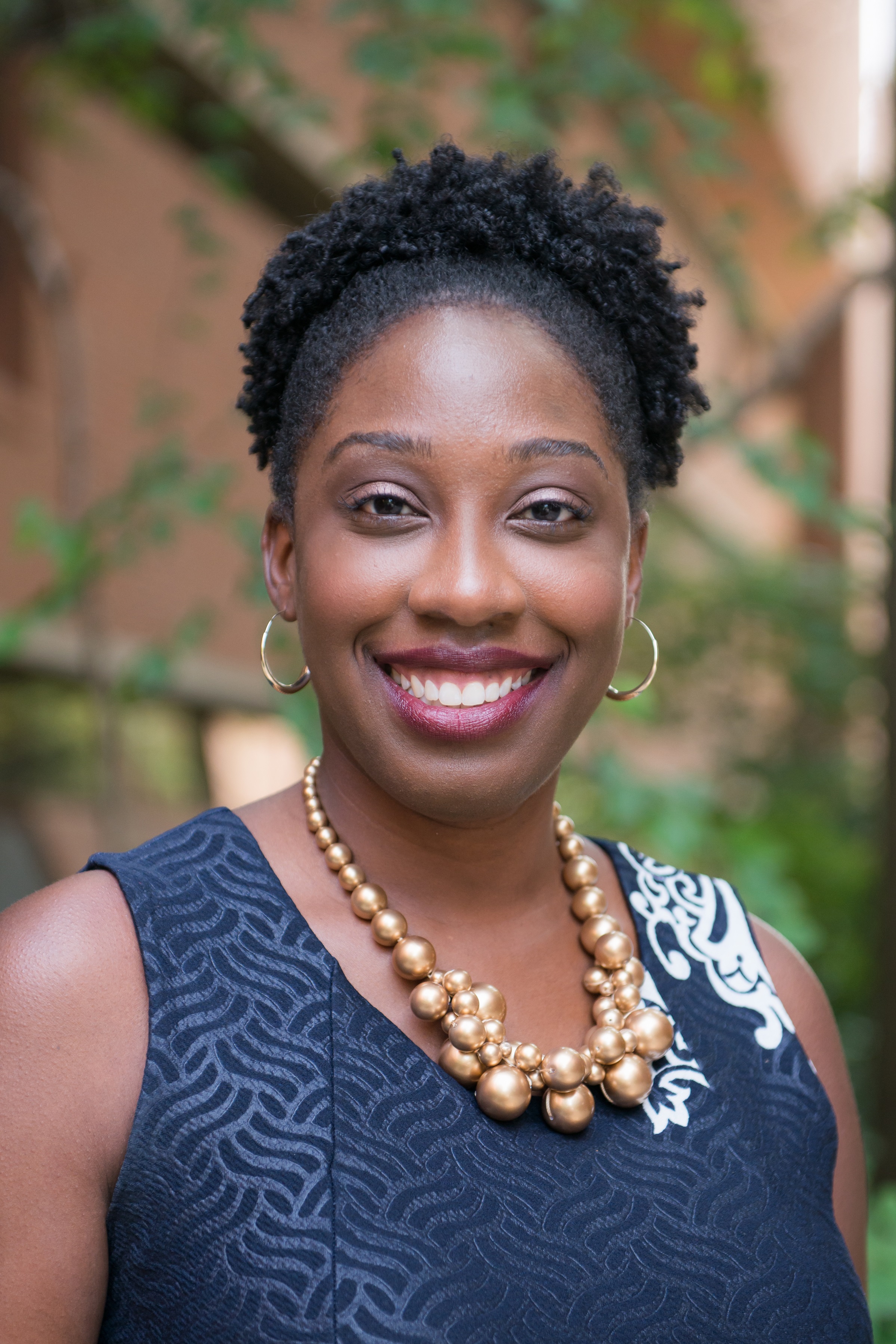
Keisha Allen, assistant professor of education, received SFF funding to examine the racial literacy of teacher candidates and high school youth. She will design curricula and study how storytelling can support the racial literacy of teacher candidates.
Daniel Lobo, assistant professor of biological sciences, will use SFF funding to create computational framework to improve the production of biofuels and chemicals. The optimized design will be part of a comprehensive pipeline for biofuel production using bacterial and yeast species.

Greg Szeto, assistant professor of chemical, biochemical and environmental engineering, was awarded SFF funding to develop self-engineering drugs that can quickly break into the outer surface of immune cells to enhance the function of these cells in patients who are using immunotherapy to combat cancer.

Jane Arnold Lincove, associate professor of public policy, will use SFF funding to study how charter schools affect student achievement and teacher retention rates in Maryland. This will be the first study of charter schools in Maryland, where traditional public schools with unionized faculty and charter schools coexist by state law.

Jennifer Callaghan-Koru, assistant professor of health administration and policy, will study the validity of client exit interviews to assess programs. The SFF funding will allow Callaghan-Koru to develop methodologies for monitoring programs.

Jules Rosskam, assistant professor of visual arts, will use SFF funding to create “Paternal Rites,” an essay film that explores the unique challenges facing American families through personal narrative. The film will explore addiction, abuse, and mental illness through some of Rosskam’s historical family narratives and will incorporate the context of the interstate highway system as a factor impacting family and community structure and access to resources.

Maria Bernedo Del Carpio, assistant professor of economics, will use SFF funding to study the long-term effects of water conserving technologies.
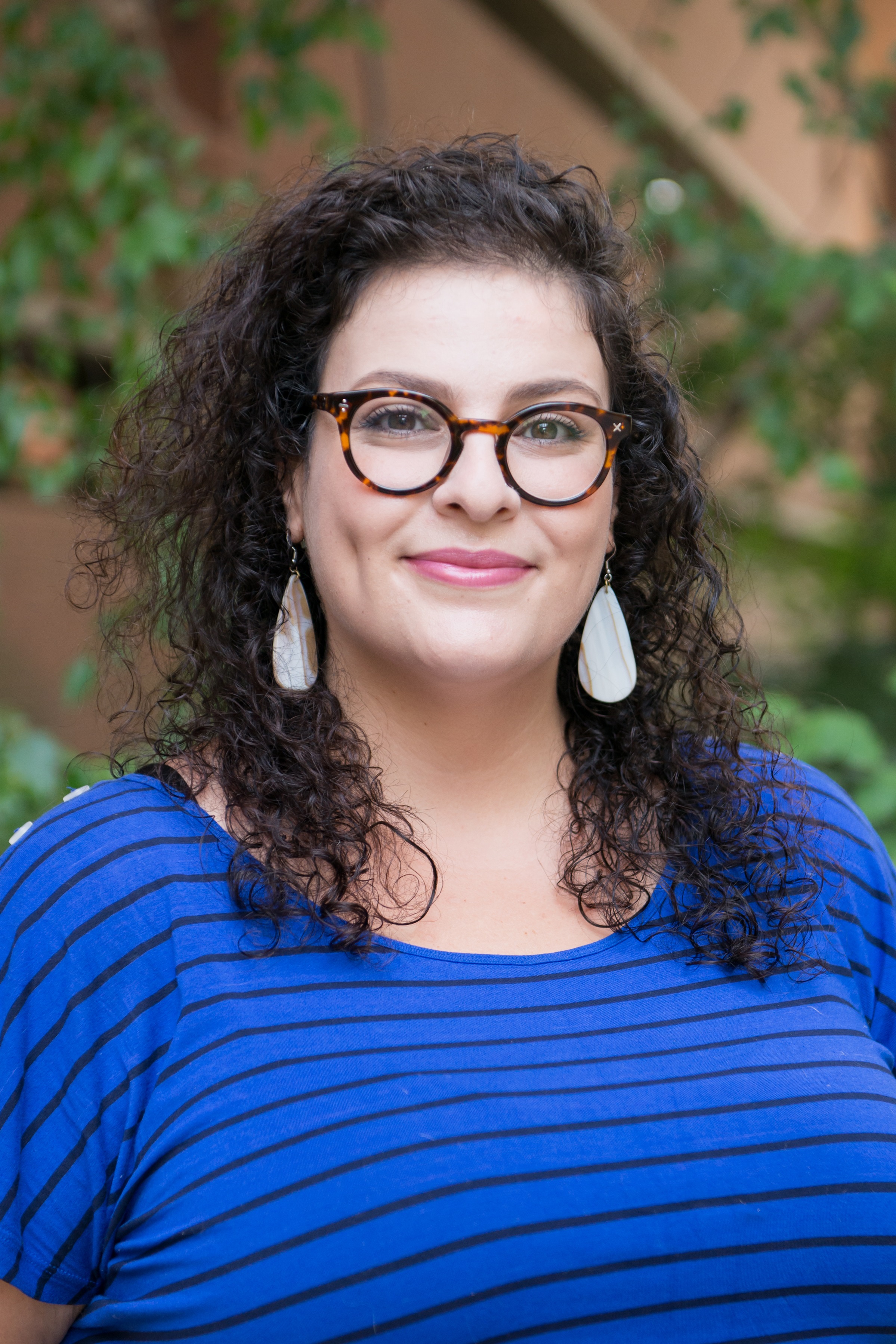
Mejdulene Shomali, assistant professor of gender and women’s studies, was awarded SFF funding to study how femininity and sexuality is represented in Arab and Arab American literature and art. She is interested in how Arab and Arab American writers and artists are struggling against racism and Orientalism to represent Arab cultures in their work.

Naghmeh Karimi, assistant professor of computer science and electrical engineering, was awarded SFF funding to study the stability and aging resiliency of physical systems that can be evaluated but are challenging to predict.

Nianshen Song, assistant professor history, will use SFF funding to continue researching the histories of the Sino-Korean boundary and the Korean diaspora community in China for his book project, “Transforming Frontier in East Asia: the Tumen River Demarcation, 1880-1919.”

Nkiru Nnawulezi, assistant professor of psychology, was awarded SFF funding to research the health and resource needs of intimate partner violence survivors whose partners are in abuser intervention programs.

Shimei Pan, assistant professor of information systems, received SFF funding to study self control and impulsiveness of people by using social media analytics to monitor their behavior on social media, such as Facebook posts and likes.

For more information about UMBC’s START and SFF programs, visit the UMBC Research website.

Banner image: Daniel Lobo. All photos by Marlayna Demond ’11 for UMBC.