Degree: B.A., Global Studies Hometown: Bowie, MD Post-grad plans: Multimedia content creation for a global humanitarian organization
Jennifer Boateng is ready to take on the world, with a supportive community cheering her on. Boateng joined UMBC with a love for the creative process and interest in designing solutions for people who were also living with sickle cell disease. Later, she was drawn to global studies to explore other approaches to having a global impact through creative work.
Boateng decided to pursue a global studies major with minors in entrepreneurship and visual arts (focusing on cinematic arts), combining methods from a broad range of fields. These approaches also introduced her to the concepts of cultural sustainability and comparative justice, preparing her to find new solutions to both old and new problems and reach a wide and diverse audience.
During a seven-year journey to graduation, Boateng developed an awareness of the importance of investing time in relationships and listening as a crucial skill in creating content that is relevant to the intended audience. She could often be found having deep conversations with faculty, peers, and staff. She strongly believes in the power of human connection and encouragement, celebrating others’ successes, lending a friendly ear during challenging times, and drawing from helpful support and guidance when needed.
Boateng shares that the kindness of this community made it possible to manage the complex challenge of balancing college life and longer-term goals while dealing with sickle cell disease, even when taking classes in the hospital. She feels that it has taken a village for her to complete her undergraduate journey and she is grateful for all the faculty and staff at UMBC and her family and friends, who she says went above and beyond to make it happen. She wants anyone who is facing adversity to know that with the right support, they can graduate, no matter how long it takes or what challenges they encounter
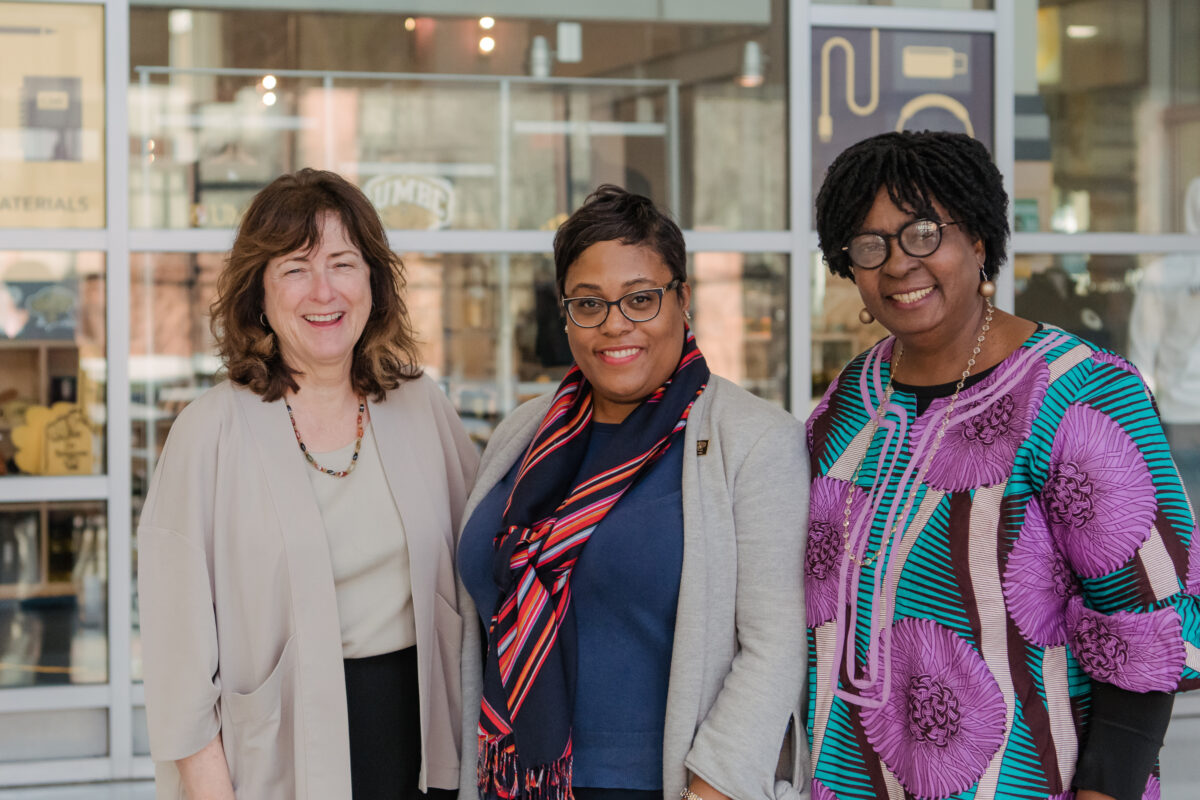
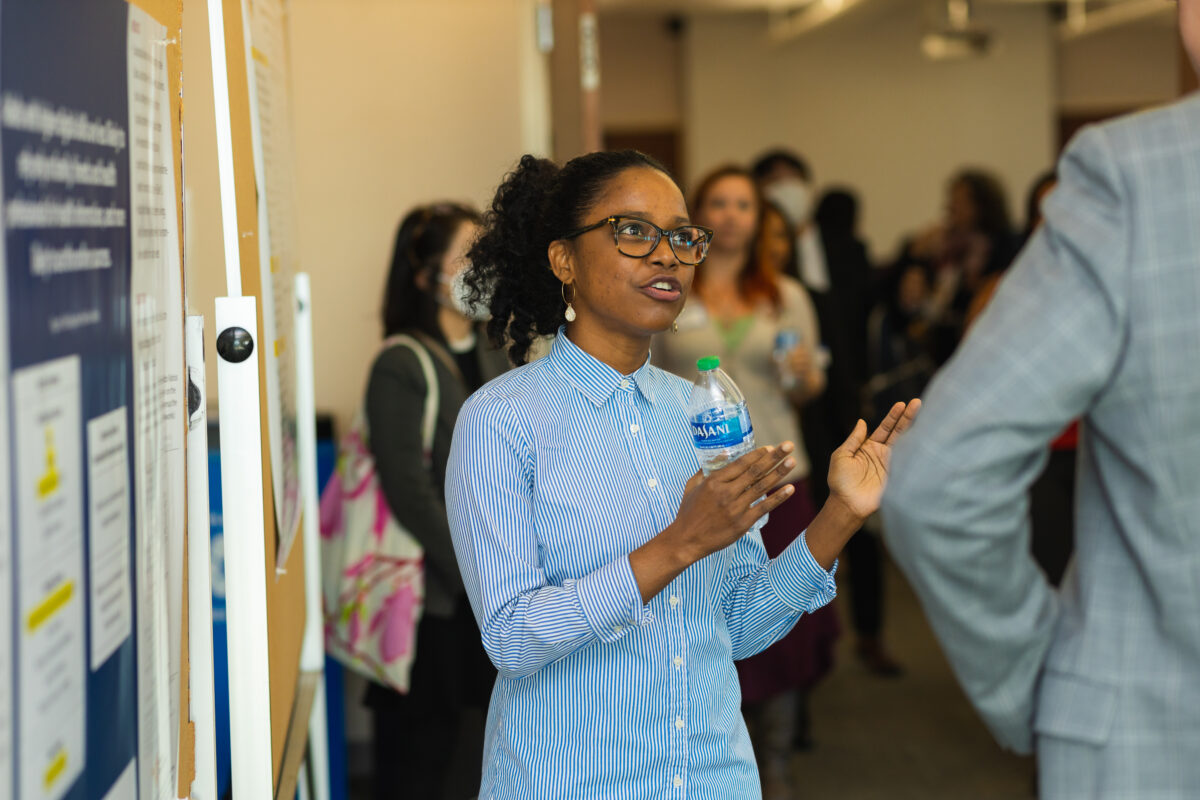
Jennifer Boateng and Brigid Starkey. (Marlayna Demond ’11/UMBC)
Has there been a mentor or fellow student who influenced your time at UMBC?
“Brigid Starkey, principal lecturer of political science and director of the global studies program, has been my biggest cheerleader. Right from the very beginning, she was determined to help me and shared valuable insights about my courses that shaped my path in an incredible way. She helped me not to give up, even though it took me seven years to get to the finish line.”
What has been the best part of your UMBC experience?
“I have appreciated the small classes. I thought I would only have large lecture classes and wouldn’t have an opportunity to connect, not only with the professor, but with the other students in the classroom. We were encouraged to share our different perspectives on things that were happening around us, like racial issues, police brutality, and politics.”
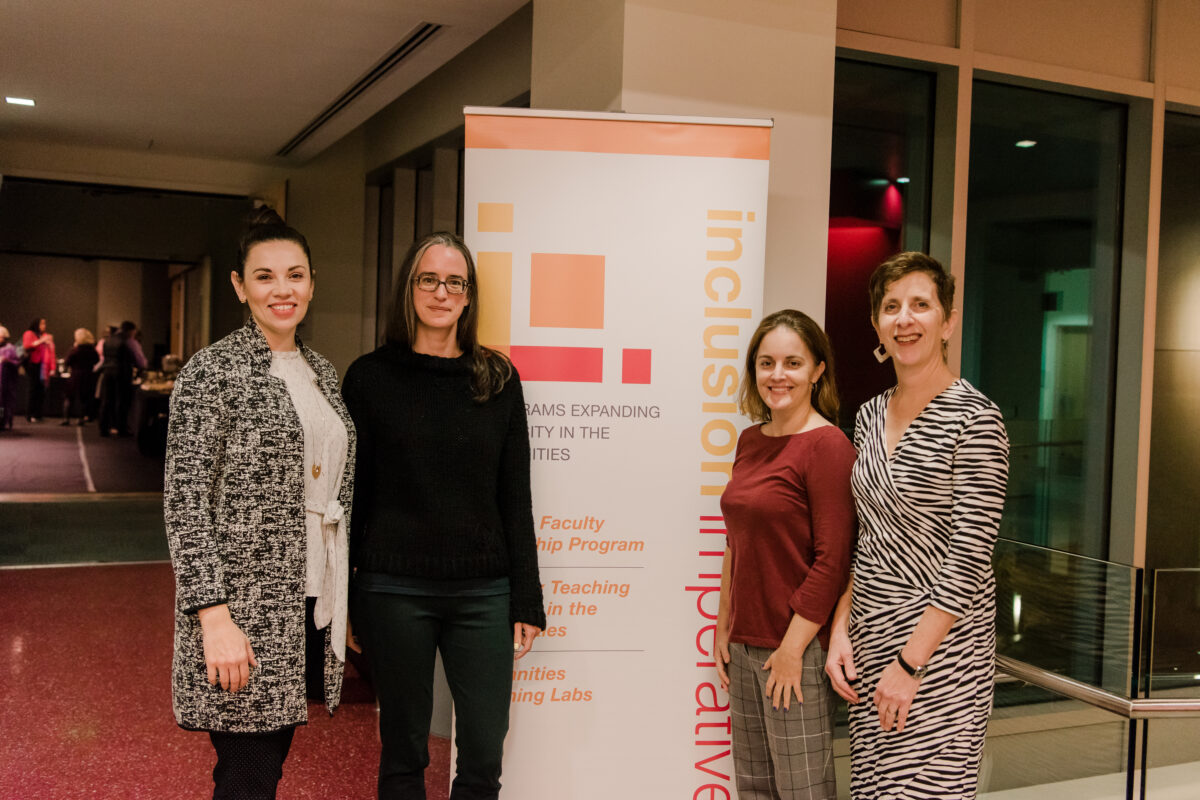
The Inclusion Imperative is a six-year initiative funded with a $750,000 grant from the Mellon Foundation. Run by the Dresher Center, the Inclusion Imperative promotes diversity and inclusion in the humanities in partnership with Bowie State University, Coppin State University, and Howard University. The initiative has supported cutting-edge humanities-centered inclusive practices and community collaborations in the Mid-Atlantic, with the goal of creating a national ripple effect.
From left to right: Lindsay DiCuirci, associate professor of English, director of the English Honors program at UMBC, and the director of the HT Labs; former Faculty Visiting Fellow Elizabeth Groeneveld, associate professor and chair of women’s and gender studies at Old Dominion University; former Faculty Visiting Fellow Tracy Perkins, assistant professor in the School of Social Transformation at Arizona State University; and Jessica Berman, director of the Dresher Center and professor of English; gender, women’s, and sexuality studies; and language, literacy, and culture. Both Groeneveld and Perkins have since completed and published the projects they worked on during their fellowships. (Marlayna Demond ’11/UMBC)
The Visiting Faculty Fellows Program has welcomed 14 full-time faculty from area universities to join UMBC for a semester or year as residential research fellows. The Diversity Teaching Network has brought together visiting fellows, UMBC faculty, and other interested scholars to work on curricular and civic-engagement projects. Through HTLabs, faculty, staff, and students have practiced innovative humanities-centered approaches to teaching and learning, from decolonizing assessments to teaching with the Smithsonian Learning Lab.
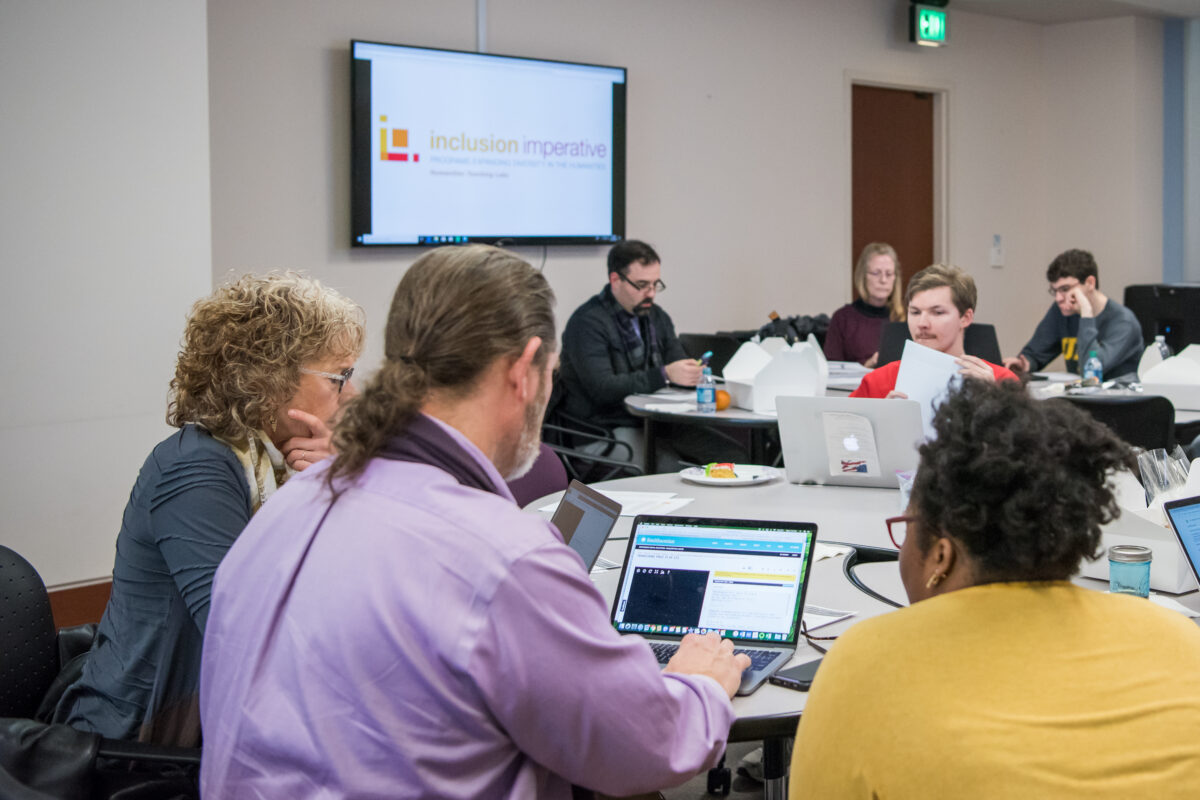
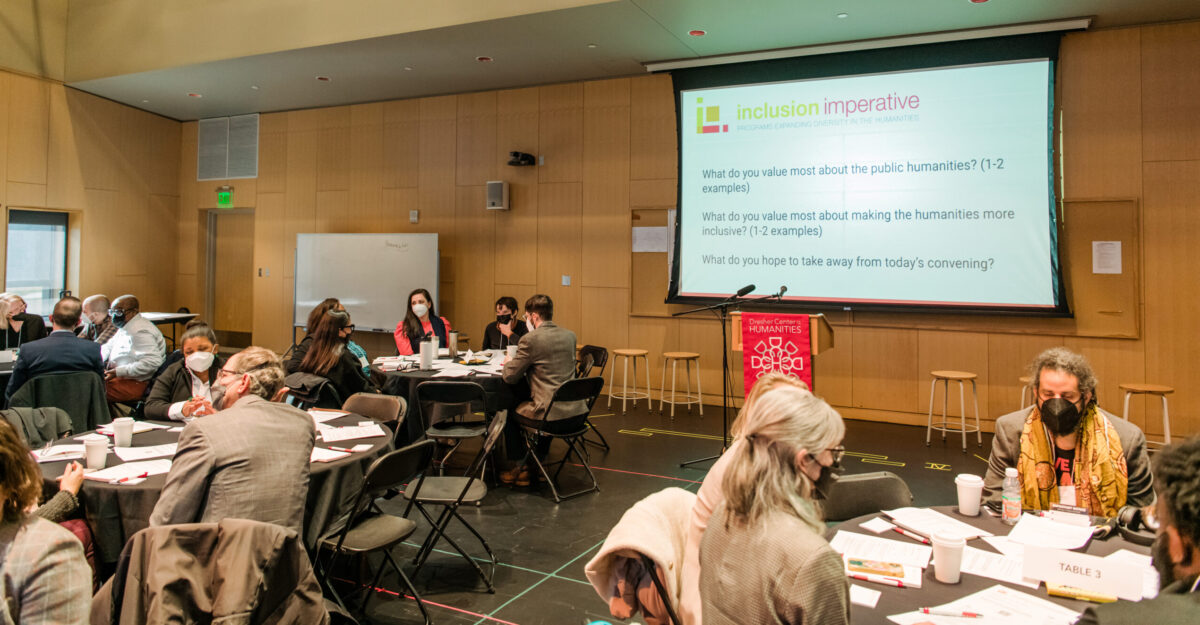
At the convening this spring, faculty and staff from institutions across the Mid-Atlantic gathered to share their approaches to community-engaged humanities research, teaching, and learning focused on race, equity, inclusion, and social justice issues.
Jill Vasbinder, adjunct instructor of dance at UMBC, at left, discusses humanities music and dance topics with Scott Muir, director of undergraduate initiatives at the National Humanities Alliance. (Marlayna Demond ’11/UMBC)
Building teaching and learning communities
Colleagues from University of Lynchburg, Community College of Baltimore County, Lehigh University, DewMore Baltimore, and Bard High School Early College-Baltimore presented on topics such as public humanities curriculum development, LGBTQ+ histories and resources, and poetry by local students.
UMBC faculty also shared several high-impact projects.Sarah Fouts, assistant professor of American studies and assistant director of the public humanities minor, spoke about her ongoing work with the Baltimore Field School 2.0. Earl Brooks, assistant professor of English, reported on his course Sounds Like Social Justice, redesigned through support from an Inclusion Imperative/HT Labs Course Transformation Grant.
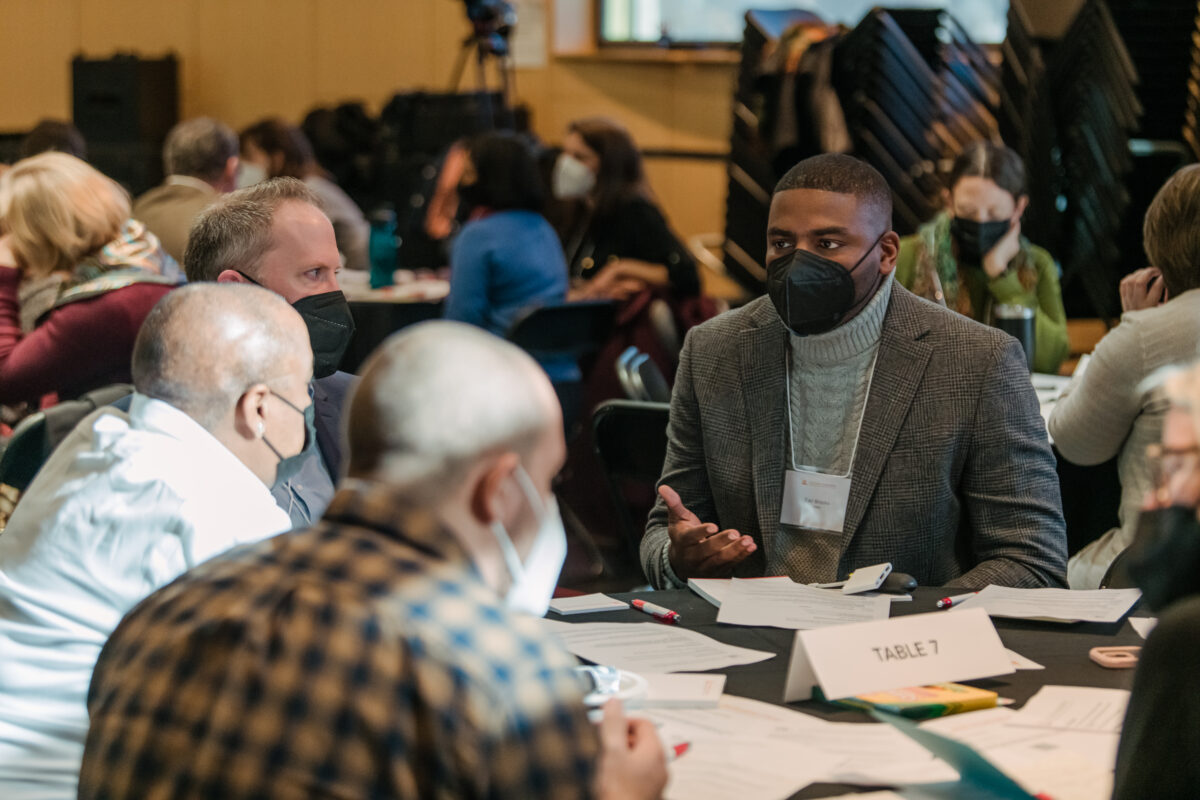
Earl Brooks speaking with Steven Park, faculty director of Community-Engaged Learning and Scholarship and assistant professor of English at Loyola University Maryland (on Brooks’s right); Tanya Saunders, associate professor of language, literacy, and culture at UMBC (middle); and Michael Casiano, assistant professor of American studies at UMBC (directly across from Brooks). (Marlayna Demond ’11/UMBC)
The funds provided recording equipment for students to work in collaboration with the Meadow Community Fellowship Church in Catonsville’s Beechfield and Irvington communities to document their experiences during and after the 2016 and 2018 floods in the “Underwater/Underserved” podcast (as shared in The Baltimore Banner). “What most people don’t know is that all that water flows downhill into the Irvington and Beechfield community, which is a little more than a mile from UMBC,” explains Brooks. The class created “Underwater/Underserved” podcast about flooding in the Irvington and Beechfield neighborhoods in Baltimore, MD.
The grant included funding for students to work on interview skills with Rona Kobell, science editor and writer with Maryland Sea Grant. Brooks explains, “I wanted my students to tell a story about the ways that the church community was underserved as a way of thinking about the role of sound in storytelling.”
Disability justice
Also at the event, faculty from La Salle University, University of Delaware, and Bowie State University shared insights into how diversity, equity, inclusion, and accommodation (DEIA) have become central to their humanities practice. To emphasize the role of accessibility and accommodation, leaders of two UMBC faculty working groups presented their ongoing work related to disability justice.
Dresher Center Disability Studies faculty working group leaders Drew Holladay, assistant professor of English, and Sharon Tran, assistant professor of English, discussed the disability justice movement and the pitfalls of ableist institutional policies that limit student and faculty engagement and success.
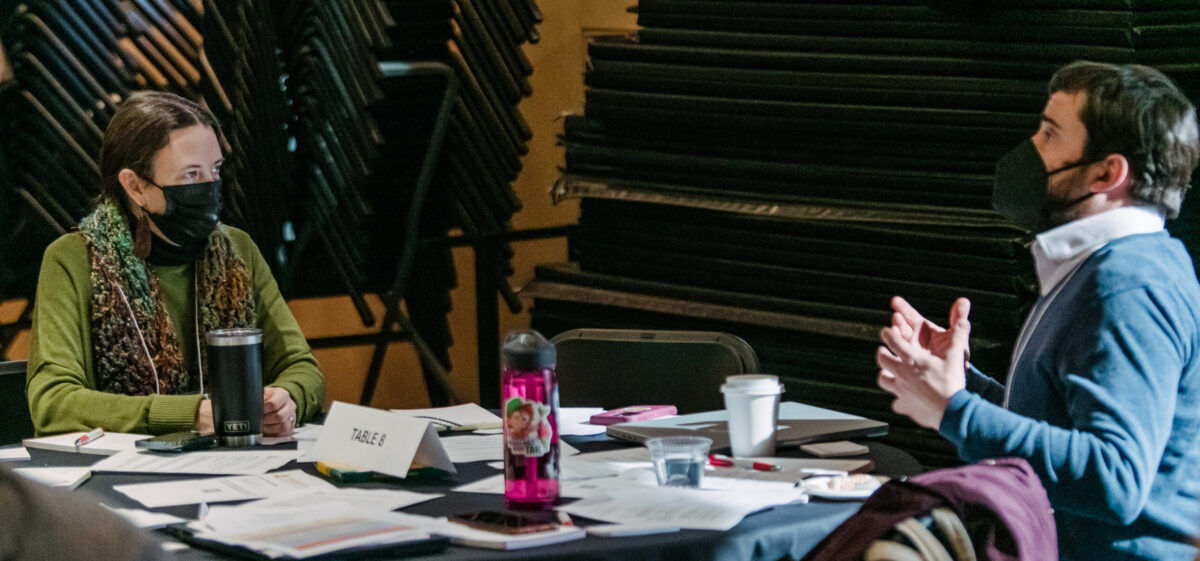
UMBC faculty Sharon Tran, Elizabeth Patton, Lindsay DiCuirci, Sarah Fouts, and Drew Holladay gather at at the Inclusion and Public Humanities convening, at the table closest to the podium. (Marlayna Demond ’11 /UMBC)
Disability justice does not equal accessibility, especially in the way that it is institutionally defined, and it does not equal DEIA, Holladay suggested. The way he prefers to approach disability justice is to center his research and classroom practice as examples of disability justice, not as a topic that is part of the curriculum.
Tran explained strategies to implement disability justice in the classroom. “We need to think of how we can [adjust] the normative clock in the classroom to better accommodate disabled students rather than forcing those students to meet those temporal pressures,” she said.
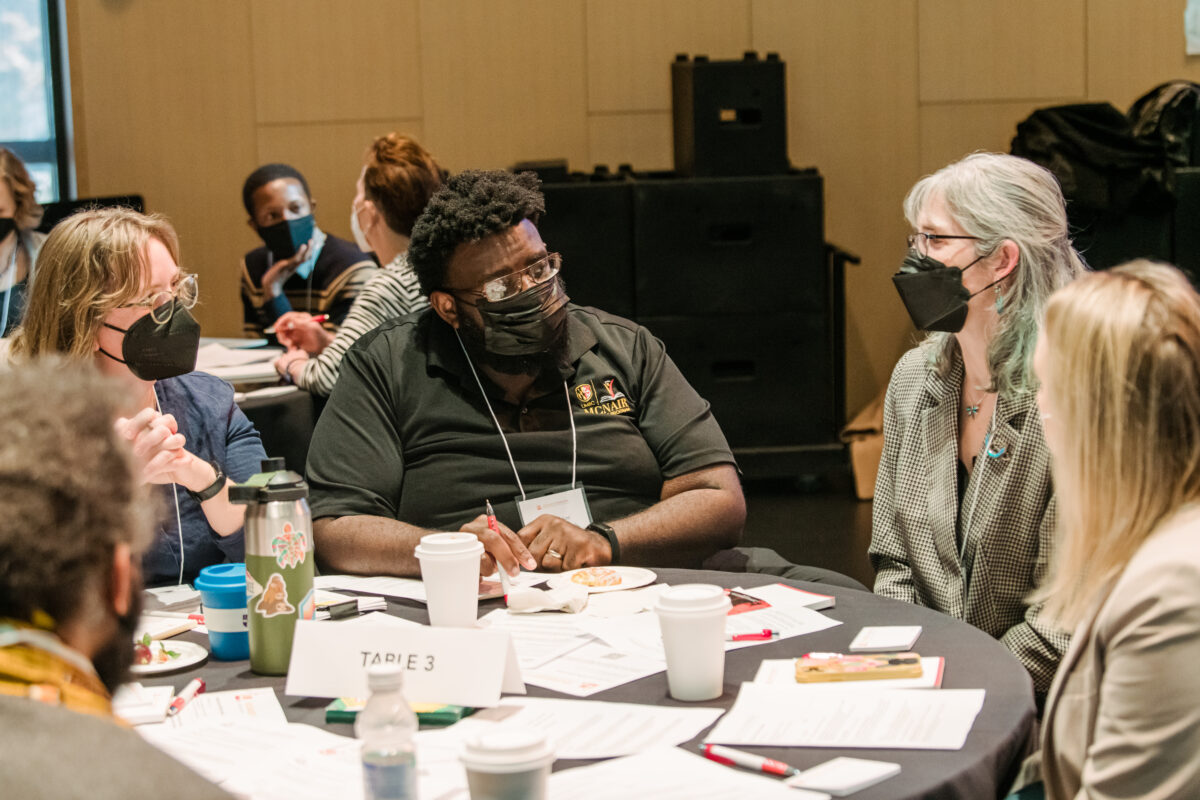
Members of the Anti-Racism and Our Actions faculty and staff working group, Michael Hunt, director of UMBC’s McNair Scholars Program, and Amy Tondreau, assistant professor of education, talked about their work to demystify, destigmatize, and magnify anti-racist practices in the academy and in K-12 education.
Michael Hunt (center) with colleagues from UMBC and partnering institutions. (Marlayna Demond ’11/UMBC)
Leading a national conversation
Although the Inclusion Imperative’s formal programming will come to a close this summer, the work itself will continue in several ways. Many of the program’s participants will gather again in June for the 11th International Digital Storytelling Conference, hosted by UMBC in partnership with Montgomery College and the Smithsonian Institution.
“I firmly believe that the humanities offer us crucial tools for addressing pressing issues of civic life,” says Berman who presented this work in partnership with the NHA at the 2023 NHA annual meeting. “Now more than ever, we need the tools of the humanities to advance local and national conversations about our history, our identities, and our common future.”
Degrees: B.S., Biochemistry and Molecular Biology; B.S., Biological Sciences; B.A., Philosophy Hometown: Derwood, MD Post-grad plans: Graduate school
Embracing all of the academic and social opportunities UMBC has to offer has been Avi Newman‘s approach to undergraduate life. He was originally scheduled to graduate sooner, but when complications from COVID extended his time at UMBC, he decide to take that as a chance to expand his learning, completing majors in biochemistry and molecular biology, biological sciences, and philosophy, plus minors.
He has pursued challenging research projects with chemistry faculty, supported peers as a chemistry and biological sciences teaching assistant, and held almost every leadership position in the UMBC Chemistry and Biochemistry Council of Majors. Appreciating the value of support, he has also served as a peer tutor with the Math and Science Tutoring Center and the Academic Success Center, sharing that he particularly enjoys helping fellow students learn and gain an appreciation for science.
Beyond academics, Newman has found meditation as a strategy to keep his mind and life grounded. He appreciates the art of teaching his brain to focus, to be mindful and cognizant of what is going on around him. Newman sees meditation and philosophy as having a reciprocal relationship, where both teach about having a broader outlook on life, to remain humble, and to remain open to different possibilities.
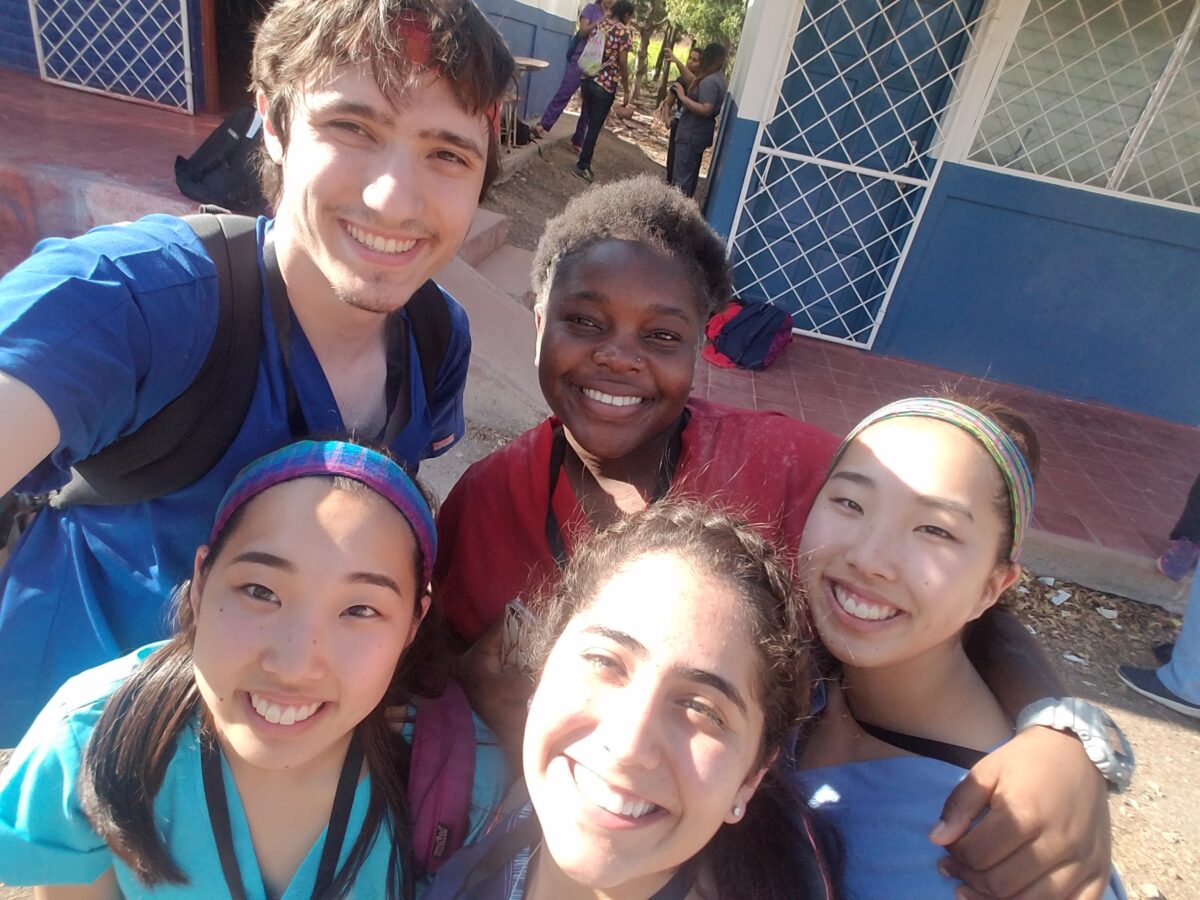
Newman has also volunteered with groups like UMBC’s chapter of Global Brigades, which enables students to provide public health support to communities worldwide.
Avi Newman with Global Brigades partners. (Photo courtesy of Newman)
Is there a particular academic achievement you’re most proud of?
“Introduction to moral theory was the first philosophy course I took at UMBC. It gave me such a different world view and outlook about how people think about their goals and their frame of mind. I began with a few classes then decided to do a certificate, then a minor, and finally decided to make it one of my majors. I loved philosophy of science with Jessica Pfeifer, associate professor of philosophy, so much that it became my focus area, along with philosophy of logic and probability. What guides me in philosophy, in science, and in life in general is that I’m a person who is always asking questions.”
Has there been a mentor or student who influenced your time at UMBC?
“There have been many, including my research advisor Songon An, associate professor of chemistry and biochemistry. He has been very influential on my growth as a scientist by giving me a ton of opportunities to explore different areas of research and work in his lab to help prepare me for graduate school. He has also helped me learn how to focus my energy and has been very supportive helping me work through personal hurdles.
Allison Tracy, senior lecturer in chemistry and biochemistry; Sarah Leupen, principal lecturer in biological sciences; and Daniel Jenkins, philosophy instructor, have helped me through some very rough times and given me the inspiration of how I want to be as a professor and a teacher for students of all different backgrounds, different knowledge levels, and abilities. Elizabeth Stanwyck, principal lecturer of mathematics and statistics, helped me connect a wide variety of statistic material.
Whitney Schwab,associate professor of philosophy, made ancient Greek and Latin come alive; and Blake Francis, assistant professor of philosophy, taught macabre topics like climate change ethics and ethics concerning rights of the dead in a sensitive and engaging manner. All of these faculty are so knowledgeable, kind, and passionate about teaching and helped shape my understanding of the world around me.”
Newman with friends at UMBC’s Hispanic Latino Student Union formal event. (Photo courtesy of Newman)
Degree: B.S., Social Work Hometown: Montgomery County, MD Post-grad plans: M.S.W., University of Maryland School of Social Work
A Universities of Shady Grove (USG) Kendall Scholar, Beatriz Soriano Luna has worked to develop the knowledge, skills, and network needed to serve as a successful clinical social worker and a leader in her field.
Soriano Luna came to UMBC ready to pursue a career in service after earning her associate’s degree at Montgomery College in American Sign Language. She found clinical social work the ideal path to meet her interests in child and family psychology and human rights. During her senior year, Soriano Luna earned a highly competitive internship for senior social work students at the Title IV-E Education for Public Child Welfare Program, a partnership the Maryland Department of Human Resources that prepares social work students for public child welfare practice. She will continue the internship as a graduate student.
While making the dean’s list every semester, working as a caretaker, and completing a field placement with the Prince George’s County Family Preservation Unit, Soriano Luna also supported fellow students. She mentored more than two dozen current students as a member of the UMBC at USG’s Peer Advisory Team. She has also helped organize and facilitate events to connect incoming students with resources offered at USG.
In the summer of 2022, she led the Social Work in Action summer program in collaboration with Katie Morris, Ph.D. ’21, language, literacy, and culture, and director of the social work undergraduate program at USG. She also volunteered in UMBC’s Volunteer Income Tax Assistance program which offers free tax return preparation assistance to low income households.
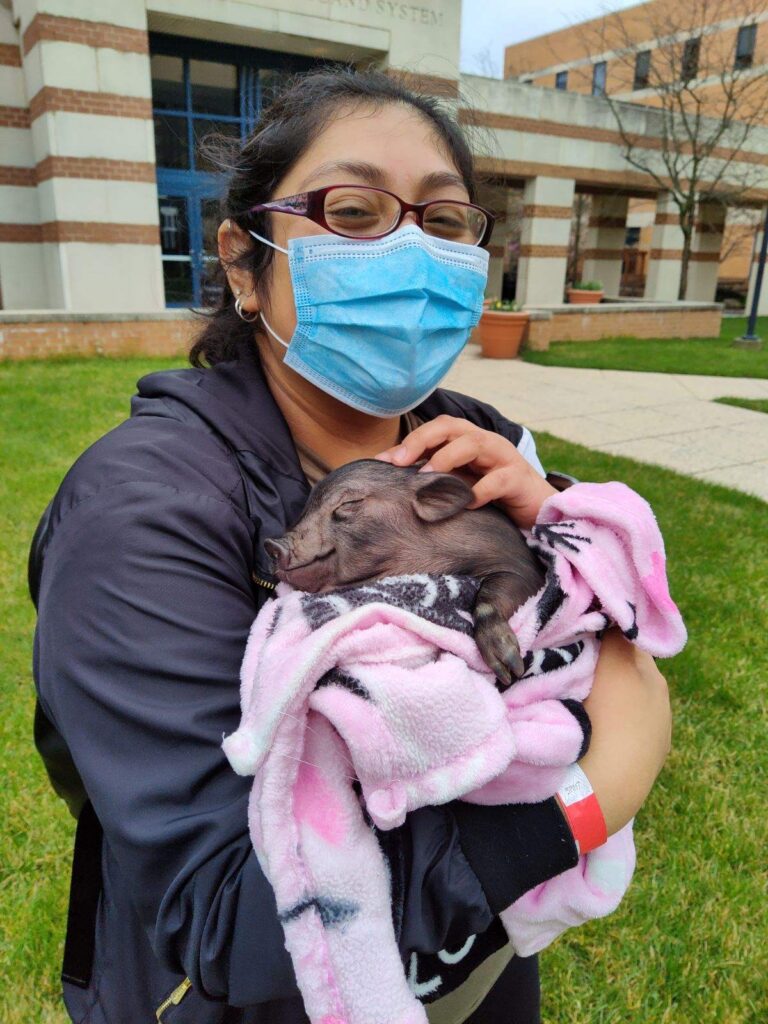
Beatriz Soriano Luna at the USG student fair petting zoo. (Image courtesy of Soriano Luna)
Has there been a mentor or fellow student who influenced your time at UMBC?
“M. Nicole Belfiore, clinical instructor of social work, has been an amazing Kendall Scholar mentor and teacher. I had to write a lot of research papers and Dr. Belfiore gave me a lot of feedback to improve my writing for a professional audience. Now I get a lot of compliments about my writing. She was also my research and policy instructor and introduced me to legislative action. I had no idea that social workers could have such an important role in influencing national policy. This realization was really crucial for me because there are a lot of legislative changes that I would like to see, particularly to protect children and adolescents.”
What has been the best part of your UMBC experience?
“The best part of my UMBC experience has been the social aspect of being a student. Since the minute I started, I’ve noticed that USG students are close knit. Everyone is friendly and knows each other. I really do appreciate that. I think that was extremely important coming out of the pandemic and switching from being online to being in person. As a result, I have made invaluable personal and professional networks and relationships with the UMBC faculty, professors, and peers.”
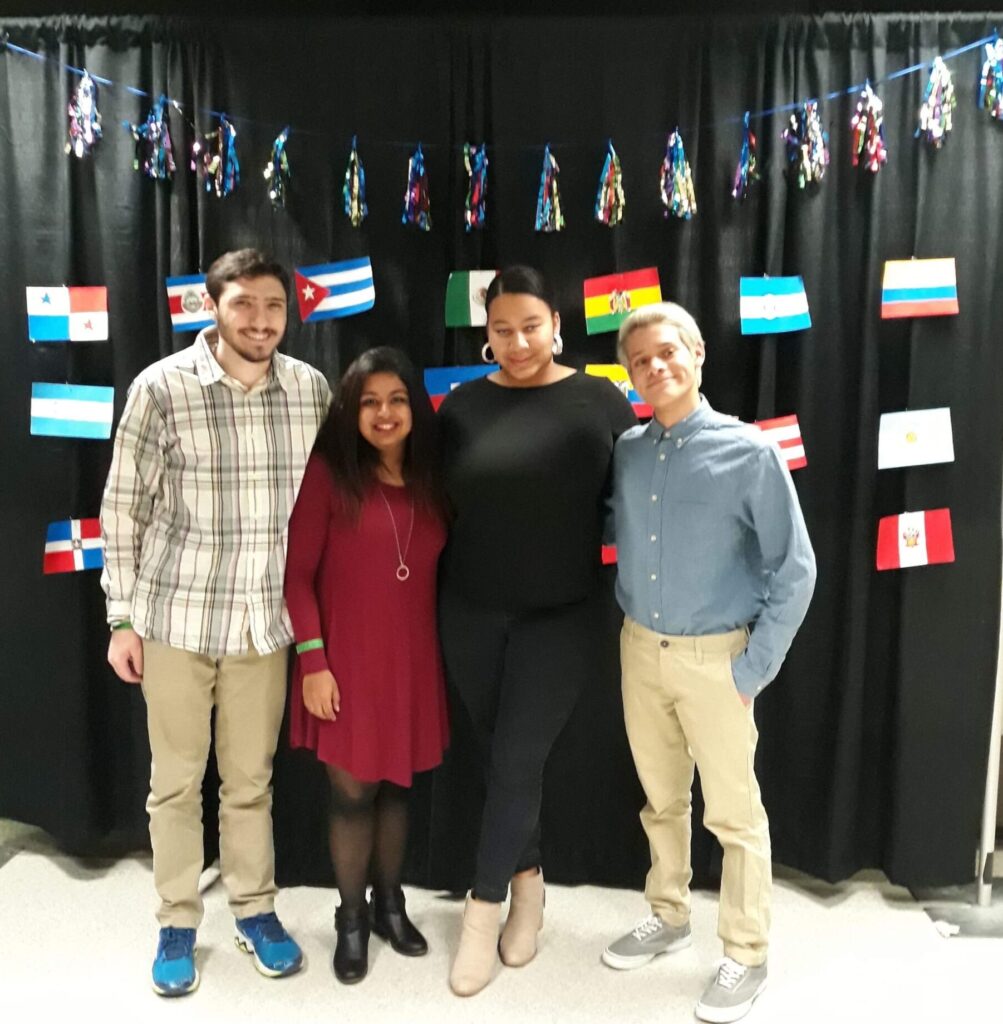
Beatriz Soriano Luna in Paris with friends from the Title IV-E Education for Public Child Welfare Program. (Image courtesy of Soriano Luna)
Degree: B.A., Geography and Environmental Studies Hometown: Gaithersburg, MD Post-grad plans: Ph.D. in geography, University of Illinois at Urbana-Champaign
McNair ScholarVictoria Joya Euceda feels honored to be in the first in family to earn a college degree, as well as a sense of responsibility to her family and Latinx community. Her parents, who are immigrants from Central America, never had the opportunity to prioritize academics. As she crosses the stage, she will be thinking particularly of her dad, who was deported to Central America during COVID-19.
Beyond excelling academically, Joya Euceda has participated in UMBC’s STRiVE Program and Multicultural Leadership Experience, served on the leadership of Moot Court, and completed research with faculty at UMBC, the BIG 10 Alliance, and the Ohio State University. She has also worked as a legal assistant and has volunteered with Baltimore’s Esperanza Center.
Joya Euceda has faced substantial challenges as a first-generation immigrant student, from financial challenges and housing insecurity to not feeling a sense of belonging (recently shared withThe Chronicle of Higher Education).
She believes that succeeding despite these challenges offers a reassuring example for her younger family members and others, showing that taking the leap to attend college can be a risk, but it’s worthwhile.
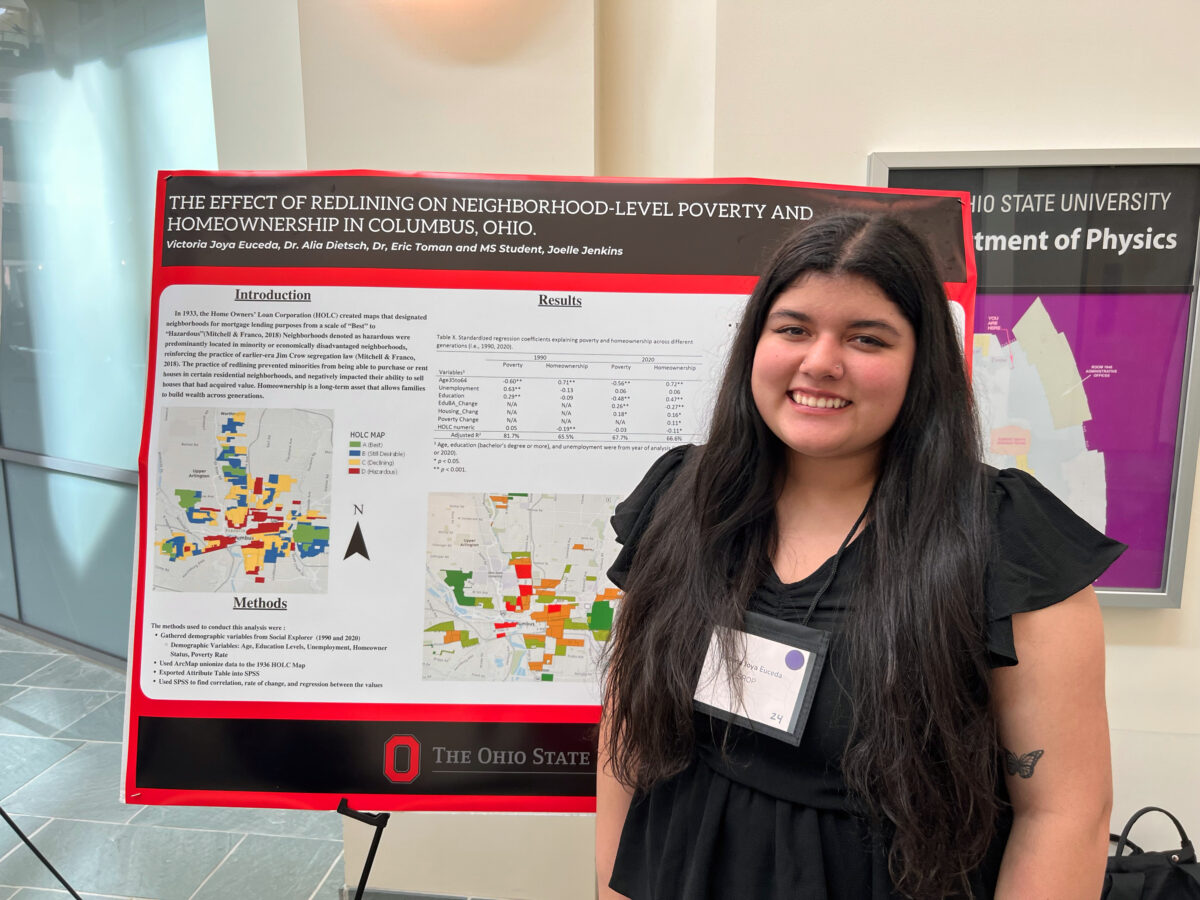
Joya Euceda presenting her research at the Ohio State University Summer Research Conference. (Image courtesy of Joya Euceda)
Has there been a mentor or fellow student who influenced your time at UMBC?
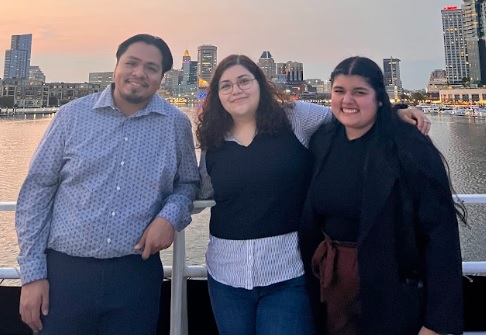
Joya Euceda (r) and fellow McNair Scholars at the McNair Scholars Research Conference. (Image courtesy of Joya Euceda)
“The person who has had the most direct impact on me is Yolanda Valencia, assistant professor of geography and environmental studies. I met her my first semester after I transferred to UMBC from American University. It was the first time in my entire college experience that I knew someone understood my story and all the challenges I have been through. Professor Valencia is also a McNair Scholars Program alum and was the first professor who encouraged me to apply to the program, to do research, and to keep going. My relationship with Dr. Valencia has inspired me to want to be a professor one day and inspire many other Latinx and first-generation students to complete their higher education.”
What has been the best part of your UMBC experience?
“Becoming an environmental justice intern for the White House Council on Environmental Quality was a big moment. I believe getting this internship allowed me to reflect on my full potential of what I bring to the table as a first-generation college student and Latina. It made me realize that if I set my mind to something, I should not be afraid to take risks as long as I am honest and demonstrate how passionate I am about my goal of supporting my community.”
Joya Euceda (bottom center) celebrating her last day as an Environmental Justice Intern for the White House Council on Environmental Quality. (Image courtesy of Joya Euceda)
Michelle Scott, associate professor of history, will discuss her new book T.O.B.A. Time: Black Vaudeville and the Theater Owners Booking Association in Jazz Age America(University of Illinois Press, 2023) on April 11, presenting the history department’s annual Lowe Lecture. In a conversation with UMBC News, Scott shares the artistic, social, and historic context of an association that brought Black artists to both Black and white audiences across the United States during the 1920s.
Michelle Scott. (Marlayna Demond ’11/UMBC)
UMBC News: What are some of the central themes the book explores?
Scott: The book explores the lives of the performers, theater owners, producers, managers, and audiences that were part of Black Vaudeville and the Theater Owners Booking Association (T.O.B.A.). It’s a story about how these Black- and white-owned theaters fostered Black artistic exploration and development and the growth of Black-owned businesses. T.O.B.A. is the foundation of Black live entertainment in the 20th century. This is the first in-depth study of this circuit during a time of transition in the entertainment industry between WWI and the Great Depression in segregated America.
UMBC News: Who were some of the artists who began with T.O.B.A. and grew famous, leading to profitable and stable careers?
Scott: T.O.B.A. is a cornerstone in the history of the African American entertainment industry where artists like Cab Calloway, the famed singer, songwriter, bandleader, conductor, and dancer, honed their talents. Other artists include “The Empress of the Blues,” Bessie Smith, and Ethel Waters, who became the first Black woman to receive equal billing with white stars on Broadway. These headliners, including Sammy Davis Jr., the tap-dancing Nicholas Brothers, Count Basie, and the comedic duo Butterbeans and Susie, found fame lasting decades beyond the Jazz Age.
But there was also a place for novelty acts, like the person doing the hula hoop or playing the harmonica with their nostrils. There were also tabloid plays. These abbreviated musical comedies bootlegged off-Broadway plays in a few songs. It’s a much shorter version of today’s Broadway tours. Think of a cabaret version of Hamilton represented in three songs.
It might be a few minutes, but T.O.B.A gave an opportunity to a wide variety of talents to create shows that appealed to a wide audience.
It was a family, where many had multiple jobs to make the show happen. Singers would do makeup. An actor would help with costuming. It wasn’t “the show must go on.” It was “the show will go on.”
UMBC News: T.O.B.A. enabled artists to channel their talents and broaden their networks. What was the association’s impact beyond performances?
Scott: This was the entertainment business. In 1929, T.O.B.A. was among the 12th most profitable black-owned industries in the United States, alongside black-owned insurance agencies, beauty businesses, dressmakers, etc. It had headquarters in Chicago, Washington, D.C., and Chattanooga, Tennessee, running 100 theaters over a decade. For Black and white theater owners, T.O.B.A. provided a steady stream of entertainers, helping to contribute to the local and national economy.
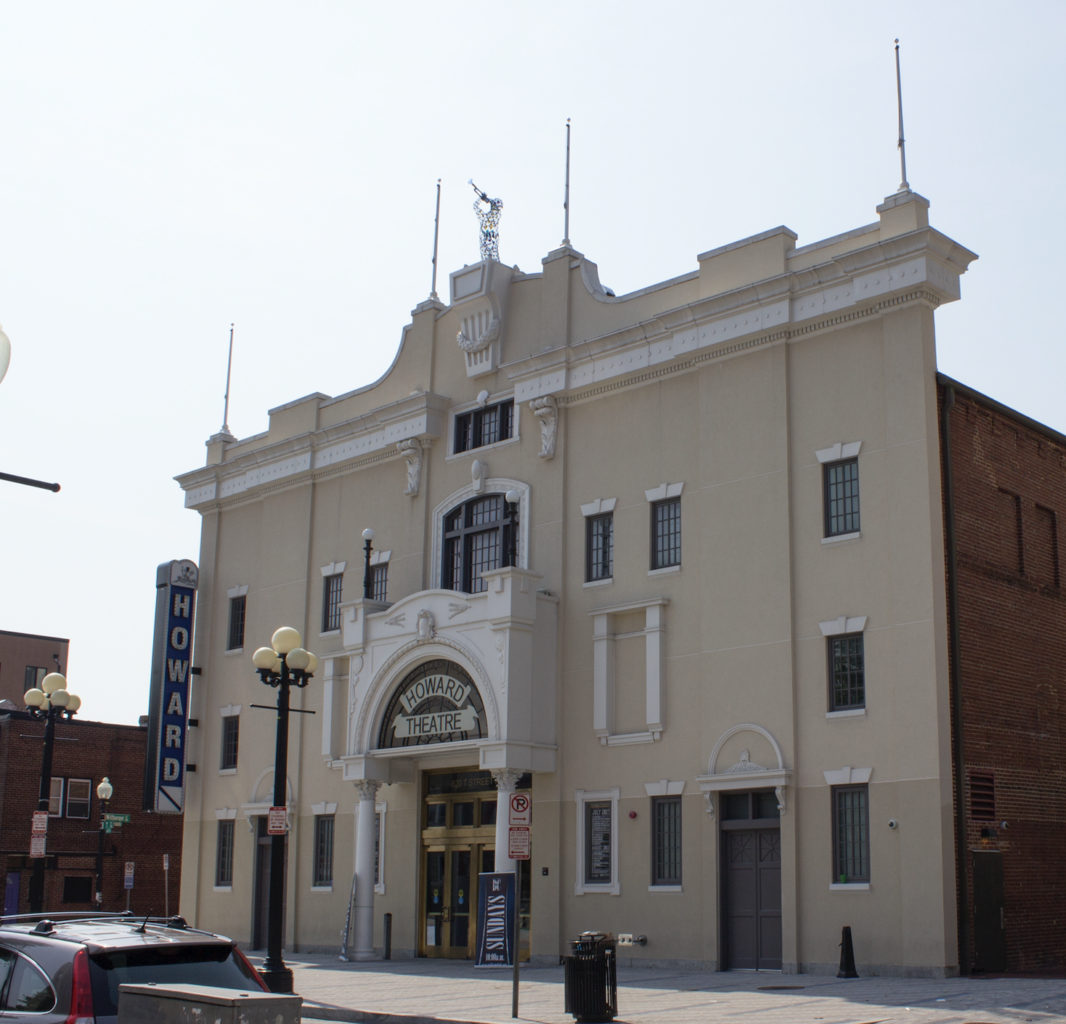
The Howard Theater in Washington DC, on T Street, Northwest. Photo by Dhousch, Wikemedia Commons.
The hospitality industry grew to meet the demands. This was a particularly important business venture for leading Black artists who were paid well like Cab Calloway and the “Mother of the Blues” Ma Rainey, who was paid $800 for four performances and could spend money on fine room, board, and clothing while traveling for performances. In segregated towns, the Black hospitality industry played an essential role in meeting the needs of entertainers. Black women found opportunities to operate boarding room homes and cook meals, and workers created a key union to fight for fair wages.
As traveling performers, women were also allowed more financial, sexual, and artistic freedom away from families that could be strict and religious. Yet, they also faced gender discrimination and sexual violence on the road.
UMBC News: Jazz Age America was a time of expansive Black artistic exploration and innovation within a heightened period of racial violence and segregation. How did this affect T.O.B.A.?
Scott: The world was trying to recover from WWI, the devastation of the Spanish Flu, and a slowly declining economy that would lead to the Great Depression. Returning white veterans and communities felt threatened by the prospect of losing jobs and housing to Black veterans and to families moving from the South. All of these tensions led to the “Red Summer” of 1919. Mass shootings, lynchings, and race riots spread throughout the country including in Chicago, Washington, D.C., and Baltimore.
Most of the T.O.B.A. theaters were in the South. Artists traveling the country and performing in theaters often risked their safety to make a living from their art. The Black working-class audiences were taking a risk going to see live shows and spending their hard-earned money while surrounded by racial violence and segregation.
One of the most haunting accounts that I found was of the Dreamland Theatre in Tulsa, Oklahoma owned by a Black couple. It was one of the earliest theaters to join the circuit. In 1921, it was leveled during the Tulsa Race Massacre. I was shocked that their records survived, allowing the shared history of the theater, owners, artists, and local community to be witness to the importance of Black theater to Tulsa’s Black community. The owners eventually opened up other Dreamland Theatres in Oklahoma.
T.O.B.A. is monumental because it helped Black artists and Black communities continue to thrive while fighting white supremacy. Many times, if churches were not able to provide a space to organize marches, communities organized in theaters. Sometimes, theater entrance fees were donated to help activists or communities hit by natural disasters, or to help with legal fees.
History definitely talks about the violence inflicted on Black communities, the death toll, and poverty, but it doesn’t always tell about Black innovation, economic prosperity, creativity, and thriving Black communities that existed before, during, and after the Jazz Age. It doesn’t always talk about art as an alternative resistance. T.O.B.A. is that story.
Learn more about this new book in Michelle Scott’s Low Lecture on April 11, 4-5 p.m., in the Albin O. Kuhn Library 7th floor. Research for the book was partially supported by UMBC’s Dresher Center for the Humanities and the CAHSS research grant.
Danielle Giese ’99, political science and Africana studies, remembers her first paychecks were hot and cheesy pizza lunches. They were the reward for volunteering at the Southern Maryland Tri-County Community Action Committee where her father, Dana M. Jones, served as chief executive officer for 30 years. At 12 years old, Giese and her two brothers, Rondell and Gregory, were tasked with answering phones, doing data entry, and directing people to the corresponding service.
Giese watched as her father advocated for and administered federal and state-funded local programs for vulnerable communities for decades. Giese quickly learned that her participation was vital to helping connect people to necessary resources, and Jones had no qualms about his children’s ability to do their job well. Slacking off was not an option, Giese reminisces with a smile.
“I began working on my political science and Africana studies degrees years before coming to UMBC,” says Giese who is the assistant director at the U.S. Government Accountability Office where she has dedicated over two decades. She leads performance audits of government programs at the request of congressional committees, a policy-making process to help ensure federal programs are meeting community needs.
Day-to-day work of social change
Danielle and Michael Giese early in their relationship. Photo courtesy of Giese.
What she remembers most about volunteering for her father is getting a glimpse into the myriad needs of her community. Doing data entry for the food bank increased her awareness of the number of families whose paychecks were not enough to feed their families. “I saw people who had jobs and sometimes were also receiving other types of support,” says Giese, “show up month after month after month. I learned just how difficult it was for people to make ends meet and put food on the table.”
As the hub of entry for new and existing clients, Giese quickly learned community members’ needs went beyond being connected with other agencies and resources. Direct services like a Head Start program and an elder care program provided the spectrum of direct support caretakers needed to seek and maintain employment. And for those who needed housing, the organization also raised funds to supplement federal and state allocations to build affordable housing. Her father would even do home visits to inform families on energy efficiency.
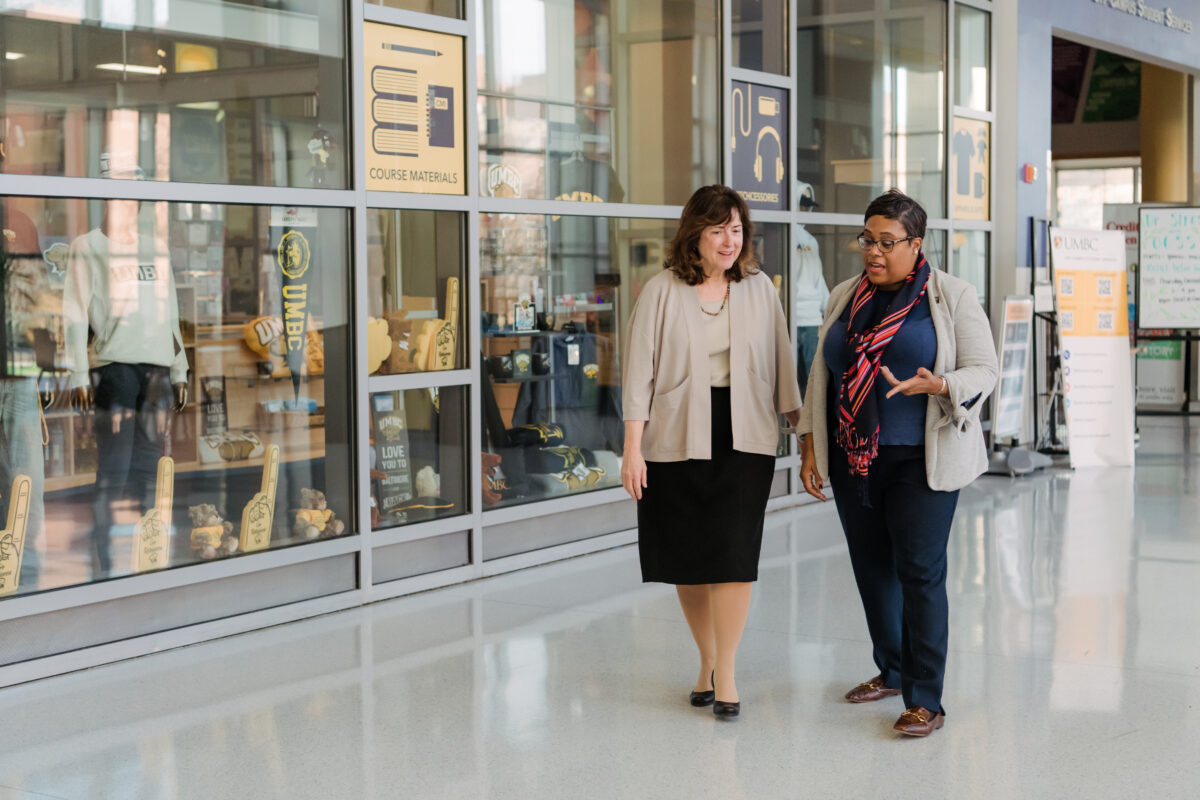
Giese, center, while as a student at UMBC. Photo courtesy of Giese.
What Giese didn’t know at the time was that she was an active participant in the War on Poverty, a social welfare legislation introduced in the 1960s by President Lyndon Bates Johnson intended to help end poverty in the United States. The people she welcomed were part of the about 13 percent of Americans who were living in poverty at the time. When she volunteered, it freed more employees to serve more families. In those informative years, Giese watched her father be a liaison between the federal and state government and local communities carrying out the day-to-day work of social change, and she saw a place for herself in that world.
From local to federal change
Once at UMBC, Giese, a Humanities Scholar and a McNair Scholar, chose a path that broadened the foundation her father had given her. Giese passionately describes the long-term impact her gender and women’s studies courses—taught by Patrice McDermott, now vice provost for faculty affairs—have had on her work with childcare policies at the federal level.
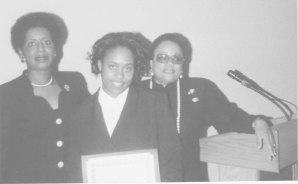
Patrice McDermott and Danielle Giese. (Marlayna Demond ’11/UMBC)
“Learning about how the social construct of gender controls access to work and its distribution, income, and wealth inspired me to engage in conversations about how we define and value ‘male’ work versus ‘female’ work, especially in the childcare industry,” says Giese. “Finally, after 20 years, policymakers are willing to discuss viable wages for childcare workers that will allow them to sustain a family.”
UMBC laid the foundation for so many aspects of Giese’s professional career, but also would determine the personal side of her life too. Danielle Jones met Michael Giese ’97, history, at Humanities Scholars gatherings where they found they shared an agricultural background dating back to the 1860s—with her family’s liberation and landownership and his family’s immigration from a farm in Germany to one in Maryland. He also took McDermott’s gender and women’s studies class. These shared bonds deepened their understanding of the world and each other leading to their marriage and their two children: Kent, 12, and Luke, 10.
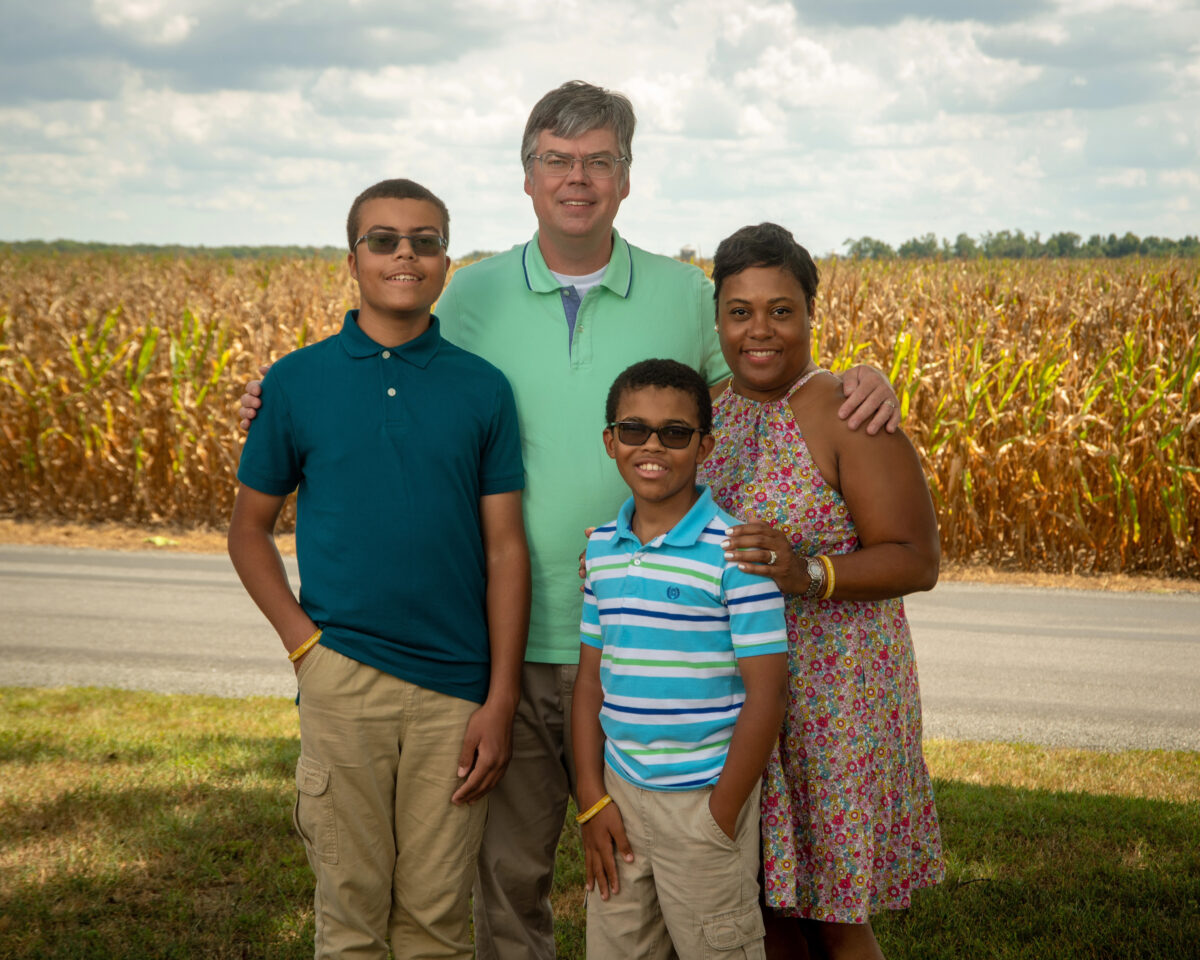
The Giese family. Photo courtesy of Giese.
“Danielle’s courses in gender, women’s, and sexuality studies shaped not only her understanding of herself but also the ways she pursues her work in the world,” shares McDermott. “Her story is a testament to the powerful ways our graduates draw on these lessons within their workplaces and society at large.”
From theory to action
Giese recently spoke about the joy she experienced as an Africana studies major in a video celebrating the department’s 50th anniversary. She shared the pivotal role Willie Lamousé-Smith, professor emeritus and former chair, had in her understanding of race and power in society and the global systems that have supported and perpetuated racism. Giese also shared about the transformative power of her class with Thomas Robinson, professor of Africana studies, on the psychology of racism and how it affects home, work, and personal relationships.
Reflecting on the on-going legacy of the department, Gloria Chuku, current chair and professor of Africana studies said, “The goal of the Africana studies department is to educate about the Africana heritage which includes the experiences, successes, challenges, and progress of people of African descent in the U.S. and across the globe.”
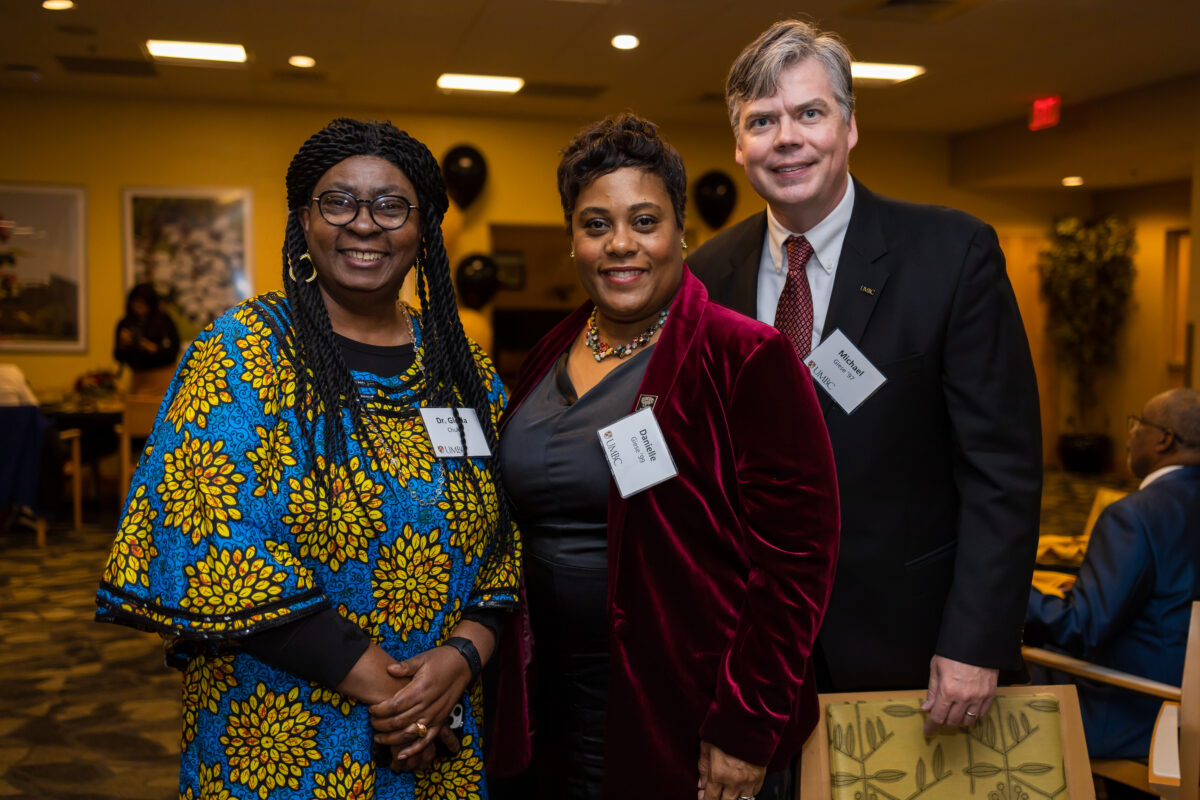
(l-r): Gloria Chuku, Danielle and Michael Giese. (Marlayna Demond ’11/UMBC)
Before graduating, Giese applied her experience from volunteering with her father that she continued to build on at UMBC to serve as an intern within an organization tackling housing issues in the Maryland Housing and Community Development Agency. Once again, she experienced the intricacies of collaborative work between state and local and state and federal programs. Even as a student, Giese could envision the impact she could have if she continued down this path at a federal level.
“The humanities, the cultural studies, provide important insights that we all need to basically influence the nation that we live in. It makes you think creatively about how you want to live your life,” says Giese. “Combining Africana studies with political science has given me incredible insights into how our government systems affect people of color. Change requires daily committed engagement through tough conversations that push the dialogue incrementally. Both majors have given me a leg up in a lot of ways.”
(l-r): McDermott, Giese, and Chuku. (Marlayna Demond ’11/UMBC)
Improving the country
“My work, like my dad’s, is ever-changing because it is always about improving the lives of communities across the country,” says Giese. She specializes in issues related to education, income and workforce security, equitable wages, worker protections, and subsidized childcare programs.
“It’s about engaging in dialogue on whether the federal programs meet the goal, the vision we have for serving people and for improving their lives.” She has no qualms about her ability to do the job well. Slacking off is not an option.
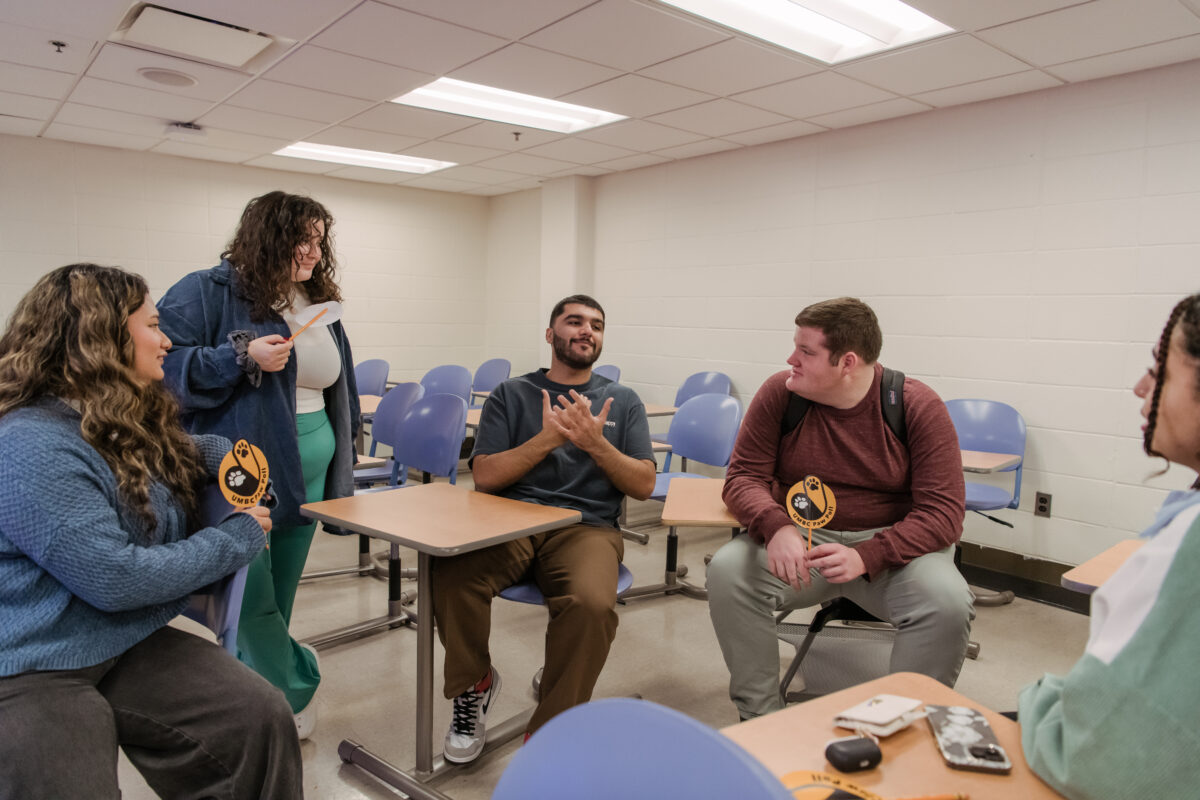
During the November 2022 election, students in Ian Anson’s Public Opinion class had a unique opportunity to examine just how civically engaged UMBC students are, and they found the answers remarkable. The students designed and ran the first UMBC Paw Poll, a survey that gathered information about UMBC undergraduates’ voting behavior and voter registration status, as well as numerous other factors.
“My guiding philosophy is to create applied-learning projects that have legs—that go beyond the classroom context,” says Ian Anson, associate professor of political science. “I want students to experience how political science theories and applications impact communities—in this case, the UMBC community.”
The Paw Poll found UMBC undergraduate students exceed national averages along measures of civic engagement. “UMBC students are the future leaders of our democracy. The Paw Poll is statistical evidence that Retrievers’ civic engagement overwhelmingly outpaces other higher learning institutions in Maryland and beyond,” says Anson.
“Our students are fantastically thoughtful and understand the consequences of their actions for politics,” he reflects. “This is one of UMBC’s most important legacies.”
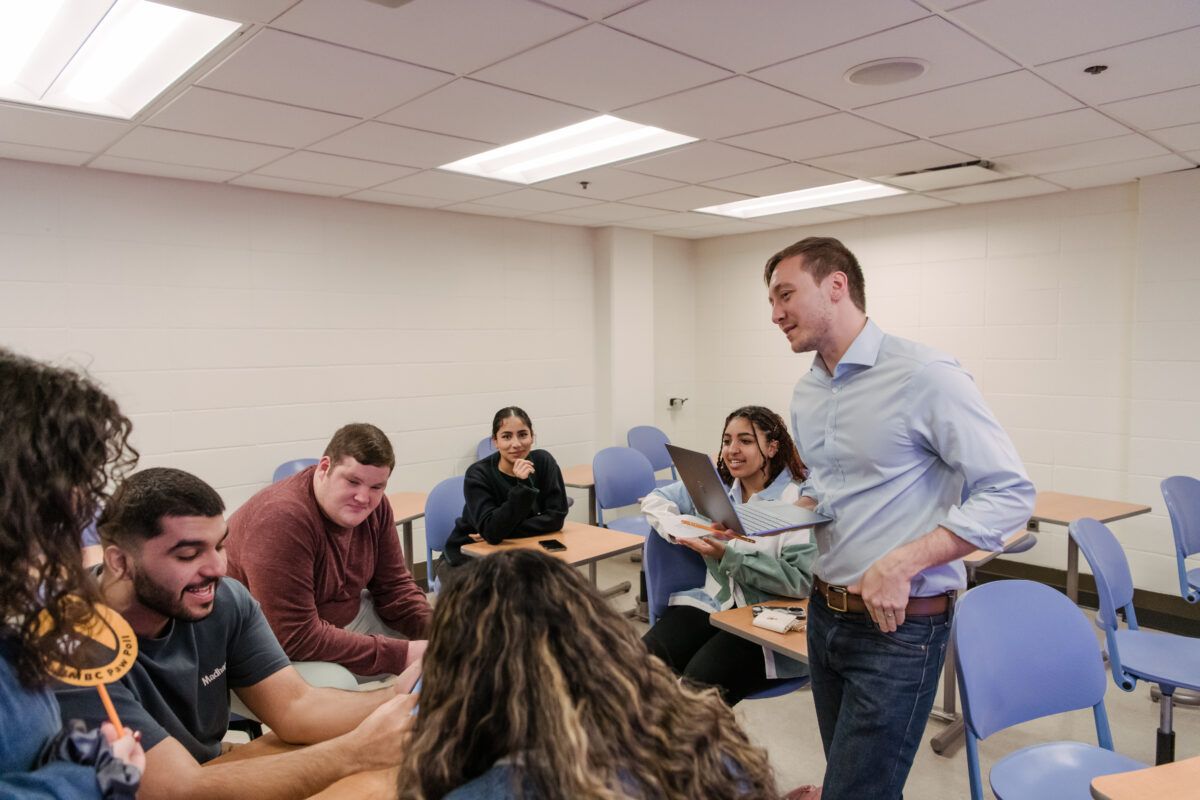
Ian Anson with students in his political science class. (Marlayna Demond ’11/UMBC)
Exceeding national averages
Over 450 undergraduate Retrievers responded to the Paw Poll, a response rate of 15.9%. The survey data (available through the Paw Poll app) reveal that UMBC undergraduate students are highly engaged in the electoral process.
Anson’s Paw Poll report showed that in the 2022 general election (a midterm rather than presidential election year), UMBC registered voters participated at a rate of 53%. This rate is 13% higher than the Institute for Democracy and Higher Educations’ National Study of Learning, Voting, and Engagement (NSLVE) estimate for voting rates among all college students in the 2018 midterm election—the best available comparison. The NSLVE is the nation’s largest study of college and university student voting. It includes nearly 1,200 colleges and universities in all 50 states and the District of Columbia.
Voting in the 2020 presidential election was also higher among UMBC students than the national average of 66% provided by NSLVE. Among students who were at least 20 years old in November 2022 (therefore exceeding the minimum voting age of 18 years old in 2020), all age groups report having voted more often than the national average. Even the subgroup that was 18-19 in 2020 reports having voted at a rate of 78.9%, which is more than 12% higher than the national average. Again, the higher voting rate among UMBC students relative to the national average is statistically significant.
UMBC political science students. (Marlayna Demond ’11/UMBC)
While the Paw Poll shows strong evidence of voter engagement among UMBC students, some groups had higher engagement rates than others. The poll used students’ major designation to distinguish them based on their College or School within UMBC. Registered undergraduates in the College of Engineering and Information Technology and the College of Natural and Mathematical Sciences showed lower rates of participation in the 2022 election than students in the College of Arts, Humanities and Social Sciences and social work programs, indicating an opportunity for greater engagement in the future.
The science of polling
Anson’s Public Opinion class immersed students in the process of exit polling for the first time in 2018. Students surveyed voters in person at Baltimore County voting sites. They logged and analyzed the data in real-time, leading the class to accurately call the race for former Governor Larry Hogan well before the official announcement. Anson wrote about the process in “Who are the Hogan Democrats? UMBC knows” for The Baltimore Sun.
Four years later, voting behaviors had changed dramatically due to COVID-19, with a sharp increase in mail-in ballots. Anson saw this as an opportunity to teach students how to pivot when circumstances change and how to work with a variety of partners to create something new. Together, Anson’s students, the political science department, the Center for Social Science Scholarship, and the Center for Democracy and Civic Life created the new virtual polling project.
Irene Otunla ‘23, political science and media and communication studies, a student in Anson’s Political Opinion class, enjoyed the multifaceted project. Otunla learned about the theories behind polling, how to design a poll item, the grammar of good survey questions, how to encode the responses into software, and how to analyze survey results. She was particularly excited to explore the relationship between believing that voting is a choice or a duty and traits like race, age, gender, and political affiliation.
“I hope UMBC is able to use the data to create more courses like this unique course,” says Otunla, “and find new ways of encouraging students and staff, outside of the political science department, to participate in voting or at least have a greater awareness of politics in general.”
Poised for leadership
The quest to understand student perspectives on civic engagement and to encourage greater levels of it continues among the Paw Poll partners. For example, David Hoffman, Ph.D. ’13, language, literacy, and culture, and the director of UMBC’s Center for Democracy and Civic Life, is working with intern Musa Jafri ’24, political science, and others to gain further insights that will inform future Center programming.
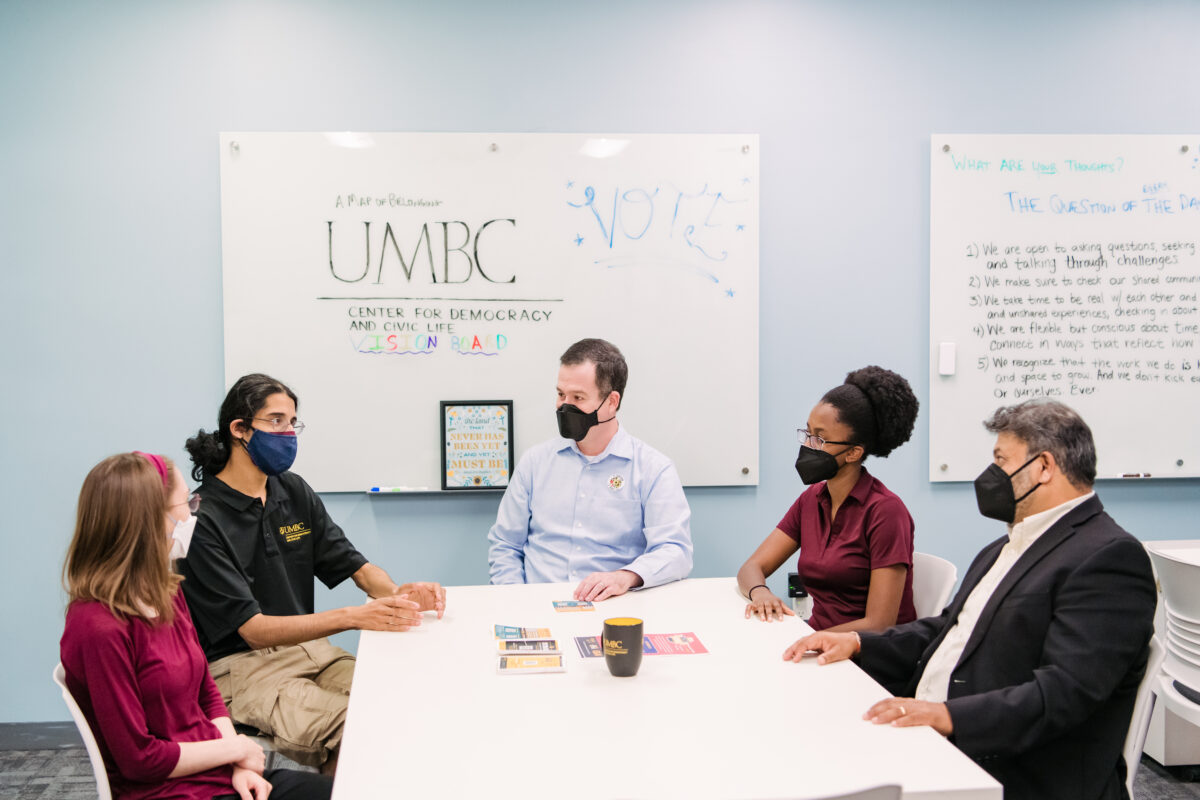
(l-r): Tess McRae ’22, individualized study, coordinator for Civic Design at the Center for Democracy and Civic Life, Jafri, Hoffman, Markya Reed ’18, M.S. ’23, psychology, a graduate assistant at the Center for Democracy and Civic Life, and Sunil Dasgupta, professor of political science. (Marlayna Demond ’11/UMBC)
And the Paw Poll itself will likely continue to grow as well. “In future iterations of the Paw Poll, we hope to further examine the various forms of political activism and engagement that characterize the UMBC student body,” says Anson.
“For now,” he shares, “we remain optimistic that UMBC students are well equipped to become leaders in their communities and to remain engaged with the political process.”
The National Endowment for the Humanities (NEH) has announced that George Derek Musgrove ‘97, associate professor of history, and Elizabeth Patton, associate professor of media and communication studies, have received the highly competitive 2023 NEH fellowship.
Only 70 scholars out of 1,029 applicants nationwide received the coveted fellowship this year. The one-year award supports individual scholars pursuing projects that embody exceptional humanistic research, rigorous analysis, and clear writing. Each scholar will receive $60,000 to support a current book project. Musgrove and Patton have received multiple fellowships supporting their prior and current work, affirming the importance of their scholarship.
Black political and cultural mobilizations
Musgrove, a 2022 Andrew Carnegie fellow, will be working on “We must take to the streets again:” The Black Power Resurgencein Conservative America, 1980–1997. The book aims to provide an in-depth history of the years between the Civil Rights movement and today’s Black Lives Matter movement. This new work will also further Musgrove’s highly acclaimed research on African American history in the nation’s capital, completed over the past decade.
Derek Musgrove. (Marlayna Demond ’11/UMBC)
“The NEH Fellowship is one of the most prestigious awards granted in the humanities and I am honored that the selection committee deemed my forthcoming project worthy of support,” shares Musgrove. “That I was selected is a testament to my colleagues in the history department and Rachel Brubaker, who encouraged me to apply and shared essential feedback. UMBC’s generous, collaborative culture allows those of us who are lucky enough to work here to do amazing things.”
UMBC’s Dresher Center for the Humanities provides key support to faculty engaging in major scholarly and public projects. Rachel Brubaker, director of program administration at the Dresher Center, works with faculty one on one to identify and successfully apply for research funding.
After receiving the Carnegie Fellowship, Musgrove shared that the support his scholarship has garnered is “a powerful endorsement of the importance of exploring the Black political and cultural mobilizations of the 1980s and ‘90s.” He noted, “We continue to live in the world those activists helped make and to fight the battles that those activists fought.”
Black leisure and tourism
Patton, who was also a 2022 NEH summer fellow, will advance research for her forthcoming book Representation as a Form of Resistance: Documenting African American Spaces of Leisure during the Jim Crow Era. The book will examine the history of Black leisure and tourism in the U.S. through the perspective of photography and home movies. She seeks to put into context lingering forms of racism that still affect Black tourism on platforms like Airbnb.
“I have found hundreds of examples of spaces where there is a history of people of color using those spaces, desegregating those spaces, or creating their own spaces for leisure and travel,” Patton said, after receiving her 2022 NEH summer fellowship. “These rich data sources will help me tell the invisible history of African American leisure through historical methods, discourse analysis, semiotics, and oral history.”
Humanities at work
Preminda Jacob, associate professor of visual arts and associate dean of the College of Arts, Humanities, and Social Sciences is thrilled the NEH continues to support UMBC’s leading humanities research. “Humanities scholarship at UMBC pursues the why and how of our past, present, and future with painstaking rigor,” says Jacob. “The NEH fellowship acknowledges our faculty’s innovative and relentless pursuit of answers to these questions.”
Musgrove and Patton join several previous UMBC NEH Fellows. A few of the university’s prior recipients include Anne Sarah Rubin, professor of history; Susan McDonough, associate professor of history; and Whitney Schwab, associate professor of philosophy.
UMBC faculty are leading interdisciplinary, community-engaged immigration research that is shifting the relationship between higher education institutions and immigrant communities. Their approaches include centering the economic, academic, social, and cultural contributions of immigrants to the well-being of U.S. cities. This scholarship challenges stereotypes and also works to dismantle systemic racism in higher education.
In 2020, New York Times reported that U.S.-born children of immigrants or immigrant students raised in the U.S. accounted for nearly 60 percent of the growth in U.S. university enrollment since 2000. The majority of these students are the children of international students from India who stayed in the U.S. to work, and the children of Latin Americans, and refugees who came to the U.S. in search of better living conditions.
Felipe Filomeno, associate professor of political science and global studies, and associate director of the Center for Social Science Scholarship, and Christopher Brown, a global studies lecturer, explore how immigrant students can be an asset to higher education with their study “Immigrant Students and Global Education.”
Filomeno and Brown designed a collaborative, project-based undergraduate course to study the intercultural experiences of immigrant students at UMBC. Students developed the ability to collect and analyze qualitative data and empathy for immigrants as they learned about diverse peer experiences. The study determined that project-based assignments designed to take advantage of immigrant students’ intercultural experiences could yield significant contributions to the global education of immigrant and non-immigrant students alike.
“It is important that there are such stellar colleagues committed to the vital work of exploring the realities, lived experiences, and challenges of our immigrant communities,” says Kimberly R. Moffitt, dean of the College of Arts, Humanities, and Social Sciences. “We can only thrive as a society by supporting and working together with all members of our community and recognizing their contributions to a global society.”
Digital storytelling for education and advocacy
Several of UMBC’s community-engaged researchers use digital storytelling to shift the focus away from the researcher creating information toward information being created by the community. One such project is “Intercultural Tales: Learning with Maryland’s Immigrant Communities,” developed by Thania Muñoz Davaslıoğlu, assistant professor of modern languages, linguistics, and intercultural communication (MLLI), and Tania Lizarazo, associate professor of MLLI and global studies.
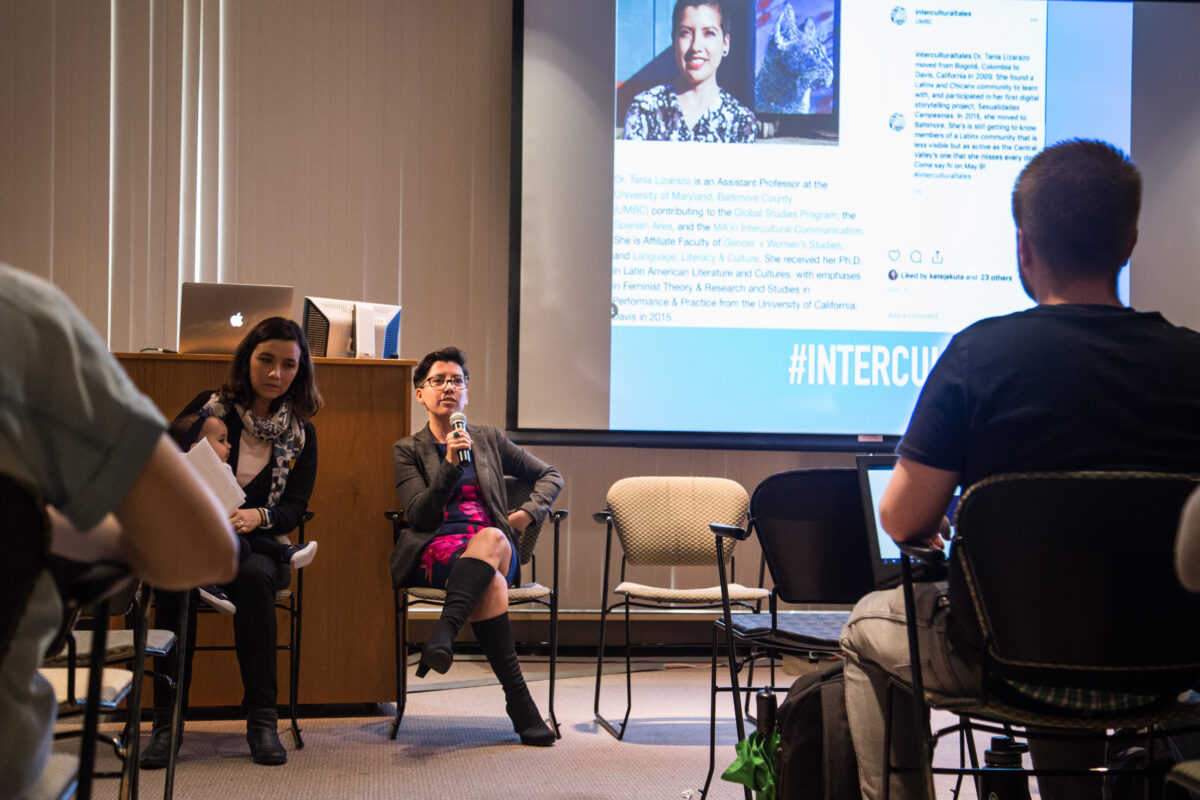
Tania Lizarazo speaking at Intercultural Tales with Thania Muñoz. Photo by Rachel Wallace
This project approaches digital storytelling from a feminist lens where non-academic knowledge such as lived experience is considered equally valuable in teaching and research. “Our project is informed by feminist theory and the field of critical intercultural communication in which power structures and hierarchies are emphasized when thinking about communication,” says Lizarazo, “Intercultural Tales is shaped by all of these fields/practices to facilitate (not guarantee) a more nuanced understanding of immigration as part of UMBC (instead of outside of it).”
This project, now in its third year, brings together students studying Spanish or global studies to produce digital stories of immigrant experiences with the goal of countering stereotypes. In one of the digital stories, “Pack Your Bag,” Heejin Hong ’18, MLLI, speaks of her parents’ transition from Korea to Paraguay, her time living in Brazil, moving to Mexico, and eventually settling in the U.S.
“My parents were first-generation immigrants from South Korea to Paraguay, where I was born. Their life as immigrants was not easy. They worked day and night to support our family,” Hong shared. “They constantly moved to other cities and countries looking for work. When I was little, I moved to Brazil to be with my grandparents because my parents had to work. Brazil was my first experience with immigration and learning a new language, new places, new food, and new cultures.”
She continued, “I have now been living in the U.S. for more than ten years. I used to see all of the changes that made me grow up quickly and think of what I didn’t have. Now, I realize that I gained something greater: courage, independence, patience, a positive outlook, not to lament, and to keep moving forward.”
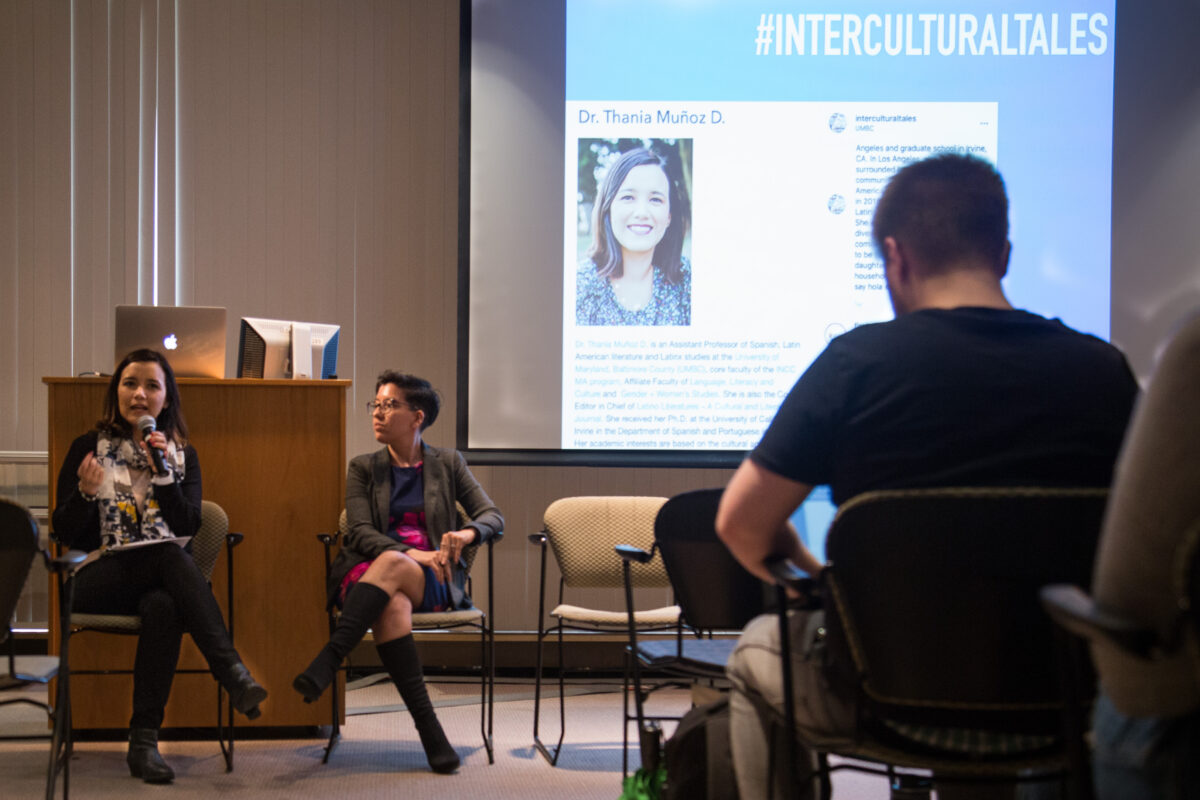
Thania Muñoz speaking about Intercultural Tales with Tania Lizarazo. Photo by Rachel Wallace.
Muñoz notes the findings, which were published in the Journal of Community Engagement and Higher Education, show the process of sharing and valuing knowledge through the project in some cases enabled the students to reframe fear, confusion, and shame through a new lens that revealed feelings of pride, solidarity, and insight.
“Most students had a more nuanced understanding of immigration,” says Lizarazo, “and a renewed appreciation for their classmate’s knowledge, which, in turn, shaped a less hierarchical learning space.”
Community-building through digital storytelling
Lizarazo also collaborated with local immigrant women to create “Moving Stories: Latinas en Baltimore.” The digital storytelling archive visualizes the immigrant experience from the perspective of Latinas in Baltimore. It aims to dispel stereotypes and share the diversity of their experiences.
Camila Daniel shared her experience of being a Black-Brazilian Latina living in Baltimore in her digital story “When Baltimore Became My Home.”
“In 2006 when I came to Baltimore, I lived the experience of what it means to be Black and Latina at the same time in a country that expects people to be only of one race. When people saw me with my accent, my hair, and my Black skin, they assumed I was African American. Many of the Brazilians were white. I didn’t feel I fit in anywhere. I suffered a lot,” says Daniel.
She continues, “Now, I feel it was good for me to come to Baltimore, live in a predominantly Black city, and learn from Black people what it is to have pride in how you look and your history. At the same time, with Spanish and Baltimore, I have created a family that does not have my blood or nationality but one heart.”
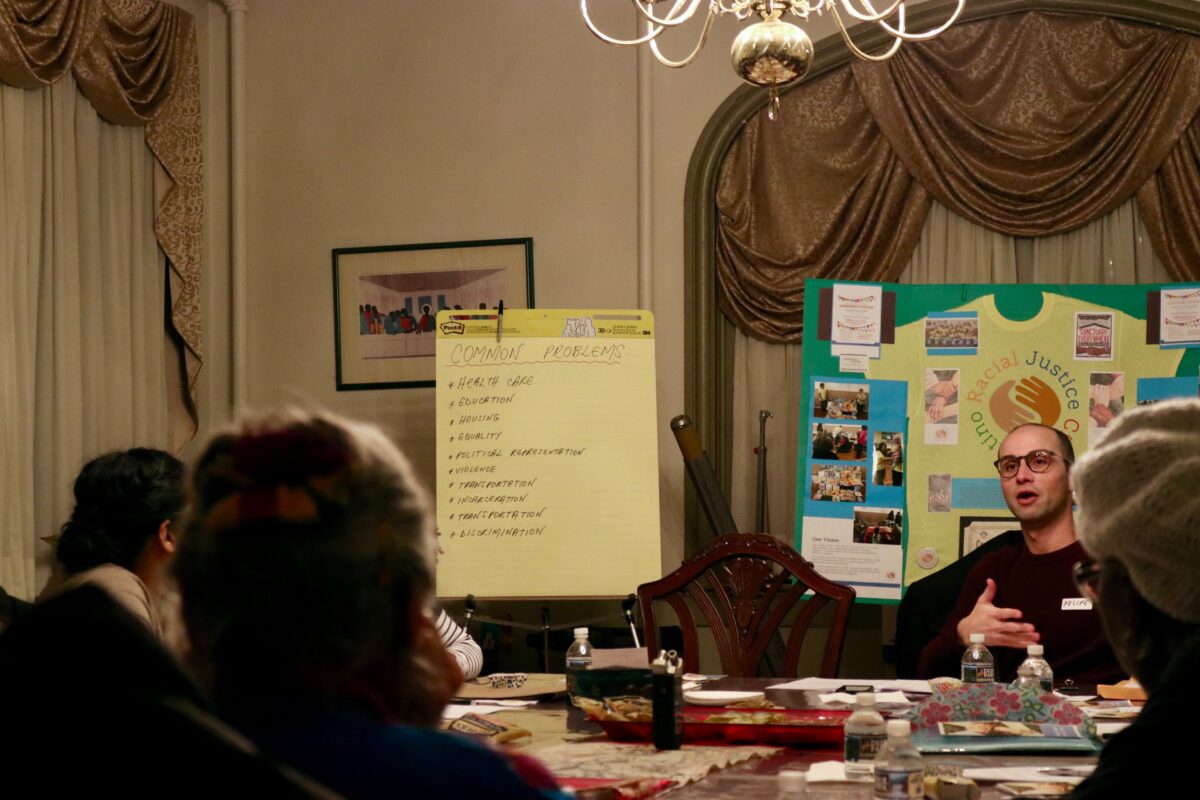
Filomeno leads a discussion with Baltimore’s Latino Racial Justice Circle. Photo courtesy of Filomeno.
Since 2017, Lizarazo and Filomeno have also worked in partnership with Baltimore’s Latino Racial Justice Circle to develop, design, execute, evaluate, and share the “Honest Conversations on Immigration” project. Through dialogue, and digital storytelling, the program fosters conversations between U.S.-born citizens and immigrants that share faith-based spaces but rarely engage in dialogue. Since 2019, about 85 members of 15 congregations have participated.
“Our goal as researchers is to use dialogue and digital stories as ways to bring different communities together around religion, race, and immigration,” explains Filomeno. “Through that process, we hope to create the potential to change the relationships among individuals, and between communities and society for the better.”
Baltimore’s immigration policies
Filomeno last year received the Hispanic Heritage Award from Baltimore Mayor Brandon Scott in recognition of his work facilitating dialogue as well as an earlier comprehensive assessment of Baltimore’s immigration policies. The study “Baltimore’s Policies to Attract and Retain Immigrants: A Community-Engaged Evaluation” was critical in shaping the strategic vision of the Mayor’s Office of Immigrant Affairs. It built on a prior study in which Filomeno reviewed Baltimore’s economic development, multicultural, and law enforcement policies, collaboration with civil society, and policy advocacy.
“In all these studies, I have engaged local groups and organizations in the creation of knowledge about immigration and the application of this knowledge to help solve real-world problems,” says Filomeno. “This research has helped a local government trying to encourage the city’s growth through immigration, a faith community trying to build connections between congregants of different nationalities, and a university trying to leverage student diversity of national origin to promote global learning. As we say at UMBC, it is public research for public good.”
Documenting places of belonging and meaning
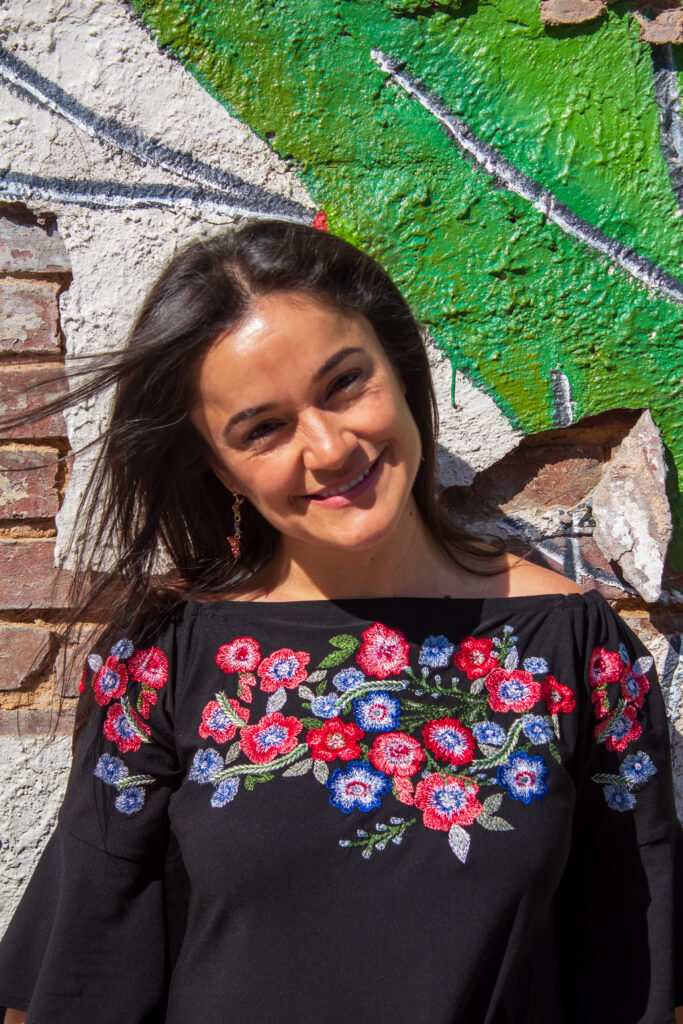
Headshot courtesy of Yolanda Valencia.
Beyond Maryland, Yolanda Valencia, assistant professor of geography and environmental systems, explores the Mexican immigrant community of Pasco, Washington, and how this community creates places of peace, tranquility, and family—places of belonging and meaning—under disadvantaged conditions. In the forthcoming book Relational Life: Legal Death, Valencia draws on years of fieldwork in Pasco, transnational ethnography, archival research, interviews with city leaders, and testimonies from undocumented Mexican immigrants.
“I aim to provide a historical political economy analysis of geographies of oppression overlaid with an analysis of spaces where this community thrives, as they both happen simultaneously across scale, time, and border,” says Valencia.
This year, Valencia received a 12-month Career Enhancement Fellowship, funded by the Mellon Foundation and administered by the Institute for Citizens and Scholars. She was also selected as a 2020 – 2022 Summer Institute on Tenure and Professional Advancement (SITPA) scholar. The mentoring and professional initiative is designed to facilitate junior faculty members’ successful transition to tenured associate professor status.
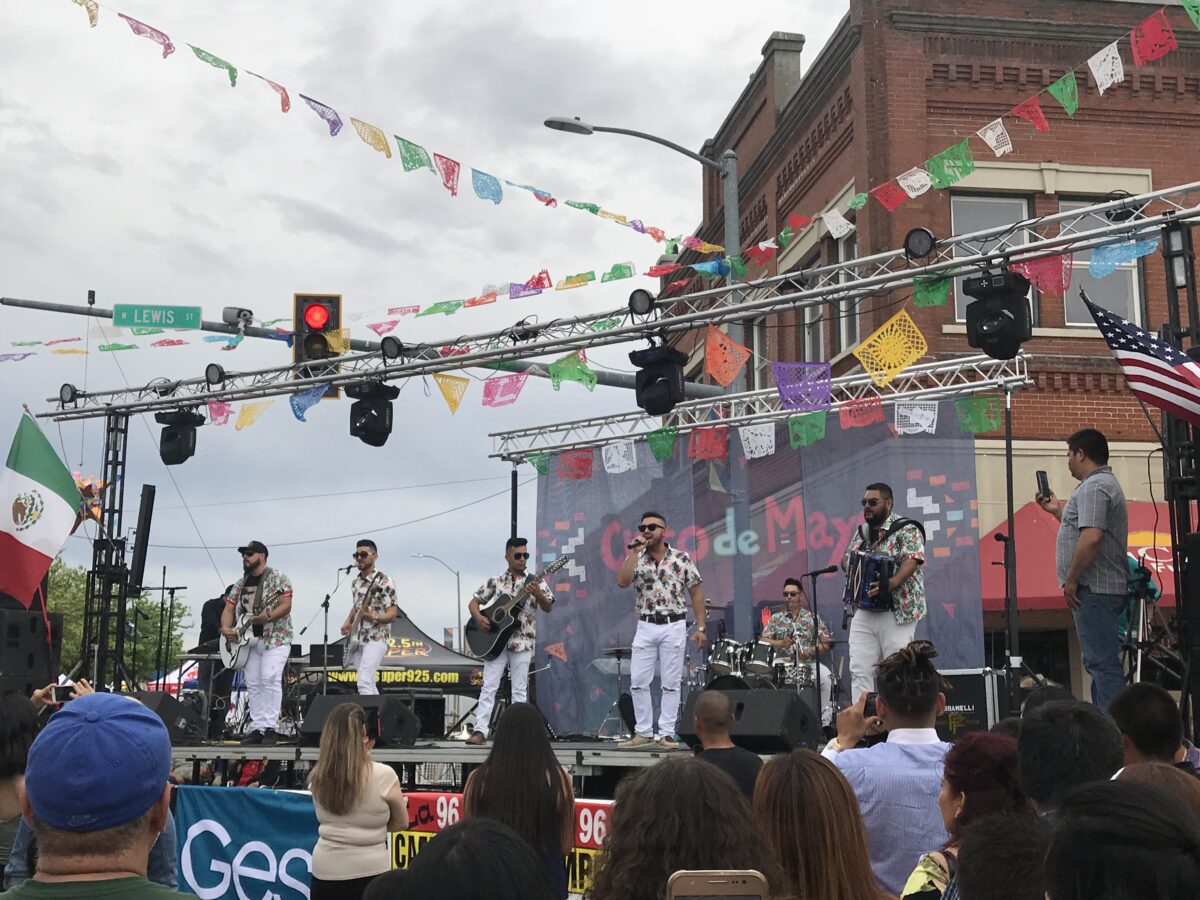
This Cinco de Mayo event in Pasco features second-generation Mexican immigrant musicians who have learned how to play, sing, and love traditional Mexican (and Latinx) music. Photo courtesy of Valencia.
Another faculty member has been highly engaged with immigrant communities in New Orleans. The success of taco trucks and Soul Food pop-ups there have raised complex questions about food truck regulation, worker rights, and immigration. The Whiting Foundation awarded a $50,000 Public Engagement Fellowship to Sarah Fouts, assistant professor of American studies, along with local New Orleans organizers Toya Ex Lewis and Fernando López, to implement “Project Neutral Grounds: At the Intersection of People, Street Food, and the Hustle.”
Lewis is the organizer of Project Hustle, born in New Orleans, and López is a Mexican-born documentarian. The three partners have worked together since 2013. Their latest collaboration will bring together Black, Brown, LGBTQ+, and immigrant food vendors in New Orleans to celebrate, share, and document their experiences and histories.
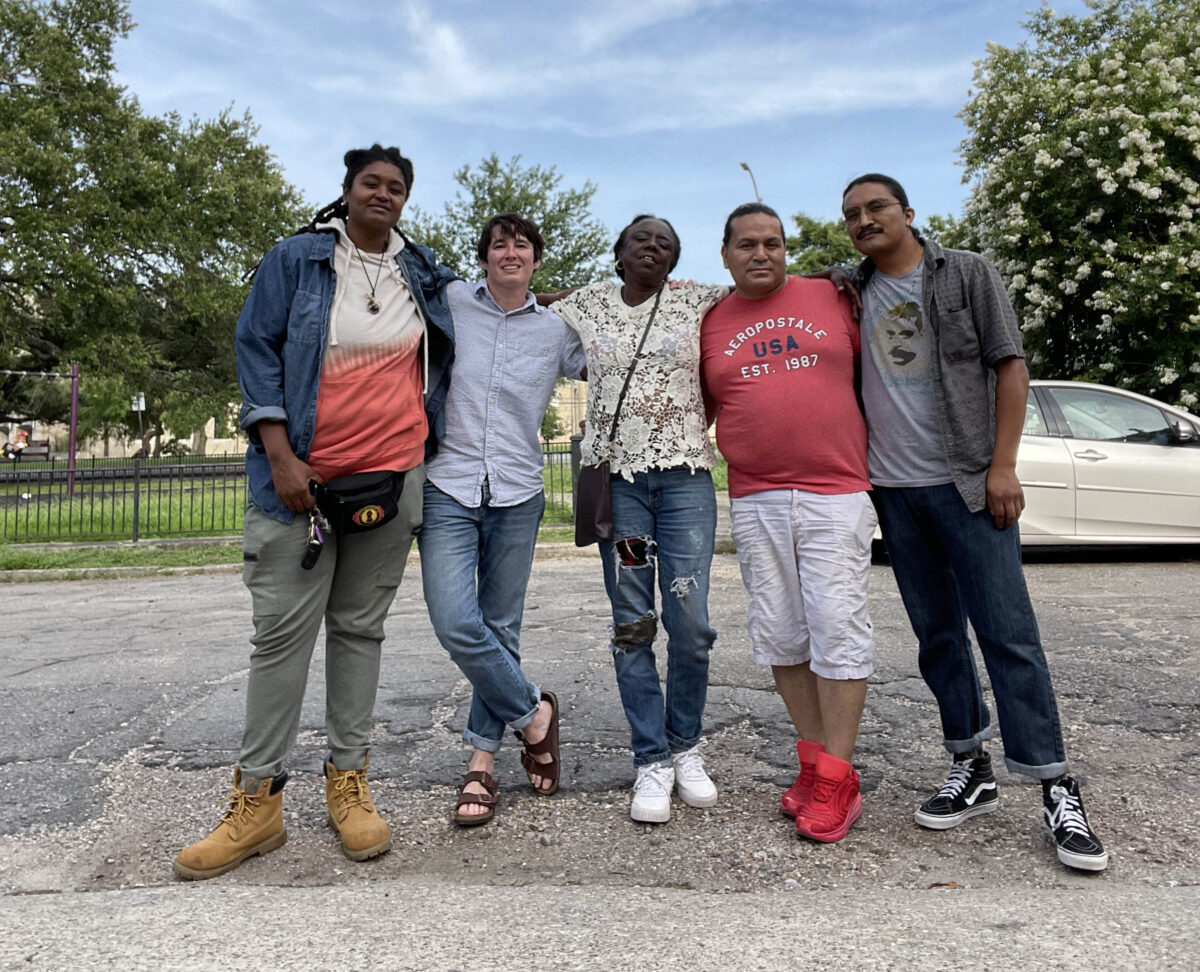
Left to right: Toya Ex Lewis, Sarah Fouts, community members, and Fernando Lopez. Photo courtesy of Fouts.
Challenging extractive research
This innovative research intentionally values the knowledge of immigrants and creates new ways for academics to think about primary sources. It highlights thriving communities and enables communication, personal reflection, and empathy while challenging systemic racism and the role of education and institutions in perpetuating inequalities.
“Recognizing each other’s humanity is not an abstract process. It requires a commitment to questioning pedagogies that reproduce the hierarchies we critique,” Muñoz Davaslıoğlu and Lizarazo explain. “Teaching and learning are inextricable from struggles against the dehumanization of immigrants and minorities.”
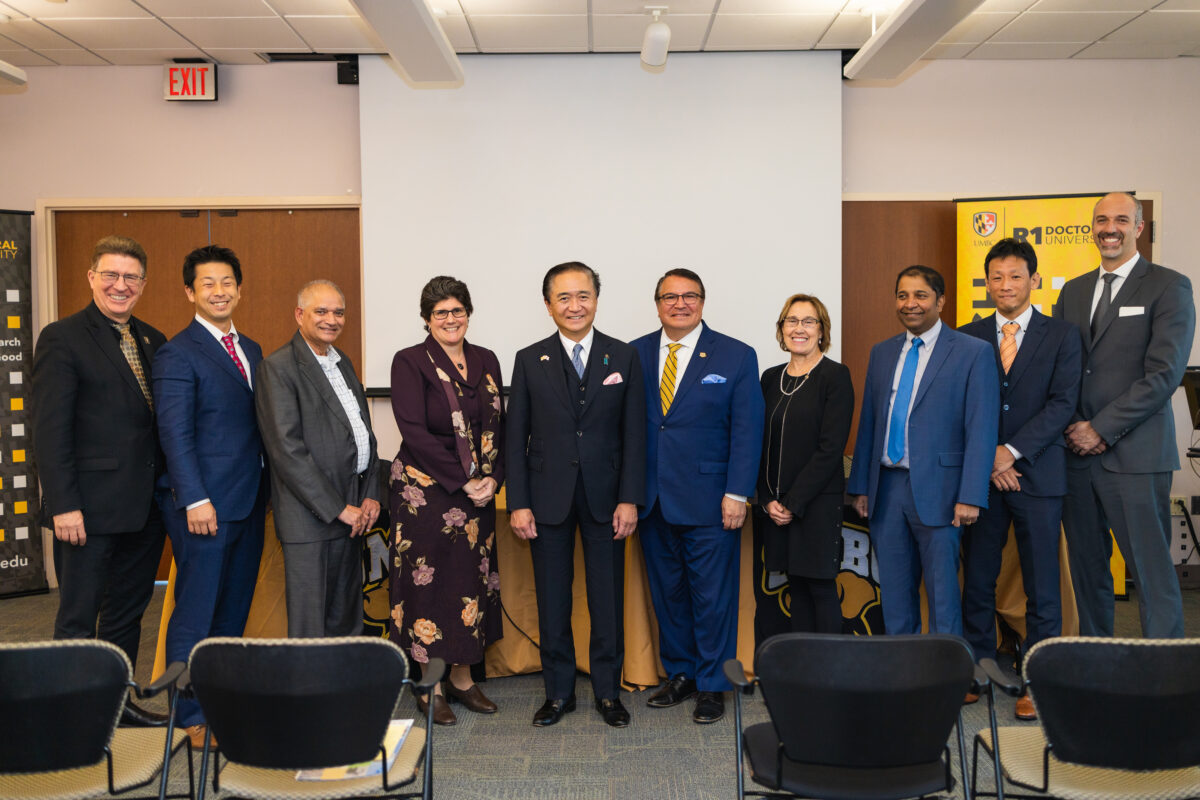
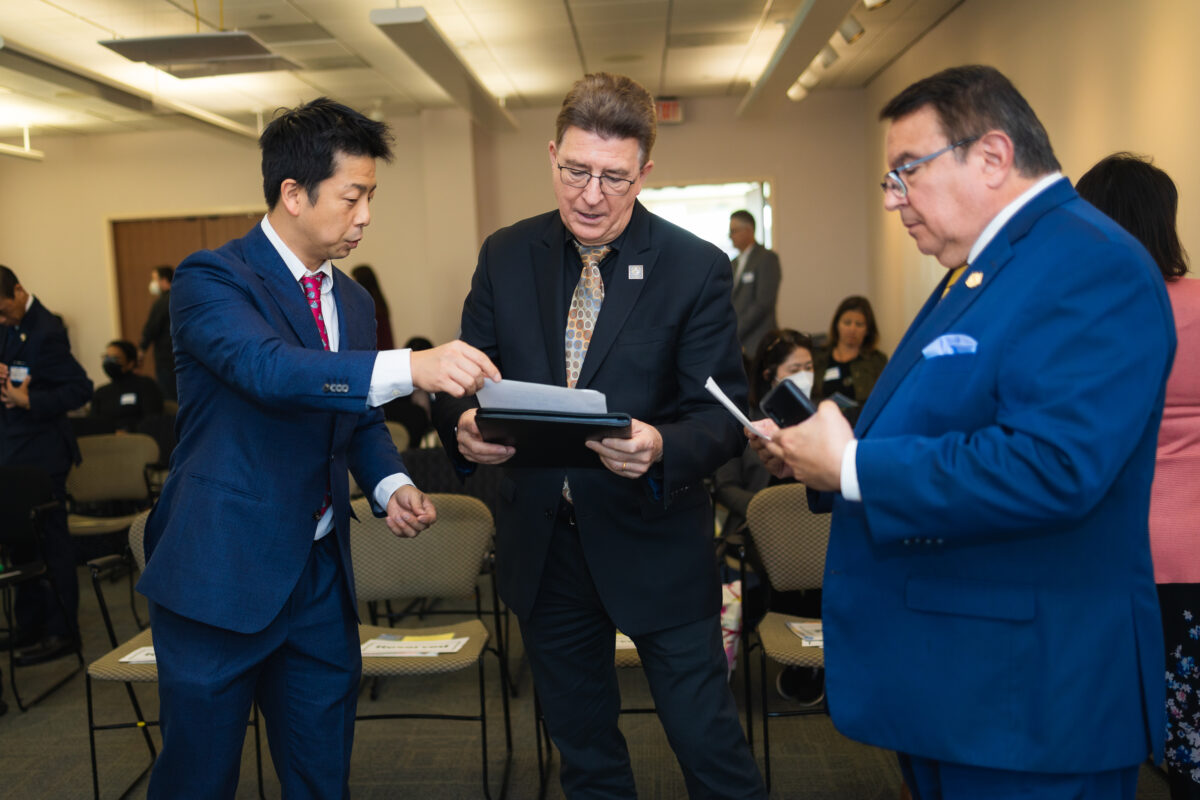
UMBC recently partnered with the government of Japan’s Kanagawa prefecture to host the seminar “New Frontiers in Healthcare Management,” examining innovative approaches to an aging society. The UMBC organizers included the department of sociology, anthropology, and public health (SAPH), Erickson School of Aging Studies, and doctoral program in gerontology. The event brought together researchers, government leaders, and practitioners to discuss leading practices and new research on the management of healthy aging in Kanagawa and in Maryland.
Speakers for the “New Frontiers in Healthcare Management” international seminar. (Photo by Kiirstn Pagan ’11)
Kanagawa has a population of over nine million people and is known as a “super-aging society,” with the largest aging population in the world and the highest number of centenarians. In 2017, Kanagawa Governor Yūji Kuroiwa developed and implemented the Kanagawa Prefecture’s Healthcare New Frontier health policy package to address the myriad needs of this population by embracing past and present methods of proactive healthcare management.
The seminar’s participants from Japan shared how these policies can inform the future management of aging societies and the development of impactful life science technologies across the world, with Maryland as a leading partner.
“This event has been a wonderful opportunity to celebrate the 40th anniversary of our partnership as a sister state with the Kanagawa Prefecture,” said Luis E. Borunda, the Maryland Deputy Secretary of State, at the event. “Yūji Kuroiwa, governor of Kanagawa Prefecture, has always been at the forefront of what it means to age well. He is transforming the world to be a better place to grow older with the concept ‘ME-BYO.’”
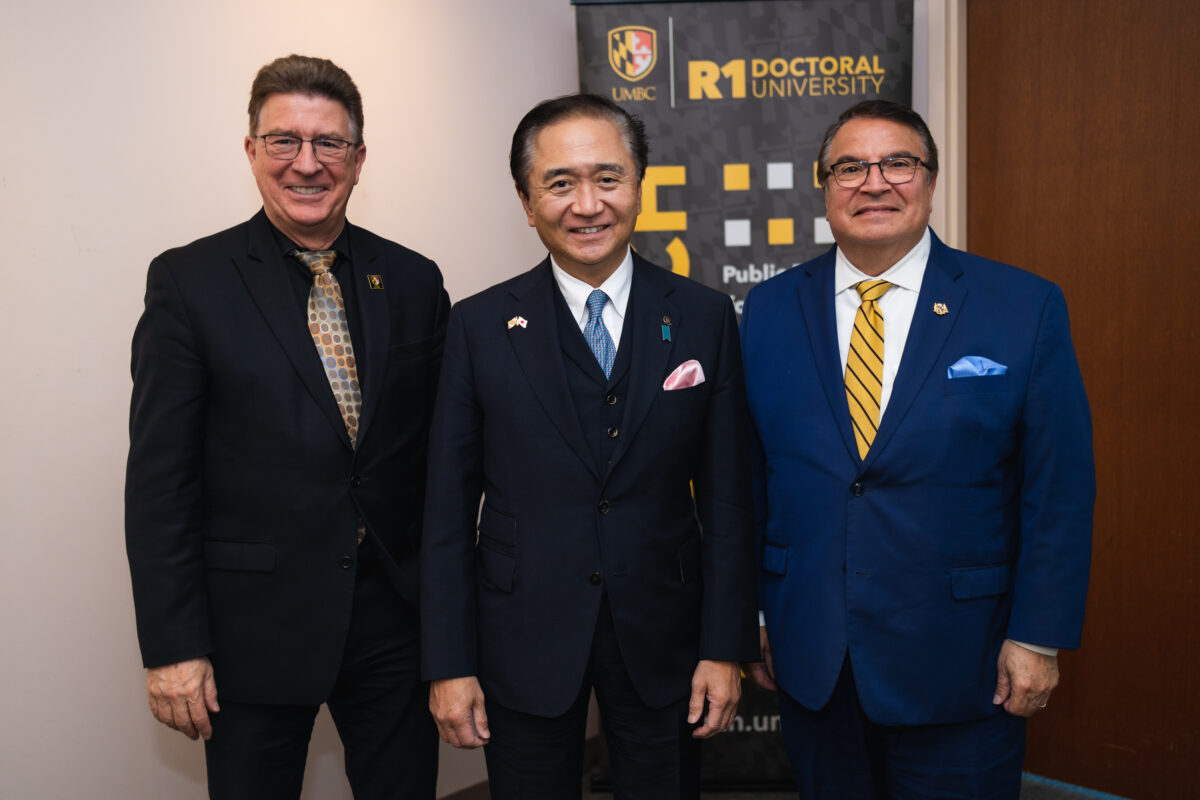
(l-r): Steiner, Kuroiwa, Borunda. (Photo by Kiirstn Pagan ’11)
ME-BYO meets medical technologies
ME-BYO is a state of being where a person is defined as neither sick nor healthy, but living in a continual state of maintaining good health wherever they are in the spectrum of personal wellbeing. Governor Kuroiwa’s Healthcare New Frontier health policy combines the traditional concept of ME-BYO with advanced technology, regenerative medicine, robotics, and information and communication technologies.
“When we think of our health, we think that we are either healthy or sick, but in reality, there is no cut line. Our state of health gradually changes between healthy and sick every day. This is the state of ME-BYO,” said Governor Kuroiwa. “To manage and improve our health is to manage ME-BYO.”
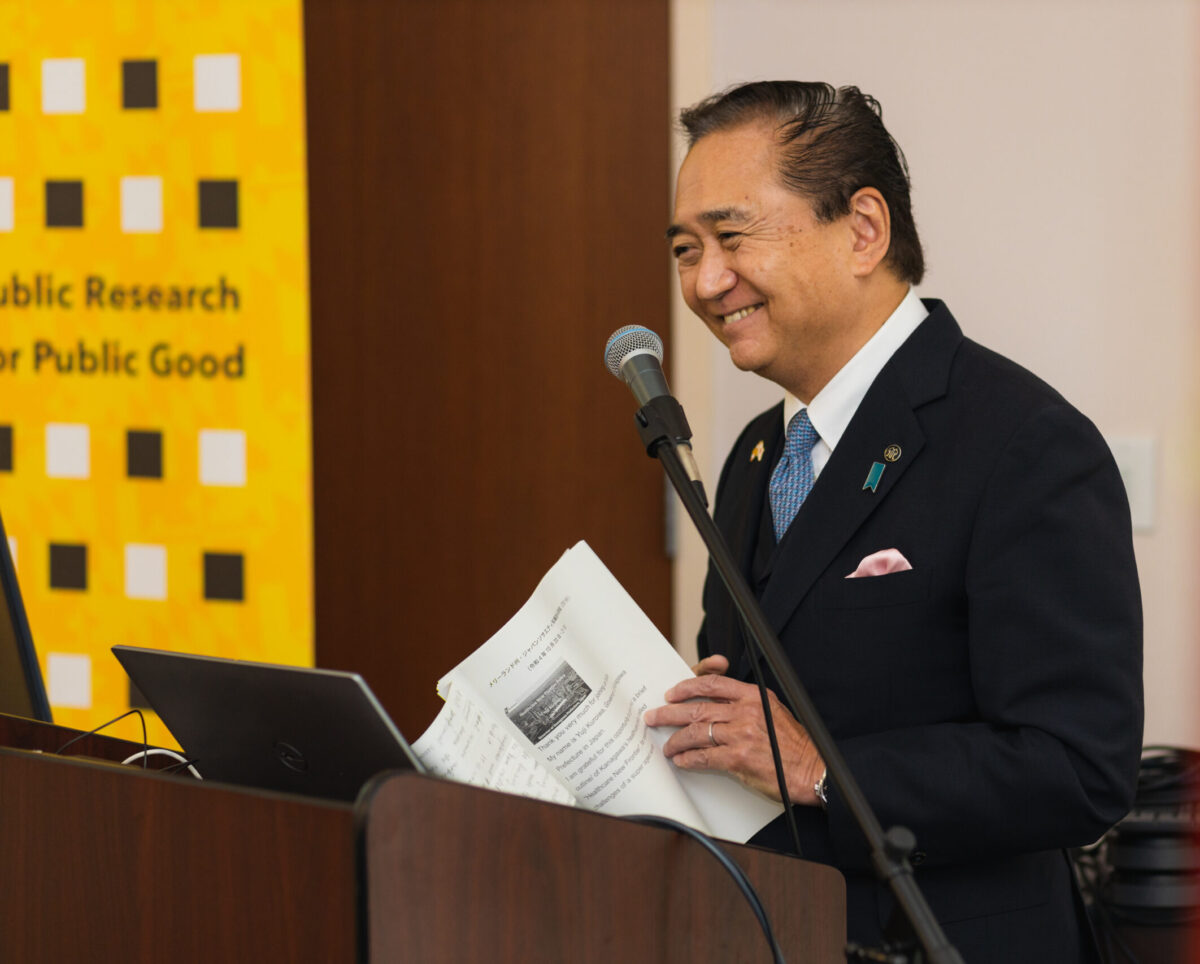
Yūji Kuroiwa, governor of Kanagawa Prefecture. (Photo by Kiirstn Pagan ’11)
The purpose of the prefecture’s new health policy is to prevent illness and minimize illness progression through programs that promote healthy behaviors such as a balanced diet, exercise, and social activities. This includes fostering age-friendly living communities that can improve physical and mental health. The ME-BYO approach also encourages monitoring vital signs using biomedical life science technologies.
“By integrating the ME-BYO concept with advanced medical technologies we aim for healthy longevity as well as create new industries and markets,” said Governor Kuroiwa. “We hope to strengthen partnerships between Maryland and Kanagawa Prefecture to further the development of the life science industry in both.”
Benefits of lifelong learning
At UMBC, aging research can be found across a broad range of disciplines, using different approaches. Some faculty focus on lifelong learning and education or trauma-centered care. Others take novel approaches to data collection, management, and analysis to develop insights on healthy aging and the life course and the social determinants of health, such as access to quality healthcare, living environments, social networks, and economic forces.
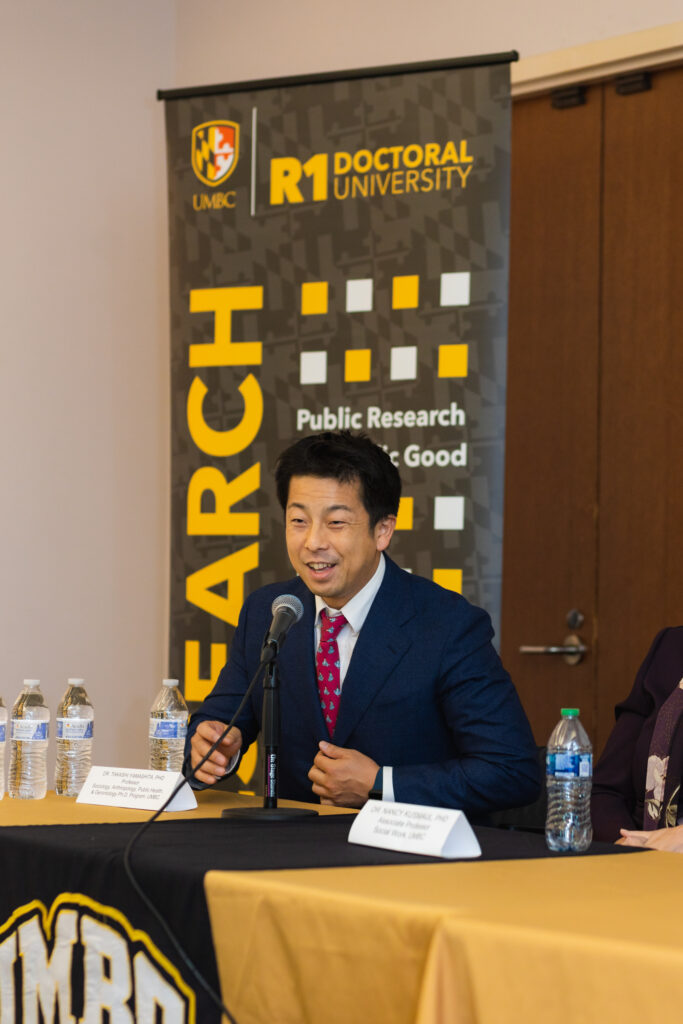
(l-r): Yamashita, Steiner, Borunda. (Photo by Kiirstn Pagan ’11)
Research by UMBC’s Taka Yamashita, a professor of SAPH, has revealed that individuals with high educational attainment are more likely to pursue education activities later in life. Preliminary findings have found that lifelong learning has a strong correlation to long-term health and wellbeing. However, further research is needed to understand why this link exists.
“The optimal goal of my research is to create a situation where we can actually prescribe lifelong learning just like we do physical activities today, to maintain and promote health and wellbeing later in life,” says Yamashita.
Taka Yamashita. (Photo by Kiirstn Pagan ’11)
Statistical models to improve health outcomes
In order to engage more people in lifelong learning and other activities that promote well-being, communities need help to prevent or minimize their risks of adverse health events, the speakers also noted. Ian Stockwell, an associate professor of information systems, spoke about the potential of statistical models to support healthy aging and the ongoing community engagement of older adults.
Stockwell is the associate director of healthcare research in UMBC’s College of Engineering and Information Technology and also a liaison to The Hilltop Institute at UMBC, which develops predictive analytics related to healthcare. Stockwell was previously chief data scientist at Hilltop and his current research focuses on the use of data to improve healthcare systems.
Ian Stockwell. (Photo by Kiirstn Pagan ’11)
For the last three years, Stockwell and a team of Hilltop researchers have been building statistical models incorporating the characteristics that influence the health and wellbeing of a person, like chronic conditions and access to food, transportation, and housing. Their models can measure not only the risk of a population for adverse health events—such as avoidable hospital visits, complications due to diabetes, or premature death—but also the role of factors and characteristics associated with their daily environment.
Often, people who are most at risk of negative health outcomes are not able to seek care. One goal of this research is to use the information from the models to inform the creation of an intervention outreach team that can identify those individuals with the highest risk and get them the services that they need.
“These models currently predict avoidable hospitalization, avoidable long-term admission to nursing homes, complications due to diabetes, and opioid overdoses,” says Stockwell. “I love helping people and these models have served two-million Marylanders who are covered by Medicare and Medicaid.”
Trauma-informed care
Trauma is an important event in the life course that can impact health and health outcomes for people in any population. For residents of long-term care and nursing homes, trauma-informed care is essential to psychosocial well-being, UMBC researchers shared. UMBC’s Nancy Kusmaul, an associate professor of social work, and Brandy Wallace, an associate professor of SAPH, are working to help nursing homes implement trauma-informed care practices.
Nancy Kusmaul. (Photo by Kiirstn Pagan ’11)
“Trauma-informed care is a perspective and organizational model that presumes residents, staff, caregivers, family members, and anyone who might be at the nursing home, might have experienced some kind of trauma that we might not know,” said Kusmaul at the event.
Traumas that people experience because of gender, age, location, discrimination, and oppression can be perceived differently around the world, she explained. Trauma-informed care increases the compassion and empathy that caregivers can provide and helps them focus their care in a way that reduces retraumatization for everyone, supporting wellbeing.
Trauma-informed practices may look different across cultures, but they are important to explore deeply whether someone is in Maryland or Kanagawa, noted Kusmaul. “They are part of the human experience,” she said. “No matter who you are, where you are, or your nationality, trauma-informed care is essential to the wellbeing of all populations.”
A vision for healthy aging
Madhav Thambisetty, a senior clinical investigator at the National Institute of Aging, also spoke at the seminar, sharing research on pharmaceutical advances in aging care. Manabu Seo, chief executive officer at Elixirgen Scientific, and Rama Modali, chief executive officer of Reprocell USA, discussed advances in drug discovery and regenerative medicine.
Madhav Thambisetty. (Photo by Kiirstn Pagan ’11)
The seminar concluded with a panel including Yamashita, Kusmaul, Stockwell, and Governor Kuroiwa, led by Dana Bradley, dean of the Erickson School, as well as a poster presentation featuring work by doctoral students from the UMB/UMBC Doctoral Program in Gerontology and the UMB School of Social Work .
Donnette Narine, a gerontology doctoral student, discusses her poster with Stockwell. (Photo by Kiirstn Pagan ’11)
The consensus for the future of healthy aging was that no single perspective or narrow approach will be successful. Supporting the health and wellbeing of the aging population depends on international innovation and collaboration in life science biotechnologies, novel clinical approaches, effective data management and analysis, and thoughtful approaches to care and wellbeing centered on human experiences.
“UMBC played an important role in connecting Kanagawa and Maryland, through education and research, to develop this unique international seminar,” said Yamashita. “I hope that this seminar inspired policymakers, researchers, and students to critically examine how the ME-BYO concept and policy may contribute to our current views on aging and healthcare.”
Today, millions of college students across the country are voting. Other students are not voting—they might be discouraged that their voice can make a difference, uninformed about their voting rights, or just unengaged with the political process.
In a conversation facilitated by UMBC Magazine, MusaJafri ’24, political science, SGA director of civic engagement, Sunil Dasgupta, professor of political science, and founder and host of the podcast “I Hate Politics,” and David Hoffman, Ph.D. ’13, language, literacy, and culture, the director of UMBC’s Center for Democracy and Civic Life, discuss the vital democratic process—on campus and off—and the daily practice of voting.
“Voting is about you taking a stand and stating, ‘I’m here, I matter, I exist, and I have a voice.’ It’s a form of resistance, a way to try to change the climate you find yourself in.” says Jafri,co-chair of the University System of Maryland Student Civic Leaders Committee.
“I don’t understand how democracy became compartmentalized to something that happens every four years. Voting is the culmination of the work that we have done for the past four years between the time we last voted and now,” says Dasgupta. “Voting is a moment of celebration. A moment where we find out whether the work we did in between votes really mattered. There is no other way to think about democracy. Voting is what we do every day.”
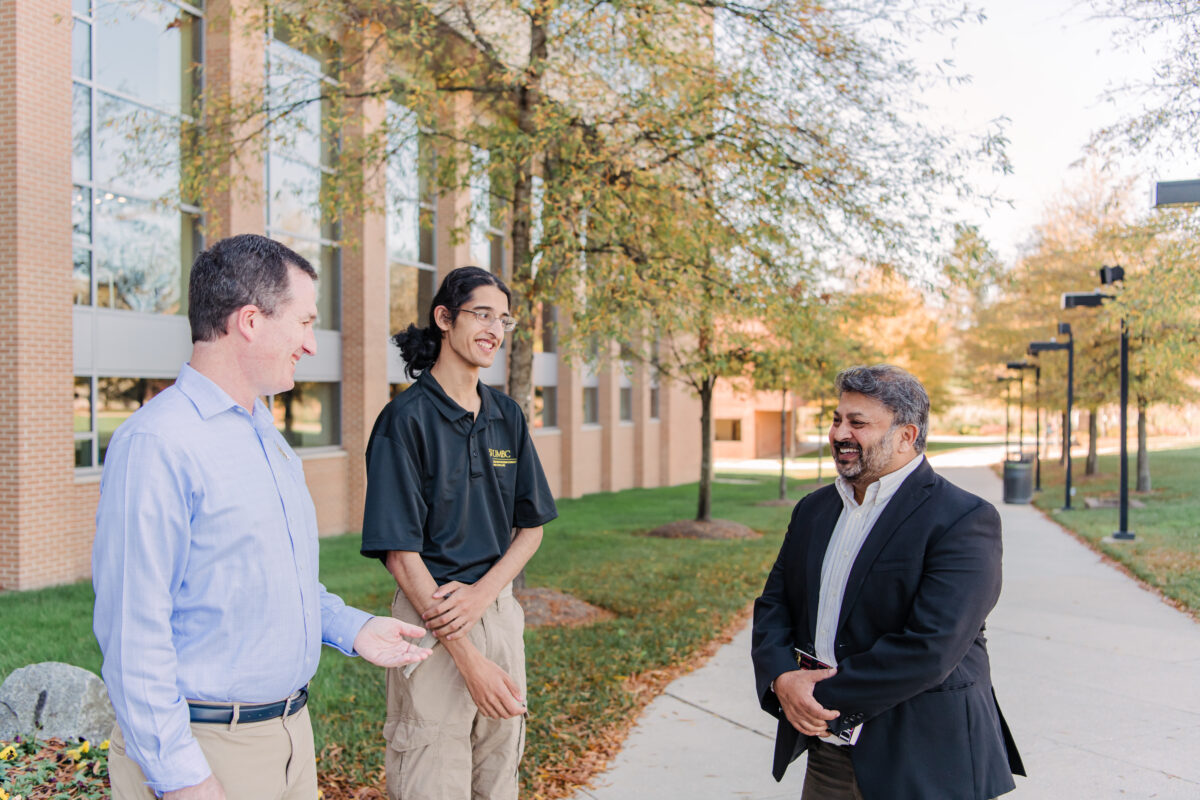
Hoffman, Jafri, and Dasgupta. (Marlayna Demond ’11/UMBC)
Dasgupta: From my way of thinking, a university campus can be very different than society at large. What is the difference and how does that manifest in civic life, on campus, and in communities? How do we navigate those differences?
Hoffman: In our broader culture, we speak too easily of universities as separate from the rest of society: as ivory towers where students are being prepared for the ‘real world.’ The reality is that universities are life. Students are alive right now and they are part of many communities within and beyond the university. What happens here matters to the lives of everyone at UMBC and the communities they are part of.
Jafri: I agree. There are many instances where the university and local community needs overlap. Recently, some UMBC students organized an event where we invited the Catonsville and Arbutus communities to meet the candidates in our district. By including these two communities we realized that we had similar concerns including education, clean water, and environmental protection.
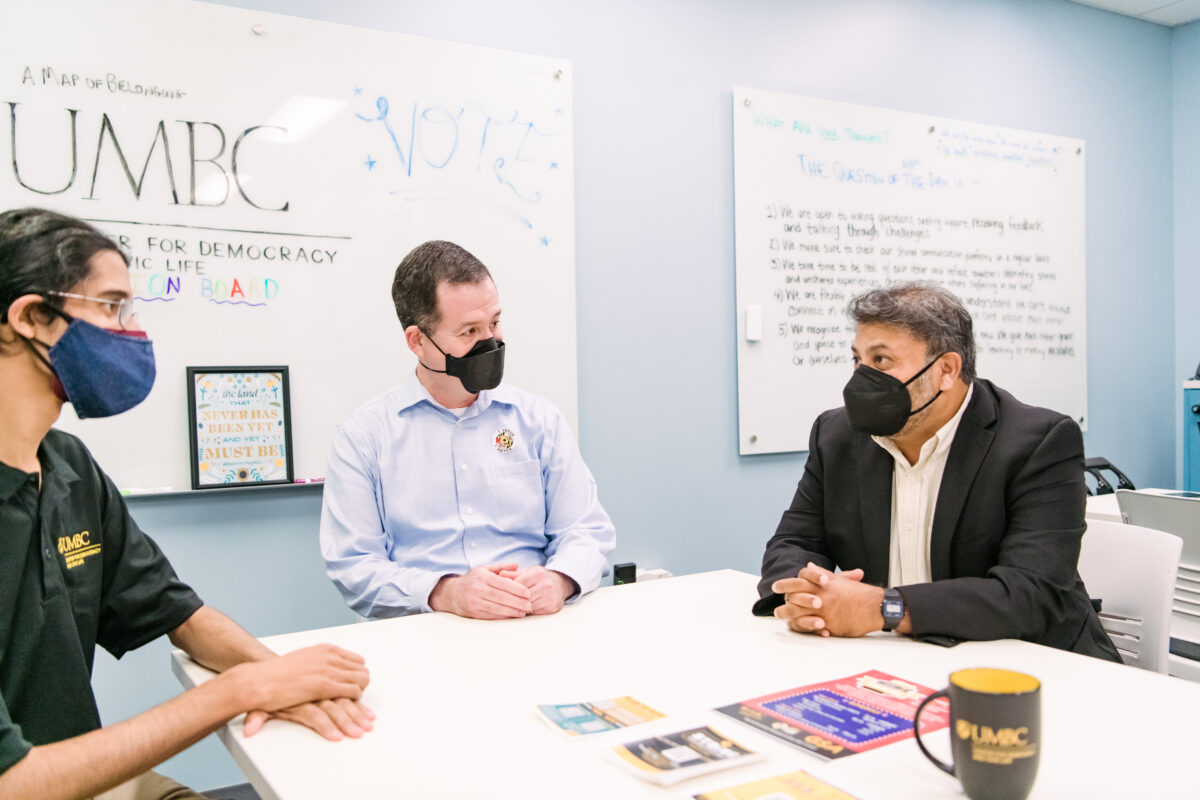
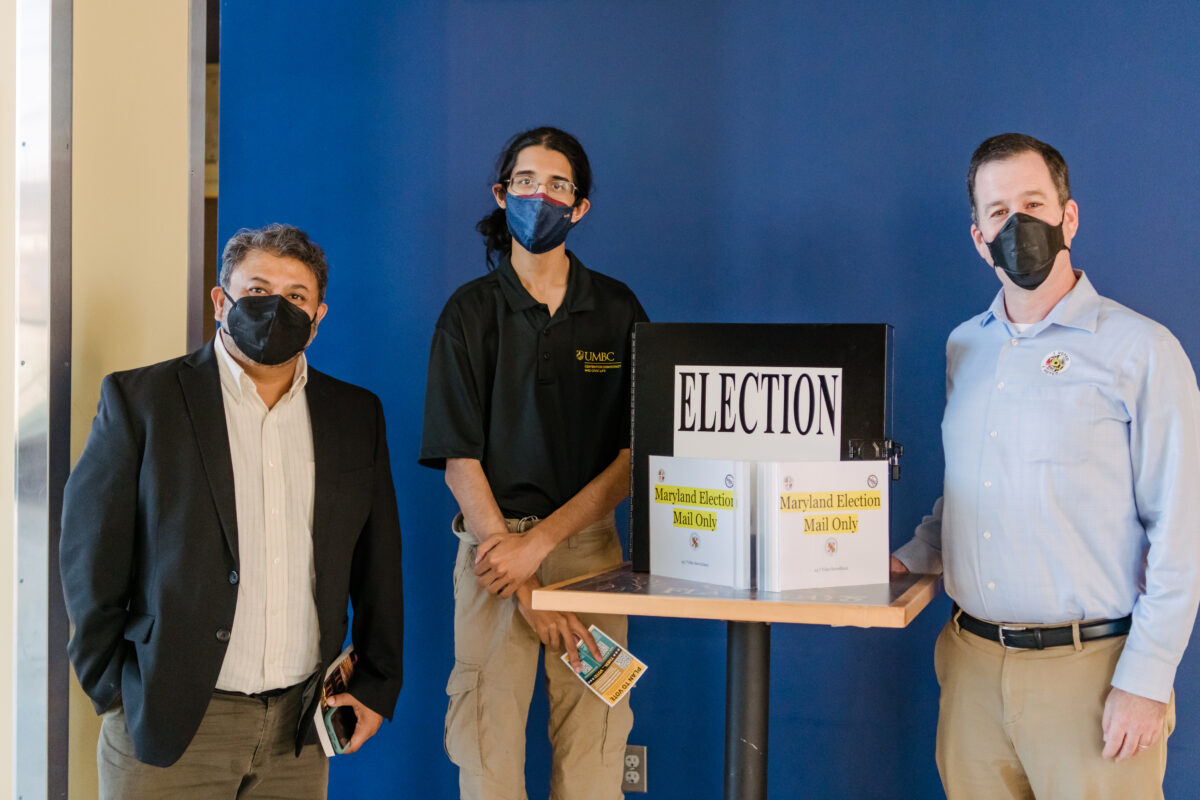
Jafri, Hoffman, and Dasgupta in the Center for Democracy and Civic Life. (Marlayna Demond ’11/UMBC)
Jafri: My generation is very politically active when it comes to voting and getting out to the polls. But with the plethora of social media platforms and news outlets how can students ensure they are getting valid and factual news?
Dasgupta: Let me be a professor and say there is more reading to be done. If your news derives from digital platforms, these platforms are algorithmic with a selection bias problem that is not your selection bias problem. You are essentially hostage to their selection bias. The way you have to overcome this is to move beyond one or two or even three sources of news. What all of us need to do is a triangulation between you and multiple sources. That takes work. Social media won’t replace in-person organizing or knocking on doors. On the other hand, organizing alone can be more effective with social media’s reach. The combination is necessary. At the risk of saying go do more work, I do think we have to understand that choosing one approach is not sufficient.
Hoffman: A part of what happens when you get involved in on-the-ground organizing is that you become better able to discern the plausibility of claims that you might encounter online. You become a better evaluator of the information you are receiving. One of the premises of Center for Democracy and Civic Life’s work is that democracy is not just a form of government, it’s not just politics and elections, it is a way of life that can be enacted in everyday settings. Ideally, people vote because they are so thoroughly engaged with the issues in their community and nation and understand them so well that voting is an obvious way to contribute. It’s one facet of how we shape our collective future, but far from the only one.
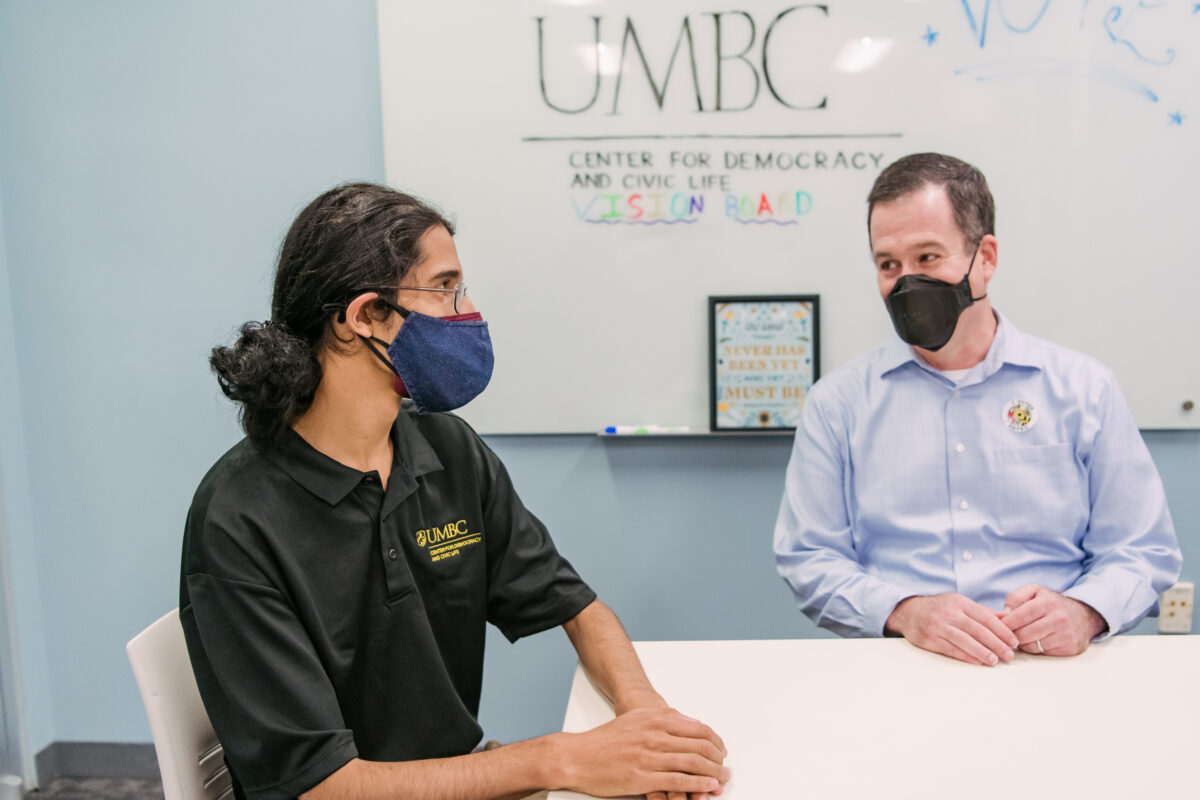
Jafri and Hoffman. (Marlayna Demond ’11/UMBC)
Jafri: One of the comments I often hear from students is that their one vote will not matter because it doesn’t determine the outcome. How can students and the broader community understand that voting is important even if their one vote may not be the deciding vote?
Hoffman: There are a lot of reasons to vote including enacting a symbolic and moral commitment to the well-being of your community. If your vote does not determine the outcome it will still be counted. Candidates and elected officials will review voting data to learn about who voted. In the elected official’s mind if a high percentage of young people voted then their concerns are important. This matters a lot.
Hoffman: What can communities do to help heal the deep divisions in our society that are evident all around us every day?
Jafri: I lean a lot on the power of storytelling—of meeting people where they are and hearing their stories. The divisions in the broader U.S. and in our communities come from a lack of understanding of someone else’s experience. Listening to another’s experience is very powerful and helps us see multiple realities. Maybe we can work together to address our concerns even if our approaches are different.
Dasgupta: I agree with Musa. Storytelling is very powerful and important especially when communities are in need of reliable news sources. I created my podcast to fill a gap in news coverage in Montgomery County. Providing a sound space where community leaders and elected officials can share their insights and plans for the future is one way I give back to the community, especially in areas where there isn’t a local newspaper.
Dasgupta, Jafri, and Hoffman. (Marlayna Demond ’11/UMBC)
Hoffman: What are some practical examples of things students can do that may not be obvious to them as opportunities for civic engagement?
Jafri: Some define democracy and civic engagement as just voting. I don’t think that is a fair description of democracy and civic engagement. Simple things such as gathering with friends and inviting someone who has different views than your own is a very basic way to be civically engaged. I think that can do a lot of good in helping heal the divide.
UMBC Magazine: What wisdom can you impart to inspire students to not give up and to show up and vote?
Dasgupta: The challenges are always going to remain. Our lives’ work is to work through these challenges with hope. We don’t have to solve everything but we are duty-bound to try solve some of the issues we face.
Hoffman: I believe that the moral arc of the universe bends towards justice but that achieving it in our lifetime requires constant organizing. I also believe that democracy is a journey, not a destination. We will never fully achieve the just society that we aspire to but we can get closer and closer and work together to prevent backsliding. I have seen a lot of positive changes in my lifetime including the expansion of rights and the recognition of people based on their identities. The backsliding we have experienced lately has not fully erased this progress so I have hope that together we can build a more just society and that in fact, the seeds of that society have already been planted.
Update: In late November 2022, the ALL IN Campus Democracy Challenge released the results of its national student voter pledge competition. UMBC finished at #4 in the nation in the number of students pledging to vote in Election 2022, moving our campus community up from #9 in 2020.